
Best wall art designs for small rooms vs large spaces depend on the room’s size, layout, furniture, lighting, and overall style. However, choosing the right artwork is not only about filling an empty wall. Instead, the artwork should create visual balance while complementing the existing interior. Therefore, understanding scale, colour, placement, and composition can help you choose wall art that suits your space.
Whether you have a compact bedroom, a modern apartment, a spacious living room, or a large commercial interior, the artwork should work with the proportions of the wall. Moreover, the right piece can create a strong focal point without making the room feel crowded or unfinished.
Smart Choices for Compact Interiors
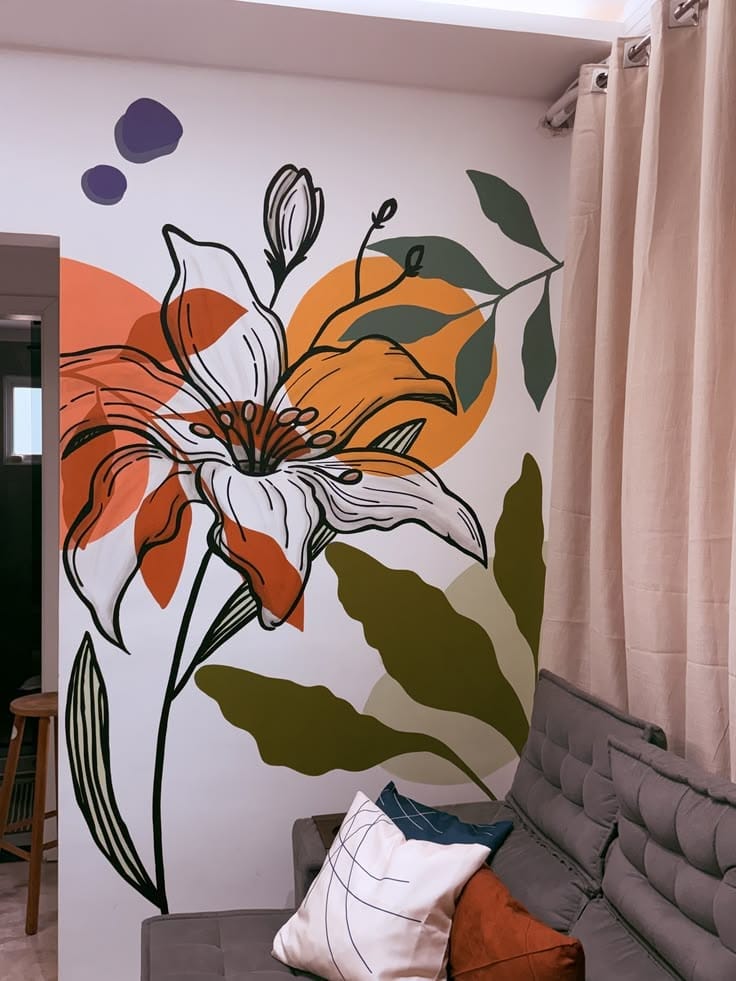
Small rooms require careful planning. However, that does not mean you should always choose tiny artwork. In fact, one larger artwork can often look cleaner than several small frames competing for attention. Recent design guidance also recommends using a clear focal point and avoiding unnecessary visual clutter in compact rooms for Best wall art designs for small rooms vs large spaces.
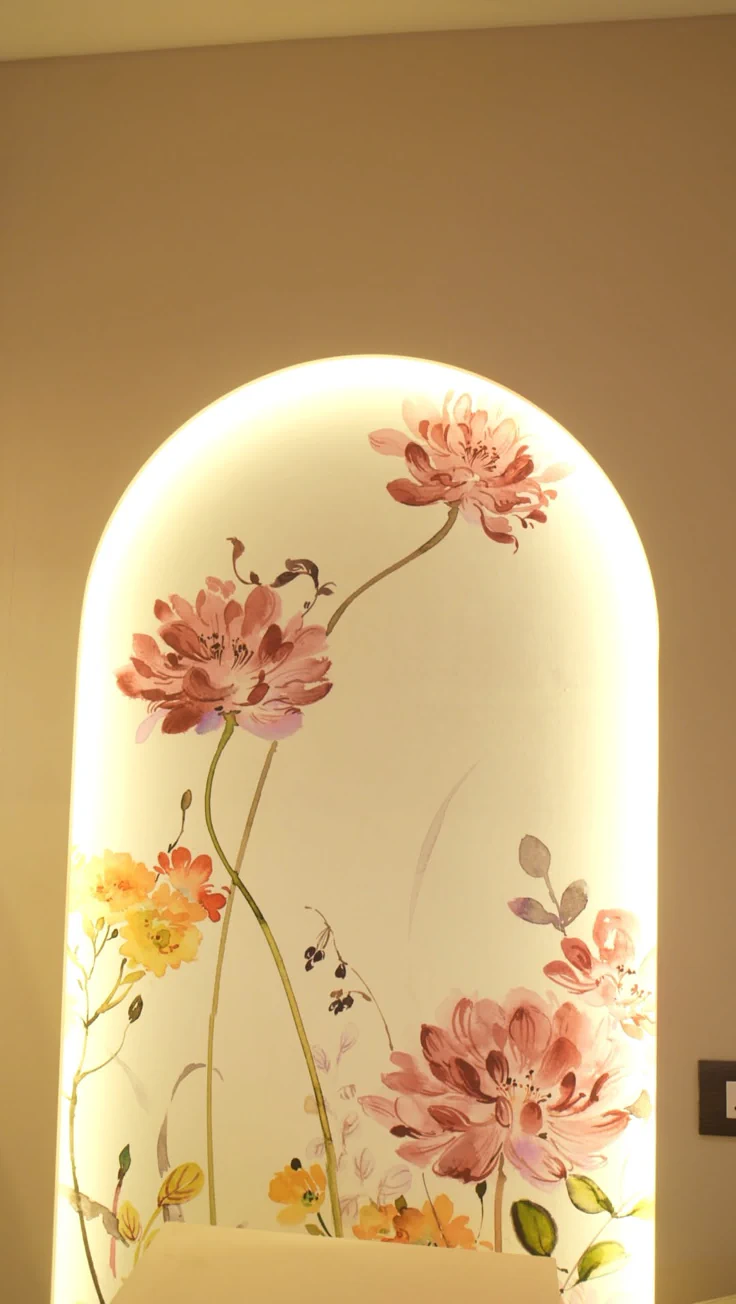
For a small bedroom, consider a vertical abstract painting above the bed. Likewise, a botanical artwork, minimalist mural, or soft geometric design can draw the eye upward. In addition, light colours and gentle contrasts can help maintain an airy appearance.
A narrow hallway can benefit from one tall artwork rather than a wide gallery arrangement. Similarly, a small study can use one expressive piece above the desk. As a result, the wall gains personality without taking valuable floor space.
Ideas That Suit Expansive Walls
Large rooms provide more creative freedom. Therefore, oversized artwork, triptychs, large murals, textured panels, and gallery walls can work particularly well for Best wall art designs for small rooms vs large spaces.
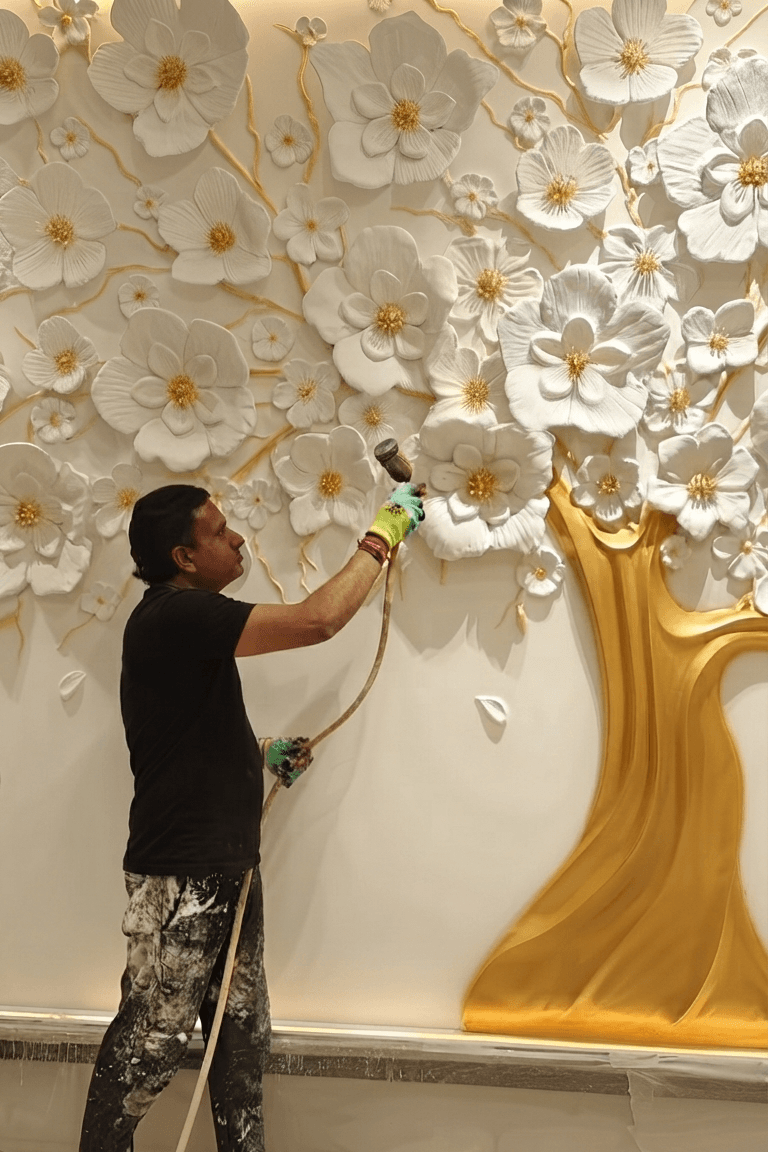
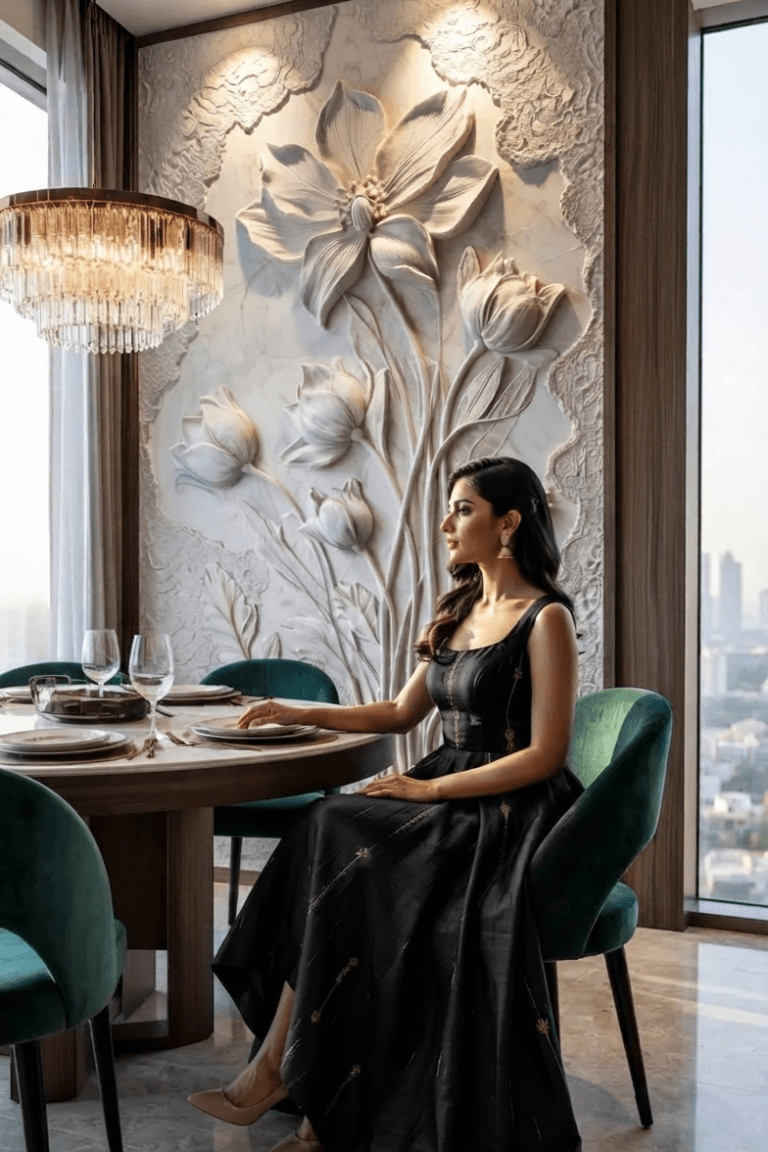
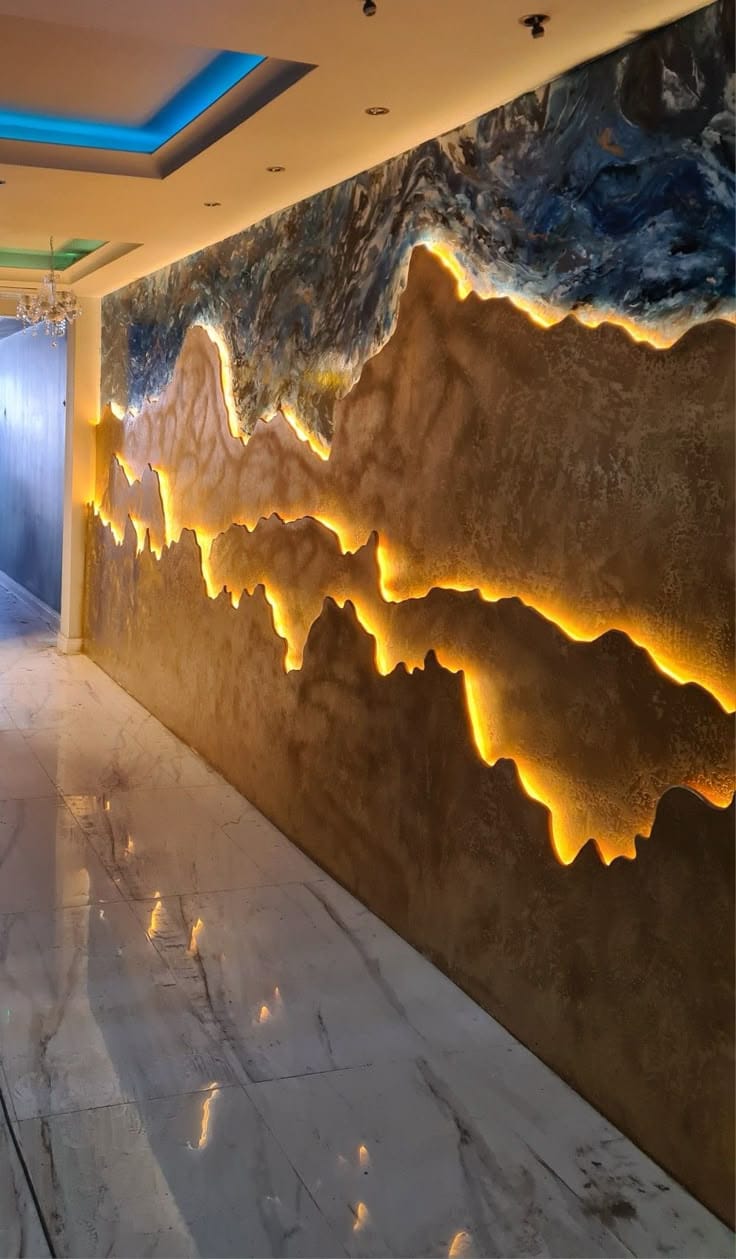
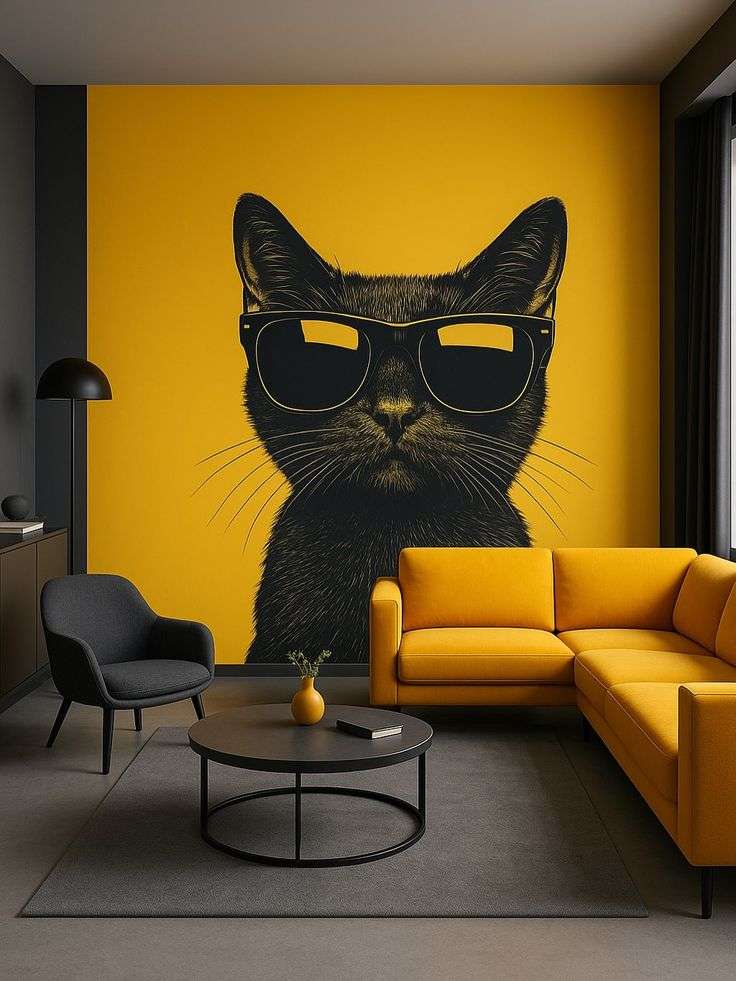
For example, a large living-room wall can feature one oversized abstract artwork above the sofa. Alternatively, three coordinated paintings can create rhythm across a wider surface. A large textured wall installation can also add depth while connecting the artwork with the room’s architectural character.
Large walls should not be filled randomly, however. Instead, consider the furniture below, ceiling height, viewing distance, and surrounding negative space. A modest artwork on a huge wall can appear disconnected, whereas appropriately scaled artwork creates a stronger visual relationship.
Scale, Colour and Placement Matter
The size of artwork should relate to the furniture and wall beneath it. For instance, artwork above a sofa generally looks more balanced when it occupies a substantial portion of the sofa’s width. Therefore, measure the furniture and wall before ordering a piece.
Colour matters too. Small rooms can benefit from lighter, muted artwork when the goal is an open visual feeling. On the other hand, large rooms can accommodate stronger colours, deeper contrasts, and expressive compositions for Best wall art designs for small rooms vs large spaces.
Placement is equally important. Artwork that sits too high can feel disconnected from furniture. Meanwhile, artwork that is too low can make the arrangement appear compressed. Consequently, visual balance should guide the final position.
Mural Art for Different Room Sizes
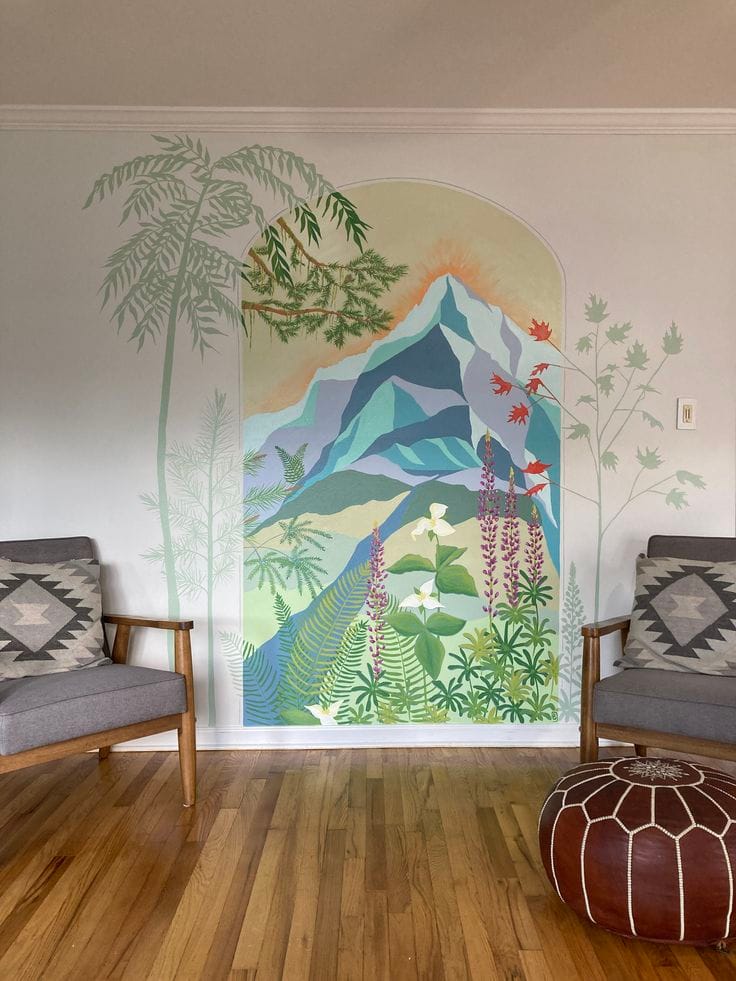
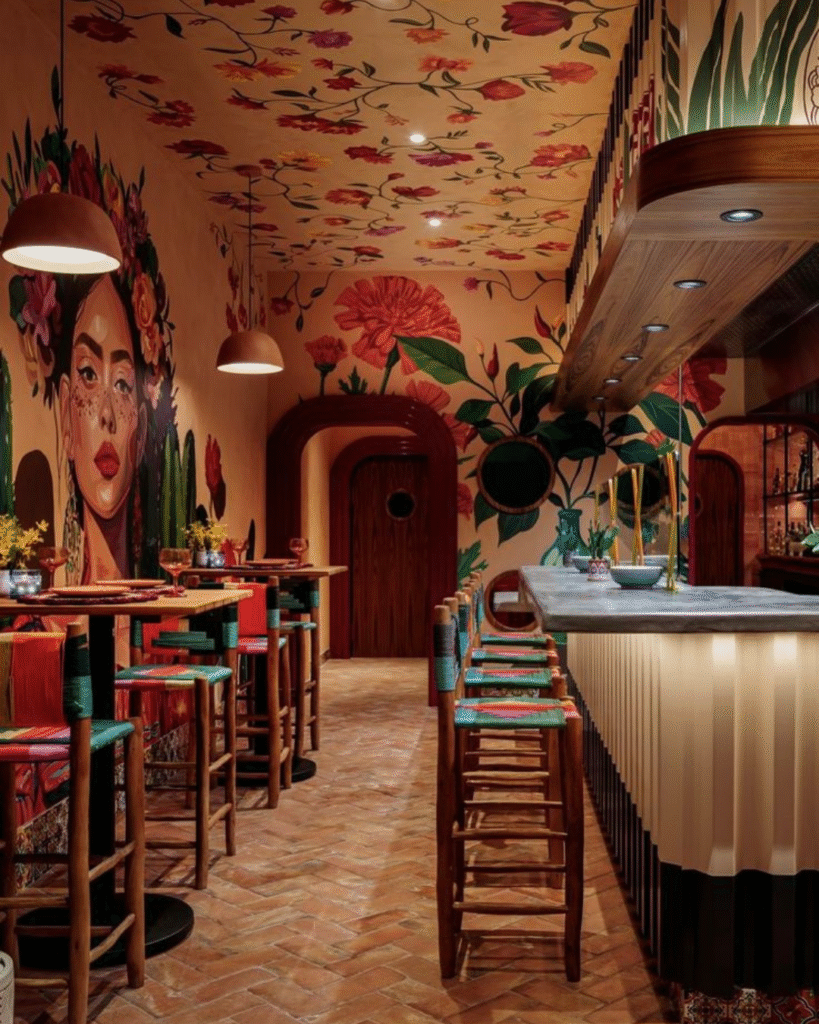
Hand-painted murals offer another option for both small and large interiors. In a compact room, a carefully planned mural can cover one feature wall while keeping the remaining surfaces simple. For larger spaces, expansive botanical scenes, geometric compositions, heritage-inspired artwork, or abstract murals can create a powerful visual centre.
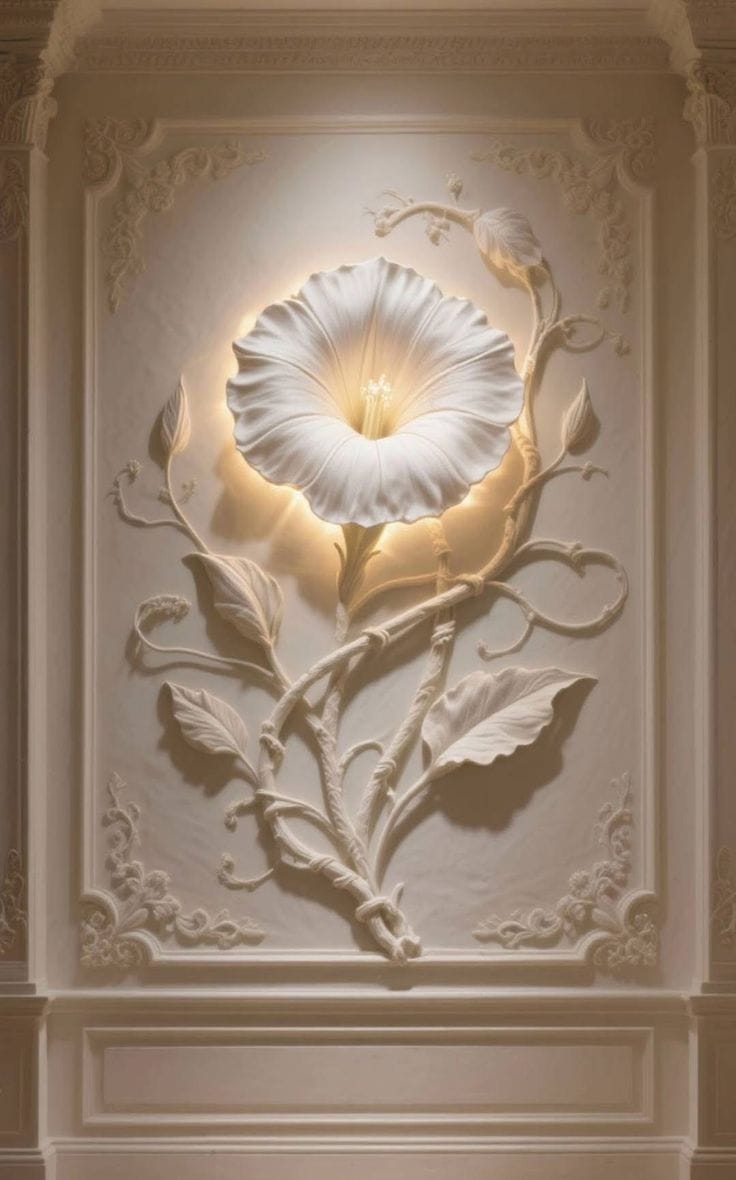
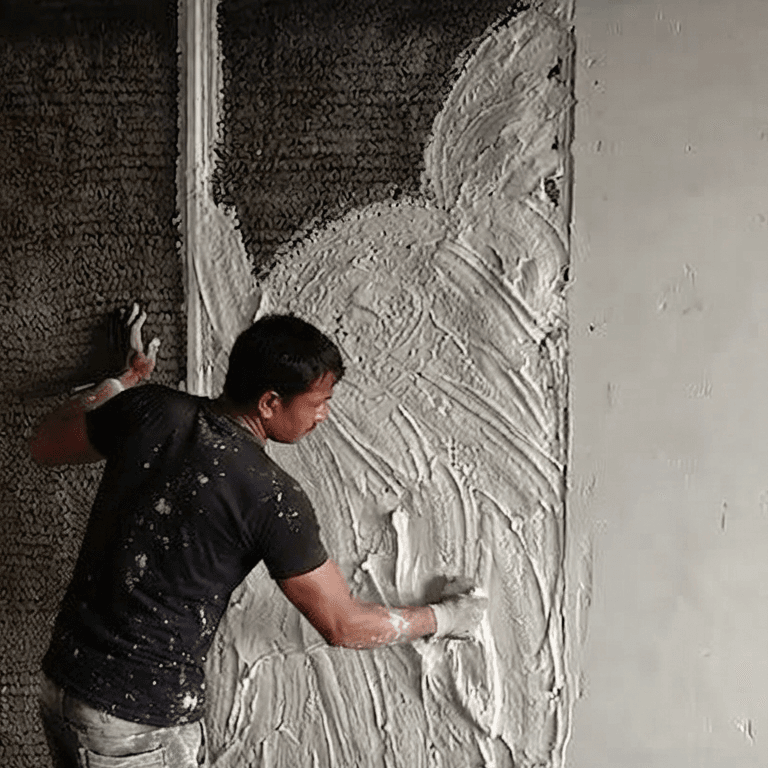
Additionally, textured and relief-based wall art can work beautifully where a flat painting is not enough. Materials such as plaster, cement, POP, and other architectural finishes can introduce depth and tactile interest for Best wall art designs for small rooms vs large spaces.
The key is proportion. A small room needs controlled visual weight, while a large room can support broader compositions and multiple layers.
Which Style Should You Choose?
Ultimately, the best wall art depends on the room rather than a fixed design rule. Small spaces usually benefit from simplicity, purposeful placement, and controlled scale. Large spaces, meanwhile, can support oversized artwork, coordinated collections, murals, and sculptural pieces.
Before choosing a design, consider the wall dimensions, furniture, lighting, colour palette, ceiling height, and viewing distance. Then, select artwork that supports the entire interior rather than competing with it for more details visit to our page.
For additional inspiration, explore related resources such as “Wall Art Ideas for Small Rooms,” “How to Decorate a Large Blank Wall,” “Gallery Wall Arrangement Ideas,” “Small Bedroom Wall Decor Ideas,” and “Large Wall Art Ideas for Living Rooms.” Helpful design inspiration can also be found on Art Theory, Coohom, The Spruce, and Real Simple.
FAQ
What wall art works best in a small room?
One strong artwork, vertical composition, minimalist mural, or carefully planned feature wall can work well. Avoid filling every wall with small pieces.
Is oversized wall art suitable for small rooms?
Yes. One appropriately scaled statement artwork can sometimes look cleaner than several small artworks. However, the wall dimensions and furniture must be considered first.
What artwork is best for a large living room?
Oversized paintings, triptychs, gallery walls, textured panels, murals, and large sculptural artwork are strong options for spacious living rooms.
Should wall art match the furniture?
It does not need to match exactly. However, the colours, proportions, and visual weight should complement the furniture and overall interior.
How do I choose the right artwork size?
Measure the wall and furniture first. Then consider the viewing distance and surrounding empty space. Artwork should feel connected to the furniture rather than floating independently.
Suggested related page names:
- Wall Art Ideas for Small Rooms
- Large Wall Art Ideas for Living Rooms
- Modern Mural Painting Ideas
- Hand-Painted Wall Mural Designs
Latest Posts
8 Tips for Outdoor Mural Relief Walls That Last (2026)
An outdoor mural relief turns a plain exterior wall into a striking, three-dimensional feature — but only when it’s planned […]
What Materials Are Used for Mural Relief?
Mural relief materials play an important role in determining the depth, strength, texture, and finish of three-dimensional wall art. Mural […]
How Much Do Wall Murals Cost? A Complete Guide for Every Space
Wondering about the wall mural cost before starting your project? A mural is a custom artwork painted directly onto a […]
What Wall Preparations Should Be Made Before You Come to Paint the Mural?
A beautiful mural begins long before the first brushstroke. In fact, wall preparation before mural painting plays a major role […]
Where to Buy Residential Wall Murals: A Practical Guide for Homeowners
Choosing residential wall murals is no longer limited to visiting a local décor shop. Today, homeowners can explore painted murals, […]
How Do Lighting Effects Impact Relief Murals?
Relief mural lighting plays an important role in showing the depth, texture, and details of three-dimensional wall art. However, their […]
Finally found a site that does not crash during peak hours. The loading time on phss7777 is impressively fast.