
Mural relief materials play an important role in determining the depth, strength, texture, and finish of three-dimensional wall art.
Mural relief can be created with several materials, including Plaster of Paris, gypsum, cement, clay, fiberglass, resin, and reinforcement systems. Moreover, artists often combine different materials according to the design, wall condition, location, and required depth. As a result, every relief project may require a different material approach.
Understanding the Main Material Choices
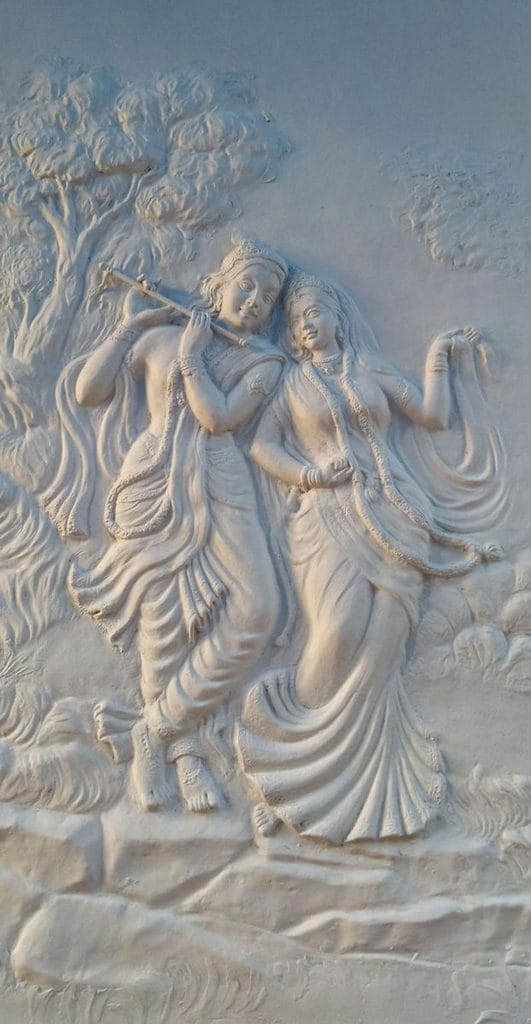
Plaster of Paris for Fine Details
The most commonly selected mural relief materials include POP, gypsum, cement, clay, fiberglass, resin, and reinforcement systems.
Among different mural relief materials, POP remains a popular choice for detailed indoor decorative work. For more details visit to our page.
Gypsum for Smooth Decorative Work
Gypsum-based plaster has been used for decorative architectural work for centuries. It offers a relatively smooth surface and can capture fine details effectively. In addition, gypsum can be shaped into decorative forms before the material fully sets.
Therefore, gypsum is often considered when a project requires clean lines, elegant detailing, and a refined surface.
Cement for Stronger Reliefs
Cement-based mixtures provide greater strength and rigidity than lightweight plaster systems. Depending on the project, cement may be combined with sand, aggregates, bonding agents, or reinforcement.
As a result, cement can be considered for substantial relief features and selected exterior applications. Nevertheless, the weight of the finished artwork must be considered carefully. The supporting wall should also be assessed before installation.
Fiberglass and FRP
Fiberglass-reinforced plastic, or FRP, offers an alternative when a project requires large but relatively lightweight sculptural elements. The material can be moulded into complex shapes and produced as individual panels.
Furthermore, FRP can be useful when transportation and installation weight need to remain manageable. It is particularly suitable for decorative features that would become excessively heavy if made from solid cement.
Clay for Modelling and Form Development
Clay provides artists with a flexible modelling medium. Since it remains workable, artists can develop facial features, organic shapes, textures, and other three-dimensional forms before creating a final mould or cast.
Additionally, clay can be useful during the development stage even when another material becomes the finished relief.
Reinforcement Materials Matter Too
A strong relief is not created only from its visible surface. Larger or deeper designs may require reinforcement to provide additional support. Depending on the project, artists may use wire, metal mesh, fiberglass reinforcement, boards, or other structural systems.
Therefore, the selection of reinforcement should match the relief’s size, weight, depth, and installation method. Proper support can also help reduce unwanted movement and stress within the artwork.
How Should You Select the Right Material?
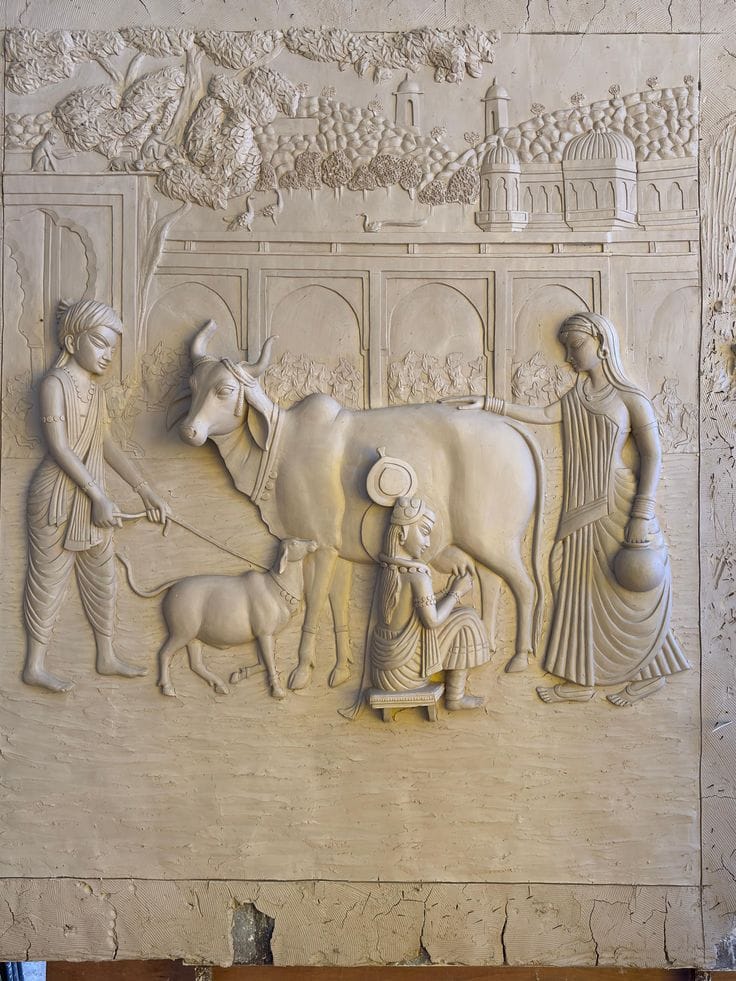
Choosing between different mural relief materials depends on several practical factors. First, determine whether the artwork will be installed indoors or outdoors. Next, consider the desired depth, surface texture, weight, level of detail, and expected maintenance.
For example, a detailed indoor decorative panel may suit POP or gypsum. On the other hand, a larger architectural relief may require cement-based materials or reinforced FRP components.
Moreover, moisture should always be considered. Plaster-based materials can require additional protection in areas exposed to humidity or water. Therefore, material selection should happen alongside proper surface preparation and finishing.
Why Material Selection Is Important
The right material affects much more than appearance. It influences the artwork’s weight, workability, detailing, installation process, maintenance requirements, and finishing options.
Furthermore, the finished relief can receive paint, metallic coatings, textured finishes, or other decorative treatments. Consequently, one relief technique can produce completely different visual results depending on the final surface treatment.
For additional technical reading, useful resources include the Canadian Conservation Institute’s “Care of Plaster Objects”, the Victoria and Albert Museum’s plaster resources, and the Smithsonian Museum Conservation Institute’s conservation materials resources.
Final Thoughts
Mural relief combines artistic skill, material knowledge, and careful surface preparation. POP, gypsum, cement, fiberglass, clay, and reinforcement systems each offer different benefits. Therefore, the best choice depends on the design, environment, wall condition, structural requirements, and desired finish.
Ultimately, understanding mural relief materials helps artists, architects, interior designers, and property owners make better decisions before beginning a three-dimensional wall artwork project.
Frequently Asked Questions
What is the best material for mural relief?
There is no single best option. POP and gypsum can work well for detailed indoor designs, while cement and reinforced systems may suit heavier architectural reliefs.
Is POP good for mural relief?
Yes. POP is useful for detailed decorative relief because it is easy to shape and refine. However, moisture protection is important.
Can cement be used for wall relief?
Yes. Cement-based materials can create strong and substantial reliefs. However, the wall’s structural capacity and the finished weight should be assessed first.
Is fiberglass suitable for large relief artwork?
Yes. Fiberglass and FRP can provide relatively lightweight alternatives for large sculptural panels and decorative elements.
Can multiple materials be used in one relief?
Yes. Artists can combine modelling materials, reinforcement, plaster, cement, fiberglass, and finishing products according to the project’s requirements.
Related Resources
- Getty Conservation Institute – Mural Conservation: https://www.getty.edu/conservation/
- Smithsonian Museum Conservation Institute – Conservation Research: https://mci.si.edu/
- Britannica – Relief Sculpture: https://www.britannica.com/art/relief-sculpture
Latest Posts
Luxury Wall Murals: Bespoke Art for Sophisticated Interiors
Luxury wall murals are becoming a preferred choice for homeowners who want interiors with individuality, artistic depth, and lasting visual […]
Luxury Wall Design: Refined Textures, Artistic Murals and Modern Elegance
Luxury wall design is becoming an essential part of contemporary interiors. Rather than relying only on expensive furniture, homeowners are […]
The Modern Artist: Where Creativity Meets Contemporary Interior Design
An artist sees possibilities where others see an empty canvas. Today, creativity extends beyond traditional paintings and galleries into homes, […]
Art Studio: Where Creative Ideas Become Original Works of Art
An art studio is more than a room filled with brushes, colors, and canvases. It is a creative workspace where […]
Painting Studio in Kolkata: Where Art Meets Interior Spaces
A painting studio is no longer limited to canvases, easels, and framed artwork. Today, creative studios are increasingly connected with […]
Wall Artist: The Craft Behind Meaningful Wall Art
A wall artist does more than apply paint to a large surface. Instead, the artist studies the space, understands its […]


The excitement on this site is on another level. I had a great run yesterday and the withdrawal was processed almost instantly. Great job brcupwin