
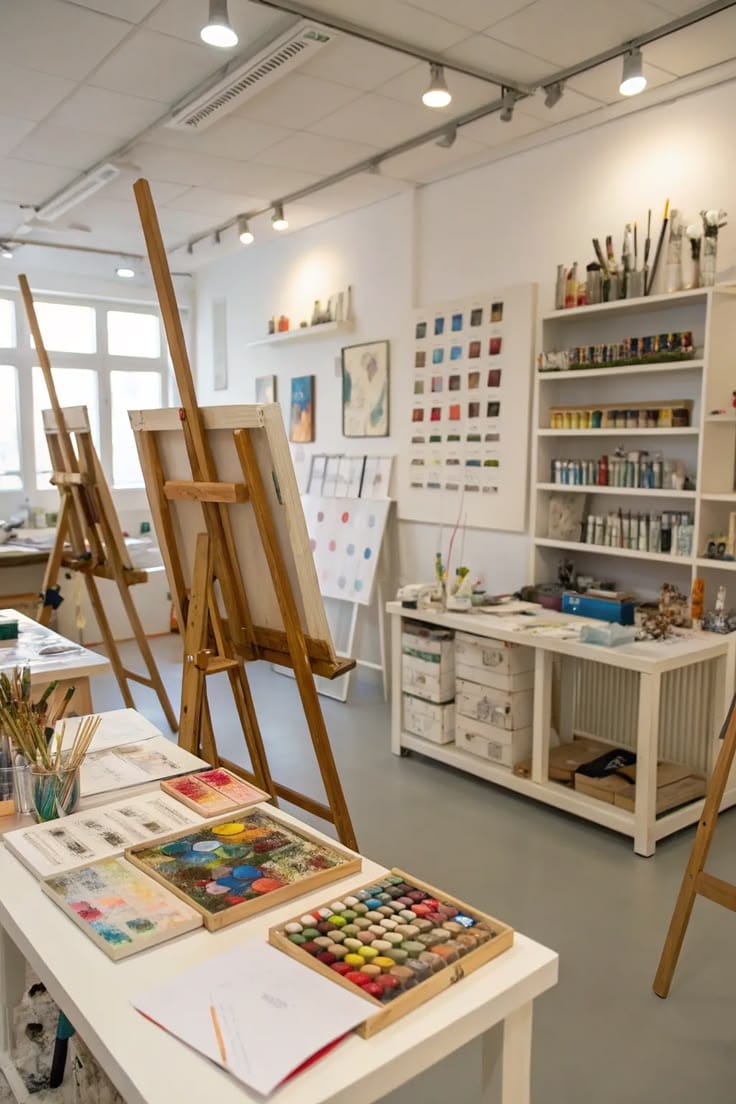
An artist sees possibilities where others see an empty canvas. Today, creativity extends beyond traditional paintings and galleries into homes, cafés, restaurants, offices, and commercial spaces. As a result, original artwork has become an important part of contemporary interior design. From hand-painted murals to sculptural wall details, artistic expression allows people to communicate their personality through their surroundings.
Moreover, thoughtful artwork can connect colours, furniture, lighting, and architectural elements. Instead of following every passing trend, homeowners can choose designs that reflect their individual tastes and experiences.
The Changing Role of Art in Modern Spaces
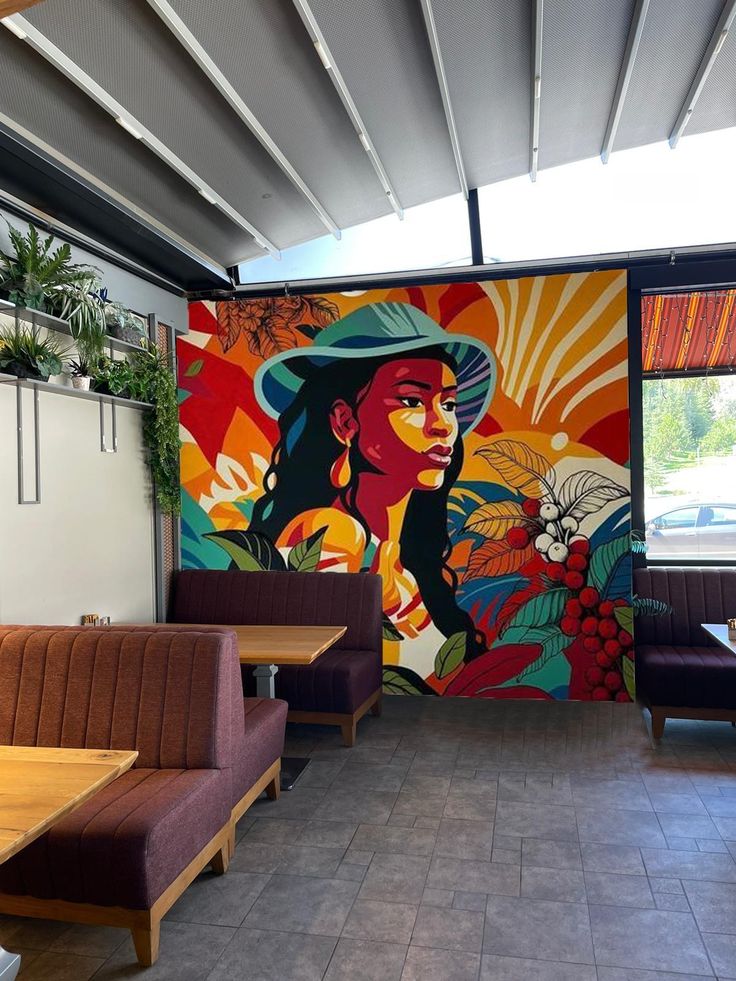
Art has always reflected culture, emotions, and human experiences. However, its role in interior design continues to expand. People increasingly look for distinctive spaces that feel personal rather than predictable. For more details visit to our page.
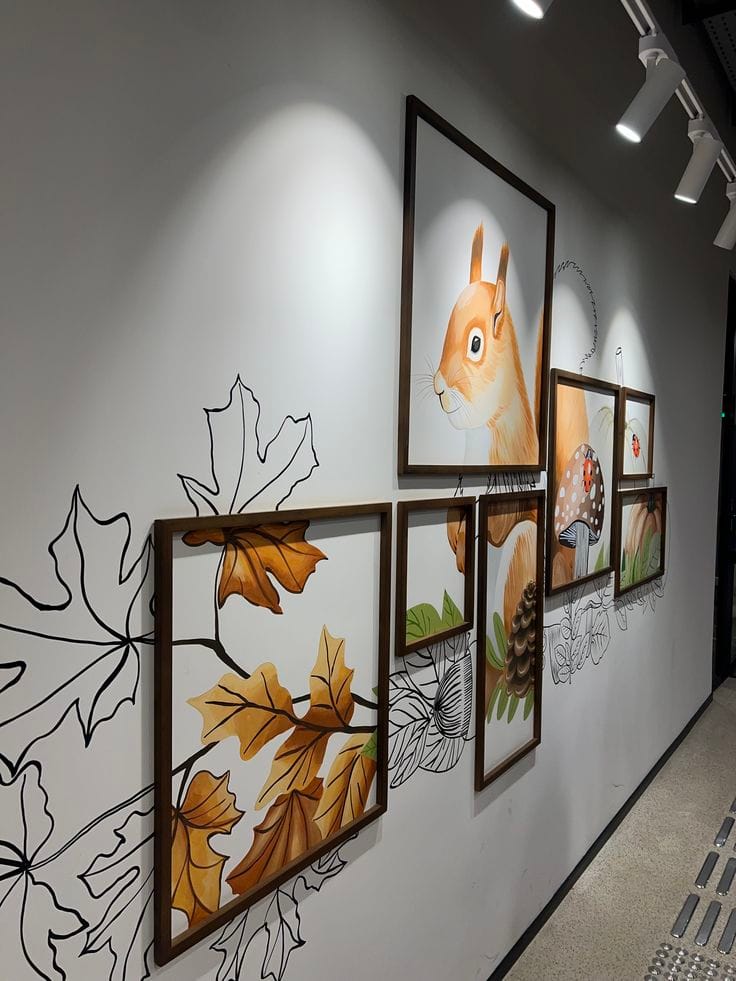
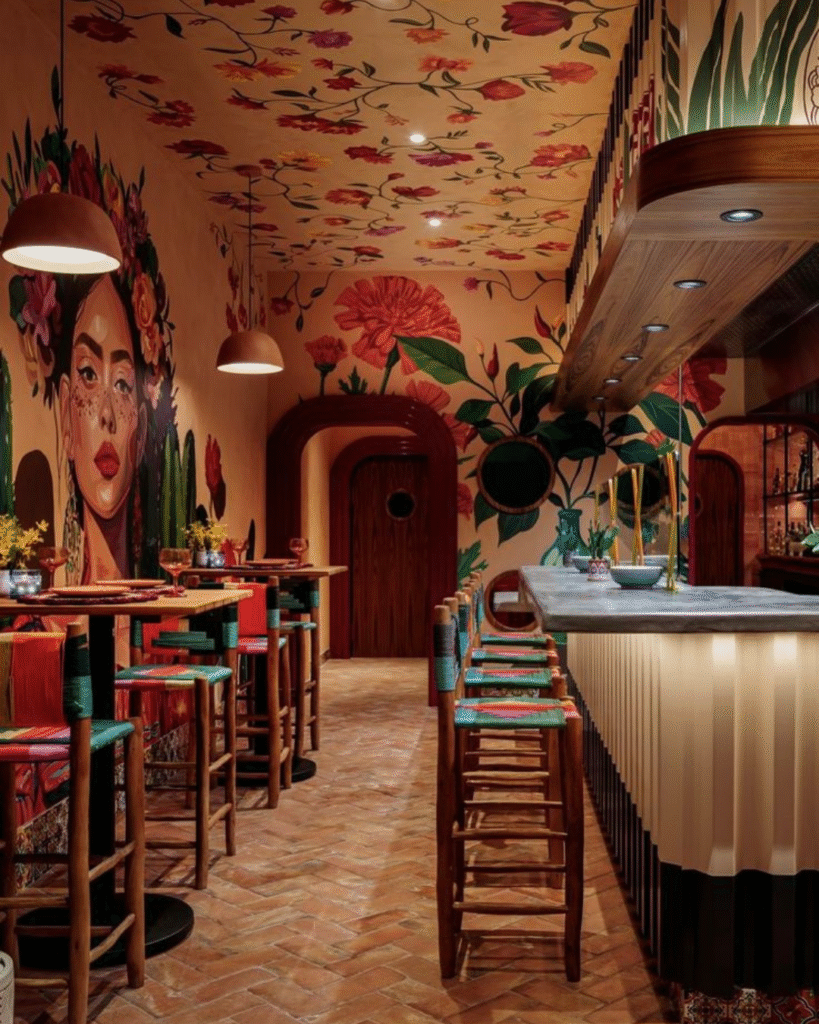
For example, a botanical mural can introduce a natural atmosphere into a living room, while geometric compositions can complement a contemporary office. Similarly, traditional Indian motifs can create a meaningful connection with cultural heritage.
Consequently, artwork now serves both decorative and expressive purposes. The right composition can establish a focal point, create visual balance, and give a room a stronger identity.
Creative Techniques That Make Walls Interesting
Artists work with different materials and techniques to achieve specific visual effects. Therefore, understanding these options helps property owners choose artwork that suits their interiors.
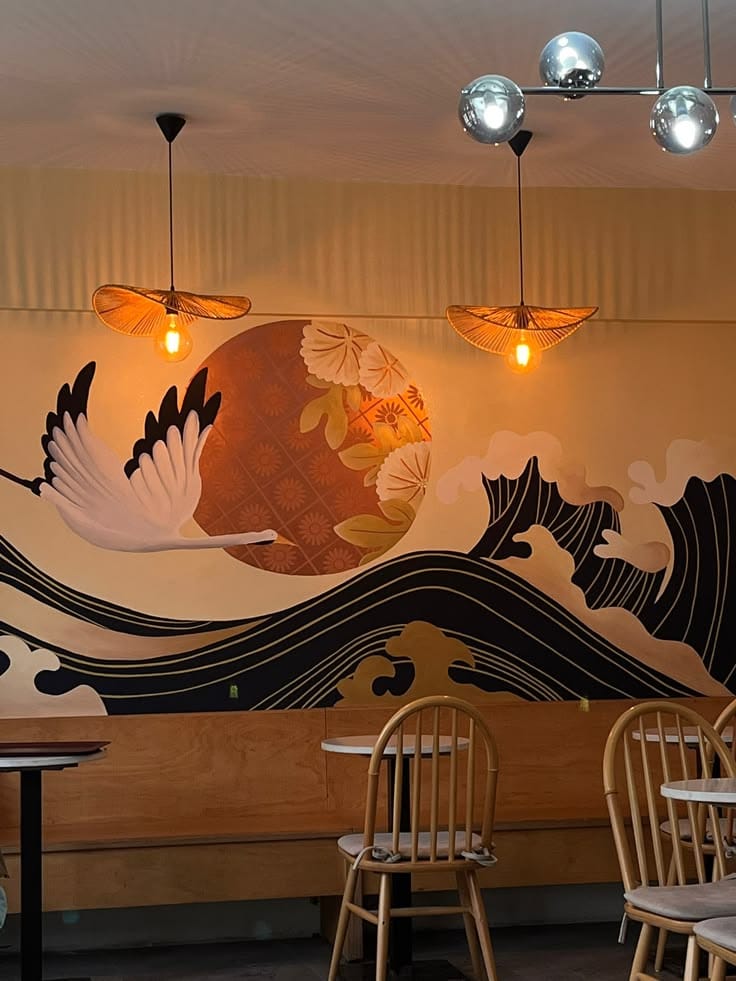
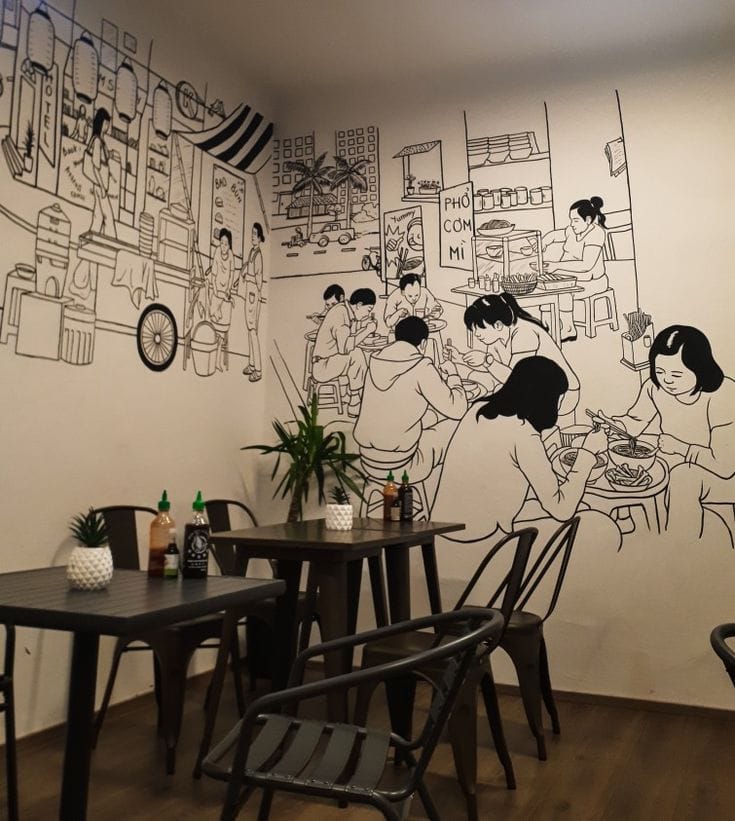
- Hand-painted murals: These designs introduce original illustrations, landscapes, abstract patterns, or culturally inspired imagery directly onto walls.
- Textured wall finishes: Stucco, limewash, Venetian plaster, and metallic finishes create depth through subtle variations in colour and surface.
- Relief artwork: Three-dimensional designs introduce shadows, sculptural forms, and tactile details.
- Abstract compositions: Expressive shapes and contrasting colours offer flexibility for modern residential and commercial interiors.
Furthermore, every technique requires careful planning. Surface preparation, material compatibility, lighting conditions, and the surrounding décor influence the final result.
Choosing Artwork for Different Interiors
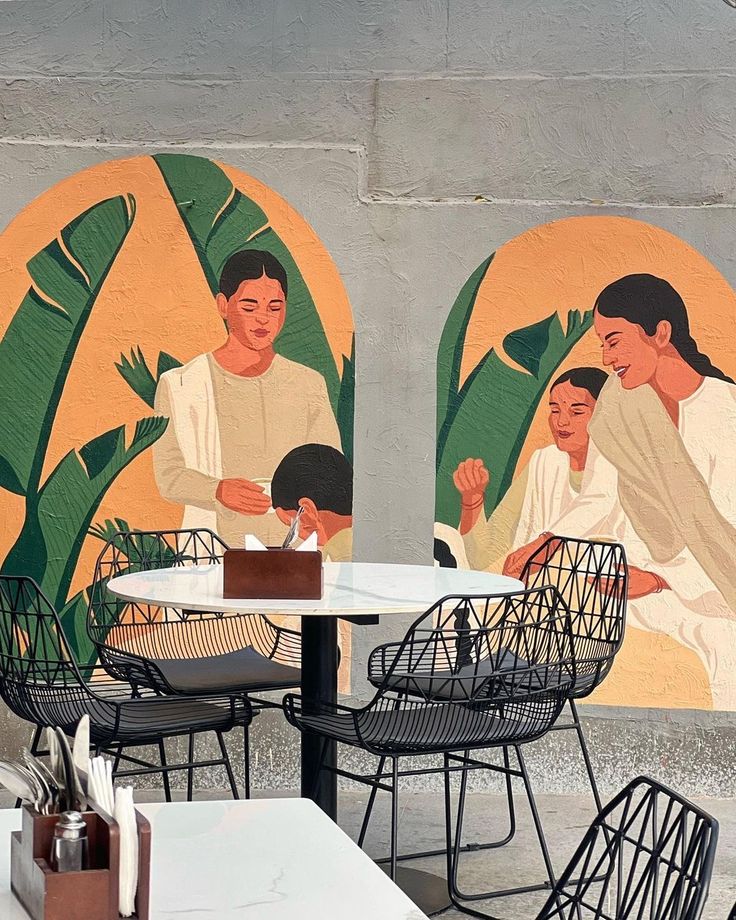
Every space has a different purpose. Accordingly, artwork should respond to the atmosphere people want to create.
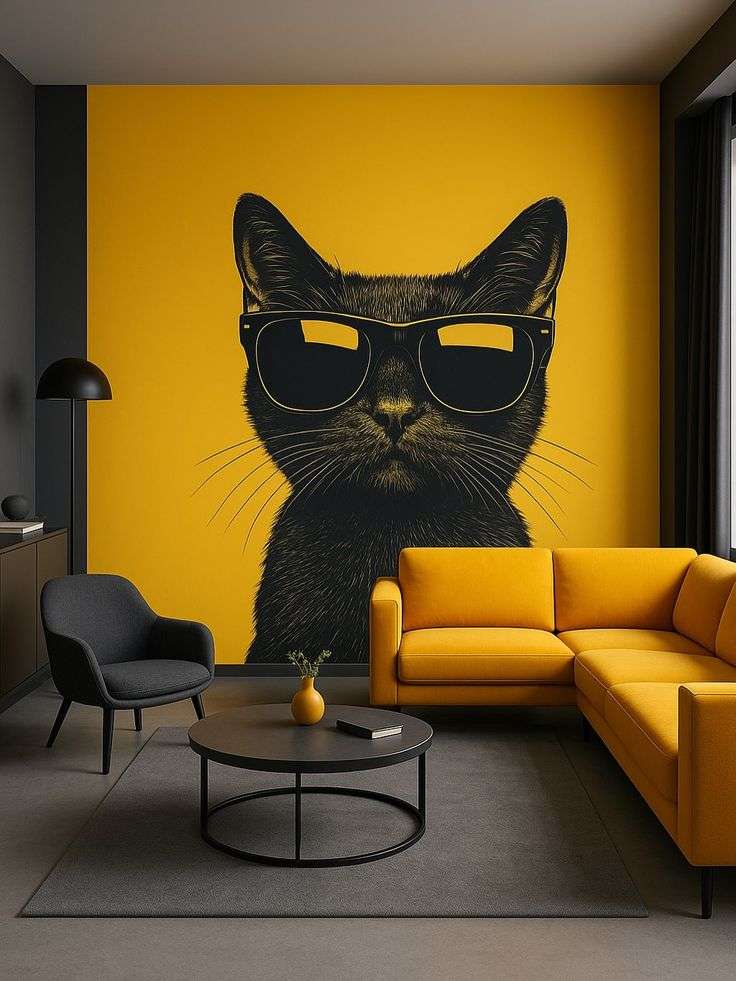
In living rooms, large murals or carefully composed artwork can establish a welcoming focal point. Meanwhile, bedrooms often benefit from softer colours, nature-inspired imagery, and balanced compositions.
For cafés and restaurants, distinctive wall art can reinforce the establishment’s identity and create memorable visual backgrounds. Likewise, offices can use thoughtfully planned artwork to communicate their values and make shared spaces more engaging.
Before selecting a design, consider wall dimensions, furniture placement, natural light, and the existing colour palette. Additionally, discuss your ideas with an experienced professional to determine which materials and techniques suit the site. For more information visit to our site.
Why Original Art Matters
Mass-produced décor offers convenience; however, original artwork provides a different experience. A commissioned piece can reflect a location, a personal memory, a cultural reference, or a specific design brief.
Moreover, collaboration between clients, designers, and artists encourages more thoughtful decisions. Rather than selecting artwork as a final accessory, consider it during the early planning stages of an interior project.
For further inspiration, explore Art UK’s educational page, “What Is a Mural?”, Tate’s “Create Like an Artist” collection, and Artsy’s “7 Interior Designers Share Their Tips on Buying Art for Your Home.” These resources offer useful perspectives on artistic techniques, creative practice, and selecting artwork for interiors.
Conclusion
An artist brings observation, imagination, and technical skill together to create meaningful visual experiences. Whether through a detailed mural, a sculptural relief, or a refined textured finish, original artwork can give an interior a distinctive character.
Ultimately, successful art is not simply about filling an empty wall. It is about choosing colours, forms, and materials that support the purpose of a space while expressing a clear creative vision.
Frequently Asked Questions
What does an artist do in interior design?
An artist develops visual concepts, murals, paintings, and decorative finishes that complement a space’s architecture, purpose, and overall design.
Which artwork is suitable for modern homes?
Abstract paintings, nature-inspired murals, minimalist compositions, and textured wall finishes are popular options. The best choice depends on the room’s size, lighting, and décor.
What is the difference between a mural and a painting?
A painting is usually created on a movable surface, such as canvas or paper. In contrast, a mural is created directly on a wall or another permanent architectural surface.
How do I choose an artist for a wall mural?
Review previous projects, examine material quality, discuss your design requirements, and request a written quotation covering surface preparation, materials, labour, and finishing.
Can wall art be customised for commercial spaces?
Yes. Artists can develop site-specific designs for cafés, restaurants, offices, retail spaces, and hospitality interiors to complement their branding and architectural character.
Latest Posts
Luxury Wall Murals: Bespoke Art for Sophisticated Interiors
Luxury wall murals are becoming a preferred choice for homeowners who want interiors with individuality, artistic depth, and lasting visual […]
Luxury Wall Design: Refined Textures, Artistic Murals and Modern Elegance
Luxury wall design is becoming an essential part of contemporary interiors. Rather than relying only on expensive furniture, homeowners are […]
Art Studio: Where Creative Ideas Become Original Works of Art
An art studio is more than a room filled with brushes, colors, and canvases. It is a creative workspace where […]
Painting Studio in Kolkata: Where Art Meets Interior Spaces
A painting studio is no longer limited to canvases, easels, and framed artwork. Today, creative studios are increasingly connected with […]
Wall Artist: The Craft Behind Meaningful Wall Art
A wall artist does more than apply paint to a large surface. Instead, the artist studies the space, understands its […]
Mural Designers Near Me: How to Choose the Right Wall Artist
Finding mural designers near me has become easier with online search, social media portfolios, and local business listings. However, choosing […]
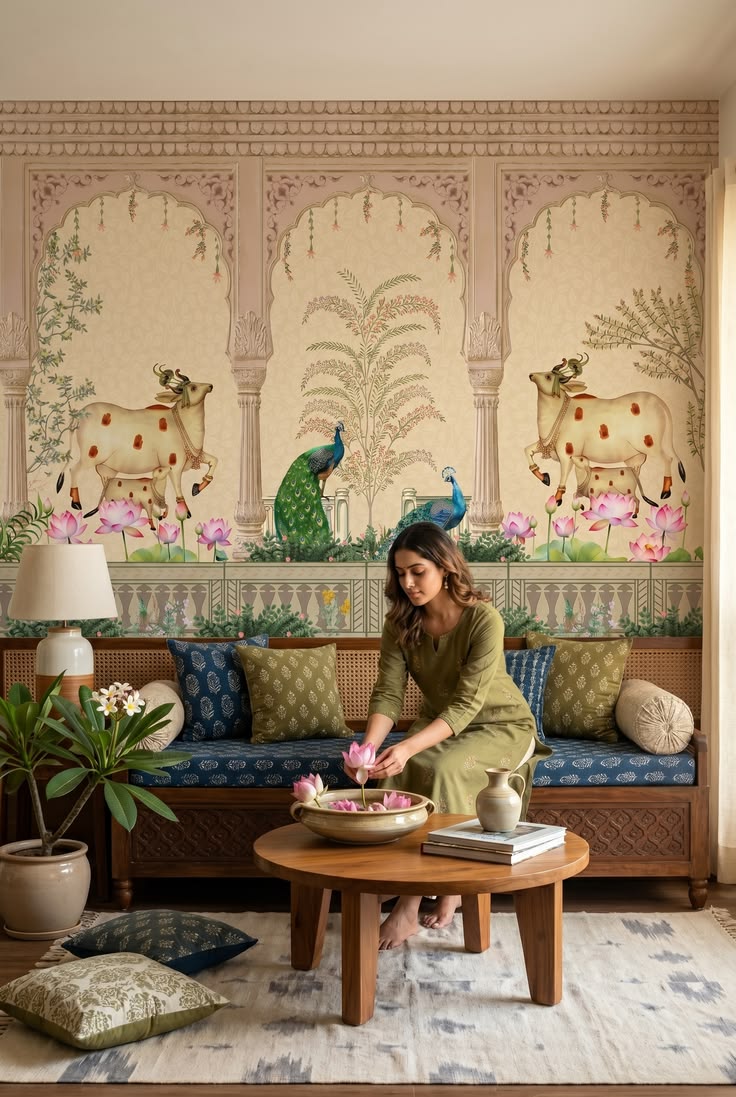
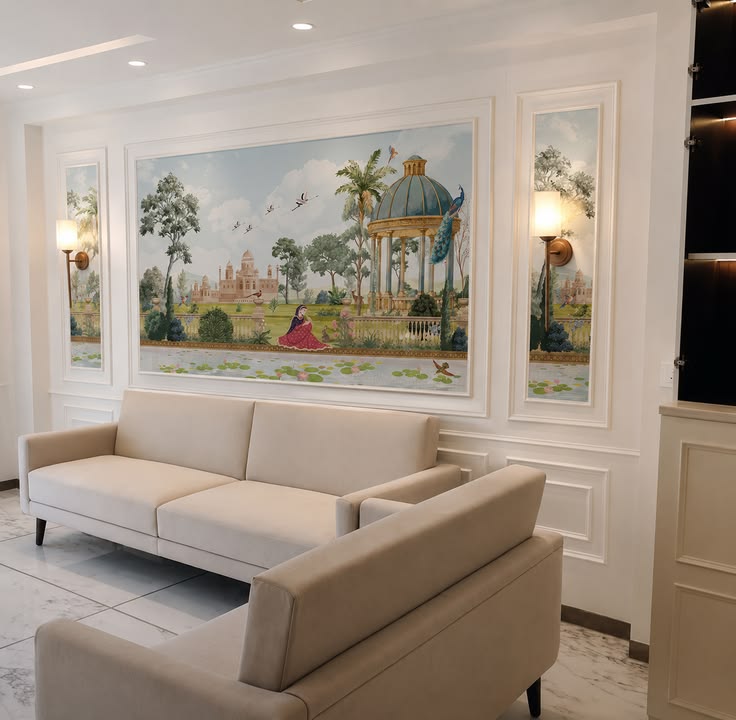
I’ve tried a few sites recently but this one is definitely smoother. The interface is clean and the wins feel fair. Highly recommend checking out idslotaladin if you want a reliable spot.
This site is a hidden gem. The rewards system is very generous for new players. I am loving my time on idlogika300.