
Choosing the best wall art designs for small rooms versus large spaces can completely change how a room feels. However, selecting artwork is not only about personal taste. The size of the room, wall dimensions, lighting, and furniture arrangement should also be considered. As a result, the right wall art creates harmony while making every corner look thoughtfully designed.
Although trends continue to change every year, timeless design principles still help homeowners make better choices. Therefore, understanding what works in compact rooms and what suits spacious interiors can save both time and money.
Why Room Size Matters Before Choosing Wall Art
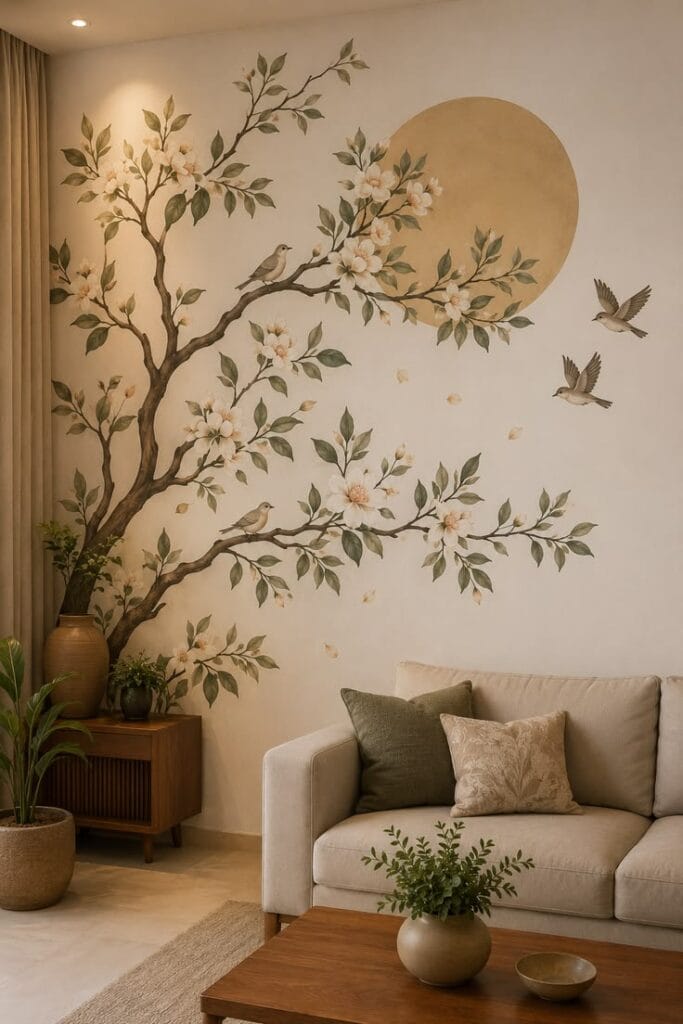
Wall art should always complement the proportions of a room. A tiny painting on a massive wall often looks disconnected. Likewise, an oversized mural in a compact bedroom may make the room feel crowded.
Before buying or commissioning artwork, measure the available wall space carefully. In addition, observe how natural and artificial light interacts with the wall throughout the day. These factors influence how colours and textures appear after installation.
Experts at the National Gallery of Art discuss how scale and composition affect visual balance:
https://www.nga.gov
Similarly, interior inspiration can be explored on Architectural Digest:
https://www.architecturaldigest.com
Smart Wall Art Ideas for Compact Interiors
Small rooms benefit from artwork that creates visual openness instead of visual weight. Consequently, lighter colours and balanced compositions often perform better. You can also get more information through our contact us page.
Some excellent choices include:
- Vertical artworks that draw the eye upward.
- Minimal line art with clean backgrounds.
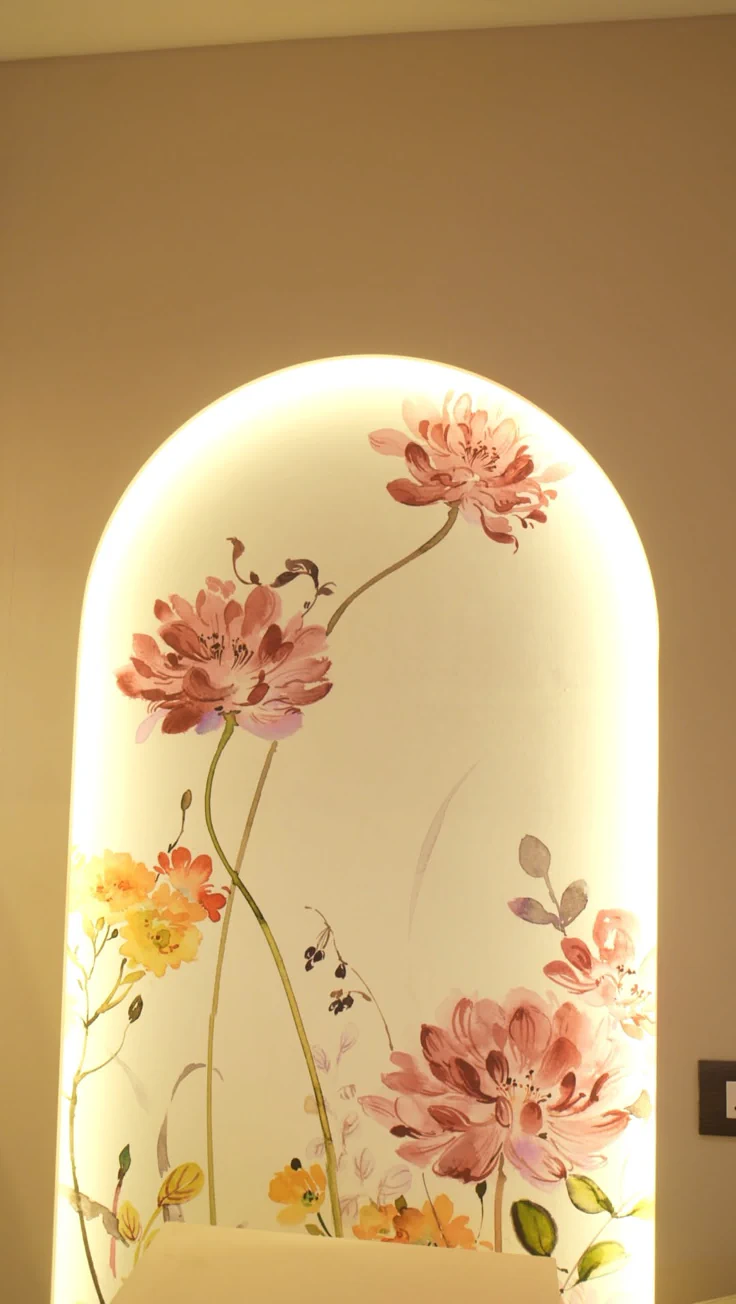
- Botanical illustrations with soft colour palettes.
- Mirrors combined with framed artwork.
- Small gallery walls arranged in neat grids.
Furthermore, keeping consistent frame colours creates a more organised appearance. White, natural wood, and slim black frames usually blend well with different interiors.
Another useful idea involves leaving enough empty wall space around each artwork. Consequently, every piece receives attention without overwhelming the room.
Choosing Artwork for Open and Spacious Rooms
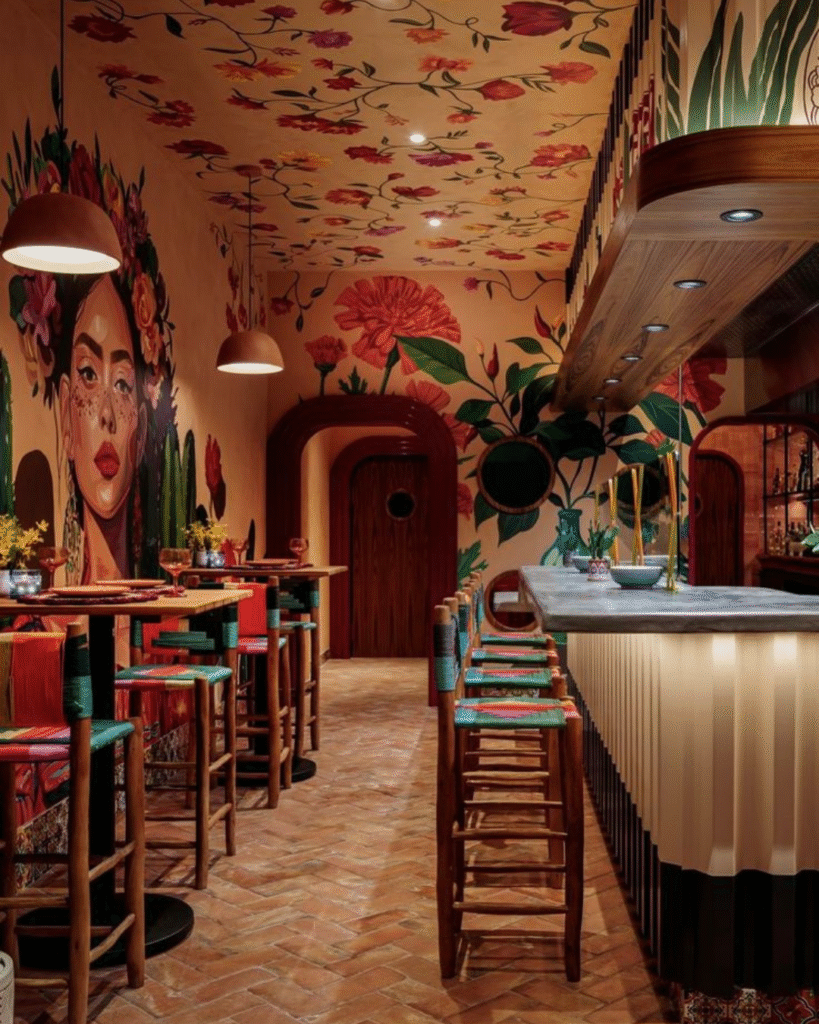
Large rooms offer much greater creative freedom. Therefore, homeowners can experiment with dramatic compositions and larger statement pieces.
Popular options include:
- Oversized hand-painted murals.
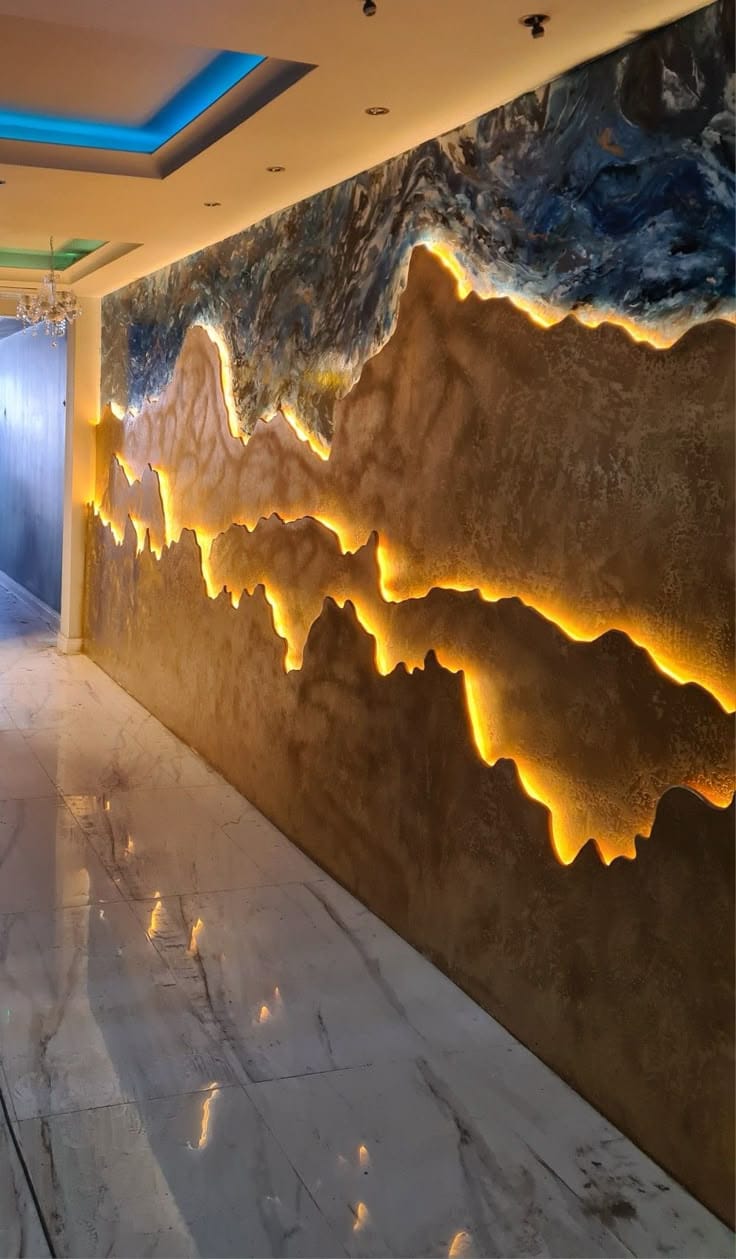
- Textured wall art with depth.
- Large abstract paintings.
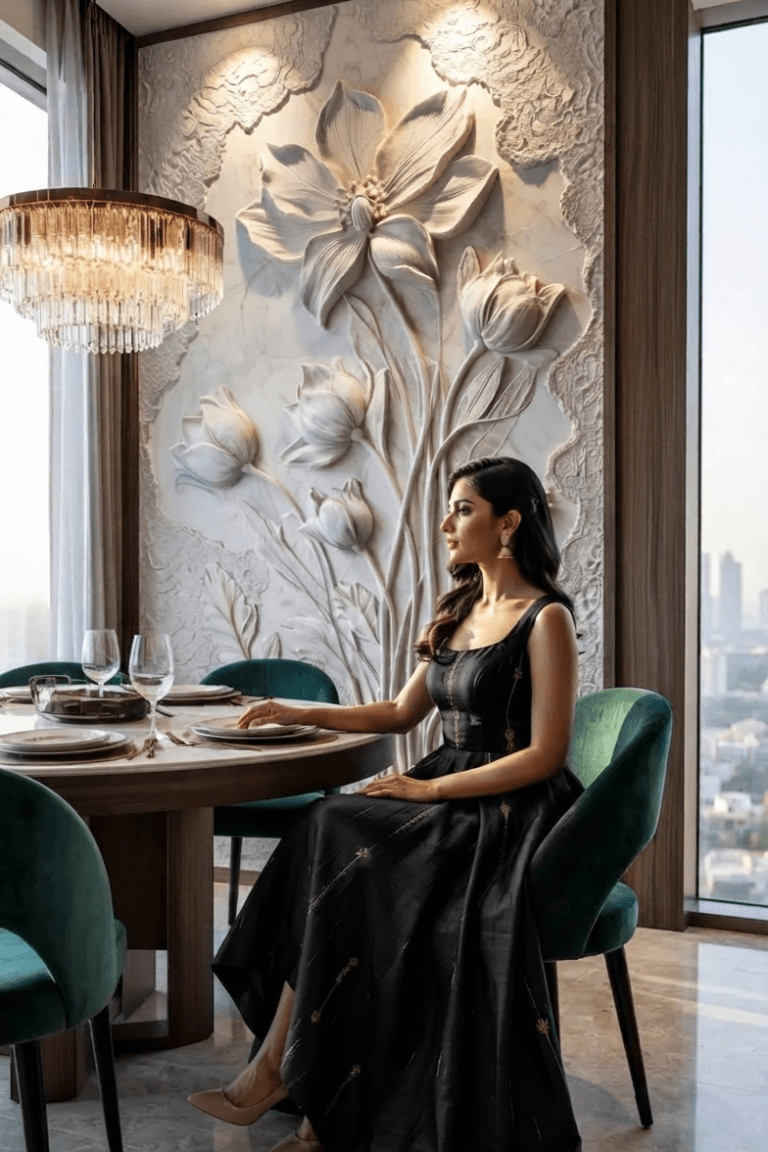
- Relief artwork.
- Multi-panel canvas collections.
In addition, wide walls often benefit from horizontal compositions because they visually balance expansive spaces.
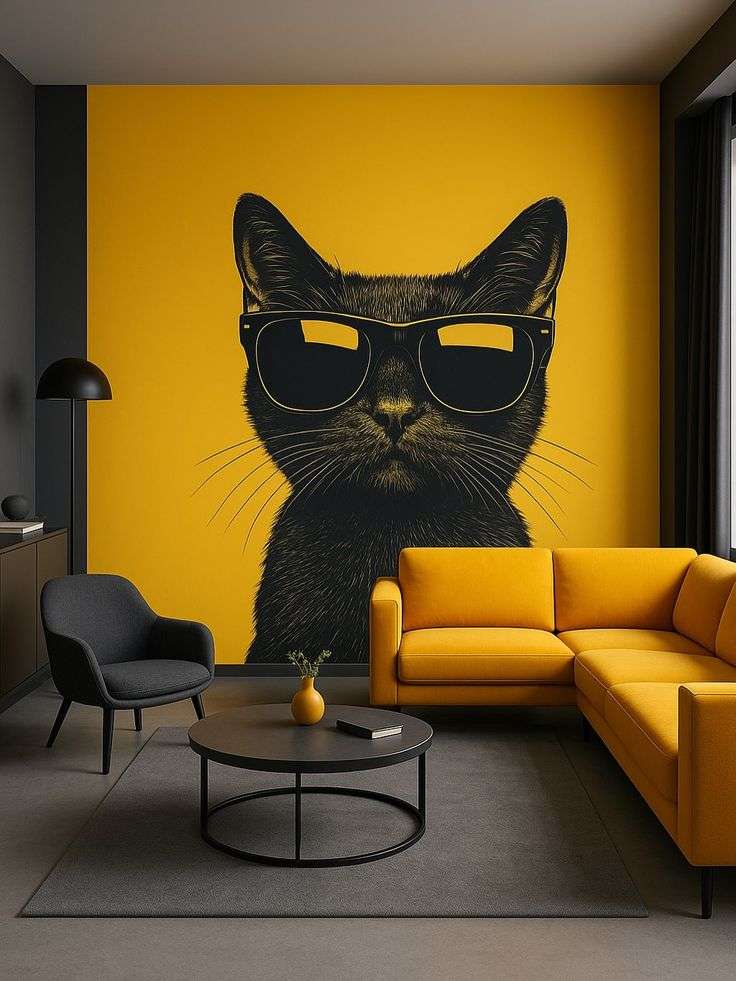
Instead of placing several unrelated pieces together, consider selecting one dominant artwork. Afterwards, complementary décor elements can be added without creating unnecessary clutter.
Colour Selection Makes Every Design More Effective
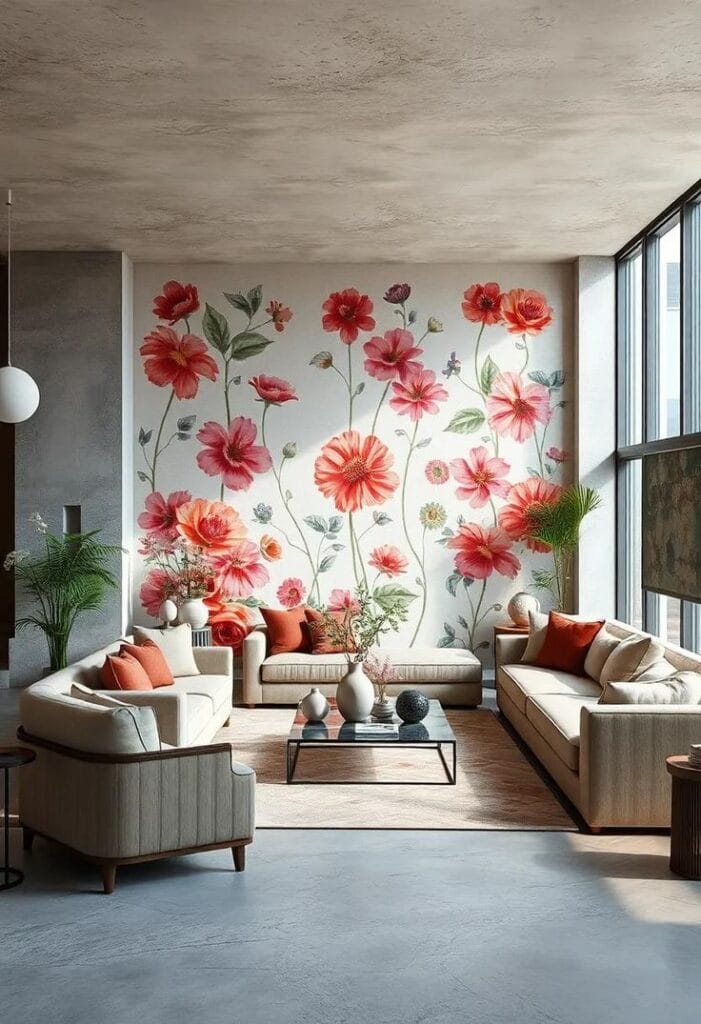
Colour influences how large or small a room appears. Therefore, selecting the right palette remains just as important as choosing the artwork itself.
For smaller rooms:
- Soft beige
- Warm white
- Sage green
- Light grey
- Muted blue
For larger spaces:
- Deep charcoal
- Forest green
- Terracotta
- Navy blue
- Rich earthy neutrals
Moreover, artwork should coordinate with flooring, curtains, cushions, and furniture finishes. A consistent colour story creates a polished interior.
Texture Can Add Character Without Overcrowding
Paintings are not the only option available today. Instead, textured finishes have become increasingly popular because they introduce depth without requiring additional décor.
Some trending choices include:
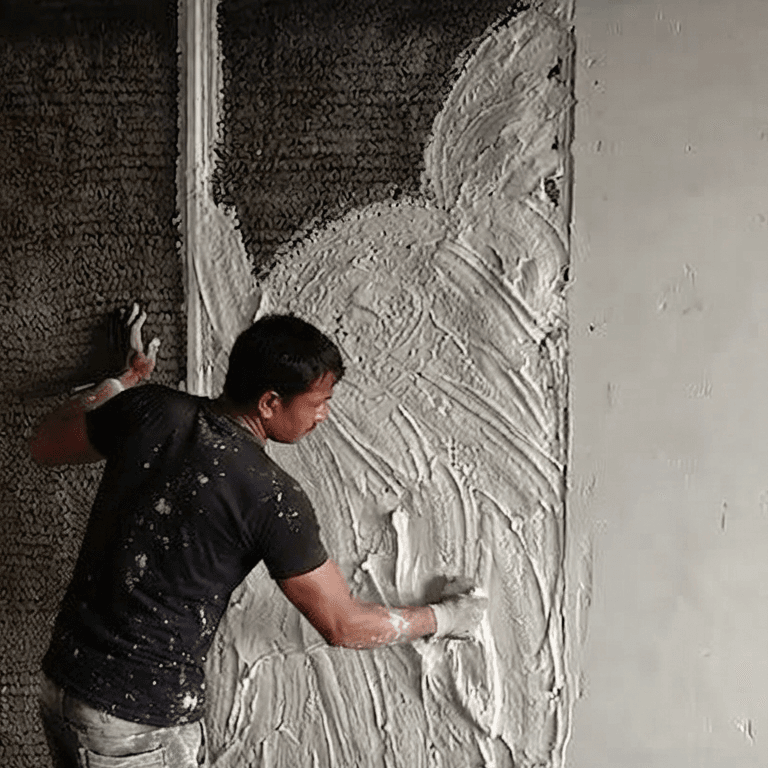
- Lime plaster finishes
- Venetian plaster textures
- Concrete-inspired textures
- Metallic highlights
- Handcrafted relief panels
Although bold textures suit feature walls, subtle finishes often work better throughout an entire room. Consequently, balance remains the key to achieving a refined appearance.
Common Mistakes Homeowners Should Avoid
Many beautiful artworks lose their impact because of simple planning mistakes.
Avoid these common errors:
- Hanging artwork too high.
- Choosing artwork that is too small.
- Ignoring furniture proportions.
- Mixing unrelated design styles.
- Using excessive decorative pieces on one wall.
Instead, maintain proper spacing between furniture and artwork. As a result, the room feels organised and visually comfortable.
Useful decorating principles can also be explored through House Beautiful:
https://www.housebeautiful.com
Final Thoughts
Selecting the best wall art designs for small rooms versus large spaces requires more than following current trends. Room dimensions, colour selection, texture, lighting, and scale should all work together. Therefore, thoughtful planning creates interiors that remain visually pleasing for years.
Whether decorating a compact apartment or a spacious living room, carefully chosen wall art adds personality while maintaining balance. Most importantly, choosing artwork that complements the room instead of competing with it creates lasting visual appeal.
Frequently Asked Questions
What wall art works best in small rooms?
Minimal artwork, vertical pieces, botanical prints, mirrors, and organised gallery walls usually work best because they create a lighter appearance.
Is oversized wall art suitable for large living rooms?
Yes. Large statement artwork often creates a strong focal point while maintaining proportion within spacious interiors.
Which colours make a small room look bigger for wall art rooms?
Soft neutrals, warm whites, light greys, muted blues, and sage greens generally make compact rooms appear more open.
Are textured wall finishes still popular wall art rooms?
Yes. Lime plaster, Venetian plaster, concrete textures, and handcrafted relief finishes continue to remain popular in contemporary interiors.
How high should wall art be hung wall art rooms?
Artwork is generally displayed with its centre positioned around eye level for the most comfortable viewing experience.
Latest Posts
8 Tips for Outdoor Mural Relief Walls That Last (2026)
An outdoor mural relief turns a plain exterior wall into a striking, three-dimensional feature — but only when it’s planned […]
What Materials Are Used for Mural Relief?
Mural relief materials play an important role in determining the depth, strength, texture, and finish of three-dimensional wall art. Mural […]
How Much Do Wall Murals Cost? A Complete Guide for Every Space
Wondering about the wall mural cost before starting your project? A mural is a custom artwork painted directly onto a […]
What Wall Preparations Should Be Made Before You Come to Paint the Mural?
A beautiful mural begins long before the first brushstroke. In fact, wall preparation before mural painting plays a major role […]
Where to Buy Residential Wall Murals: A Practical Guide for Homeowners
Choosing residential wall murals is no longer limited to visiting a local décor shop. Today, homeowners can explore painted murals, […]
How Do Lighting Effects Impact Relief Murals?
Relief mural lighting plays an important role in showing the depth, texture, and details of three-dimensional wall art. However, their […]
The VIP treatment here is real. I feel like a valued player every time I log in. Cheers to pkrspinvip for the amazing support.
This place has a fantastic atmosphere and the graphics are stunning. It feels more like a high-end casino than just a website. Enjoy ji8888game
Really impressed with the variety of betting options available. It is easy to navigate even for beginners. I’m sticking with 2nnbet for my weekend games.