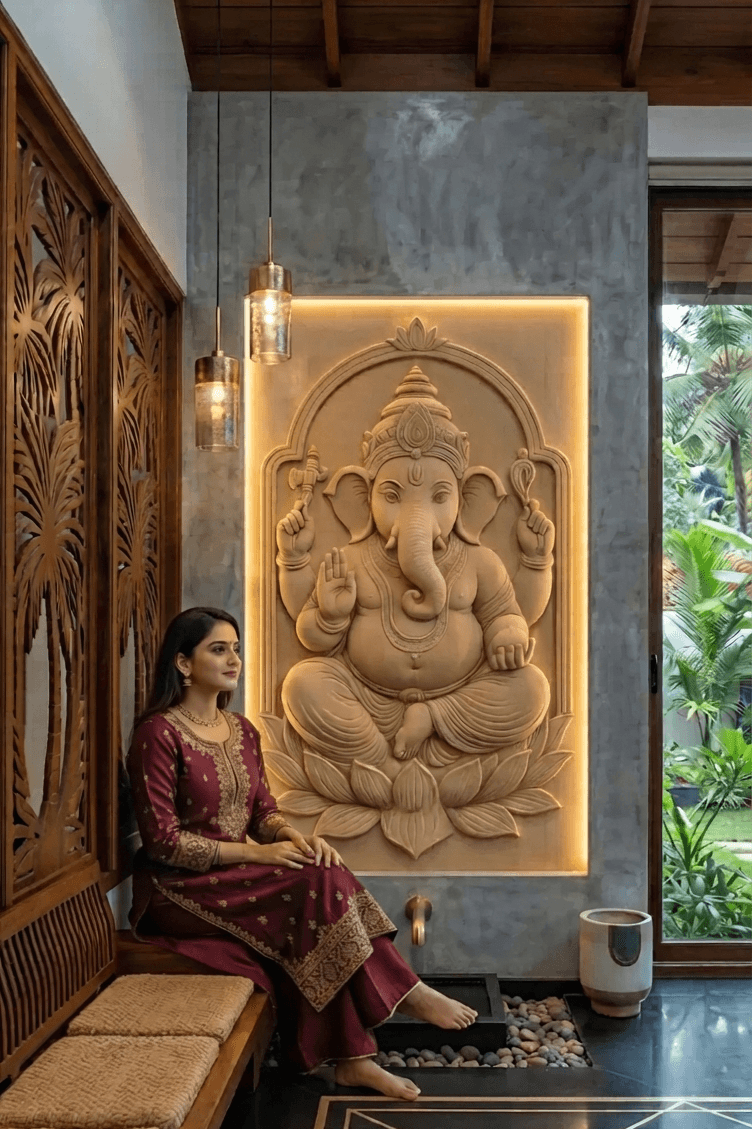
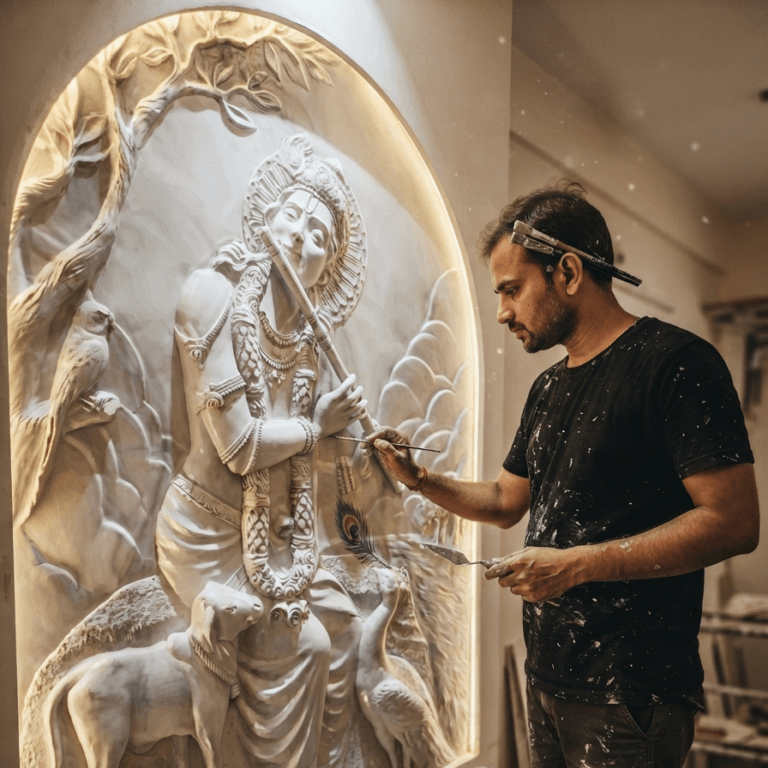
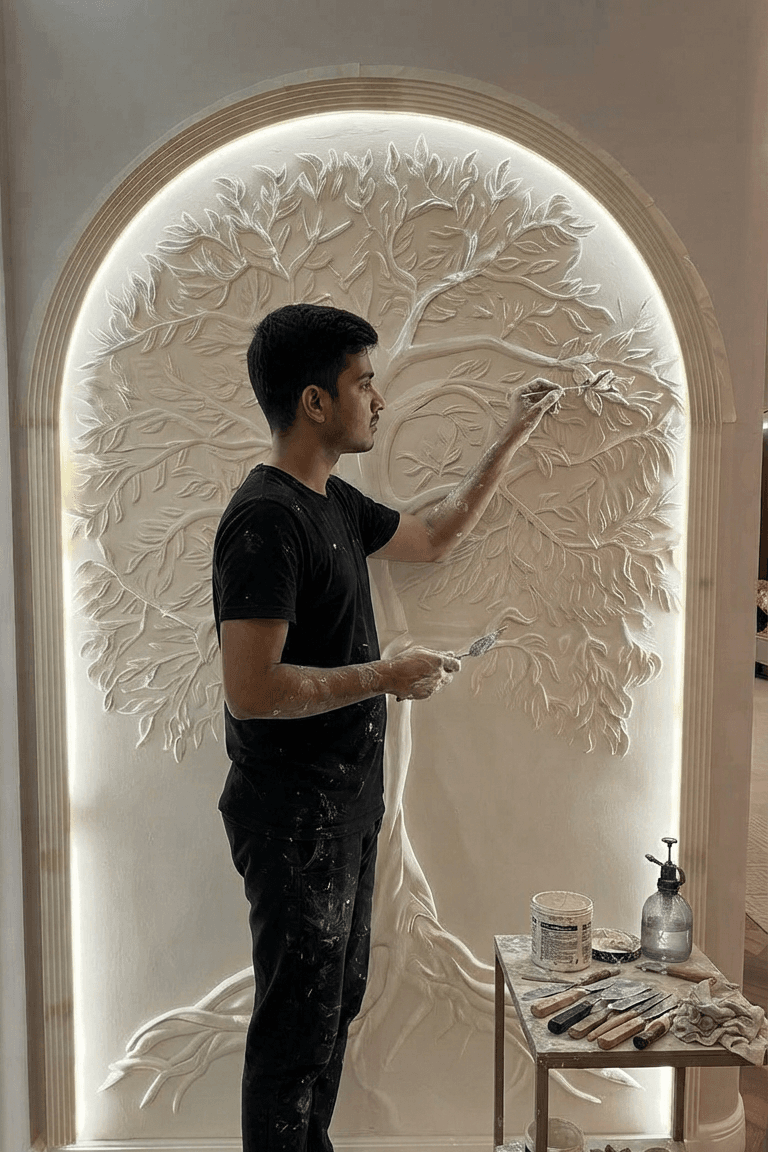
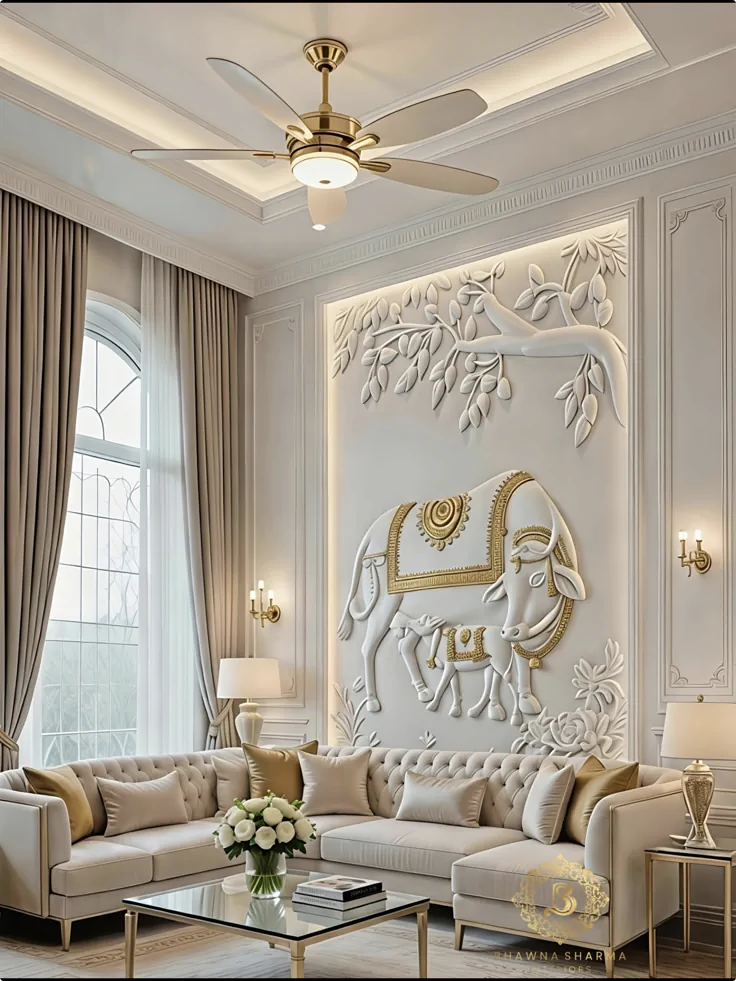
What materials are used to make a mural relief? This is one of the most common questions asked by homeowners, architects, and interior designers planning decorative wall art. The materials used to make a mural relief usually include cement compounds, Plaster of Paris (POP), gypsum plaster, polymer-modified mortar, fiber reinforcement, acrylic bonding agents, texture pastes, primers, sealers, and protective coatings. Each material serves a specific purpose, from creating the raised structure to improving durability and surface protection. Choosing the right materials ensures the mural relief remains attractive, stable, and long-lasting in both indoor and outdoor environments.
Each material serves a different purpose. Some create the raised structure, while others improve adhesion, prevent cracks, or protect the finished artwork from moisture and dust. Therefore, choosing suitable materials is as important as the artistic design itself.
Understanding the Core Materials
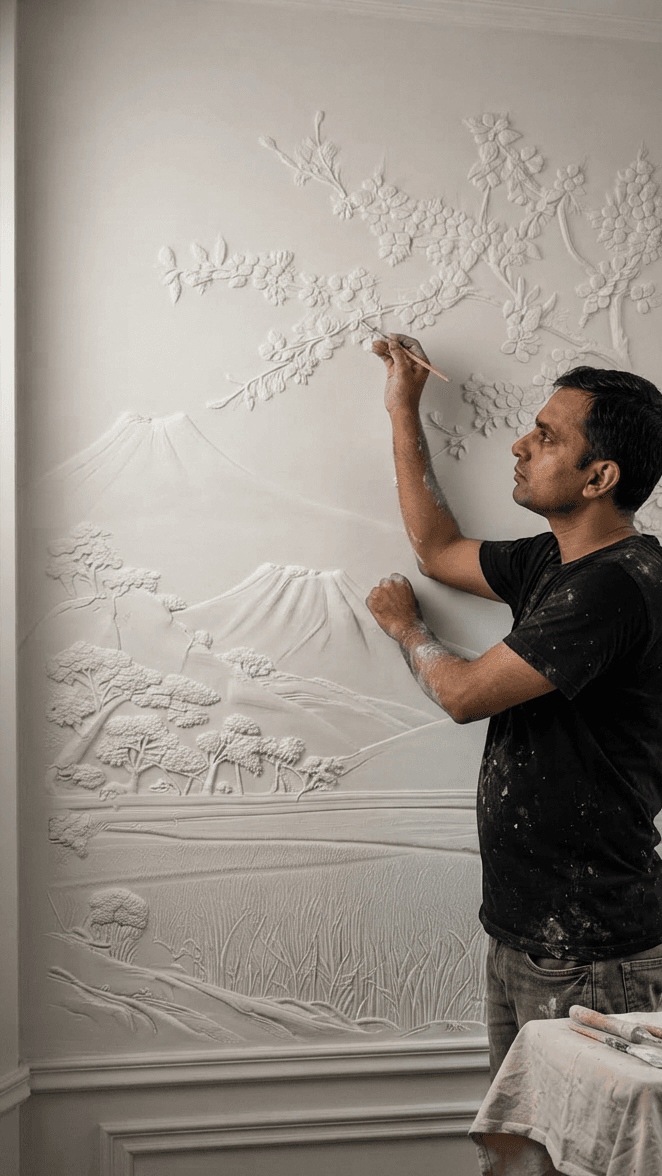
A mural relief combines artistic craftsmanship with construction materials. Consequently, every layer contributes to the final appearance. you can visit to our gallery page.
Cement-Based Compounds
Moreover, they resist weather changes and provide a solid foundation for large-scale artwork.
Plaster of Paris (POP)
It allows artists to carve intricate details with ease. Furthermore, it dries quickly, making the sculpting process more efficient.
Gypsum Plaster
Gypsum produces a smoother finish than traditional cement.
Polymer Mortars
Modern relief murals often include polymer additives. These improve flexibility, reduce shrinkage, and increase bonding strength. Therefore, the finished artwork remains more stable over time.
Additional Materials That Improve Performance
Several supporting materials help increase durability and finish quality.
- Acrylic bonding agents
- Texture pastes
- Fiber mesh reinforcement
- Metal framework for large installations
- Waterproof primers
- Protective sealers
- Exterior-grade paints
- Clear protective coatings
Consequently, the mural performs better in different environmental conditions.
Why Material Selection Matters
Selecting appropriate materials affects more than appearance.
A good material combination helps:
- Increase durability
- Improve crack resistance
- Handle moisture effectively
- Support detailed sculpting
- Reduce maintenance
- Extend artwork lifespan
Common Dimensions for Relief Murals
| Installation Type | Typical Thickness |
|---|---|
| Light Relief | 10–20 mm |
| Medium Relief | 20–40 mm |
| Deep Relief | 40–80 mm |
| High Sculptural Relief | 80–150 mm or more |
Wall dimensions vary according to residential and commercial requirements. Consequently, material quantity also changes with the design depth.
Indoor and Outdoor Material Differences
Indoor murals generally focus on finer artistic details. Therefore, POP and gypsum remain popular choices.
Outdoor murals require higher durability.
How Long Do Relief Mural Materials Last?
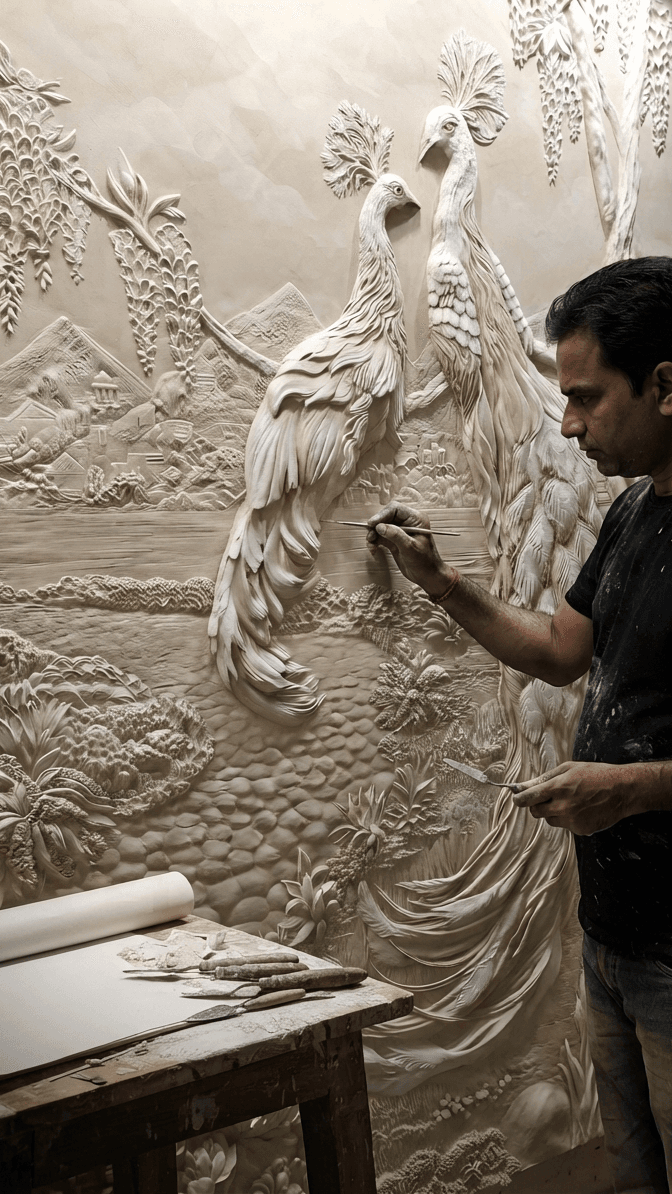
When quality materials are installed correctly, relief murals can remain attractive for many years.
Approximate lifespan:
- Interior murals: 15–25 years
- Exterior murals: 10–20 years
- Protected commercial installations: even longer with periodic maintenance
Regular cleaning and occasional resealing help preserve the finish. Additionally, proper installation reduces future repair requirements.
Helpful Resources for Learning More
If you’d like to understand the materials and techniques in greater depth, these resources are useful:
- Getty Conservation Institute – Conservation of Wall Paintings
https://www.getty.edu/conservation/ - Britannica – Relief Sculpture
https://www.britannica.com/art/relief-sculpture - The Spruce – Types of Plaster and Wall Finishes
https://www.thespruce.com/
Related topics worth exploring include:
- Relief Sculpture vs Wall Mural
- Interior Decorative Plaster Guide
- Types of Wall Texture Finishes
- Cement Art for Interior Walls
- Decorative Wall Coating Materials
- Exterior Wall Protection Systems
Conclusion
Cement compounds, POP, gypsum, polymers, reinforcement materials, and protective coatings each contribute to durability and appearance. Therefore, selecting materials based on wall conditions, project size, and exposure ensures better long-term performance while maintaining artistic quality.
Frequently Asked Questions
What materials are used to make a mural relief materials ?
The most common materials include cement compounds, POP, gypsum plaster, polymer mortar, acrylic binders, reinforcement mesh, primers, sealers, and protective coatings.
Which material is best for outdoor relief murals materials?
Cement-based compounds combined with waterproof sealers and polymer additives are generally preferred because they withstand weather more effectively.
Is POP suitable for relief murals materials?
Yes. POP works well for indoor relief murals where fine detailing and lightweight construction are required.
How thick is a relief mural?
Most relief murals range between 10 mm and 150 mm, depending on the artistic depth and structural requirements.
How long do relief murals materials last?
With proper installation and maintenance, indoor relief murals often last 15–25 years, while outdoor installations commonly last 10–20 years.
Can relief murals be painted?
Yes. Relief murals are typically painted using acrylic or exterior-grade paints after the sculpted surface has fully cured.
Are protective coatings necessary?
Yes. Protective coatings help resist dust, moisture, stains, and UV exposure, especially for outdoor installations.
Latest Posts
How Much Do Wall Murals Cost? A Complete Pricing Guide
Wall murals have become one of the most popular ways to personalize interiors in homes, cafés, offices, hotels, and retail […]
Where to Buy Residential Wall Murals: A Practical Guide for Homeowners
A residential wall mural is more than a decorative feature. It reflects your personality, complements your interior style, and creates […]
How Do Lighting Effects Impact Relief Murals?
Relief murals offer more than decorative value because they create a three-dimensional experience on walls. However, their true beauty depends […]
What Exactly Is a Mural Relief or 3D Relief Mural?
What exactly is a mural relief or 3D relief mural? This question is becoming increasingly common as homeowners, architects, and […]
What Is a Mural Relief?
Walls no longer need to remain plain surfaces. Instead, they can become artistic features that add character, texture, and depth […]
Difference Between a Mural, a Wall Painting, and a Mural Relief
Walls play a major role in interior and exterior design, but many people are unsure about the difference between a […]