
Relief mural lighting plays an important role in showing the depth, texture, and details of three-dimensional wall art. However, their true beauty depends on one important factor—lighting. Many homeowners, architects, and interior designers often ask, how do lighting effects impact relief murals? The answer lies in the interaction between light, shadow, texture, and viewing angles.
Unlike flat wall art, relief murals react differently throughout the day. Natural sunlight, warm ambient lighting, or focused spotlights can completely change how the artwork appears. Therefore, understanding the relationship between lighting and relief murals helps achieve the desired visual effect while improving the overall interior atmosphere.
Why Light Matters for Three-Dimensional Wall Art for Relief Mural lighting
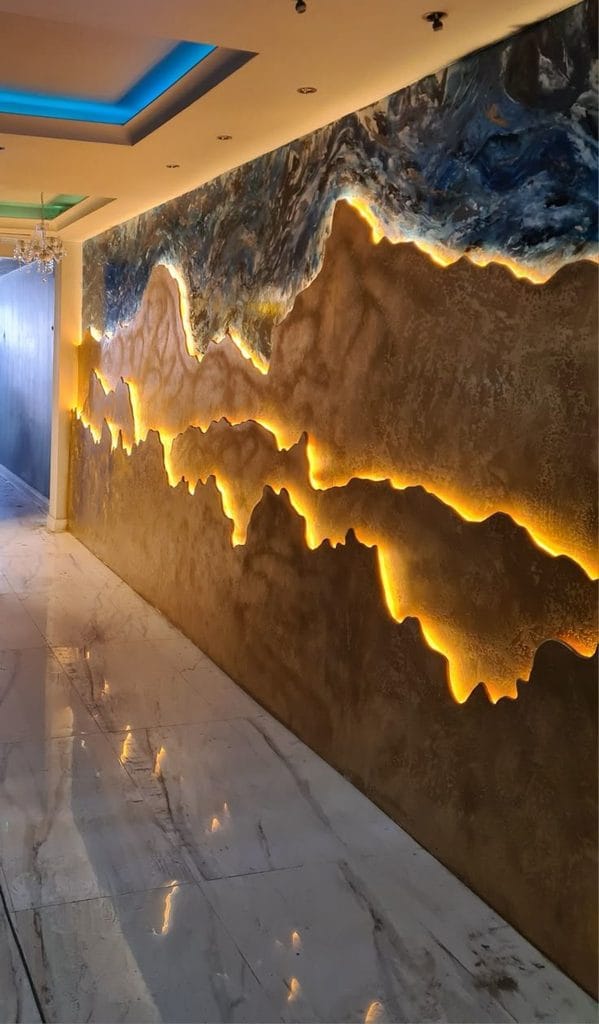
A relief mural is designed with raised surfaces, grooves, and varying depths. Consequently, light creates shadows that reveal these details more clearly. Without proper lighting, many artistic elements may remain unnoticed. you can also visit to our pricing page for more details.
Moreover, directional lighting highlights the craftsmanship behind every carved surface. Even subtle textures become more noticeable when light falls from the correct angle. As a result, the mural appears richer and visually engaging.
Interior designers frequently plan lighting before installing relief artwork because placement affects the final appearance. Proper planning also prevents flat or dull-looking walls for relief mural lighting.
Wall Grazing Creates Stronger Texture
Natural daylight changes throughout the day. Therefore, relief murals constantly present different visual experiences for relief mural lighting.
Morning sunlight often produces softer shadows, while afternoon light creates stronger contrast. During sunset, warm tones add depth and highlight textures in unique ways. Consequently, the same mural can appear different every few hours.
However, excessive direct sunlight should be controlled because prolonged UV exposure may affect certain surface finishes over time. Window treatments or UV-filtering glass can help reduce this impact.
Soft Washing Gives a Balanced Appearance
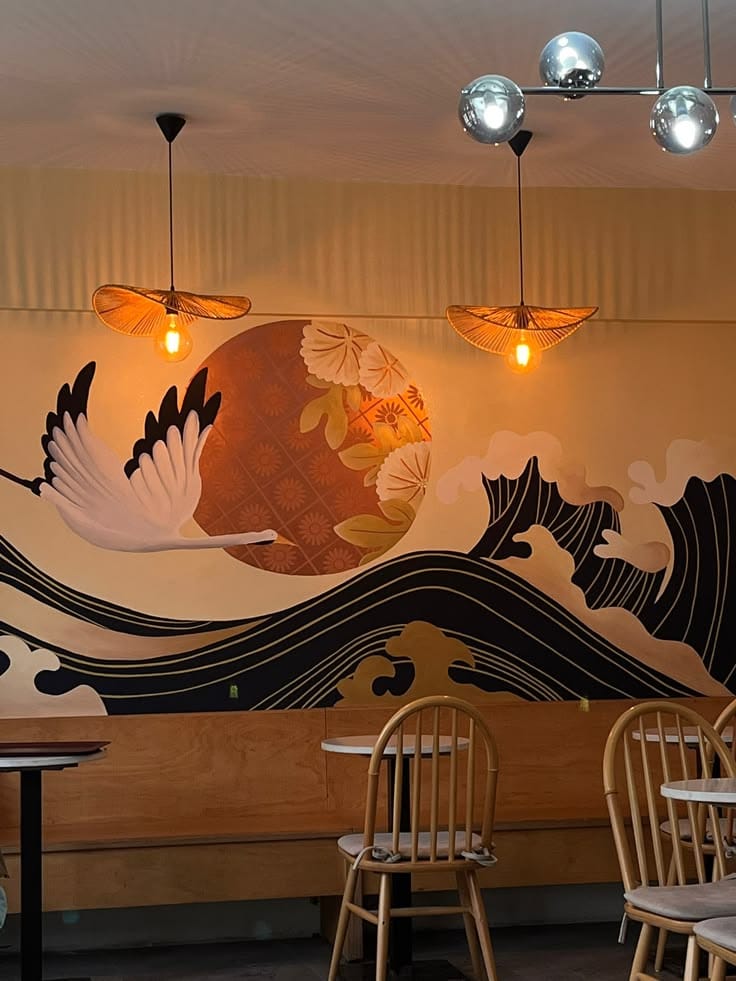
Artificial lighting allows complete control over how relief murals are displayed. Recessed lights, wall washers, and adjustable spotlights are commonly selected because they emphasize depth without overwhelming the artwork for relief mural lighting.
For example:
- Spotlights create dramatic shadows.
- Wall washers provide balanced illumination.
- LED strip lighting highlights architectural edges.
- Adjustable track lights allow flexible positioning.
Furthermore, dimmable lighting makes it easier to create different moods for residential and commercial interiors.
Choosing the Right Light Direction
The angle of lighting plays a major role in highlighting relief details.
Lighting from above creates natural-looking shadows. Side lighting emphasizes carved textures and fine detailing. Meanwhile, front-facing lighting reduces shadow depth and creates a softer appearance.
Because every mural has a different depth profile, testing multiple lighting positions before final installation is highly recommended.
Warm and Cool Light Change the Mood
Light color affects how relief murals are perceived.
Warm white lighting (2700K–3000K) creates a cozy and welcoming atmosphere. Neutral white lighting (3500K–4000K) provides balanced visibility for homes and offices. Cool white lighting (5000K+) highlights modern textures with greater clarity.
Therefore, selecting the appropriate color temperature should match the room’s design style and intended atmosphere.
Relief Murals in Commercial Spaces
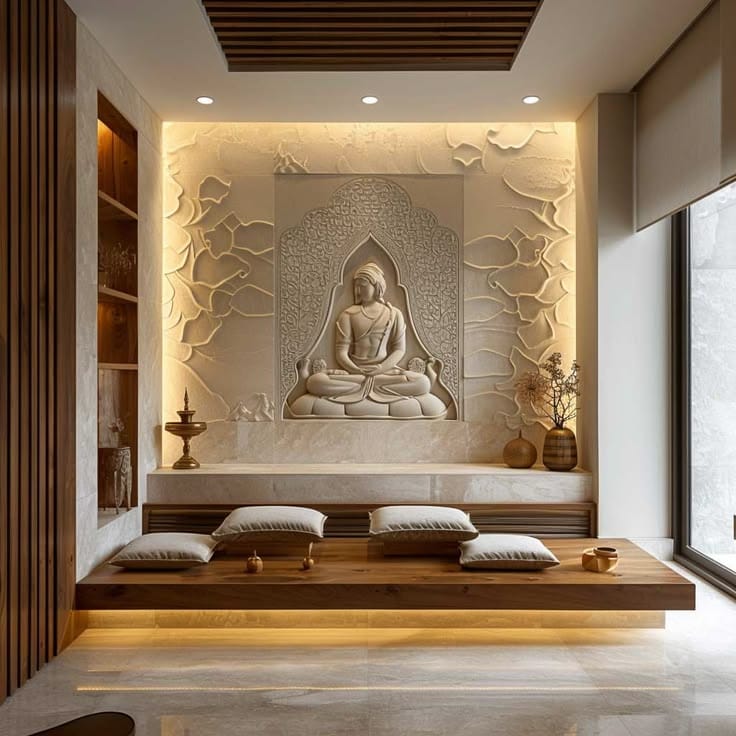
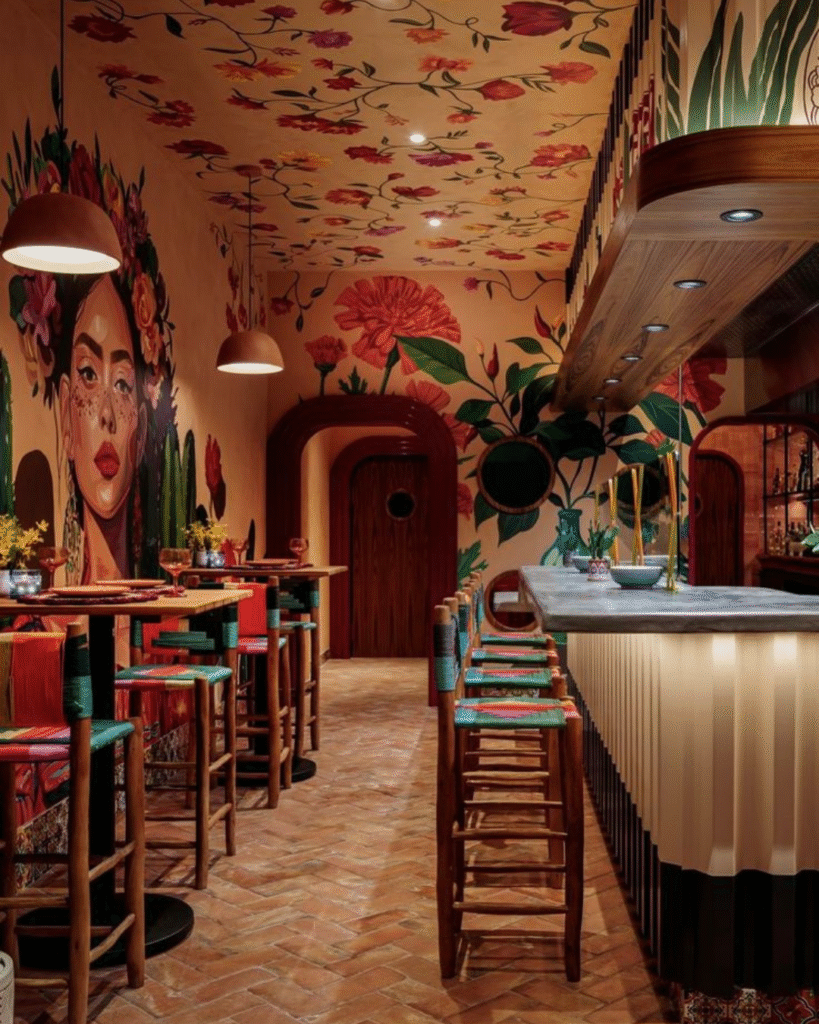
Restaurants, hotels, offices, boutiques, and reception areas frequently use relief murals as feature walls. Consequently, professional lighting becomes even more important.
Well-designed lighting attracts attention, improves photography, and creates memorable customer experiences. Additionally, illuminated relief walls often become conversation pieces that strengthen interior branding.
Many hospitality designers combine indirect lighting with textured wall art to achieve a refined visual effect.
Avoid Glare and Uneven Bright Spots
Several lighting mistakes reduce the impact of relief murals.
- Installing lights directly in front of the mural.
- Using overly bright lighting that removes shadow definition.
- Ignoring natural daylight patterns.
- Selecting the wrong beam angle.
- Mixing inconsistent color temperatures.
Instead, careful planning ensures that every texture and contour remains visible from different viewing positions.
Plan the Lighting Before Installation
Lighting should always be considered during the design stage rather than after installation.
Electrical points, fixture spacing, ceiling height, wall orientation, and viewing distance all influence the final outcome. Consequently, designers and contractors often coordinate these details before installation begins.
This approach reduces unnecessary modifications later while ensuring the artwork receives balanced illumination.
Conclusion
When people ask, how do lighting effects impact relief murals?, the answer extends far beyond brightness alone. Light defines texture, reveals artistic details, creates depth, and influences the emotional atmosphere of a space. Therefore, thoughtful lighting design allows relief murals to display their full artistic value while enhancing the surrounding interior.
Whether the setting is residential or commercial, combining suitable lighting techniques with quality craftsmanship creates an impressive visual experience that remains attractive throughout the day.
Frequently Asked Questions
1. How do lighting effects impact relief murals?
Lighting creates shadows and highlights that reveal the depth, texture, and fine details of relief murals, making them visually more engaging.
2. Which lighting is best for relief murals?
Adjustable LED spotlights, wall washers, and recessed lighting are commonly recommended because they provide controlled illumination.
3. Does natural lighting affect relief murals?
Yes. Natural light changes throughout the day, producing different shadow patterns and visual effects on textured surfaces.
4. Which color temperature works best for lighting on relief murals?
Warm white lighting creates a cozy atmosphere, while neutral white offers balanced visibility. Cool white is often selected for contemporary interiors.
5. Should lighting be planned before relief murals installation?
Yes. Planning electrical layouts and fixture positions beforehand ensures the relief mural receives balanced illumination after installation.
Helpful Resources
- Getty Conservation Institute – Light, Lighting, and Works of Art
https://www.getty.edu/conservation/ - International Association of Lighting Designers (IALD) – Lighting Design Resources
https://www.iald.org/ - ArchDaily – Lighting in Interior Architecture
https://www.archdaily.com/ - Dezeen – Lighting Design
https://www.dezeen.com/tag/lighting/ - The Lighting Research Center – Lighting Fundamentals
https://www.lrc.rpi.edu/
Latest Posts
Luxury Wall Murals: Bespoke Art for Sophisticated Interiors
Luxury wall murals are becoming a preferred choice for homeowners who want interiors with individuality, artistic depth, and lasting visual […]
Luxury Wall Design: Refined Textures, Artistic Murals and Modern Elegance
Luxury wall design is becoming an essential part of contemporary interiors. Rather than relying only on expensive furniture, homeowners are […]
The Modern Artist: Where Creativity Meets Contemporary Interior Design
An artist sees possibilities where others see an empty canvas. Today, creativity extends beyond traditional paintings and galleries into homes, […]
Art Studio: Where Creative Ideas Become Original Works of Art
An art studio is more than a room filled with brushes, colors, and canvases. It is a creative workspace where […]
Painting Studio in Kolkata: Where Art Meets Interior Spaces
A painting studio is no longer limited to canvases, easels, and framed artwork. Today, creative studios are increasingly connected with […]
Wall Artist: The Craft Behind Meaningful Wall Art
A wall artist does more than apply paint to a large surface. Instead, the artist studies the space, understands its […]
This app is a game changer. The graphics are amazing and it doesn’t lag at all. Perfect for relaxing after a long day. Download jljl44app