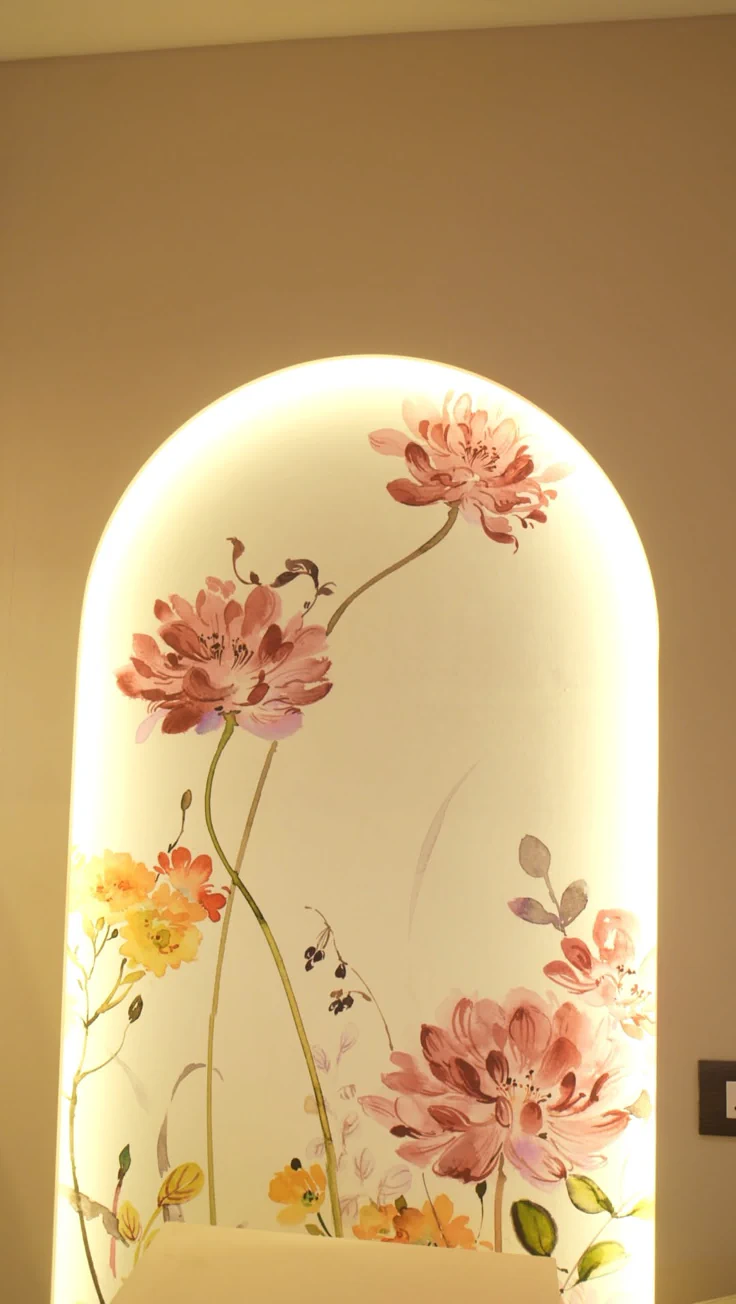
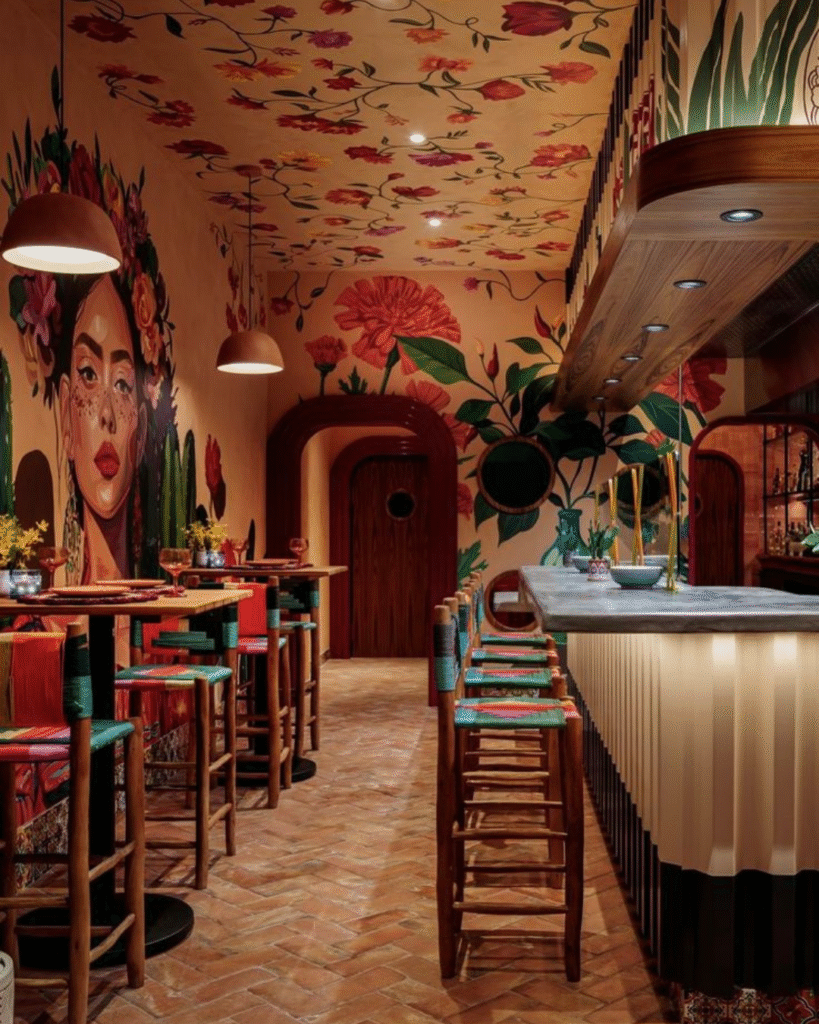
Walls no longer need to remain plain surfaces. Instead, they can become artistic features that add character, texture, and depth to a space. One design style that continues to gain attention is the mural relief. It combines sculpture and wall art to create a three-dimensional visual experience that cannot be achieved with regular paint alone.
If you have ever wondered what is a mural relief, this guide explains its meaning, materials, benefits, and applications. Moreover, you will discover why architects, interior designers, and homeowners increasingly choose relief murals for premium residential and commercial projects.
Understanding the Difference Between Murals and Relief Art
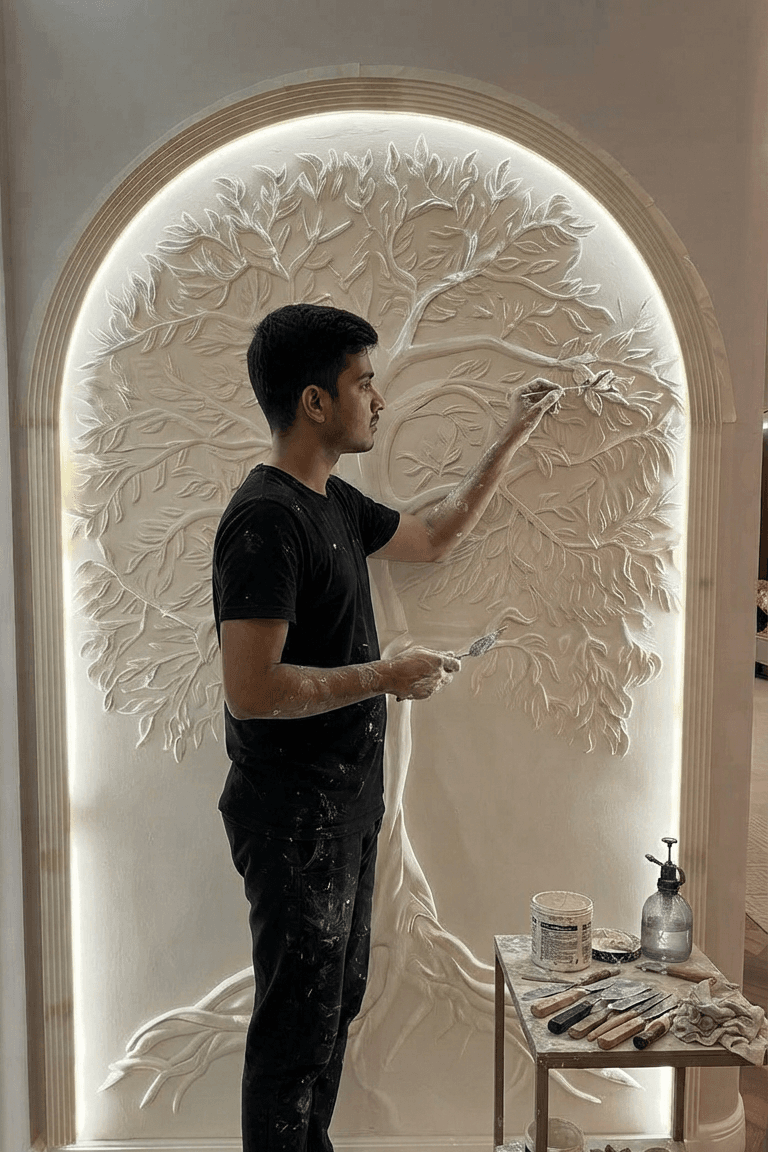
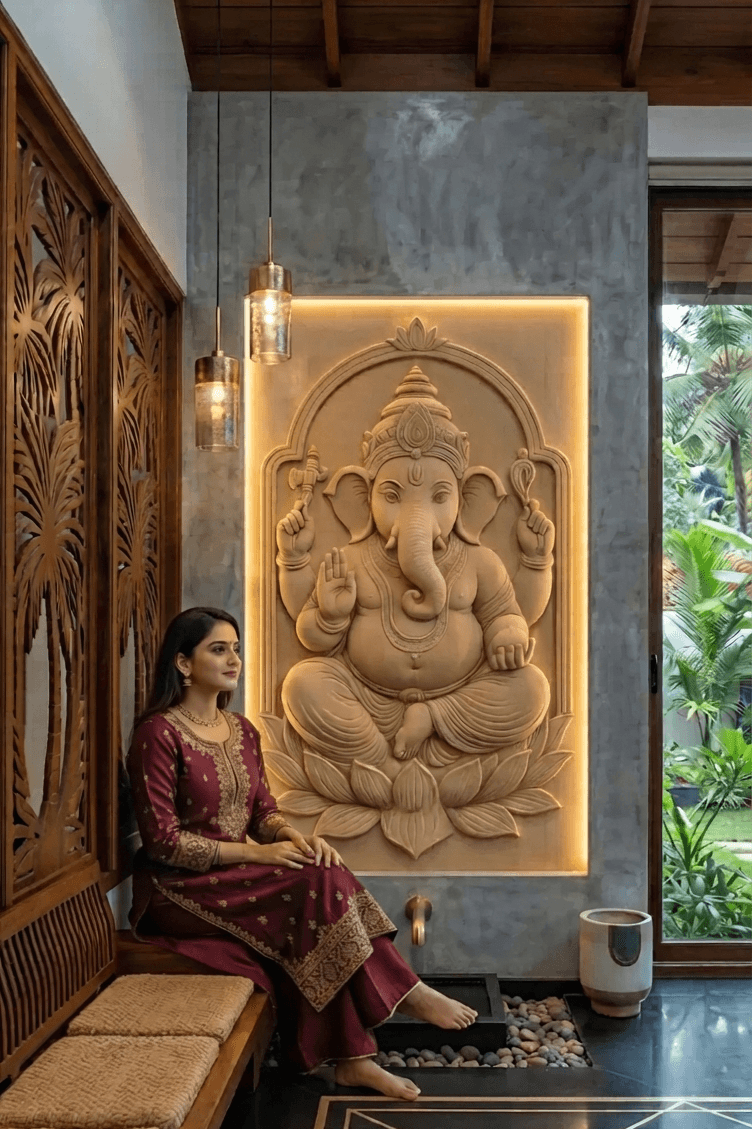
A traditional mural is painted directly onto a wall, whereas a mural relief includes raised surfaces that project outward. As a result, the artwork creates depth, shadows, and texture that change throughout the day as natural or artificial light moves across the wall. You can also visit to our gallery page.
Unlike flat paintings, relief murals allow viewers to experience the artwork from different angles. Consequently, every perspective offers a slightly different visual effect.
Many historical monuments and cultural buildings feature relief sculptures because they remain visually striking for decades.
Why Mural Reliefs Are Becoming Popular
Interior design trends have shifted toward textured finishes rather than completely smooth walls. Therefore, mural reliefs have become a preferred choice for luxury homes, cafés, hotels, offices, restaurants, and reception areas.
Several factors contribute to their growing popularity:
- They create an artistic focal point.
- They add realistic depth to interiors.
- They suit both modern and traditional themes.
- They increase the uniqueness of a space.
- They can be customized for every project.
Furthermore, textured wall art photographs beautifully, making it popular on social media and interior design platforms.
Common Materials Used in a Mural Relief
Different materials are selected depending on the artwork, location, and durability requirements.
The most common options include:
- Plaster of Paris (POP)
- Cement mixtures
- Lime plaster
- Clay compounds
- Fiber Reinforced Plastic (FRP)
- Acrylic finishes
- Metallic coatings
- Mineral-based textures
After the base structure is completed, decorative finishes may be applied. Consequently, the relief gains additional detail, color, and protection.
Where Can Mural Relief Artwork Be Installed?
A mural relief works well in many environments because it adapts to different architectural styles.
Popular installation areas include:
- Living room feature walls
- Hotel reception spaces
- Restaurant interiors
- Boutique stores
- Luxury villas
- Corporate offices
- Outdoor garden walls
- Cafés
- Resorts
- Gallery spaces
Additionally, outdoor relief murals can be created using weather-resistant materials that help maintain their appearance for years.
Benefits of Choosing a Mural Relief
A relief mural offers more than decorative value. It also improves the overall visual identity of a property.
Some important advantages include:
- Creates strong visual depth
- Adds premium artistic appeal
- Offers fully customized designs
- Complements textured lighting
- Lasts for many years with proper maintenance
- Fits contemporary and heritage interiors
- Requires minimal maintenance after installation
Because every design is handcrafted, no two mural reliefs are exactly alike.
How a Mural Relief Is Created
Creating a relief mural involves several carefully planned stages.
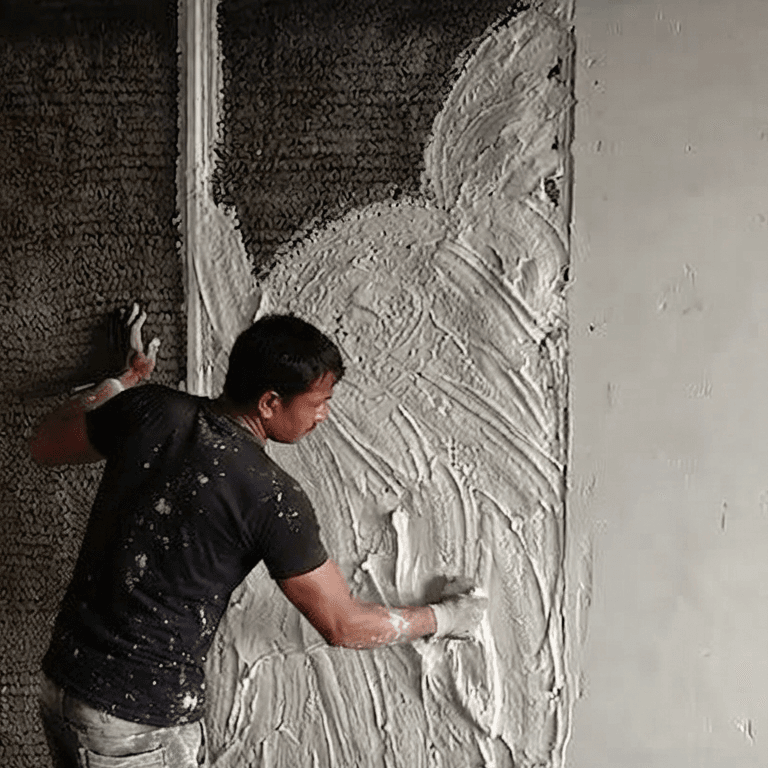
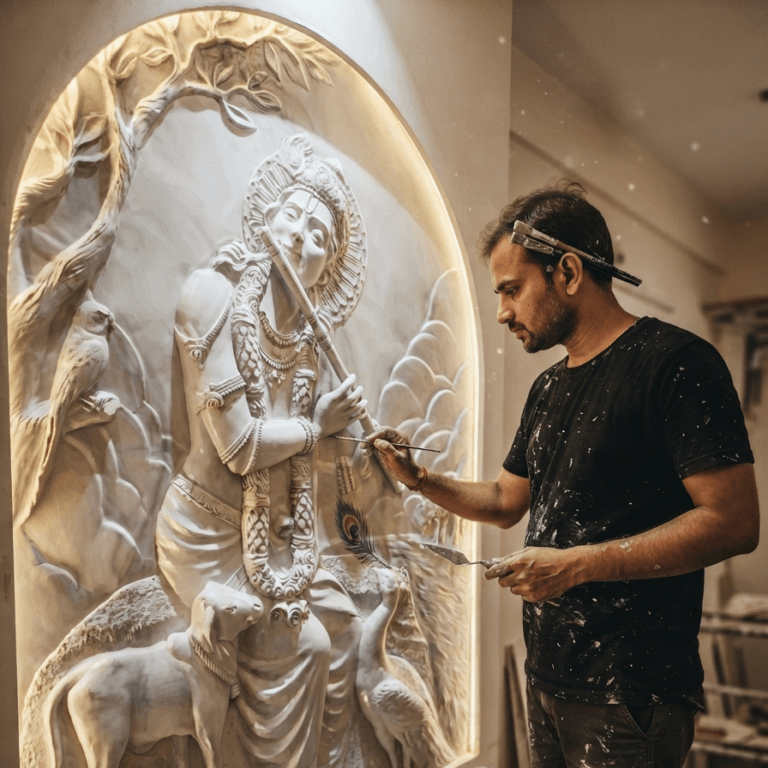
First, the wall is inspected and prepared. Next, the artist develops a concept based on the available space. After that, the raised structure is sculpted using suitable materials. Fine details are then carved before the surface dries completely.
Once the artwork hardens, sanding is completed where necessary. Finally, paint, sealers, or decorative coatings are applied to protect the surface and improve its appearance.
Throughout the process, precision is maintained because even small details contribute to the finished artwork.
Is a Mural Relief Worth the Investment?
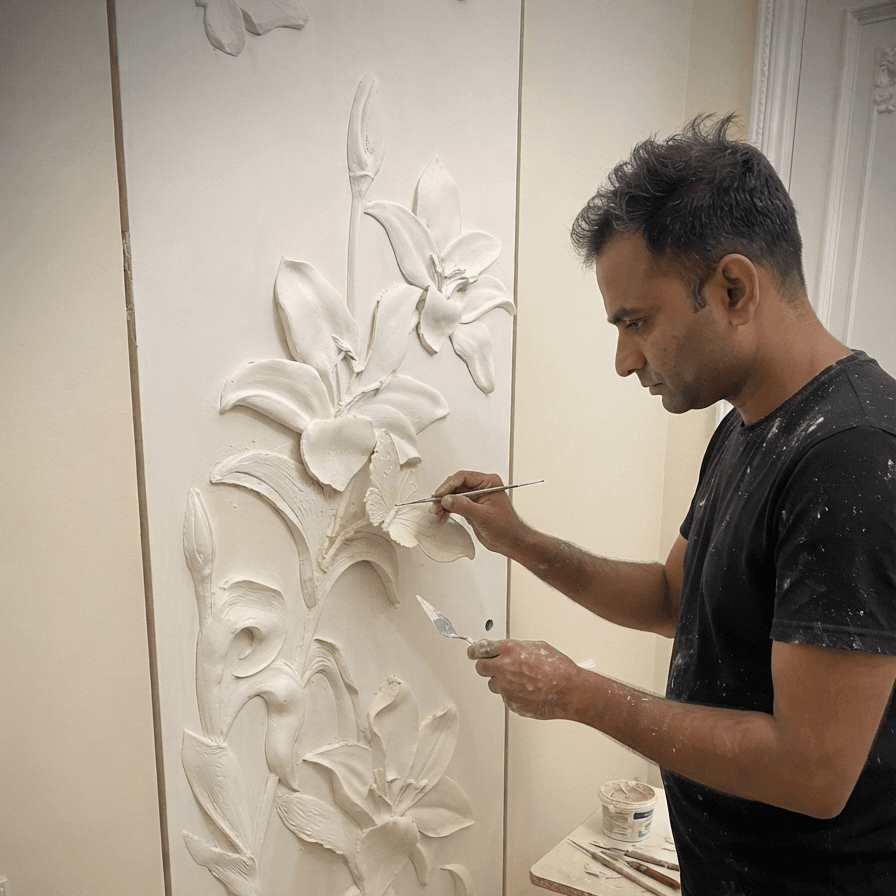
Many property owners view mural reliefs as long-term artistic installations rather than temporary decoration. Since premium materials are often used, durability remains one of their strongest advantages.
Moreover, custom relief artwork creates memorable interiors that help hotels, restaurants, offices, and luxury homes stand apart from ordinary spaces.
When installed professionally and maintained properly, a relief mural can remain attractive for many years.
Learn More About Relief Art and Wall Design
If you would like to explore relief sculpture and architectural wall art in greater detail, these resources provide valuable information:
- Getty Museum – Relief Sculpture Collection: https://www.getty.edu/art/
- Britannica – Relief Sculpture: https://www.britannica.com/art/relief-sculpture
- ArchDaily – Architecture and Interior Design Articles: https://www.archdaily.com
- Dezeen – Interior Design Inspiration: https://www.dezeen.com
You may also enjoy reading related topics such as:
- Difference Between Murals and Wall Paintings
- Types of Wall Texture Finishes
- Decorative Plaster Wall Designs
- Modern Feature Wall Design Ideas
- Interior Wall Art Trends
- Handcrafted Wall Sculpture Ideas
- Lime Plaster vs Cement Texture
- Luxury Wall Finishes for Homes
Conclusion
Understanding what is a mural relief helps you appreciate why this artistic technique continues to grow in modern architecture and interior design. Unlike flat wall paintings, relief murals introduce texture, depth, and handcrafted details that create lasting visual interest. Whether installed in a residence or a commercial property, they provide an artistic statement that remains timeless while reflecting creativity and craftsmanship.
Frequently Asked Questions
What is a mural relief?
A mural relief is a three-dimensional artwork created directly on a wall using sculptural materials before decorative finishes are applied.
Is a mural relief different from a painted mural?
Yes. A painted mural is flat, while a mural relief includes raised textures that create depth and shadow.
Which materials are used for mural reliefs?
Common materials include POP, cement, lime plaster, clay, FRP, acrylic compounds, and mineral-based textures.
Can mural reliefs be installed outdoors?
Yes. Outdoor mural reliefs are created using weather-resistant materials and protective coatings.
How long does a mural relief last?
With quality materials and proper maintenance, a professionally created mural relief can last for many years.
Are mural reliefs suitable for homes?
Absolutely. They are commonly installed in living rooms, entrance foyers, bedrooms, dining spaces, and outdoor feature walls.
Latest Posts
How Much Do Wall Murals Cost? A Complete Guide for Every Space
Wall murals have become one of the most popular ways to personalise residential and commercial interiors. Whether you want artistic […]
What Wall Preparations Should Be Made Before You Come to Paint the Mural?
A beautiful mural starts long before the first brush touches the wall. Wall preparation before mural painting plays a vital […]
How Much Do Wall Murals Cost? A Complete Pricing Guide
Wall murals have become one of the most popular ways to personalize interiors in homes, cafés, offices, hotels, and retail […]
Where to Buy Residential Wall Murals: A Practical Guide for Homeowners
A residential wall mural is more than a decorative feature. It reflects your personality, complements your interior style, and creates […]
How Do Lighting Effects Impact Relief Murals?
Relief murals offer more than decorative value because they create a three-dimensional experience on walls. However, their true beauty depends […]
What Exactly Is a Mural Relief or 3D Relief Mural?
What exactly is a mural relief or 3D relief mural? This question is becoming increasingly common as homeowners, architects, and […]