Walls play a major role in interior and exterior design, but many people are unsure about the difference between a mural, a wall painting, and a mural relief. Therefore, understanding these differences helps homeowners, architects, interior designers, and business owners choose the right option for their space.
Although all three improve interior and exterior spaces, each one has a different purpose, technique, and visual impact. Consequently, choosing the right option becomes easier once you understand how they differ.
This guide explains the difference between a mural, a wall painting, and a mural relief so you can select the perfect artistic solution for your project.
Understanding the Basics Before Choosing
Before comparing them individually, it is helpful to understand that these three art forms share one common goal—they decorate walls. Nevertheless, the methods, materials, and final appearance vary significantly.
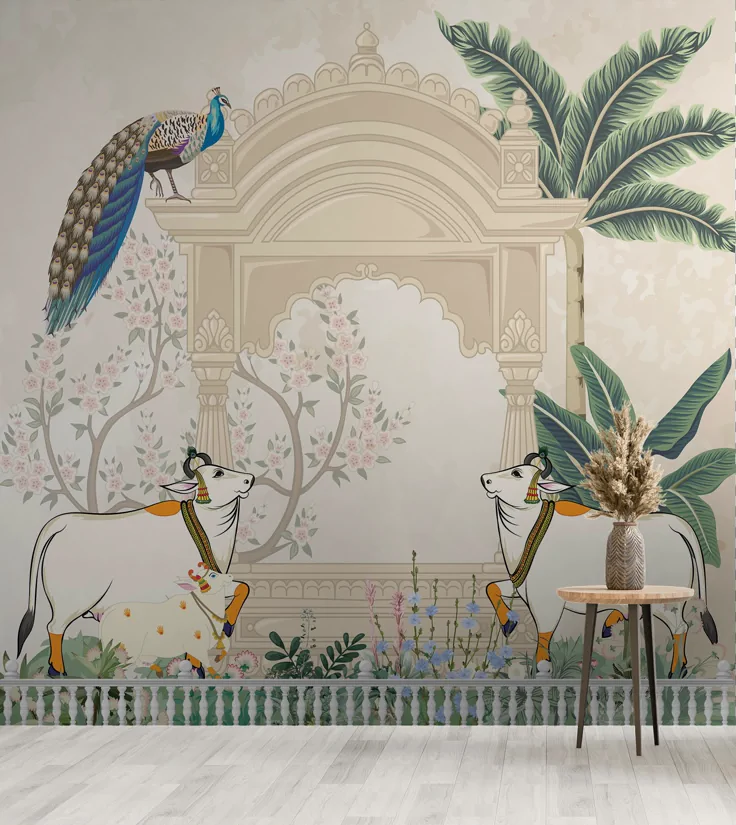
Some designs remain completely flat, while others create depth and texture. Likewise, some projects focus on storytelling, whereas others emphasize decorative finishes.
What Is a Mural?
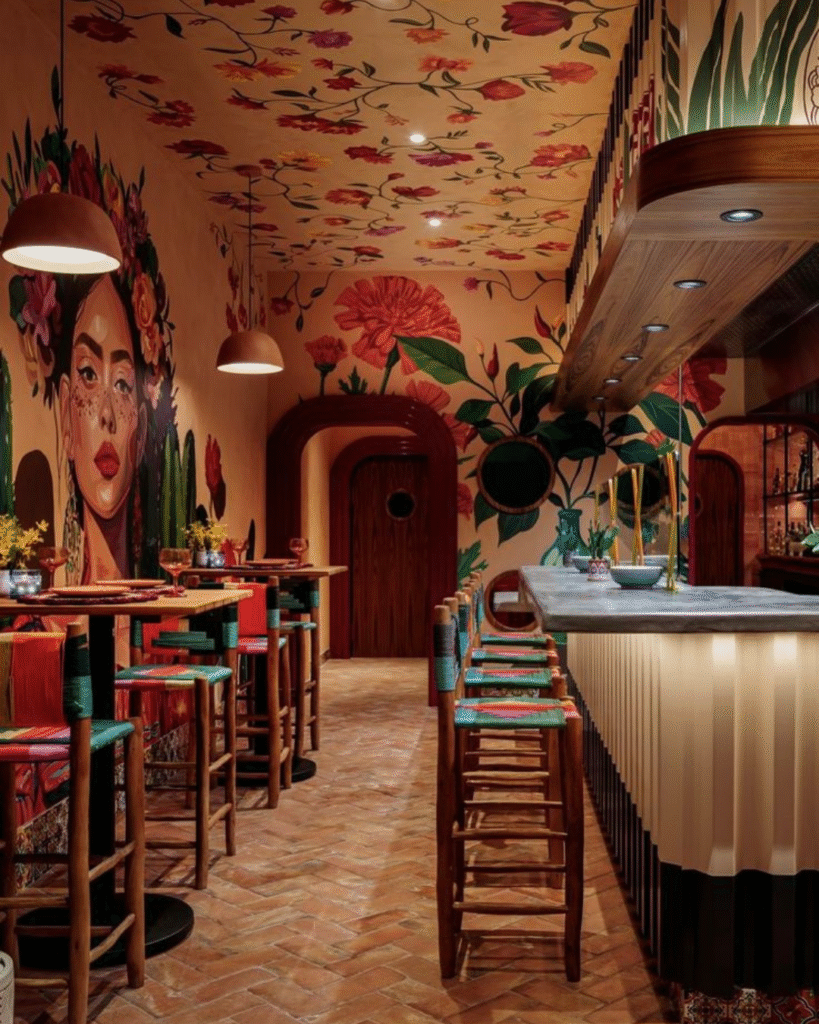
A mural is a large artwork painted directly onto a wall, ceiling, or another permanent surface. Instead of being printed, it is created by hand or with professional painting techniques.
Murals usually tell a story, represent nature, celebrate culture, or display abstract creativity.
Common Characteristics
- Painted directly on the surface
- Flat visual appearance
- Can be realistic or abstract
- Suitable for indoor and outdoor walls
- Customized according to the space
What Is a Wall Painting?
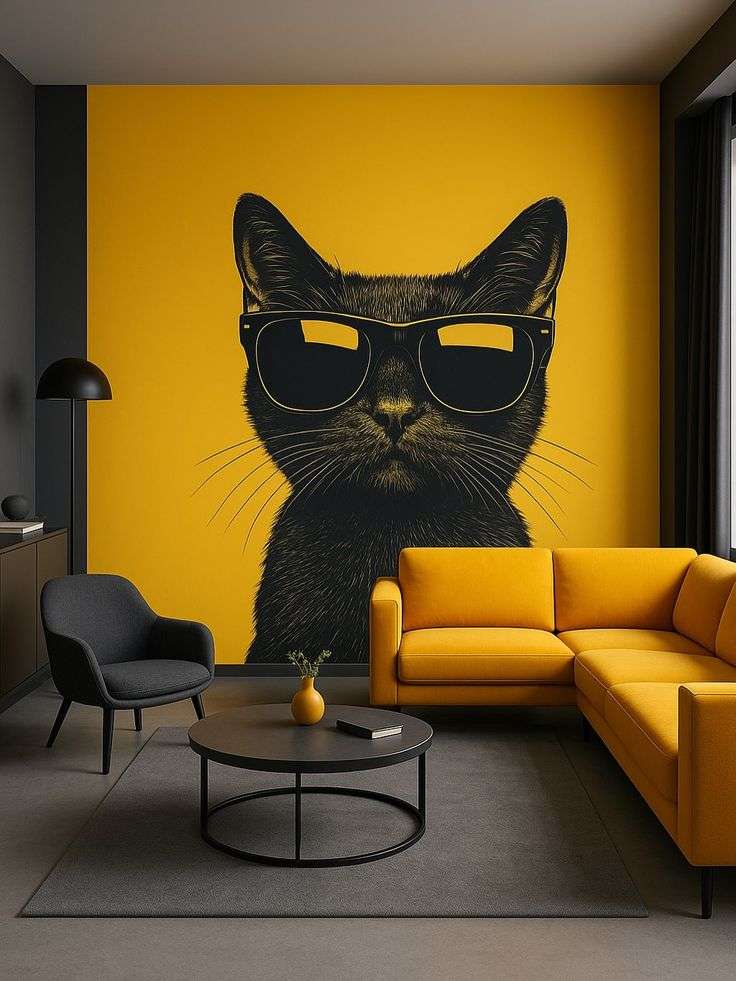
A wall painting refers to decorative artwork applied directly onto a wall. Unlike murals, it is generally smaller and focuses more on decorative elements than storytelling.
For example, geometric patterns, floral designs, borders, minimal illustrations, children’s room graphics, and artistic accents all fall under wall painting.
Popular Applications
- Bedroom walls
- Living rooms
- Children’s rooms
- Hallways
- Accent walls
- Office interiors
Although every mural is technically a wall painting, not every wall painting qualifies as a mural.
What Is a Mural Relief?
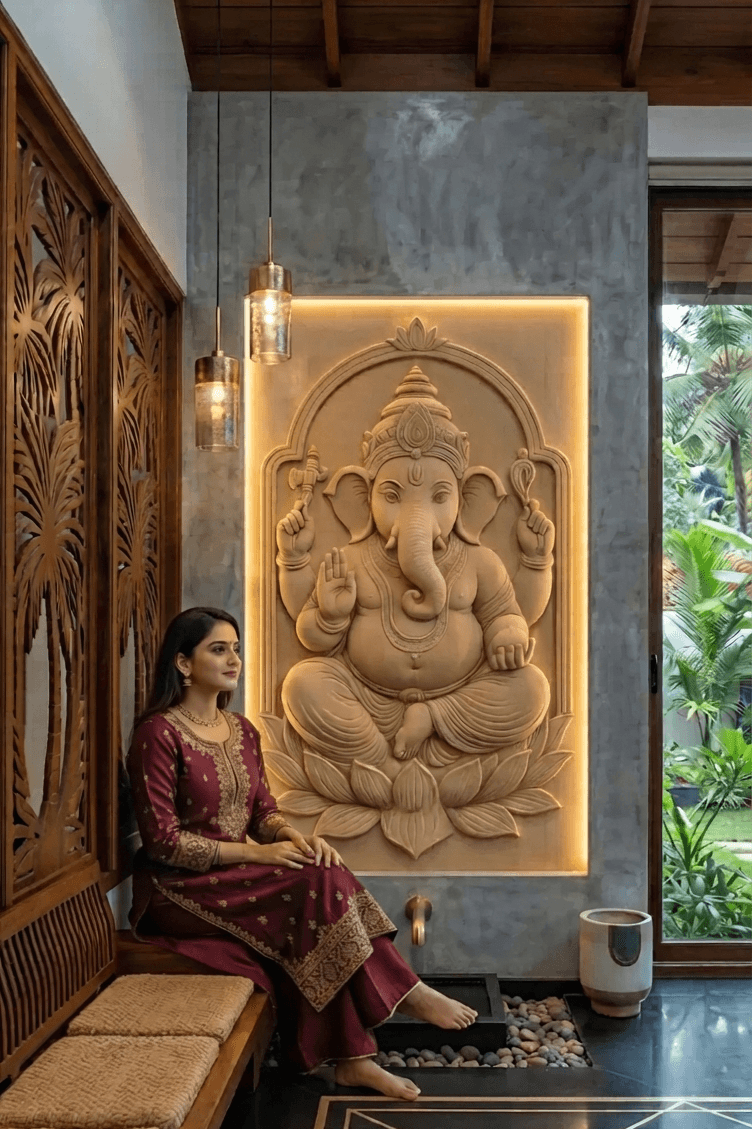
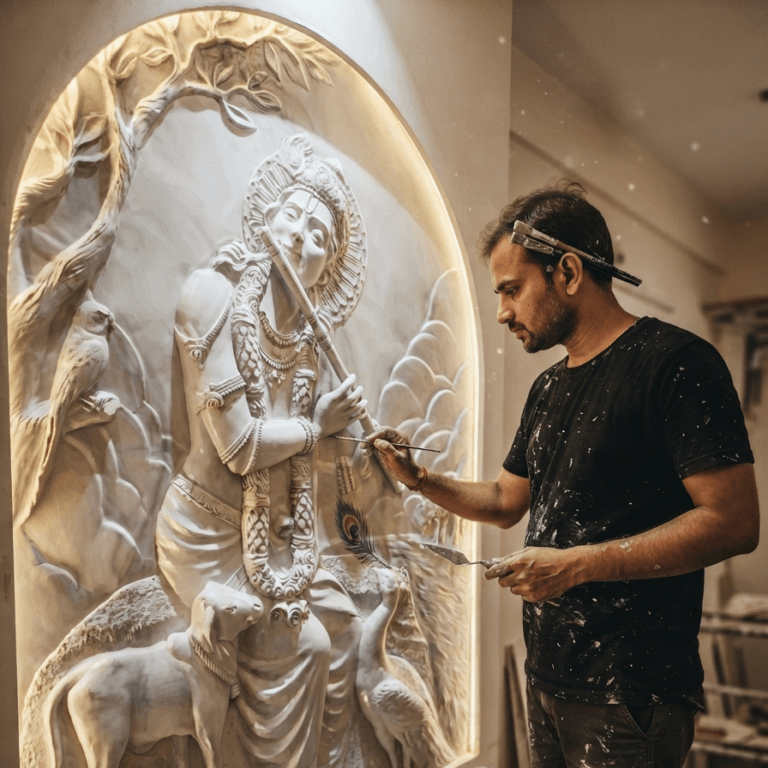
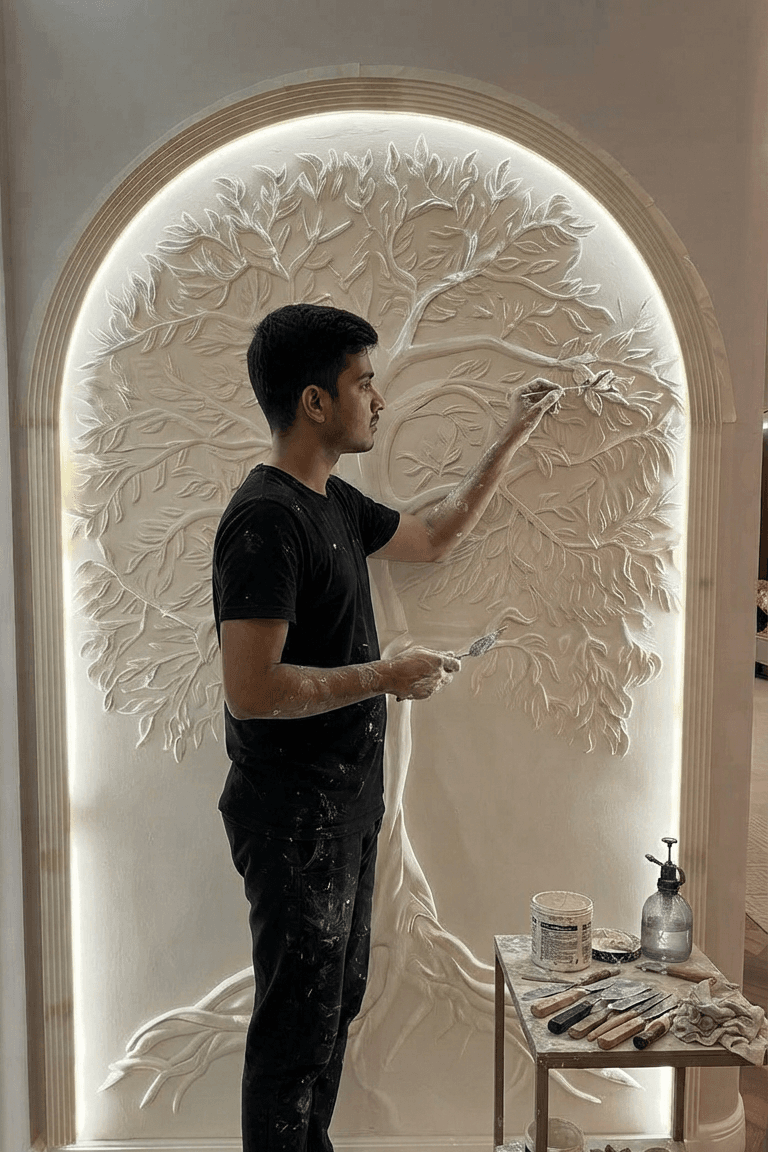
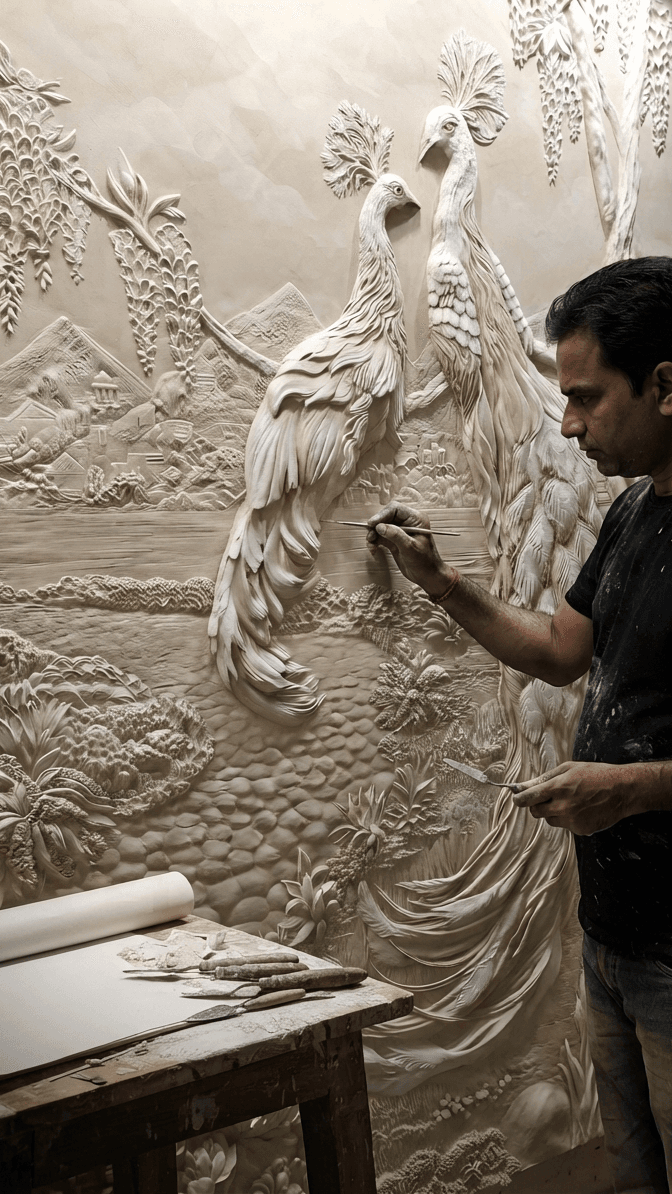
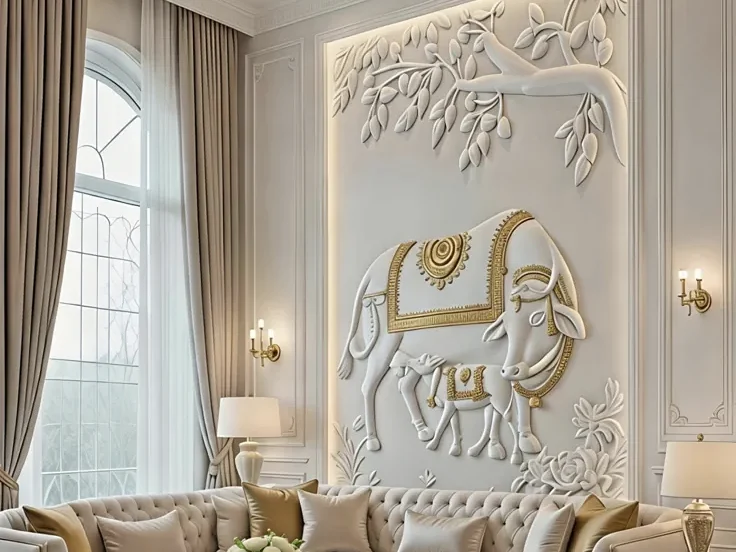
Unlike flat artwork, a mural relief combines sculpture with painting.
Consequently, mural relief creates a premium artistic appearance that immediately attracts attention.
Features of Mural Relief
- Three-dimensional surface
- Hand-sculpted details
- Painted after sculpting
- Premium artistic finish
- Strong visual depth
- Ideal for luxury interiors
Because of its craftsmanship, mural relief generally requires more time than traditional painting.
Comparing the Three Artistic Styles
| Feature | Mural | Wall Painting | Mural Relief |
|---|---|---|---|
| Surface | Flat | Flat | Three-dimensional |
| Technique | Hand-painted artwork | Decorative painting | Sculpting plus painting |
| Texture | No | No | Yes |
| Visual Depth | Created with colors | Minimal | Real physical depth |
| Installation Time | Moderate | Fast | Longer |
| Best For | Feature walls | Decorative interiors | Luxury statement walls |
Which Option Works Best for Your Space?
The ideal choice depends on your goals rather than trends.
If storytelling and artistic expression matter most, a mural becomes an excellent choice.
Therefore, understanding the purpose of your space should always come before selecting the artistic style.
Things to Consider Before Making a Decision
Several factors should be evaluated before beginning any wall art project.
- Room size
- Interior design style
- Budget
- Lighting conditions
- Wall material
- Maintenance requirements
- Desired lifespan
- Artistic complexity
By considering these aspects early, the final artwork is more likely to complement the surrounding environment.
Final Thoughts
Understanding the difference between a mural, a wall painting, and a mural relief helps property owners make informed design decisions. While murals focus on storytelling, wall paintings emphasize decorative beauty. Meanwhile, introduces texture and sculptural depth that creates a distinctive artistic experience.
Rather than selecting based solely on appearance, consider the function, atmosphere, and long-term value each option provides. A thoughtful decision will ensure that the finished wall continues to impress for years.
Frequently Asked Questions
1. Is a mural the same as a wall painting?
No. Every mural is a type of wall painting, but many wall paintings are decorative designs rather than large artistic compositions.
2. What materials are used for mural relief?
Mural relief is commonly created using POP, cement, gypsum, clay, fiber-reinforced materials, and specialized sculpting compounds.
3. Which option lasts longer?
When high-quality materials and proper surface preparation are used, all three can last for many years. However, maintenance requirements may differ.
4. Is mural relief more expensive?
Generally, yes. Since sculpting and painting are both involved, additional craftsmanship and time are required.
5. Which style is best for luxury interiors?
Mural relief is often chosen for luxury homes, hotels, restaurants, and premium commercial spaces because of its textured appearance.
Related Reading
To understand the history, techniques, and artistic significance of murals and relief art, explore these resources:
- The Getty – Murals and Wall Paintings
- Smithsonian American Art Museum – Murals Collection
- Britannica – Mural Definition and History
- The Metropolitan Museum of Art – Relief Sculpture
Latest Posts
How Much Do Wall Murals Cost? A Complete Pricing Guide
Wall murals have become one of the most popular ways to personalize interiors in homes, cafés, offices, hotels, and retail […]
Where to Buy Residential Wall Murals: A Practical Guide for Homeowners
A residential wall mural is more than a decorative feature. It reflects your personality, complements your interior style, and creates […]
How Do Lighting Effects Impact Relief Murals?
Relief murals offer more than decorative value because they create a three-dimensional experience on walls. However, their true beauty depends […]
What Exactly Is a Mural Relief or 3D Relief Mural?
What exactly is a mural relief or 3D relief mural? This question is becoming increasingly common as homeowners, architects, and […]
What Is a Mural Relief?
Walls no longer need to remain plain surfaces. Instead, they can become artistic features that add character, texture, and depth […]
What Materials Are Used to Make a Mural Relief?
What materials are used to make a mural relief? This is one of the most common questions asked by homeowners, […]