A beautifully painted home reflects the personality, lifestyle and taste of its residents. However, achieving a refined interior requires more than selecting attractive wall colours. It involves professional planning, surface preparation, suitable materials and skilled application. Therefore, finding the right painter for house interior projects is essential for creating walls that look beautiful and remain durable for Painter for House Interior.
Whether you are planning a complete home renovation or refreshing a single room, the right painting approach can make a significant difference.
Why Professional Painting Matters

Interior painting requires technical knowledge, attention to detail and an understanding of different wall surfaces. Although painting may appear simple, uneven application, poor preparation and unsuitable materials can affect the final appearance.
Moreover, professional painters understand how lighting, room dimensions and furniture influence colour selection. As a result, they can recommend suitable combinations for living rooms, bedrooms, dining spaces and hallways.
In addition, experienced professionals follow a systematic process to maintain consistency across different rooms.
Choosing Colours That Complement Your Home
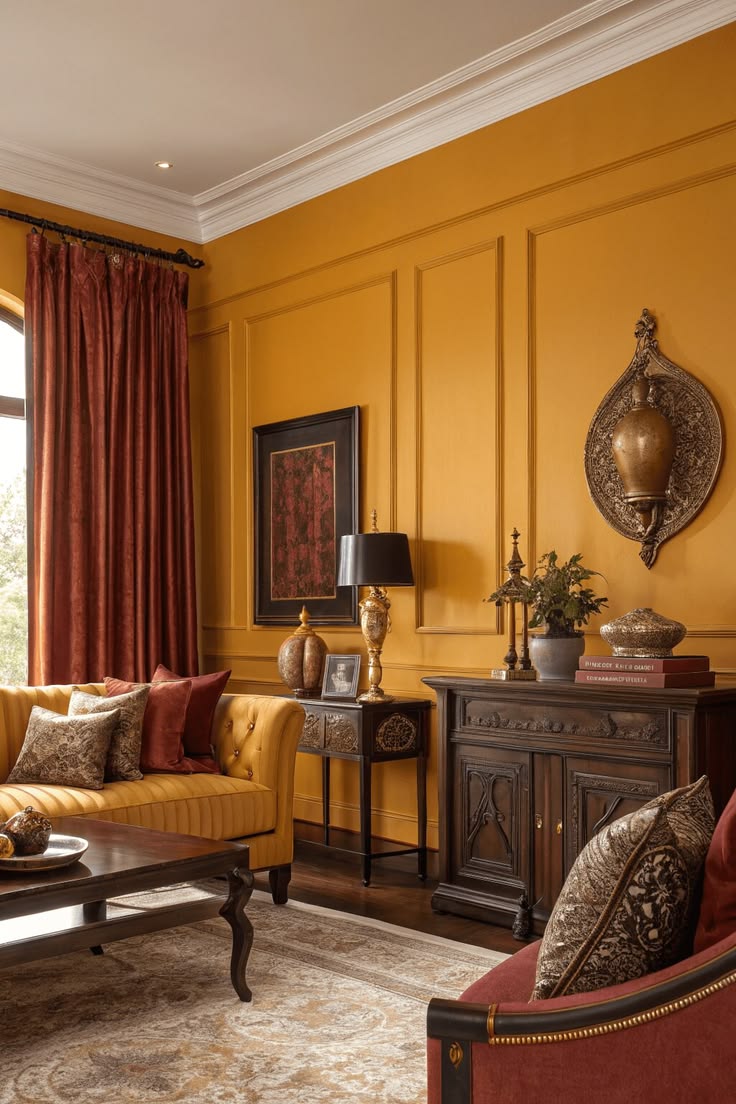
Colour selection is one of the most important parts of interior design. For instance, warm beige, ivory and soft grey create a sophisticated atmosphere in contemporary living rooms. Meanwhile, muted greens, earthy browns and pastel blues work beautifully in relaxing bedroom environments. For more details visit to our page.
However, colour selection should never depend entirely on trends. Consider natural lighting, furniture, flooring and the overall architectural style before finalising a shade.
Furthermore, always test color samples on actual walls. Different lighting conditions can change how a particular shade appears throughout the day.
Understanding Different Paint Finishes
The paint finish determines the appearance, maintenance requirements and overall character of an interior surface.
Here are some popular options:
- Matte Finish: Offers a soft, understated appearance and helps minimize the visibility of minor wall imperfections.
- Satin Finish: Provides a gentle sheen and works well in frequently used living spaces.
- Semi-Gloss Finish: Offers a more reflective surface and suits selected high-maintenance areas.
- Premium Emulsion: Provides smooth coverage and is widely preferred for residential interiors.
Additionally, decorative finishes such as metallic textures, stucco, Venetian plaster and limewash can introduce distinctive visual depth.
Therefore, the choice should depend on the room’s purpose, surface condition and desired aesthetic.
Wall Preparation: The Foundation of Quality Work
Even premium paint cannot compensate for poor surface preparation. Before application begins, walls should be inspected for cracks, peeling paint, uneven patches and moisture-related damage. For more details visit to our page.
Next, the necessary cleaning, sanding, putty application and priming should be completed according to the wall’s condition for Painter for House Interior.
In particular, dampness must be investigated and treated before repainting. Otherwise, moisture problems may cause peeling, discolouration or paint failure later.
Consequently, a professional assessment before starting work can prevent unnecessary expenses and improve the final finish.
Adding Character Through Decorative Wall Finishes
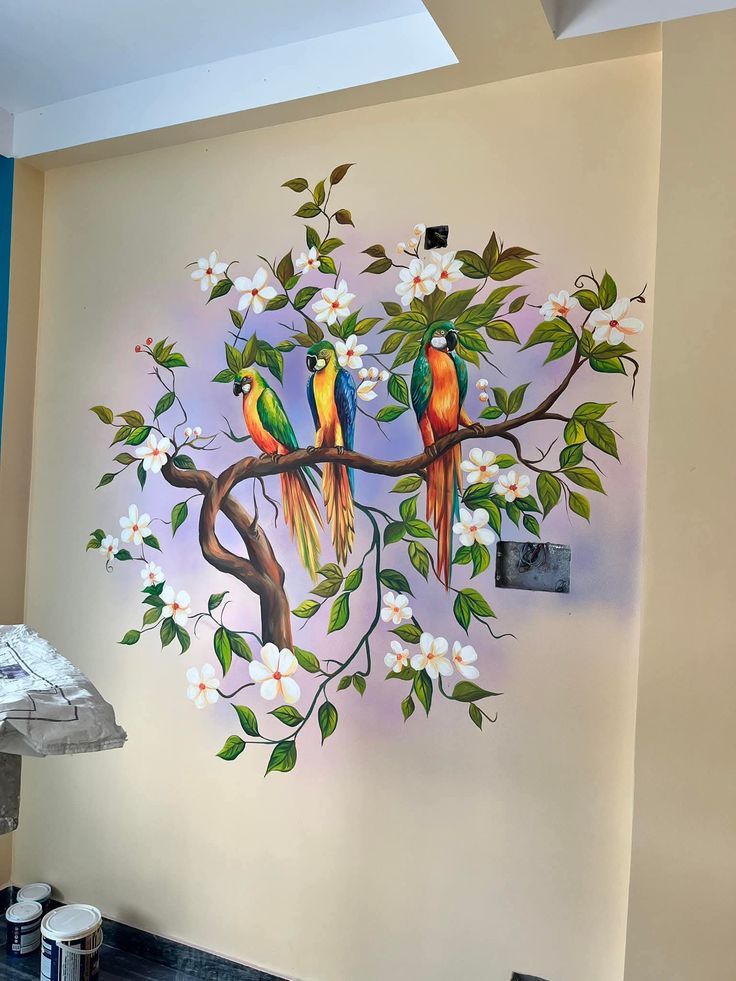
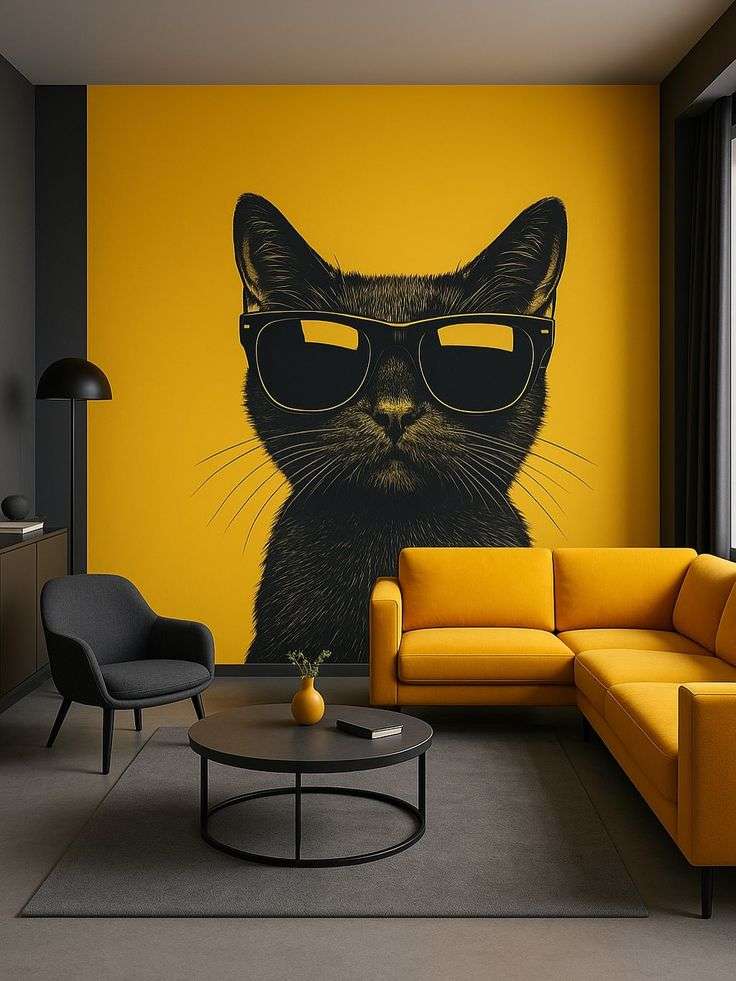
Modern interiors are increasingly moving beyond conventional single-colour walls. Instead, homeowners are exploring handcrafted textures, artistic murals and subtle architectural finishes.
For example, a textured accent wall can add depth to a living room, while a hand-painted mural can introduce a personalised artistic element to a bedroom.
Similarly, Venetian plaster and metallic finishes offer distinctive surface effects for premium residential interiors.
Nevertheless, these applications require specialised techniques and experienced craftsmanship. Therefore, discuss the design, material requirements and maintenance expectations before selecting a decorative finish.
How to Select the Right Painting Professional
Before hiring an interior painting contractor, consider these essential factors:
- Previous Projects: Review completed residential projects and actual finishing quality.
- Material Knowledge: Check whether the professional understands different paints, primers and decorative materials.
- Transparent Quotation: Request a detailed estimate covering labour, materials and surface preparation.
- Work Schedule: Discuss project duration, working hours and completion commitments.
- Finishing Standards: Clarify expectations regarding edges, corners, uniformity and final inspection.
Most importantly, choose craftsmanship and reliability rather than making your decision entirely on the lowest quotation.
Final Thoughts
A well-planned interior painting project combines colour understanding, material selection and skilled execution. From smooth premium emulsion to artistic wall textures, every detail contributes to the atmosphere of a home.
Ultimately, choosing the right painter for house interior work means investing in quality craftsmanship, thoughtful design and lasting visual appeal.
Whether you prefer minimal contemporary walls or detailed decorative finishes, professional execution makes all the difference.
Frequently Asked Questions
1. How do I find a good painter for house interior projects?
Check previous projects, customer reviews, material knowledge, quotations and the quality of surface preparation before making a decision.
2. Which paint finish is best for interior walls?
Matte and satin finishes are popular choices. However, the ideal option depends on room usage, lighting and maintenance requirements.
3. How should walls be prepared before painting?
Walls should be cleaned, repaired, sanded and primed where necessary. Additionally, dampness and peeling paint should be addressed before application.
4. Can decorative textures be used in residential interiors?
Yes. Stucco, Venetian plaster, limewash and metallic finishes can create distinctive feature walls in living rooms, bedrooms and other interior spaces.
5. How much does interior house painting cost?
Pricing depends on wall area, surface condition, paint quality, selected finish and labour requirements. A site inspection helps establish an accurate quotation.
Latest Posts
-
Mural Meaning: Discover the Art Behind Every Wall
A mural means a large-scale artwork painted, drawn, or sculpted directly onto a wall, ceiling, or other permanent surface. Unlike […]
-
Wall Mural Artist: Why Growing Demand for Artistic Walls in Modern Interiors
Wall Mural Artist: Why Demand for Artistic Walls Is Growing in Modern Interiors Demand for wall mural artist is rising […]
-
Wall Mural Design: Where Art Meets Modern Architecture
Walls are no longer just structural elements of a building. Today, they offer an opportunity to express creativity, personality and […]
-
Mural Art Painting: A New Language of Interior Design
Walls are no longer just background surfaces. Instead, they have become creative spaces where art, architecture and personal expression come […]
-
Mural Wall Art: Unique Designs & Artistic Ideas for Modern Spaces
Walls are no longer just structural elements of a building. Instead, they offer an opportunity to express creativity, personality and […]
-
Mural Painting in 2026: Art That Gives Every Wall a Story
Walls are no longer just structural elements of a building. Instead, they have become creative spaces where art, culture, and […]