Walls are no longer just background surfaces. Instead, they have become creative spaces where art, architecture and personal expression come together. Mural art painting is gaining attention among homeowners, architects, interior designers and commercial businesses because it brings original artwork directly into everyday spaces.
Unlike ordinary wall decoration, a mural tells a story through colours, illustrations, patterns and artistic details. Moreover, every design can reflect the personality of a space. From detailed botanical compositions to contemporary abstract artwork, mural painting offers endless creative possibilities.
As a result, more people are choosing customized wall artwork instead of relying entirely on wallpapers or repetitive decorative patterns for Mural Art Painting.
Why Handcrafted Artwork Is Becoming Popular

One important reason behind the growing interest in wall murals is individuality. Today, homeowners want interiors that feel personal rather than copied from standard design catalogues.
Furthermore, hand-painted artwork allows artists to adjust the composition according to wall dimensions, furniture placement, lighting and architectural details. Consequently, the finished artwork feels connected to the entire interior.
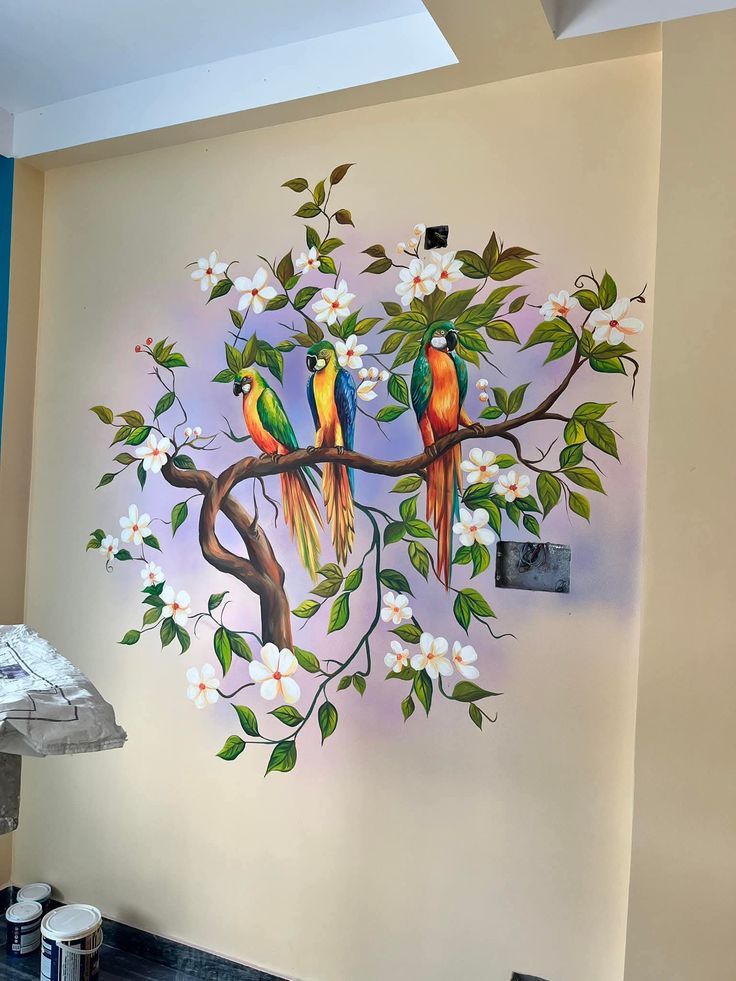
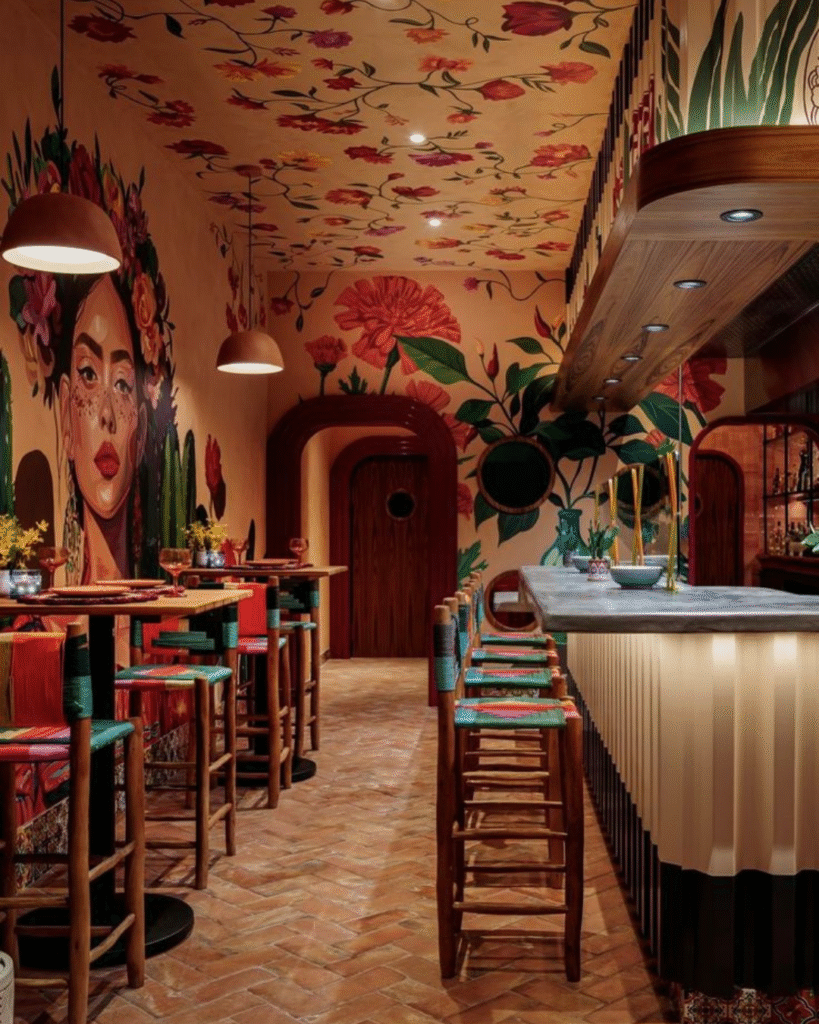
For example, a delicate floral painting can complement a bedroom, while geometric artwork can introduce character into a modern office. Similarly, restaurants and boutique cafés can use illustrated walls to communicate their brand identity. For more details visit to our page.
Creative Styles Worth Exploring
Different artistic approaches can create completely different visual experiences. Therefore, selecting the right style is essential before beginning a mural project.
Here are some interesting directions:
- Botanical murals: Inspired by leaves, flowers, trees and natural landscapes, these designs bring an organic feeling into interiors.
- Abstract wall compositions: Flowing shapes, expressive brushwork and contrasting colours create contemporary artistic appeal.
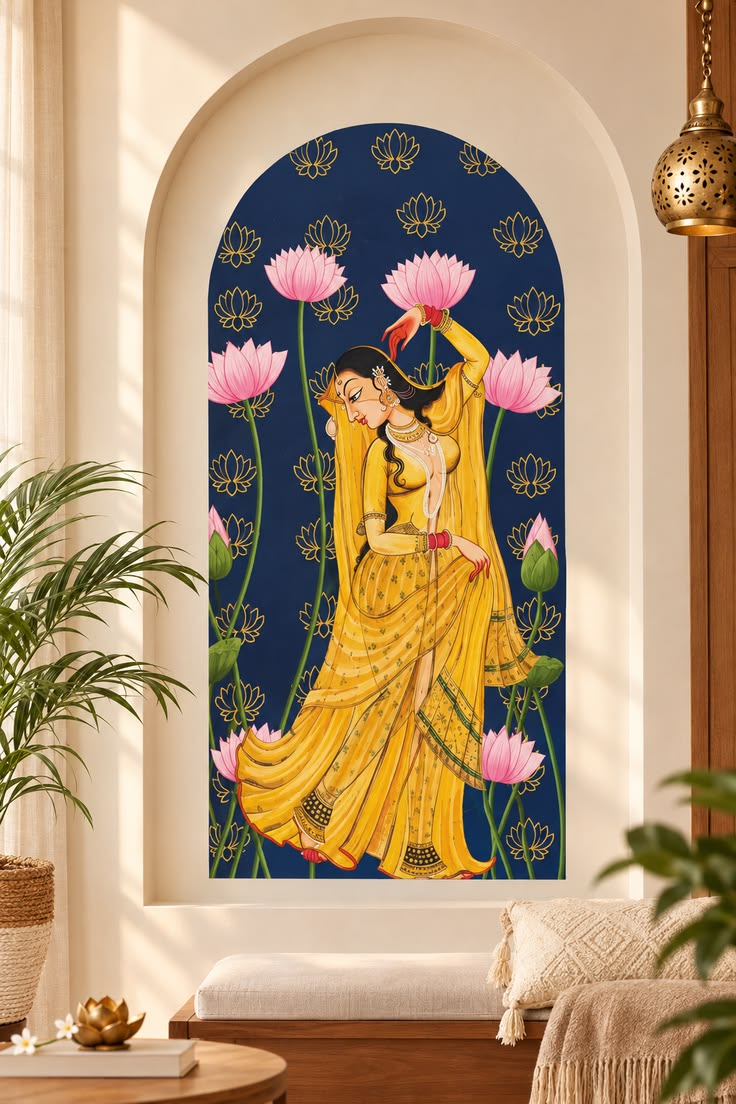
- Traditional Indian artwork: Pichwai, Madhubani and other heritage-inspired illustrations introduce cultural depth and craftsmanship.
- Geometric murals: Repeated shapes, structured patterns and balanced colours work particularly well in modern commercial interiors.
- Landscape paintings: Scenic compositions can create visual depth in bedrooms, living rooms and hospitality spaces.
- Minimalist line art: Simple outlines and subtle illustrations offer an elegant option for understated interiors.
However, the best design always depends on the architecture, available space and desired atmosphere.
Where Can Custom Wall Artwork Make a Difference?
Mural painting is not limited to residential interiors. In fact, its creative applications extend across several industries.
In luxury homes, customised artwork can complement feature walls, staircases, dining areas and bedroom interiors. Meanwhile, restaurants and cafés can use distinctive illustrations to create memorable customer experiences.
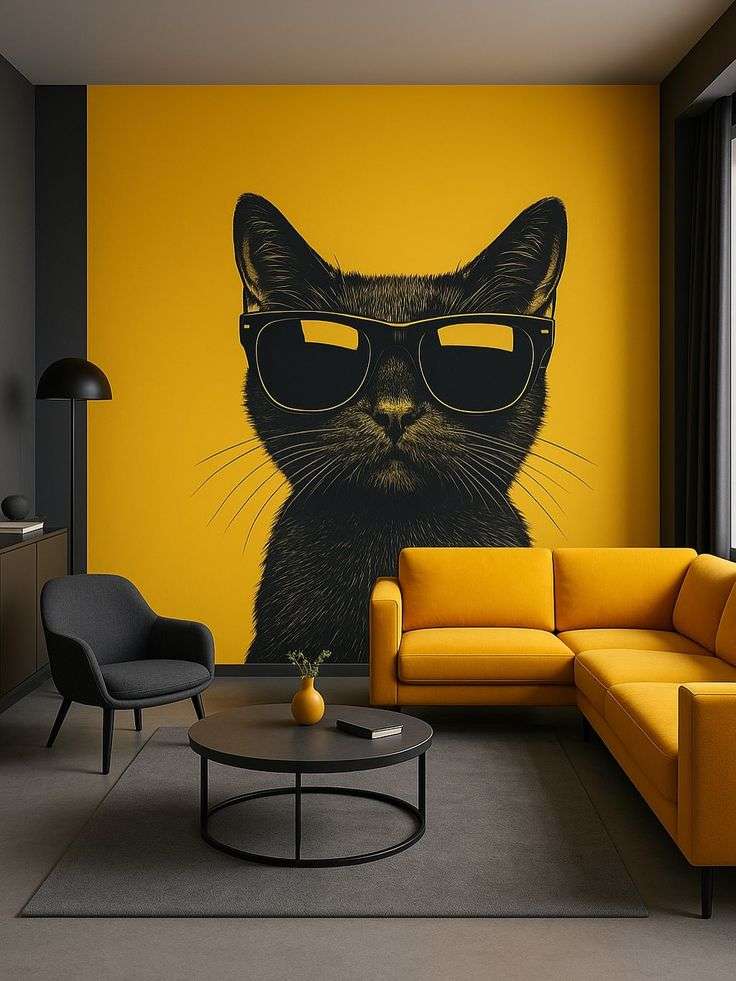
Additionally, corporate offices can incorporate artistic graphics, abstract compositions and brand-inspired artwork into their reception areas and collaborative spaces.
Even exterior walls, building facades and retail shutters offer opportunities for large-scale artistic expression. Therefore, mural painting has become a versatile choice for both decorative and commercial applications. For more details visit to our page.
Planning a Mural: Important Things to Consider
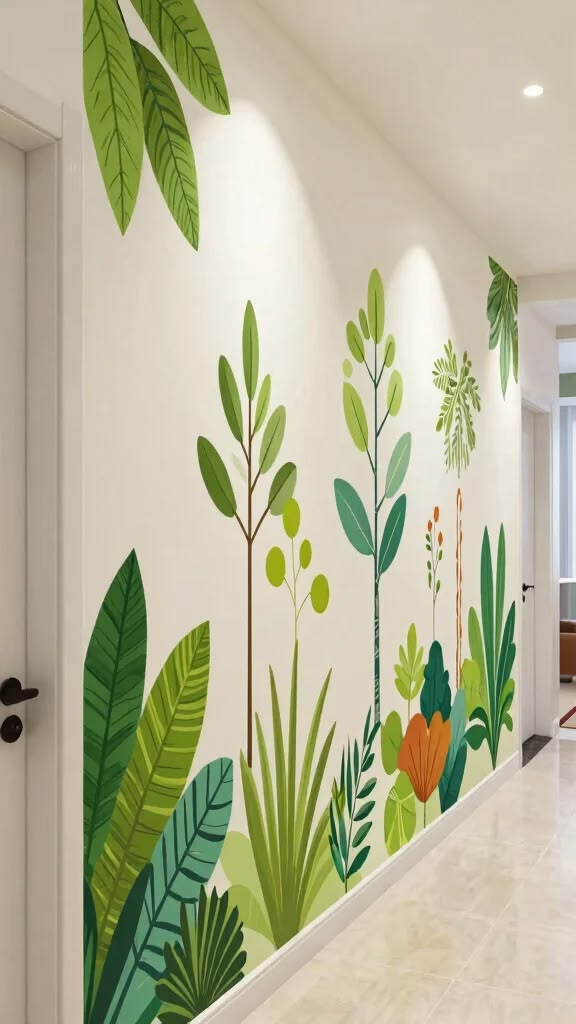
A successful mural requires more than an attractive design. First, the wall surface must be inspected to identify cracks, dampness, loose paint or uneven plaster.
Next, the artist should consider the wall dimensions, lighting conditions and surrounding interior elements. After that, the design concept, colour palette and painting materials can be selected.
For long-lasting results, appropriate surface preparation and suitable paint selection are essential. Moreover, interior and exterior murals require different material considerations because sunlight, moisture and environmental exposure can affect their appearance.
According to the University of Utah’s mural-making guide, planning, surface preparation and design development all play important roles in the execution process. Department of Art & Art History+1
The Future of Artistic Mural Art Painting Design
The growing appreciation for handcrafted interiors suggests that mural painting will remain an important part of contemporary design. Furthermore, artists are combining traditional techniques with modern visual concepts to create distinctive compositions.
From textured artistic surfaces to intricate hand-painted illustrations, the possibilities continue to expand. Ultimately, a thoughtfully designed mural does more than decorate a wall; it introduces creativity, identity and artistic character into the built environment.
For anyone planning a distinctive interior or commercial space, custom mural artwork offers an opportunity to make every wall meaningful.
Frequently Asked Questions
1. What is Mural Art Painting?
Mural art painting is the process of creating artwork directly on walls, ceilings or architectural surfaces using specialised painting techniques.
2. Which Mural Art Painting styles are popular for modern homes?
Botanical, abstract, geometric, minimalist, landscape and traditional Indian mural designs are popular choices for contemporary interiors.
3. Is hand-painted Mural Art Painting better than wallpaper?
Hand-painted murals offer customised compositions, artistic detailing and flexibility in design. Wallpapers, however, provide a more standardised decorative option.
4. Can Mural Art Painting be created for commercial spaces?
Yes. Restaurants, cafés, hotels, offices, retail stores and hospitality properties can use customised murals for interior decoration and brand communication.
5. How long does a wall Mural Art Painting project take?
The timeline depends on wall size, design complexity, surface preparation and painting techniques. Small projects may take a few days, while detailed murals require more time.
Latest Posts
-
Mural Meaning: Discover the Art Behind Every Wall
A mural means a large-scale artwork painted, drawn, or sculpted directly onto a wall, ceiling, or other permanent surface. Unlike […]
-
Wall Mural Artist: Why Growing Demand for Artistic Walls in Modern Interiors
Wall Mural Artist: Why Demand for Artistic Walls Is Growing in Modern Interiors Demand for wall mural artist is rising […]
-
Wall Mural Design: Where Art Meets Modern Architecture
Walls are no longer just structural elements of a building. Today, they offer an opportunity to express creativity, personality and […]
-
Mural Wall Art: Unique Designs & Artistic Ideas for Modern Spaces
Walls are no longer just structural elements of a building. Instead, they offer an opportunity to express creativity, personality and […]
-
Mural Painting in 2026: Art That Gives Every Wall a Story
Walls are no longer just structural elements of a building. Instead, they have become creative spaces where art, culture, and […]
-
Mural Painting Cost in India – What Determines the Price of a Custom Wall Mural?
A beautifully painted wall can bring personality, creativity and artistic value to any space. However, before choosing a design, most […]