Walls are no longer just structural elements of a building. Today, they offer an opportunity to express creativity, personality and artistic taste. A thoughtfully planned wall mural design can introduce character into an interior while creating a visual connection between art and architecture.
Moreover, modern homeowners are moving beyond ordinary paint finishes and repetitive wallpaper patterns. Instead, they are choosing customised artwork, nature-inspired compositions and handcrafted wall paintings. As a result, murals are becoming an interesting choice for luxury residences, restaurants, hotels and contemporary workplaces. For More details visit to our page.
Trending Artistic Styles for Contemporary Interiors

Every interior has a different visual identity. Therefore, selecting an appropriate artistic style is essential for achieving a balanced appearance.
1. Nature-Inspired Artwork
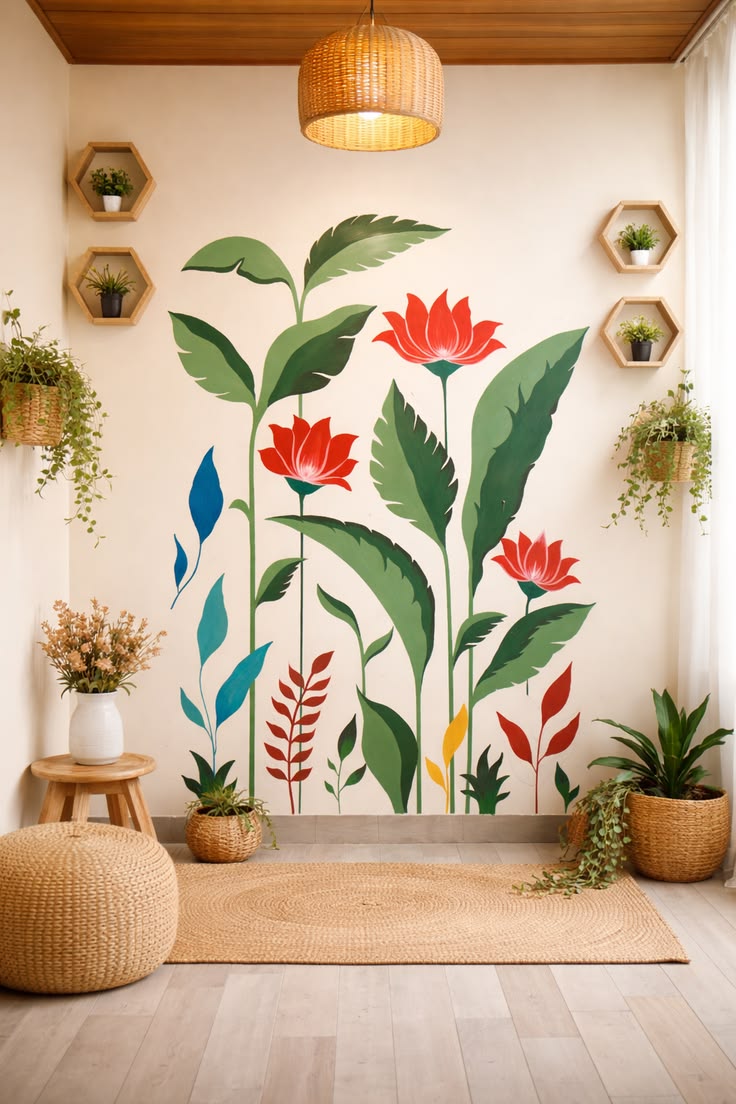
Botanical illustrations, tropical leaves, forest landscapes and floral compositions remain popular choices. Furthermore, earthy colours such as sage green, terracotta, beige and olive create a soothing visual atmosphere. These designs work particularly well in bedrooms, living rooms and wellness spaces.
2. Abstract and Geometric Compositions
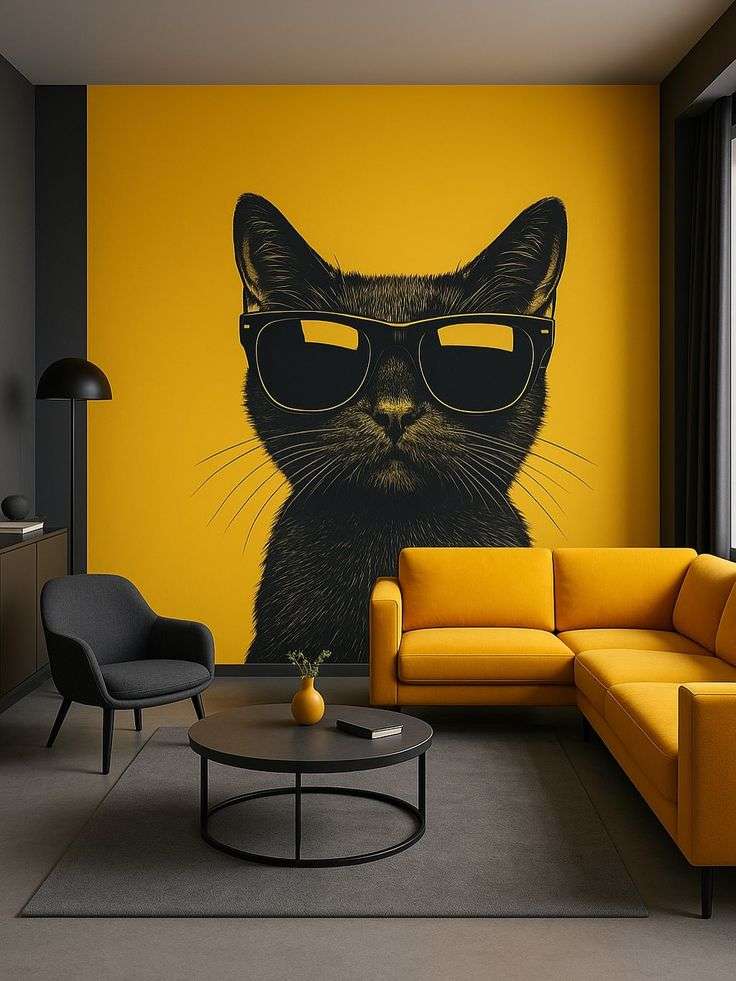
For contemporary interiors, abstract artwork offers excellent creative flexibility. Curved shapes, overlapping forms and geometric patterns introduce movement without making the wall appear overcrowded. Additionally, neutral shades combined with carefully selected accent colours create a sophisticated finish.
3. Traditional Indian Art and Cultural Motifs
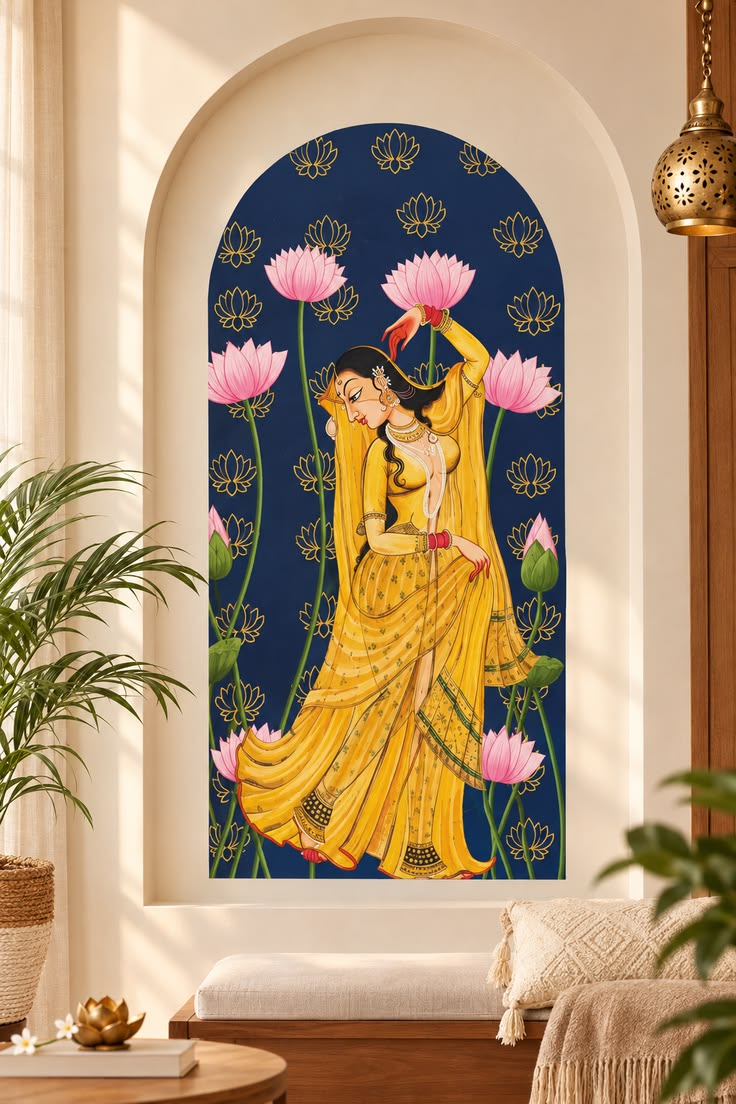
Indian artistic traditions offer endless inspiration for customised wall paintings. For instance, Pichwai, Madhubani and Warli-inspired compositions bring cultural depth into modern spaces. However, adapting traditional elements to contemporary colour palettes helps maintain visual harmony.
4. Three-Dimensional Relief Artwork
Unlike conventional paintings, relief murals introduce physical depth through sculpted surfaces. Artists use materials such as POP, cement-based compounds and other suitable mediums to create raised patterns and artistic detailing. Consequently, natural and artificial lighting produces interesting shadows across the artwork.
Choosing the Right Artwork for Different Spaces
The placement of a mural matters as much as its artistic style. For example, a large botanical composition can complement a living room, while a subtle abstract design may work better in a bedroom.
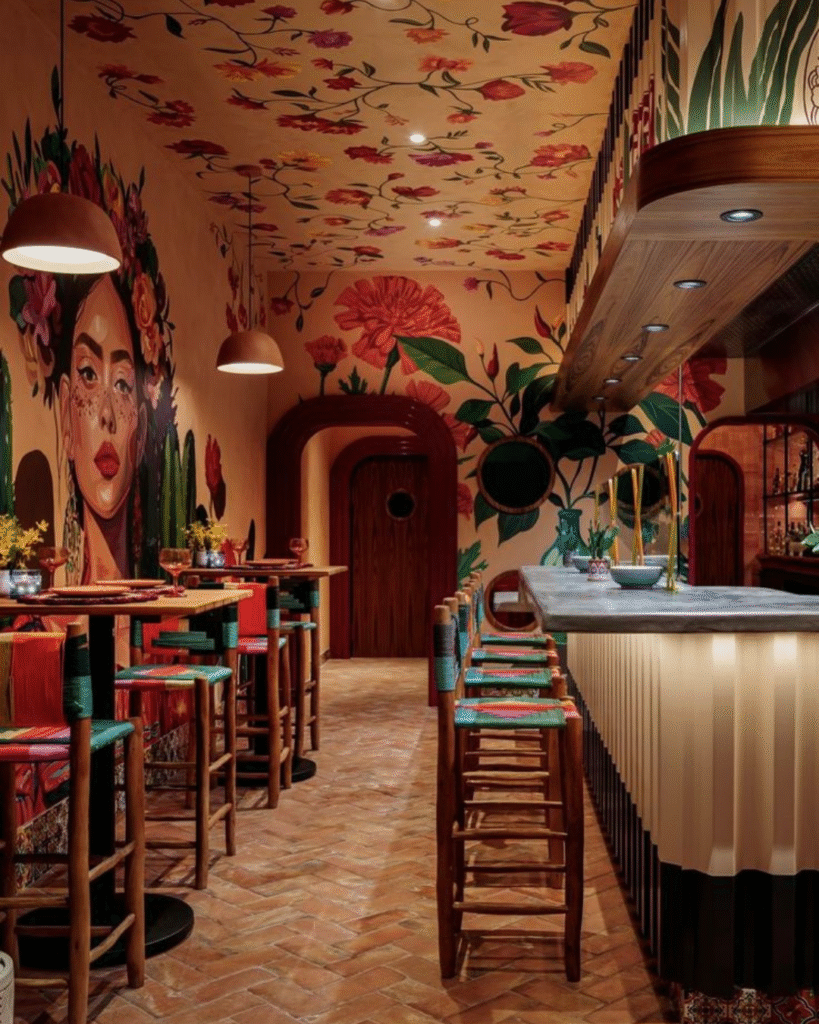
Similarly, commercial interiors require a different approach. Restaurants and cafés can use storytelling artwork to establish a memorable atmosphere. Meanwhile, offices may benefit from architectural graphics, brand-inspired illustrations and creative feature walls.
Before finalising a concept, consider the available wall area, furniture arrangement, lighting conditions and surrounding colour palette. This ensures that the artwork complements the complete interior rather than competing with other design elements.
Hand-Painted Murals or Printed Wallpaper?
Both options offer decorative possibilities; however, they provide different artistic experiences.
Printed wallpaper generally follows predefined patterns and dimensions. In comparison, hand-painted murals allow greater freedom in composition, scale, colour selection and detailing.
Furthermore, an artist can adapt the artwork to architectural features, corners and unusual wall dimensions. Each composition can therefore become an original piece of artwork rather than a repeated decorative pattern.
Important Factors Before Starting a Mural Project

A successful mural requires more than an attractive concept. Firstly, the wall surface should be inspected for cracks, dampness and uneven areas. Proper preparation helps establish a suitable foundation for the artwork.
Secondly, choose appropriate paints and finishing materials according to the location. For example, commercial areas may require more durable finishes because of frequent use.
Finally, discuss the design, dimensions, estimated execution time and maintenance requirements before beginning the project. Professional planning helps avoid unnecessary changes during execution.
The Future of Artistic Wall Interiors
Interior design continues to embrace individuality and craftsmanship. Consequently, customised murals, sculptural relief artwork, organic compositions and culturally inspired paintings are finding their place in modern architecture. For more details visit to our page.
Rather than following every passing trend, homeowners should select artwork that reflects their personality and complements their surroundings. Ultimately, a well-executed mural is more than wall decoration; it is a lasting expression of creativity.
Frequently Asked Questions (FAQ)
1. What is a wall mural design?
A wall mural design is a large-scale artistic composition created directly on a wall. It can include abstract patterns, landscapes, portraits, cultural artwork or decorative illustrations.
2. Which mural designs are suitable for modern homes?
Nature-inspired artwork, minimalist abstracts, geometric patterns and customised relief murals are excellent options for contemporary homes.
3. Are hand-painted murals better than wallpaper?
Hand-painted murals offer greater customisation and original artistic detailing. Wallpaper, however, can be a practical choice for predefined patterns and quicker installation.
4. Can murals be created for commercial spaces?
Yes. Restaurants, cafés, offices, hotels and retail stores can use customised murals to communicate their identity and create distinctive interiors.
5. How long does a wall mural last?
A professionally executed mural can last for several years. Its lifespan depends on surface preparation, paint quality, environmental conditions and maintenance.
6. What is the difference between a painted mural and a relief mural?
A painted mural uses colours and brushwork to create artwork on a flat surface. In contrast, a relief mural uses sculpted materials to produce raised patterns and three-dimensional depth.
Latest Posts
-
Mural Meaning: Discover the Art Behind Every Wall
A mural means a large-scale artwork painted, drawn, or sculpted directly onto a wall, ceiling, or other permanent surface. Unlike […]
-
Wall Mural Artist: Why Growing Demand for Artistic Walls in Modern Interiors
Wall Mural Artist: Why Demand for Artistic Walls Is Growing in Modern Interiors Demand for wall mural artist is rising […]
-
Mural Art Painting: A New Language of Interior Design
Walls are no longer just background surfaces. Instead, they have become creative spaces where art, architecture and personal expression come […]
-
Mural Wall Art: Unique Designs & Artistic Ideas for Modern Spaces
Walls are no longer just structural elements of a building. Instead, they offer an opportunity to express creativity, personality and […]
-
Mural Painting in 2026: Art That Gives Every Wall a Story
Walls are no longer just structural elements of a building. Instead, they have become creative spaces where art, culture, and […]
-
Mural Painting Cost in India – What Determines the Price of a Custom Wall Mural?
A beautifully painted wall can bring personality, creativity and artistic value to any space. However, before choosing a design, most […]