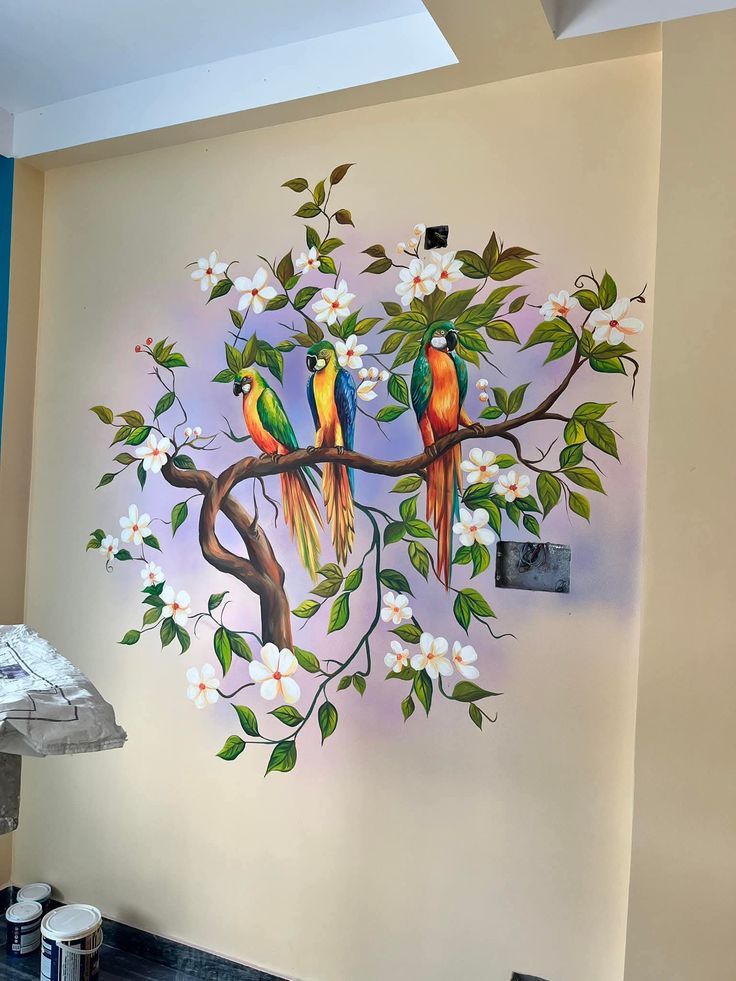
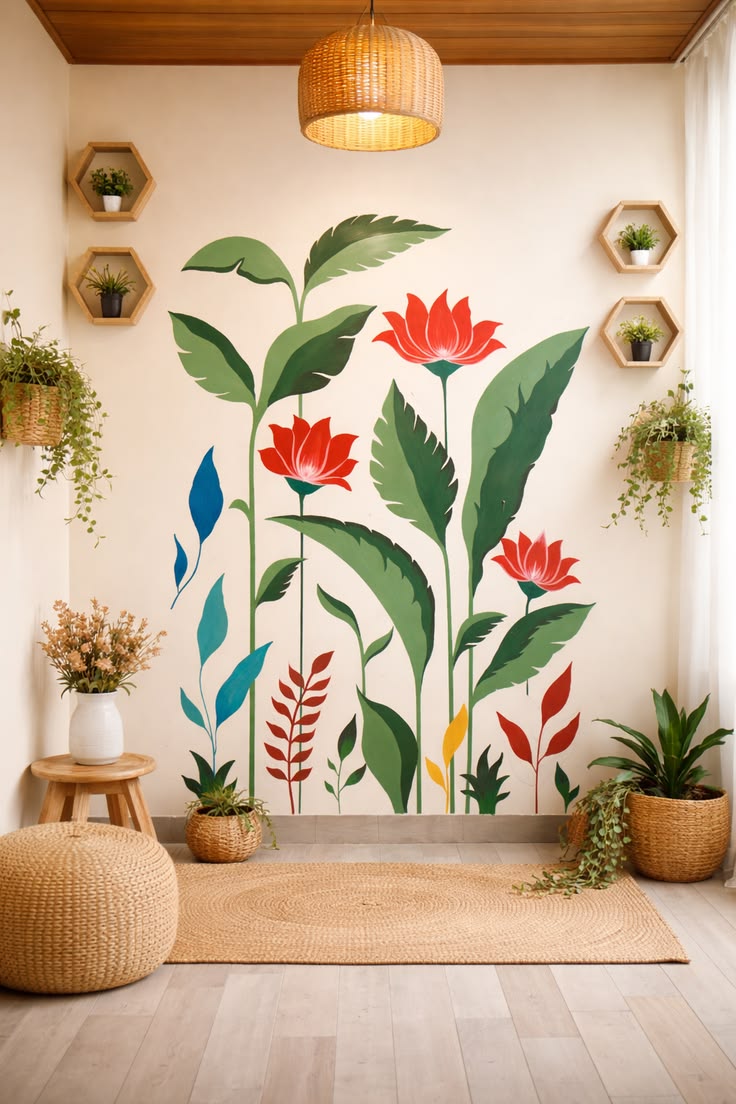
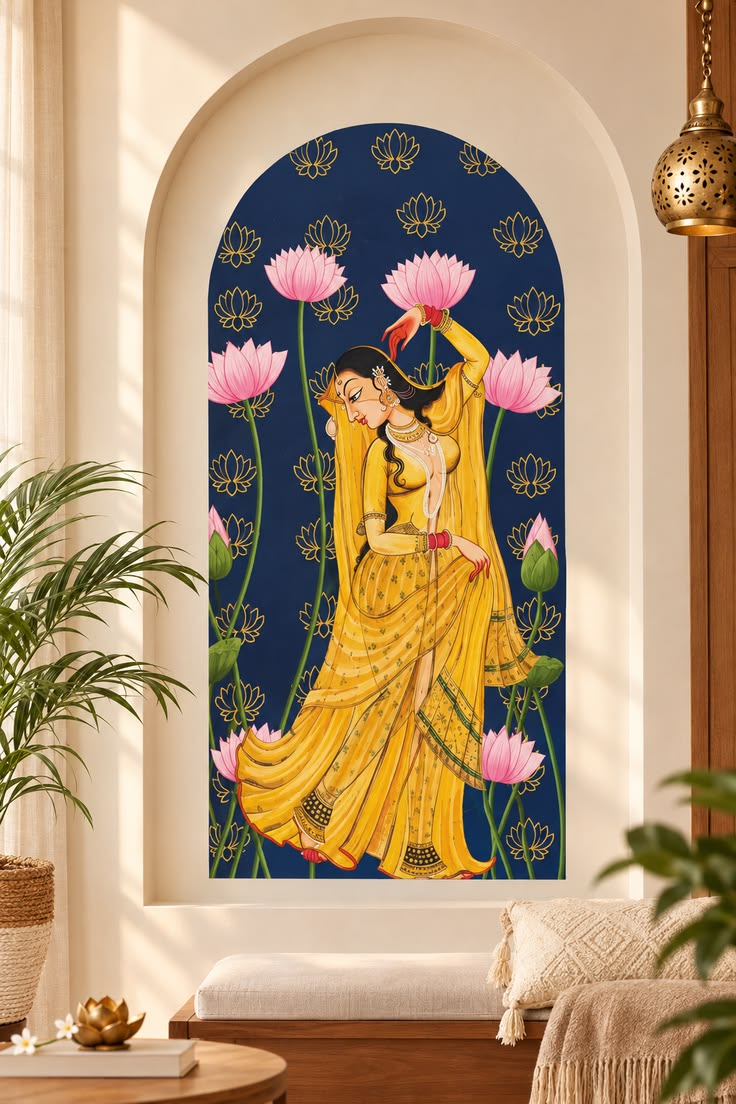
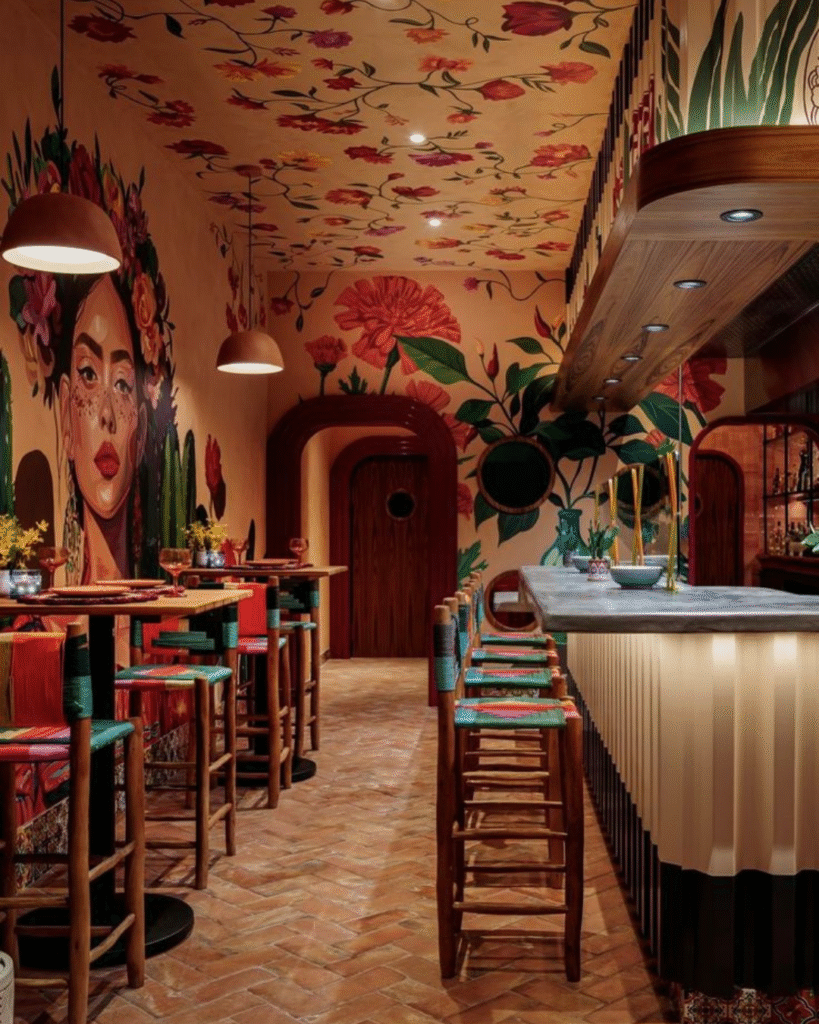
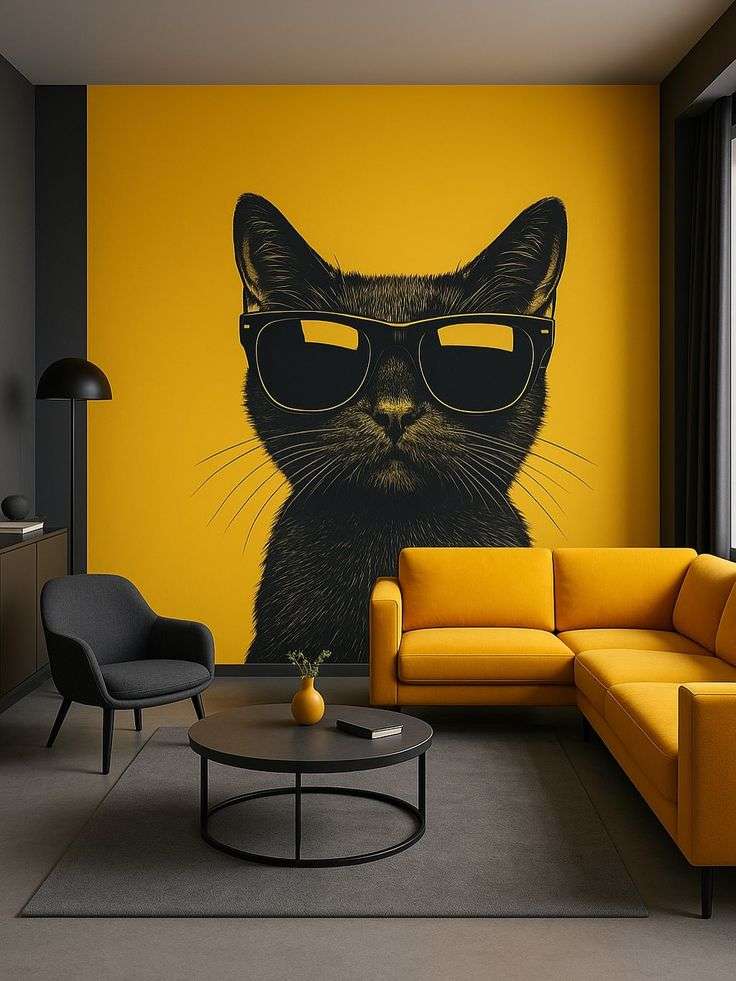
A mural means a large-scale artwork painted, drawn, or sculpted directly onto a wall, ceiling, or other permanent surface. Unlike ordinary paintings displayed in frames, murals become part of the architecture itself. They communicate stories, express creativity, preserve cultural traditions, and give spaces a distinctive artistic identity. Today, mural art is increasingly popular in luxury homes, restaurants, hotels, offices, and contemporary commercial interiors for Mural meaning.
Where Did Mural Art Begin?
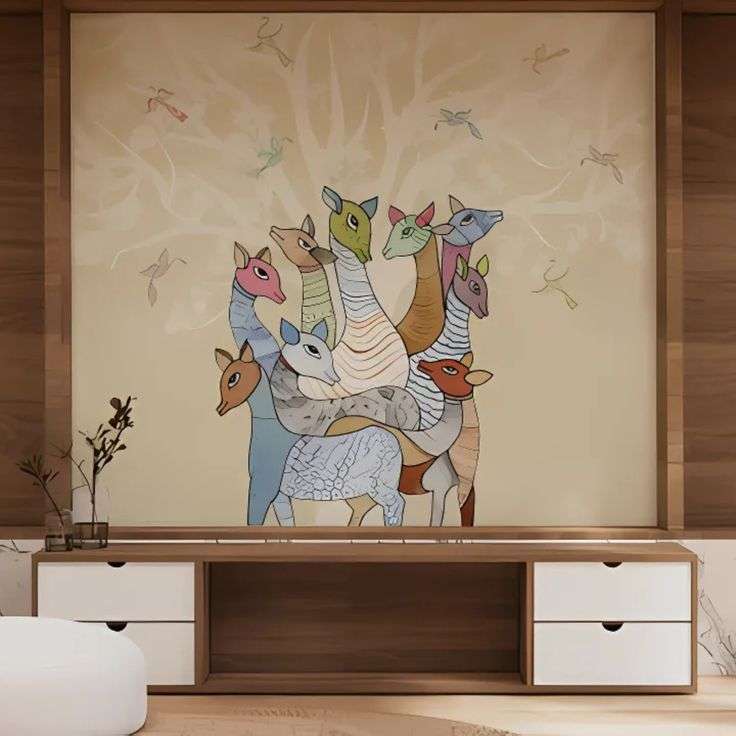
The word mural comes from the Latin word murus, meaning wall. Historically, people used walls as a canvas to communicate beliefs, document important events, and express cultural identities.
For example, ancient Egyptian tomb paintings, Roman frescoes, and traditional Indian wall illustrations demonstrate how murals have connected art with everyday life. Similarly, Indian artistic traditions such as Madhubani, Warli, Pichwai, and Kerala mural painting reflect regional culture and craftsmanship. For more details visit to our page.
Over time, mural painting developed beyond religious and historical storytelling. Today, artists explore contemporary subjects, abstract compositions, architectural elements, and experimental materials.
Different Forms of Mural Art
Mural art is not limited to traditional wall painting. Instead, it includes several artistic techniques that create different visual experiences for Mural meaning.
1. Hand-Painted Wall Murals
Hand-painted murals are created directly on walls using brushes, paints, and artistic techniques. They can feature landscapes, botanical illustrations, portraits, traditional patterns, or contemporary compositions.
Furthermore, every hand-painted design allows artists to work with the wall’s dimensions, colors, and surroundings for Mural meaning.
2. Three-Dimensional Relief Murals
Unlike conventional paintings, relief murals introduce physical depth through sculpting and layered materials. Artists use materials such as POP, cement, and other suitable compounds to create raised figures, textures, and sculptural details.
Consequently, natural and artificial lighting can create interesting shadows across the artwork for Mural meaning.
3. Abstract and Contemporary Murals
Abstract murals focus on shapes, colours, lines, and visual movement rather than realistic subjects. Meanwhile, contemporary designs combine modern artistic expressions with architectural surroundings.
These styles are particularly suitable for modern residences, creative offices, cafés, and hospitality interiors.
4. Traditional and Cultural Murals
Traditional murals celebrate heritage through mythology, folklore, nature, spirituality, and regional artistic techniques. For instance, Pichwai-inspired compositions and Indian folk-art illustrations bring cultural narratives into modern spaces. For more details visit to our page.

Why Are Murals Important Today?
Murals offer more than decorative appeal. They help people connect with a space through visual storytelling and artistic expression.
For homeowners, mural artwork can reflect personal interests, cultural connections, and individual creativity. Similarly, restaurants and cafés can use distinctive wall compositions to establish their atmosphere and visual identity.
Furthermore, offices, hotels, and retail spaces can incorporate artistic walls to communicate their brand personality.
Unlike framed paintings, murals are developed around a specific surface. Therefore, their composition can complement architectural features, furniture arrangements, lighting, and interior colour palettes.
Mural Art in Modern Architecture
Modern architecture increasingly recognises walls as creative surfaces rather than simple structural boundaries. As a result, architects and interior designers are exploring artistic finishes alongside conventional interior materials.
For example, hand-painted illustrations, sculptural reliefs, marble-inspired textures, metallic finishes, and limewash effects offer different possibilities for artistic wall design.
Additionally, the combination of traditional craftsmanship and contemporary aesthetics creates interesting opportunities for residential and commercial interiors.
Choosing the Right Artistic Direction
Selecting a mural requires understanding the purpose of the space, the available wall area, and the desired visual atmosphere.
First, consider whether the artwork should communicate a story or simply complement the interior. Next, explore suitable colours, artistic styles, and materials. Finally, ensure that the wall surface is properly prepared before execution.
Most importantly, choose an artistic approach that remains visually relevant to the architecture and the character of the space.
Art That Lives Beyond the Canvas
A mural is more than paint on a wall. It represents creativity, craftsmanship, culture, and storytelling through a permanent artistic surface.
Whether it is a traditional Indian composition, a contemporary abstract painting, or a detailed three-dimensional relief, mural art gives architecture another dimension of expression.
Ultimately, the true meaning of a mural lies in its ability to turn a simple wall into a canvas for artistic storytelling.
Latest Posts
Krishna Mural Painting: Divine Art for Modern Interiors
Krishna mural painting is a beautiful way to bring spirituality, Indian heritage and artistic expression into modern interiors. From the […]
Wall Mural Artist: Why Growing Demand for Artistic Walls in Modern Interiors
Wall Mural Artist: Why Demand for Artistic Walls Is Growing in Modern Interiors Demand for wall mural artist is rising […]
Wall Mural Design: Where Art Meets Modern Architecture
Walls are no longer just structural elements of a building. Today, they offer an opportunity to express creativity, personality and […]
Mural Art Painting: A New Language of Interior Design
Walls are no longer just background surfaces. Instead, they have become creative spaces where art, architecture and personal expression come […]
Mural Wall Art: Unique Designs & Artistic Ideas for Modern Spaces
Walls are no longer just structural elements of a building. Instead, they offer an opportunity to express creativity, personality and […]
Mural Painting in 2026: Art That Gives Every Wall a Story
Walls are no longer just structural elements of a building. Instead, they have become creative spaces where art, culture, and […]