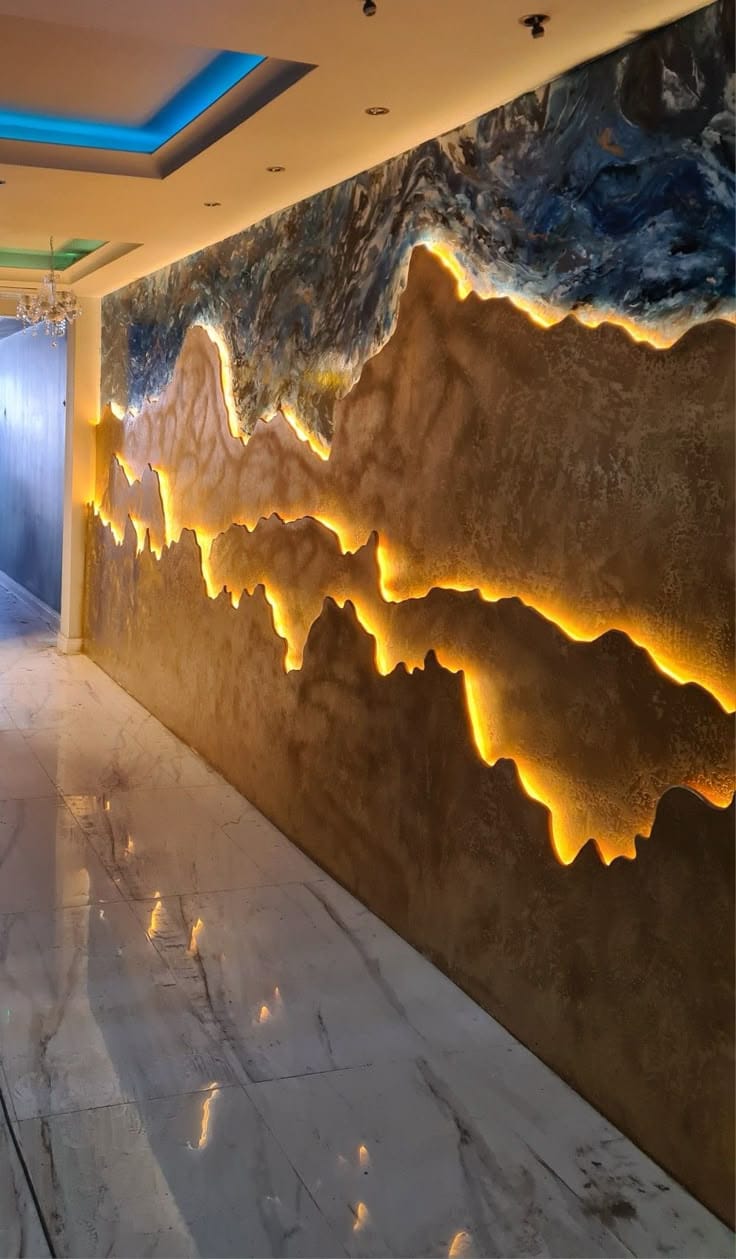
Relief wall art brings sculpture into an architectural setting by allowing forms to project from a supporting surface. However, not every relief has the same depth or visual character. The two most recognised styles are bas-relief and high-relief wall art. Although both create raised artwork, they differ mainly in projection, shadow, modelling, and visual impact.
Understanding this difference is useful when choosing a sculptural wall design for a home, hotel, restaurant, office, or luxury interior. Therefore, let us look at how these two techniques compare and where each one works best.
Understanding the idea of relief art
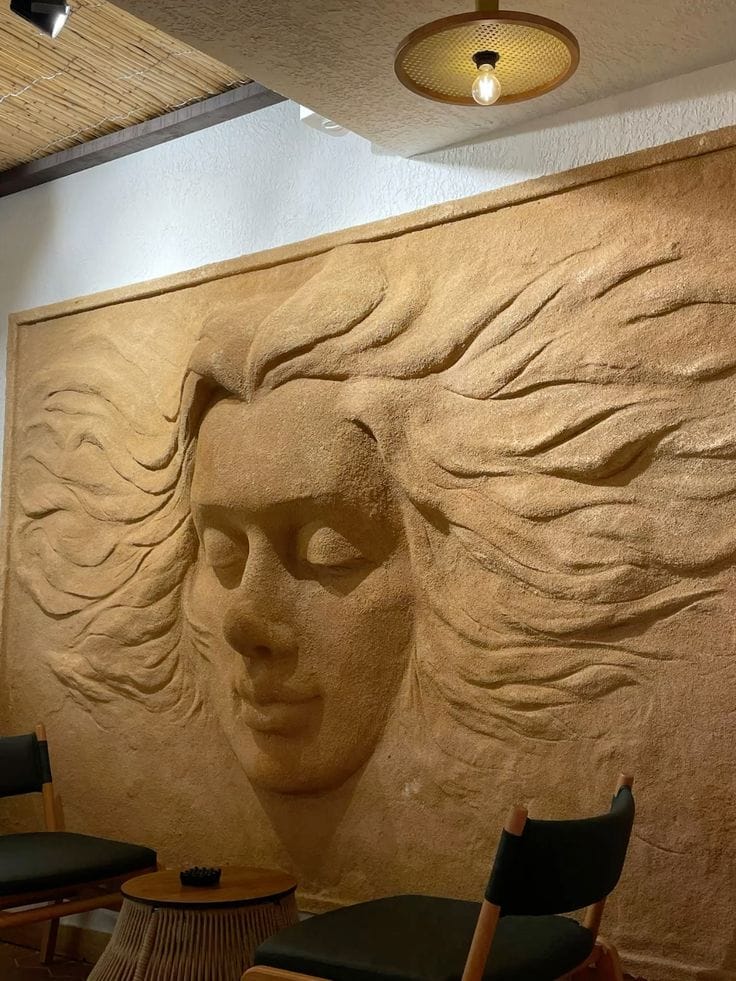
Relief sculpture combines elements of sculpture and a flat background. In other words, the artwork remains attached to its supporting surface while selected forms project outward. The National Gallery explains that relief sculpture is built in layers over a flat ground.
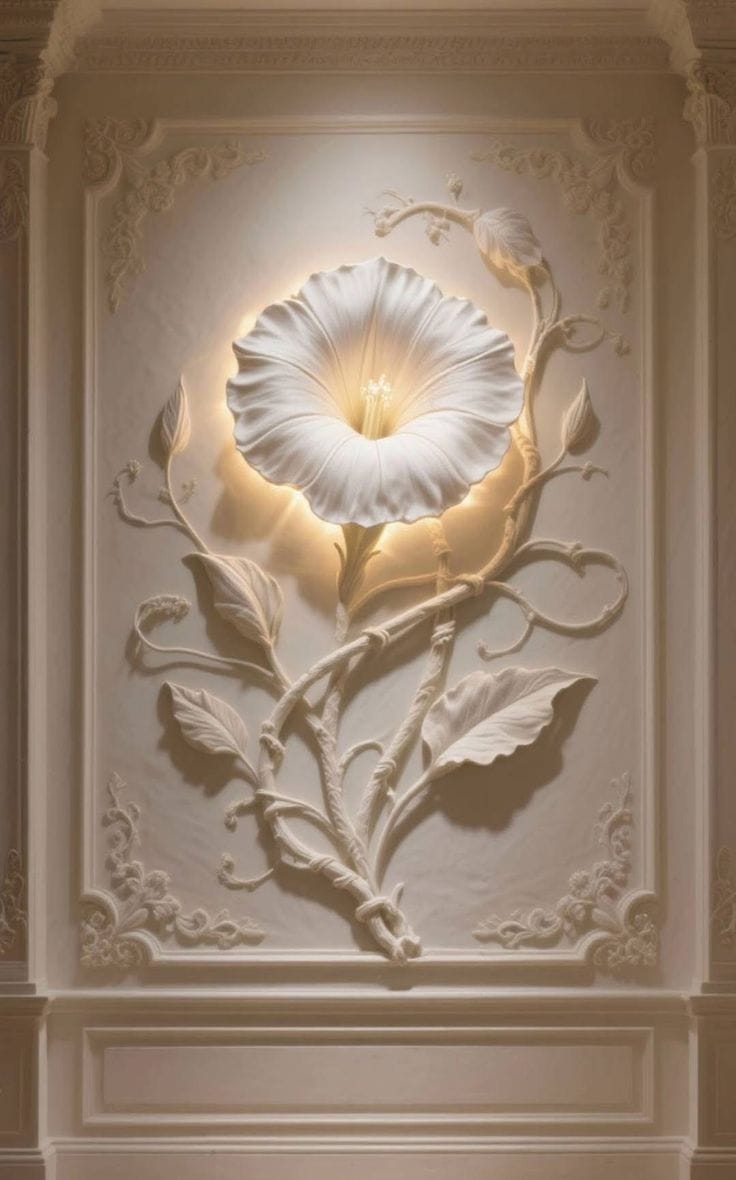
Similarly, the Getty describes relief as artwork where figures project from a supporting background. Therefore, lighting becomes an important part of the experience because raised forms naturally create highlights and shadows.
How bas-relief creates subtle depth
Bas-relief, also called low relief, uses relatively shallow projection. As a result, the artwork remains closely connected to the wall. Details are usually modelled with controlled depth rather than strong undercutting.
For example, faces, leaves, geometric patterns, floral motifs, and architectural details can be represented through carefully shaped surfaces. Consequently, bas-relief often feels refined and understated.
The Fitzwilliam Museum defines bas-relief as a relief technique where the projection of forms is relatively shallow.
Because the depth is limited, this style can work particularly well across wider wall areas. Moreover, directional lighting can bring out the subtle changes in surface height without making the artwork appear overly heavy.
Why high relief feels more sculptural
High relief takes the artwork considerably farther away from its background. Therefore, figures and major elements appear more three-dimensional. Some sections can even approach a freestanding sculptural appearance.
The Getty notes that high relief projects strongly toward the viewer and can sometimes appear almost detached from its background.
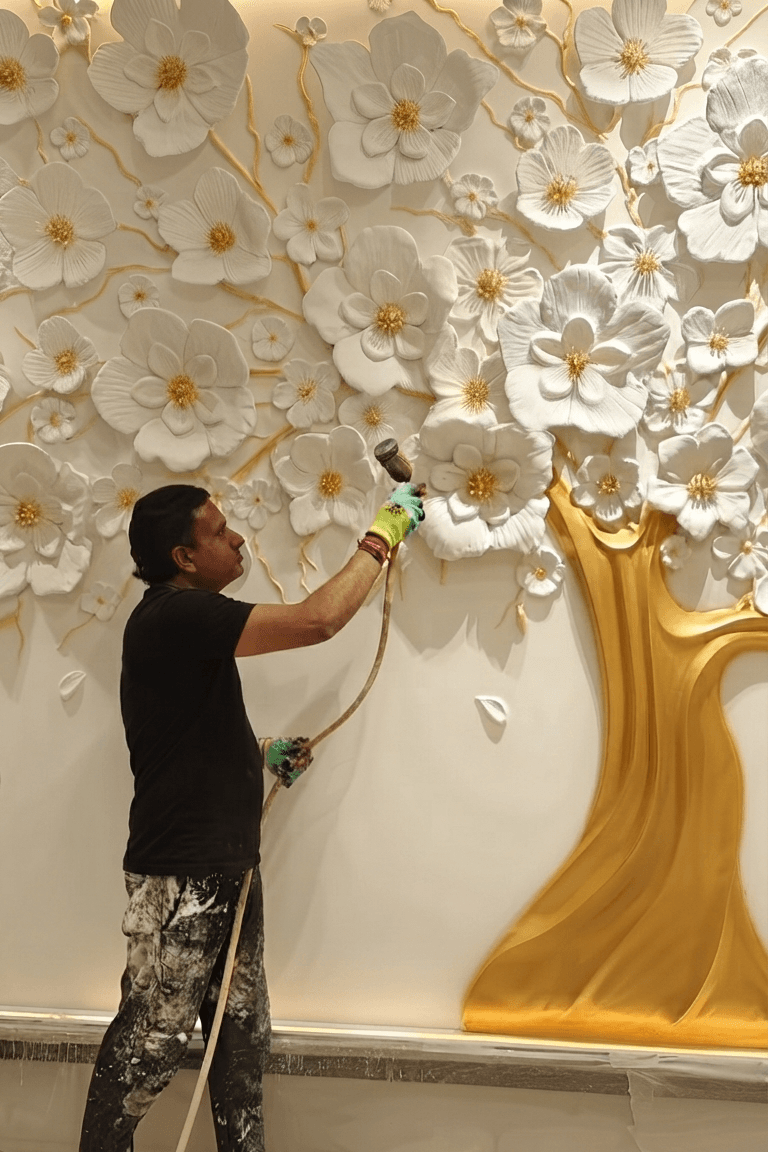
As a result, high-relief wall art is especially effective when a design needs a strong focal point. Large faces, hands, animals, mythological figures, botanical forms, and dramatic architectural compositions can benefit from deeper modelling.
High relief can also use deeper undercuts. Consequently, lighting produces stronger shadows and greater contrast across the artwork.
Key differences at a glance
The easiest way to understand bas-relief and high-relief wall art is to compare their physical depth and visual behaviour.
| Feature | Bas-Relief | High Relief |
|---|---|---|
| Projection | Shallow | Deep |
| Visual effect | Subtle and refined | Dramatic and sculptural |
| Shadow depth | Softer | Stronger |
| Undercutting | Limited | More pronounced |
| Best suited for | Broad decorative surfaces | Feature walls and focal areas |
| Overall character | Architectural | Sculptural |
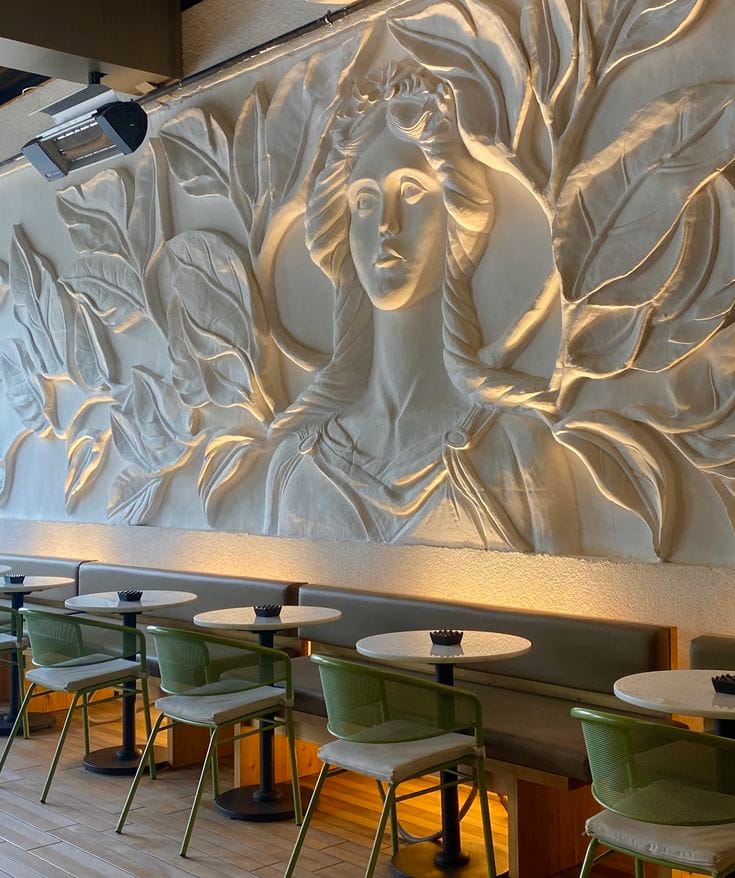
Importantly, the exact boundary between low and high relief can vary depending on the artistic tradition. However, projection remains the primary distinction.
Choosing the right style for an interior
When selecting between the two, first consider the wall size and viewing distance. Bas-relief can be a practical choice when the design needs to remain visually connected to a large surface. On the other hand, high relief may be preferable when the artwork should command attention from across the room for bas-relief and high-relief wall art.
Next, consider lighting. Warm wall washers, spotlights, and directional fixtures can emphasise relief depth. Therefore, the lighting plan should ideally be considered alongside the artwork.
Finally, think about maintenance and installation requirements. Deeper reliefs may require more structural planning, careful finishing, and greater attention during installation. For more details visit to our page.
Related art resources to explore
For readers interested in learning more about relief sculpture, these resources are useful:
- National Gallery – “Relief”: an art glossary explaining relief sculpture and high relief. National Gallery: Relief
- Getty – “What Is a Relief?”: a clear introduction to low and high relief. Getty: What Is a Relief?
- Smithsonian National Museum of Asian Art – “Relief”: an overview of three-dimensional forms projecting from flat surfaces. Smithsonian: Relief Glossary
- Fitzwilliam Museum – “Bas-relief”: terminology and definition of low relief. Fitzwilliam Museum: Bas-relief
Frequently Asked Questions
Is bas-relief the same as low relief?
Yes. Bas-relief is another term for low relief. The forms project only slightly from the supporting background.
What makes high relief different?
High relief has substantially greater projection. Furthermore, some areas may be deeply undercut and appear almost detached from the wall.
Which is better for a feature wall?
Either can work. However, high relief is often suitable for dramatic focal walls, while bas-relief can provide a quieter decorative effect across larger surfaces.
Does lighting affect relief wall art?
Yes. Lighting strongly affects how depth is perceived. In particular, directional light can emphasise raised edges, textures, and shadows.
Can relief art be made from plaster or other materials?
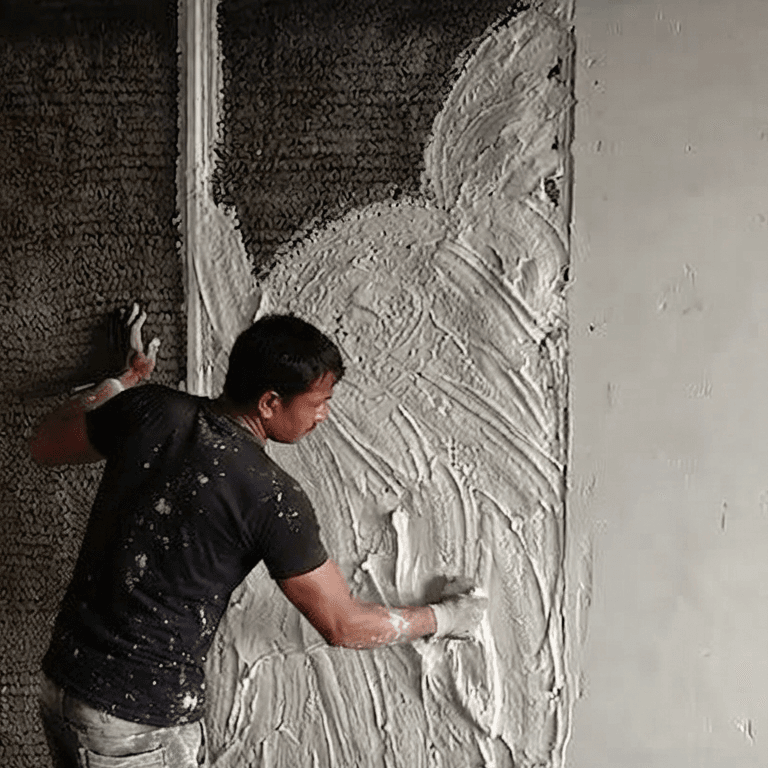
Yes. Relief artwork can be carved, modelled, moulded, or assembled using different materials. The technique and material depend on the desired depth, finish, durability, and installation requirements.
What is the main difference between bas-relief and high-relief wall art?
The main difference is depth of projection. Bas-relief remains relatively shallow, whereas high relief projects much farther from its background and can create a stronger three-dimensional appearance for bas-relief and high-relief wall art.
External Reference Websites
- Metropolitan Museum of Art – Relief Sculpture Collection: https://www.metmuseum.org/
- Victoria and Albert Museum – Sculpture Collection: https://www.vam.ac.uk/
- Smithsonian American Art Museum – Sculpture Resources: https://americanart.si.edu/
- Britannica – Relief Sculpture: https://www.britannica.com/art/relief-sculpture
Latest Posts
8 Tips for Outdoor Mural Relief Walls That Last (2026)
An outdoor mural relief turns a plain exterior wall into a striking, three-dimensional feature — but only when it’s planned […]
What Materials Are Used for Mural Relief?
Mural relief materials play an important role in determining the depth, strength, texture, and finish of three-dimensional wall art. Mural […]
How Much Do Wall Murals Cost? A Complete Guide for Every Space
Wondering about the wall mural cost before starting your project? A mural is a custom artwork painted directly onto a […]
What Wall Preparations Should Be Made Before You Come to Paint the Mural?
A beautiful mural begins long before the first brushstroke. In fact, wall preparation before mural painting plays a major role […]
Where to Buy Residential Wall Murals: A Practical Guide for Homeowners
Choosing residential wall murals is no longer limited to visiting a local décor shop. Today, homeowners can explore painted murals, […]
How Do Lighting Effects Impact Relief Murals?
Relief mural lighting plays an important role in showing the depth, texture, and details of three-dimensional wall art. However, their […]