Creating a mural requires more than just design and color. Instead, artists must prepare the wall properly to achieve a lasting result. Therefore, understanding the role of a primer for mural surface becomes essential before starting any artwork. At Oikar Studio, every mural project begins with careful surface preparation to ensure long-term quality.
What is Primer for Mural Surface and Why It Is Used
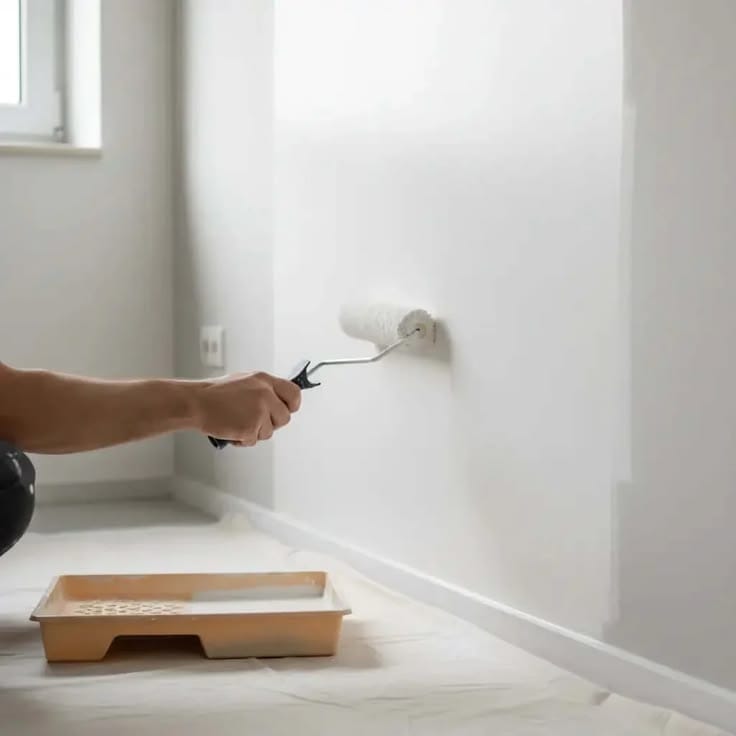
A primer for mural surface prepares the wall for painting. It helps paint stick better and creates a smooth base. In addition, it seals the surface and reduces uneven absorption.
Moreover, primer improves consistency across the wall. As a result, artists can apply colors more evenly without worrying about patchy areas.
Importance of Using the Right Mural Surface Primer
The right mural surface primer ensures durability and finish quality. If you skip this step, the paint may not hold properly. Therefore, professional teams like Oikar Studio always include priming as a core part of the mural process.
Because walls often contain dust or pores, primer fills those gaps. Consequently, it creates a stable base for detailed artwork.
Benefits of Primer for Mural Surface Preparation
Primer for mural surface offers several clear benefits. Firstly, it increases paint adhesion and durability. Secondly, it enhances color brightness by providing a neutral base.
In addition, primer reduces paint usage. Therefore, artists can control material costs more effectively.
Furthermore, it prevents peeling and cracking over time. As a result, murals stay fresh and intact for years. This approach is consistently followed by Oikar Studio to maintain premium-quality finishes.
Types of Mural Surface Primers for Different Walls
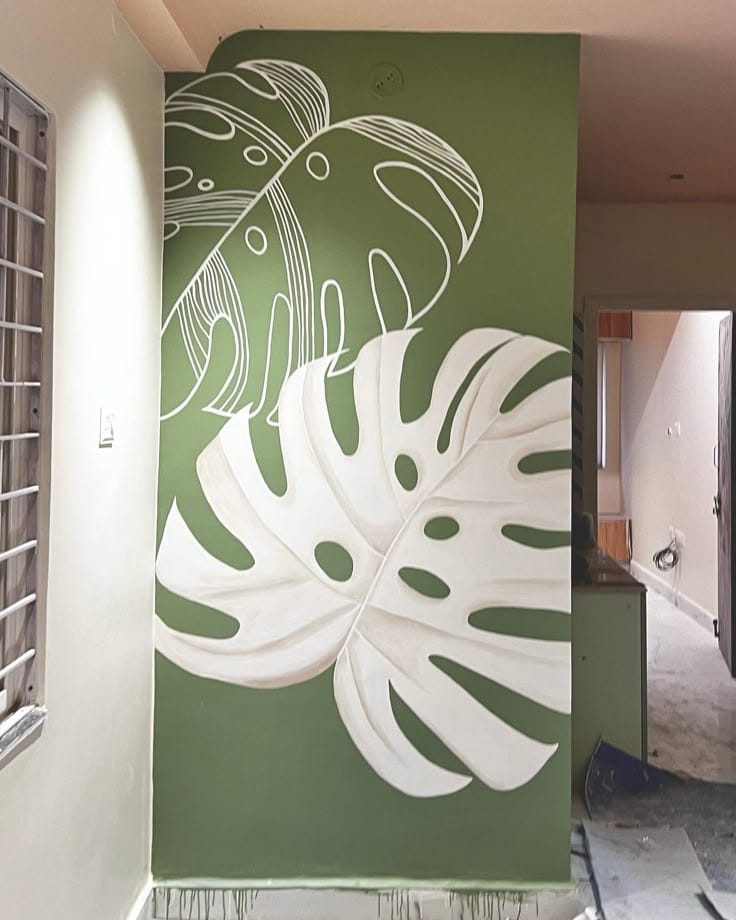
Different walls require different primers. For example, cement walls need strong bonding primers. On the other hand, wooden surfaces require sealing primers.
Exterior murals demand weather-resistant primers. Meanwhile, interior murals work well with low-odor, quick-drying options.
Because each surface behaves differently, selecting the right primer becomes important for long-term results.
Primer for Cement and Concrete Mural Surfaces
Cement walls absorb more paint. Therefore, artists use high-adhesion primers to control absorption and improve durability.
Primer for Wooden and Textured Wall Murals
Wood and textured walls require sealing primers. These primers smooth the surface and help paint spread evenly.
Common Mistakes When Applying Primer for Mural Surface
Many artists make avoidable mistakes during priming. For instance, some skip proper cleaning before applying primer. As a result, dust affects adhesion.
Others apply uneven coats, which leads to inconsistent paint layers. Additionally, rushing the drying process can weaken the base.
Therefore, following the correct method ensures better results.
How to Apply Primer for Mural Surface Properly
Start by cleaning the wall thoroughly. Then, repair cracks and smooth the surface. After that, apply primer evenly using a roller or spray.
Allow the primer to dry completely before painting. In most cases, one or two coats provide the best results.
Because proper application builds a strong base, the final mural looks more refined and long-lasting. Teams at Oikar Studio follow this step-by-step process for consistent results across projects.
Choosing the Best Primer for Wall Murals
Choosing the right primer depends on the wall type and environment. For outdoor murals, select weather-resistant options. For indoor projects, choose low-odor primers.
In addition, always check compatibility with paint type. This step ensures better bonding and finish quality.
Final Thoughts
A mural depends on both design and preparation. Therefore, primer for mural surface plays a crucial role in achieving professional results.
In conclusion, proper priming improves durability, enhances finish, and supports long-term performance. At Oikar Studio, this foundation-first approach ensures that every mural stands strong over time.
FAQs
1. Why is primer necessary before mural painting?
Primer improves paint adhesion, enhances color quality, and increases durability.
2. Can I skip primer for indoor murals?
Although it may seem unnecessary, skipping primer can lead to uneven paint and reduced lifespan.
3. How many coats of primer are required?
Usually, one to two coats are sufficient, depending on the wall condition.
4. Does primer reduce paint cost?
Yes, because it prevents excessive absorption, less paint is required.
5. Is primer different for exterior murals?
Yes, exterior primers are weather-resistant and designed for durability in outdoor conditions.
Latest Posts
Luxury Wall Murals: Bespoke Art for Sophisticated Interiors
Luxury wall murals are becoming a preferred choice for homeowners who want interiors with individuality, artistic depth, and lasting visual […]
Luxury Wall Design: Refined Textures, Artistic Murals and Modern Elegance
Luxury wall design is becoming an essential part of contemporary interiors. Rather than relying only on expensive furniture, homeowners are […]
The Modern Artist: Where Creativity Meets Contemporary Interior Design
An artist sees possibilities where others see an empty canvas. Today, creativity extends beyond traditional paintings and galleries into homes, […]
Art Studio: Where Creative Ideas Become Original Works of Art
An art studio is more than a room filled with brushes, colors, and canvases. It is a creative workspace where […]
Painting Studio in Kolkata: Where Art Meets Interior Spaces
A painting studio is no longer limited to canvases, easels, and framed artwork. Today, creative studios are increasingly connected with […]
Wall Artist: The Craft Behind Meaningful Wall Art
A wall artist does more than apply paint to a large surface. Instead, the artist studies the space, understands its […]