
Dry Wall Art Mediums are becoming increasingly popular in modern interior design, and it’s easy to understand why. As homeowners, designers, and businesses search for more meaningful ways to personalize their spaces, dry wall art mediums offer a refreshing alternative to flat, traditional paint finishes. Unlike ordinary wall paint, these materials add depth, texture, and a tactile quality that instantly elevates a room’s character. From subtle plaster finishes to bold sculptural relief work, the right dry wall art medium can completely transform how a space feels and functions.
One of the biggest advantages of dry wall art mediums is their versatility. Some materials create soft, organic textures ideal for calming spaces like bedrooms or reading nooks, while others allow for dramatic, sculptural designs that work beautifully as statement walls in living rooms, cafés, or retail interiors. This flexibility means there’s a suitable option for almost any design vision, whether the goal is understated elegance or eye-catching artistic impact.
Durability is another major benefit. Many dry wall art mediums are built to withstand daily wear far better than standard paint, making them a practical choice for high-traffic commercial spaces as well as residential homes. Materials like POP relief compounds, textured plasters, lime-based finishes, and mixed-media blends each bring their own unique visual language, allowing artists and designers to layer texture, shadow, and dimension into a single wall.
Ultimately, choosing the right dry wall art medium comes down to the mood you want to create. Whether you’re drawn to raw, handcrafted textures or clean, sculpted minimalism, exploring the 8 best materials highlighted in this guide will help you find a finish that feels both artistic and enduring — turning any plain wall into a genuine focal point.
What Are Dry Wall Art Mediums?
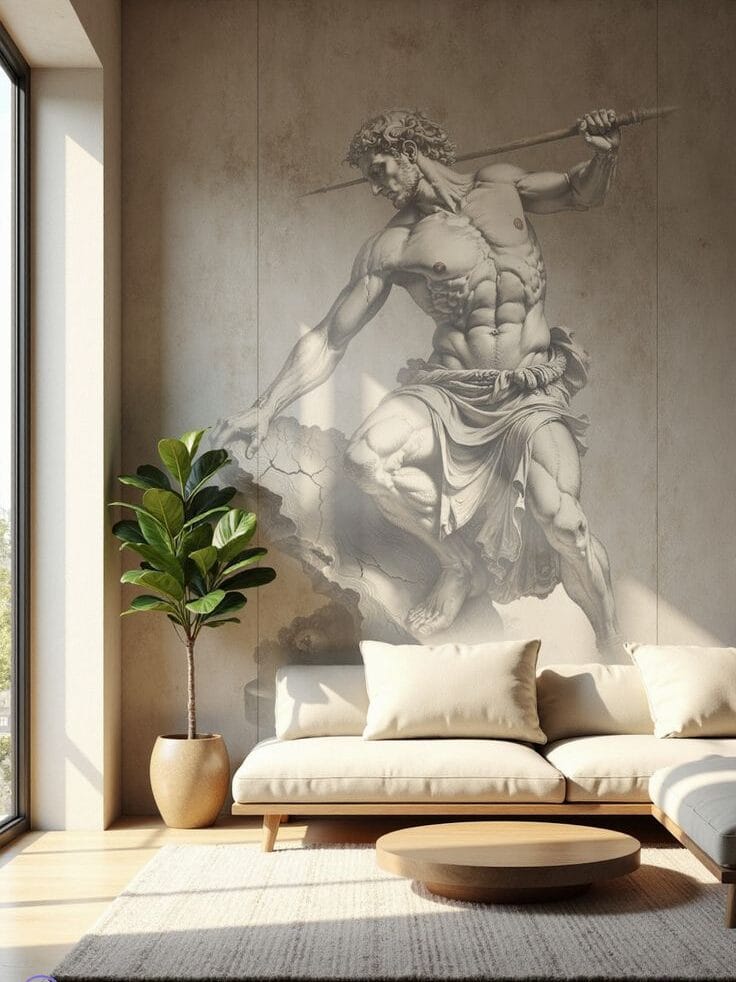
Dry wall art mediums include materials that create textured or raised wall designs without relying only on wet paint techniques. Typically, artists use Plaster of Paris (POP), gypsum-based compounds, and fiber-reinforced materials.
In addition, artists apply these materials in layers, shape them by hand, and finish them to achieve the desired effect. Because of this process, each artwork carries a handcrafted uniqueness.
Types of Wall Art Materials
Plaster-Based Dry Wall Art Materials
Plaster of Paris remains one of the most widely used materials. It offers lightweight handling, allows easy molding, and supports intricate detailing. Therefore, artists often choose it for relief murals and decorative panels.
Gypsum-Based Wall Art Solutions
Gypsum provides another reliable option. It delivers a smoother finish and improves durability compared to POP. Consequently, designers prefer it for modern and minimal styles.
Fiber-Reinforced Wall Art Materials
Fiber-based materials add strength and reduce the risk of cracks. For this reason, designers use them for large-scale installations. Furthermore, they suit both residential and commercial spaces.
Why Dry Wall Art Mediums Are Trending
Several factors drive this growing demand. First, these materials create a premium look without requiring heavy maintenance. Additionally, they allow complete customization, which makes each project unique.
At the same time, these materials support a wide range of styles. Designers experiment with abstract textures and nature-inspired reliefs. As trends shift toward personalized interiors, this flexibility becomes essential.
Applications in Interior Design
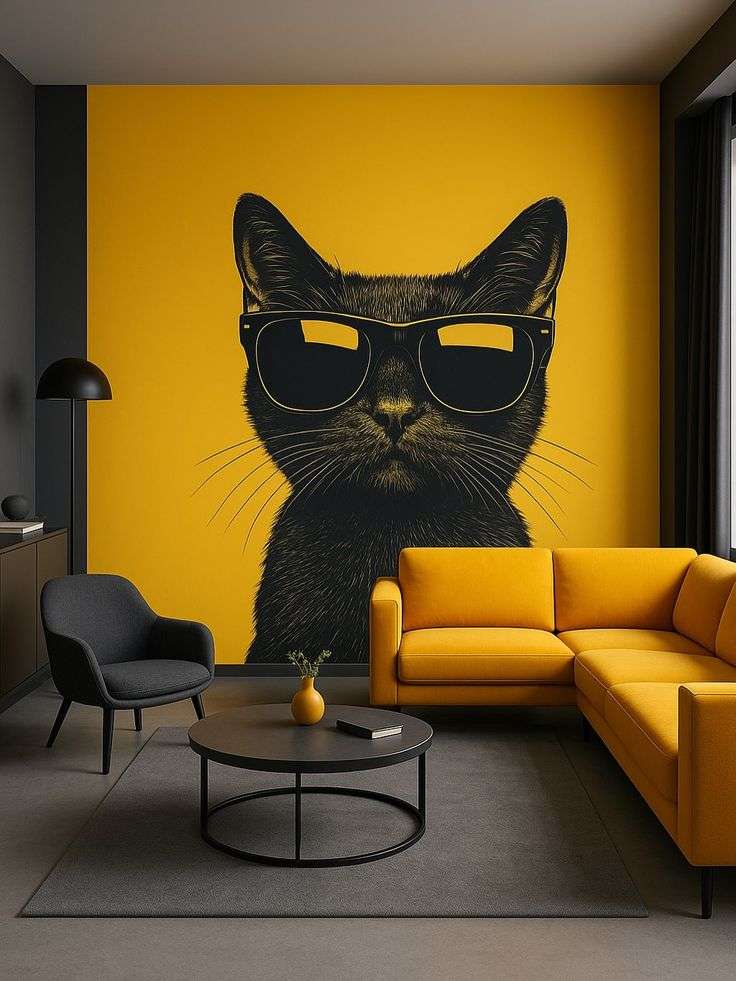
Designers use these materials in various ways. For instance, they create living room feature walls, bedroom backdrops, and entryway highlights.
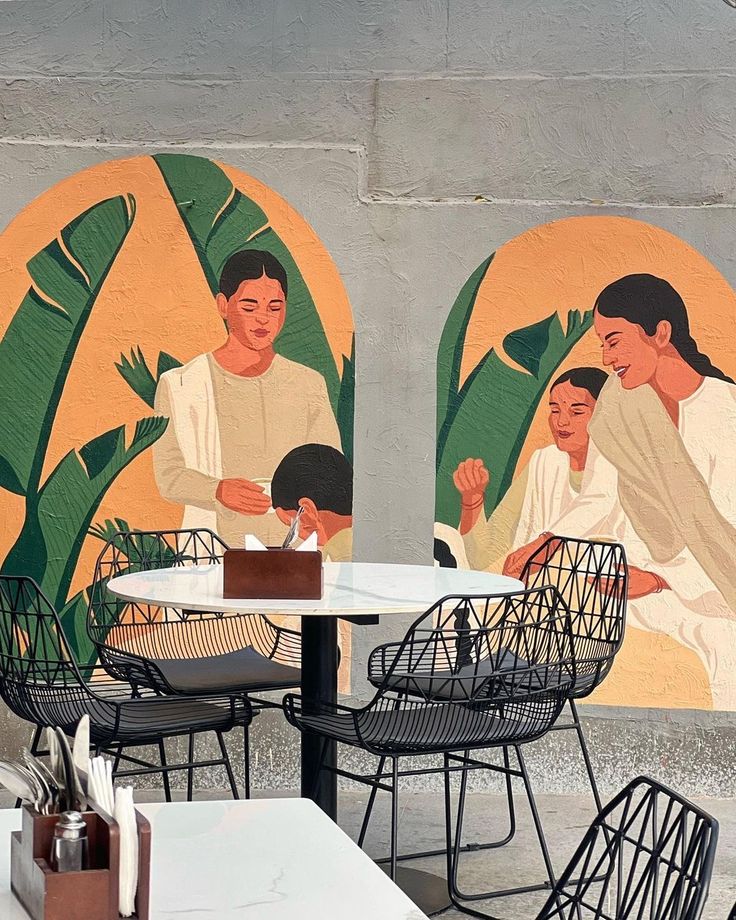
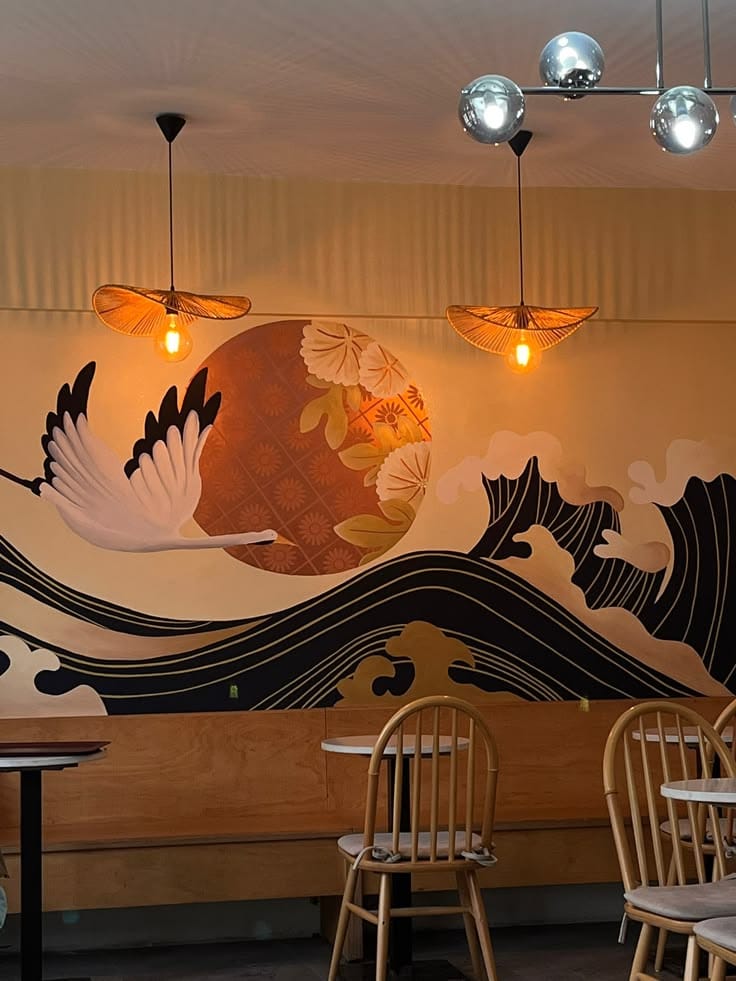
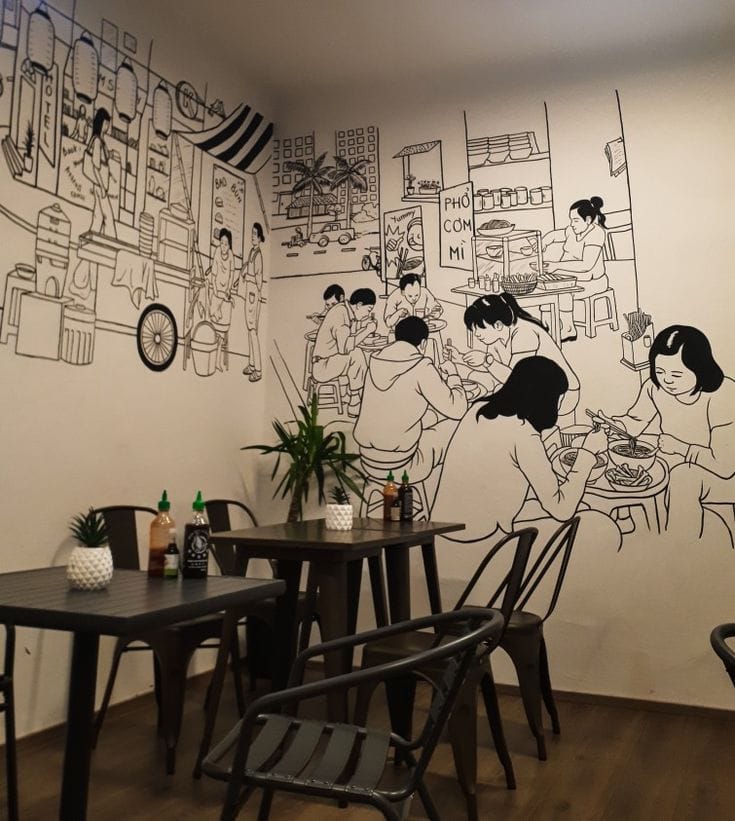
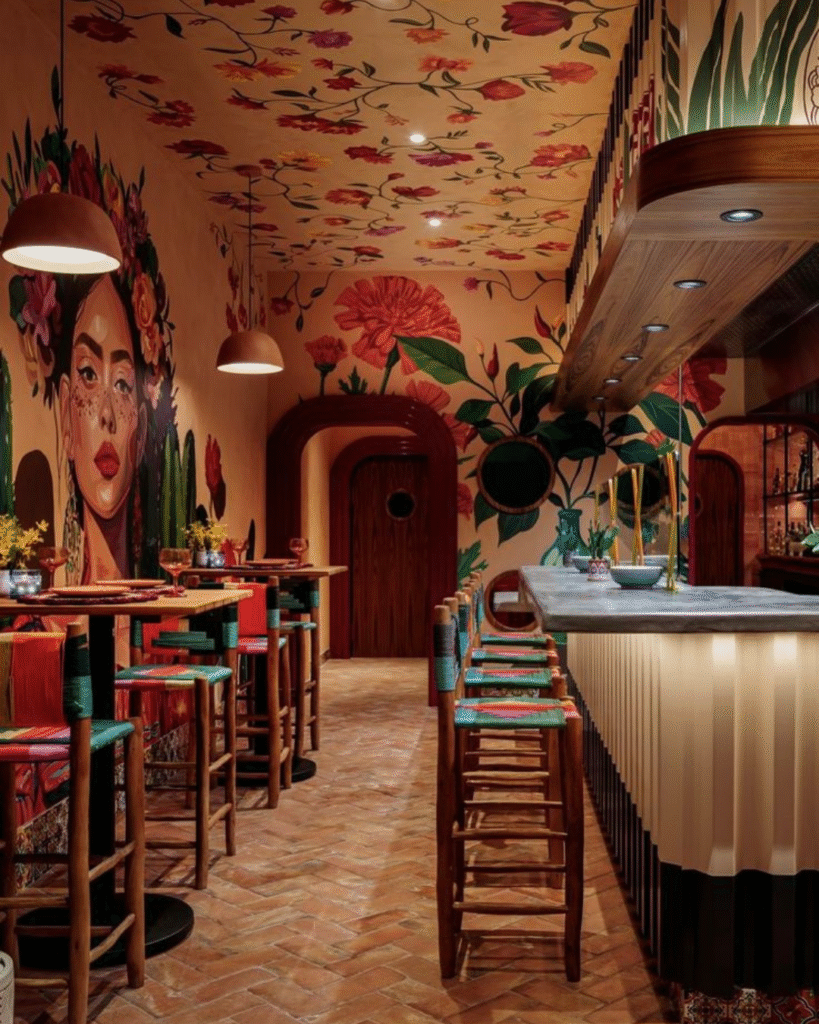
Moreover, commercial spaces such as offices, cafes, and showrooms adopt these designs to create visual impact. Since the materials remain durable, they maintain their appearance over time.
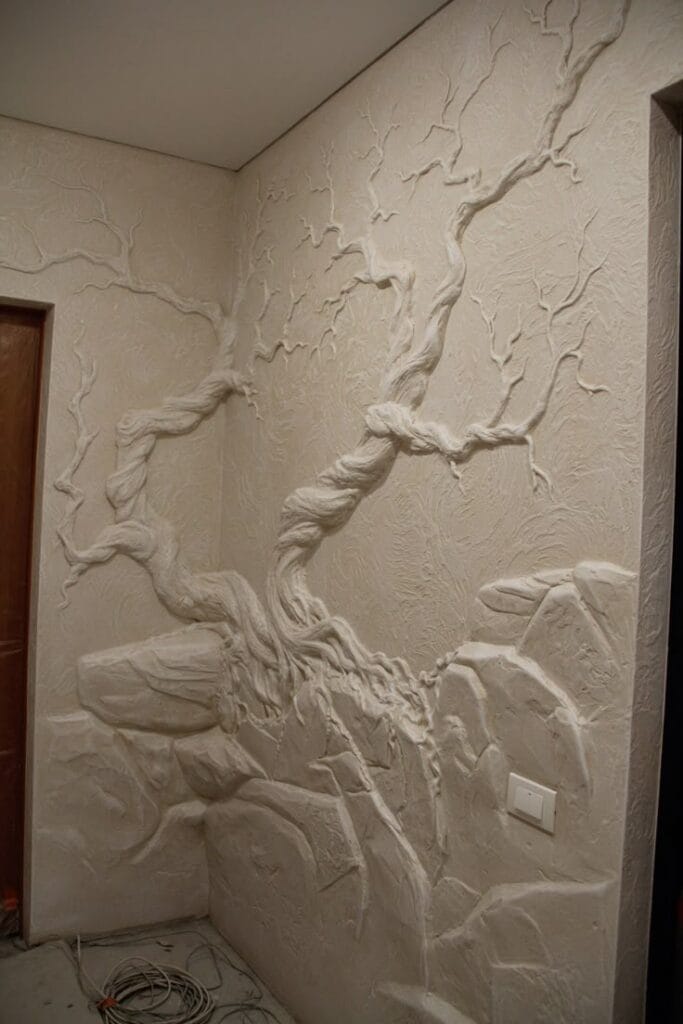
Choosing the Right Dry Wall Art Medium
You should choose the right option based on your design goals. If you need fine detailing, plaster works well. On the other hand, gypsum suits projects that require smooth finishes.
Additionally, consider the project scale. Large installations need fiber-reinforced materials because they provide better structural stability. You should also evaluate budget and maintenance needs before deciding.
Maintenance and Durability of Wall Art Mediums
This type of wall art offers long-term durability. Once you install it, you only need minimal maintenance. However, regular dusting helps maintain its appearance.
In some cases, professionals apply a protective coating to increase durability. This step helps the artwork remain intact for years.
Conclusion
Dry wall art mediums offer a practical yet artistic solution for modern interiors. They provide texture and depth while allowing complete creative freedom. As a result, many homeowners now prefer these materials for customized wall designs.
If you want long-lasting and visually engaging interiors, these materials offer a strong and reliable option.
FAQs
What are dry wall art mediums made of?
Artists create them using plaster, gypsum, or fiber-reinforced materials for textured wall designs.
Are these wall art materials durable?
Yes, they last for years and require minimal maintenance.
Can this type of wall art be customized?
Yes, designers tailor each design based on space, theme, and preference.
Is it suitable for large walls?
Yes, fiber-reinforced materials support large-scale designs effectively.
How much maintenance is required?
In Oikar Studio, you only need occasional cleaning to maintain the finish.
Latest Posts
Luxury Wall Murals: Bespoke Art for Sophisticated Interiors
Luxury wall murals are becoming a preferred choice for homeowners who want interiors with individuality, artistic depth, and lasting visual […]
Luxury Wall Design: Refined Textures, Artistic Murals and Modern Elegance
Luxury wall design is becoming an essential part of contemporary interiors. Rather than relying only on expensive furniture, homeowners are […]
The Modern Artist: Where Creativity Meets Contemporary Interior Design
An artist sees possibilities where others see an empty canvas. Today, creativity extends beyond traditional paintings and galleries into homes, […]
Art Studio: Where Creative Ideas Become Original Works of Art
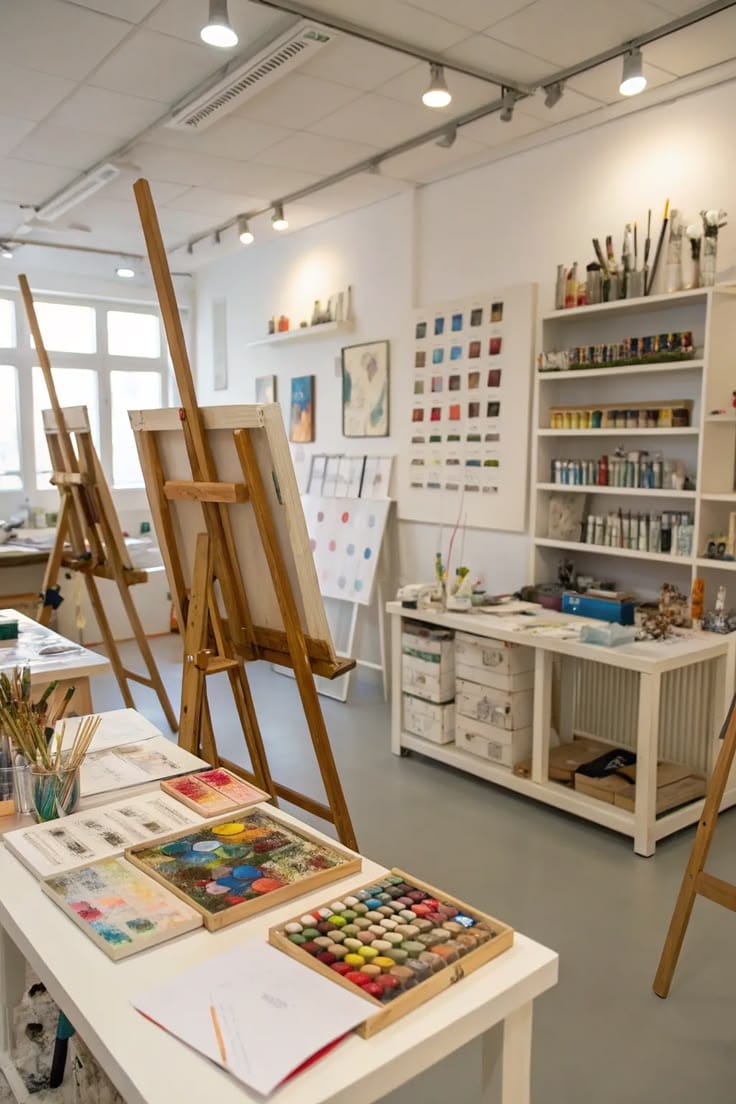
An art studio is more than a room filled with brushes, colors, and canvases. It is a creative workspace where […]
Painting Studio in Kolkata: Where Art Meets Interior Spaces
A painting studio is no longer limited to canvases, easels, and framed artwork. Today, creative studios are increasingly connected with […]
Wall Artist: The Craft Behind Meaningful Wall Art
A wall artist does more than apply paint to a large surface. Instead, the artist studies the space, understands its […]
Finally found a site where the app installation is a breeze. The games run perfectly without any lag. Check out pkz777gamedownload for the best setup.