7 Reasons Why Modern Wall Designs Are the Future of Interior Design
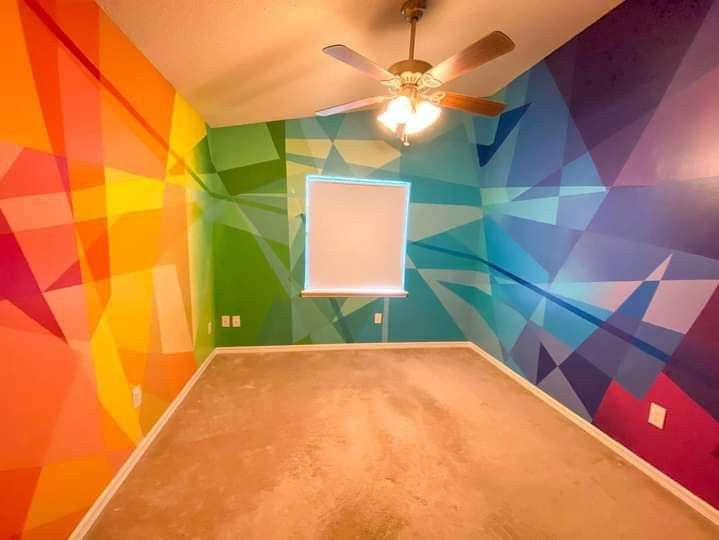
Interior design has always evolved alongside culture, technology, and lifestyle — but few shifts have been as visible as the rise of modern wall designs. For decades, walls were treated as a neutral backdrop, painted a single color and left to fade into the background while furniture, lighting, and decor took center stage. That approach is changing rapidly. Today, walls are becoming the focal point of a room, carrying texture, emotion, and artistic identity in ways flat paint simply cannot.
From private homes to boutique cafés, salons, and corporate offices, designers and homeowners alike are embracing modern wall designs as a core part of spatial storytelling. This shift isn’t just aesthetic — it reflects deeper changes in how people relate to the spaces they live and work in. Below are seven reasons why modern wall designs are shaping the future of interior design, and why this trend shows no signs of slowing down.
1. They Create Emotional Connection
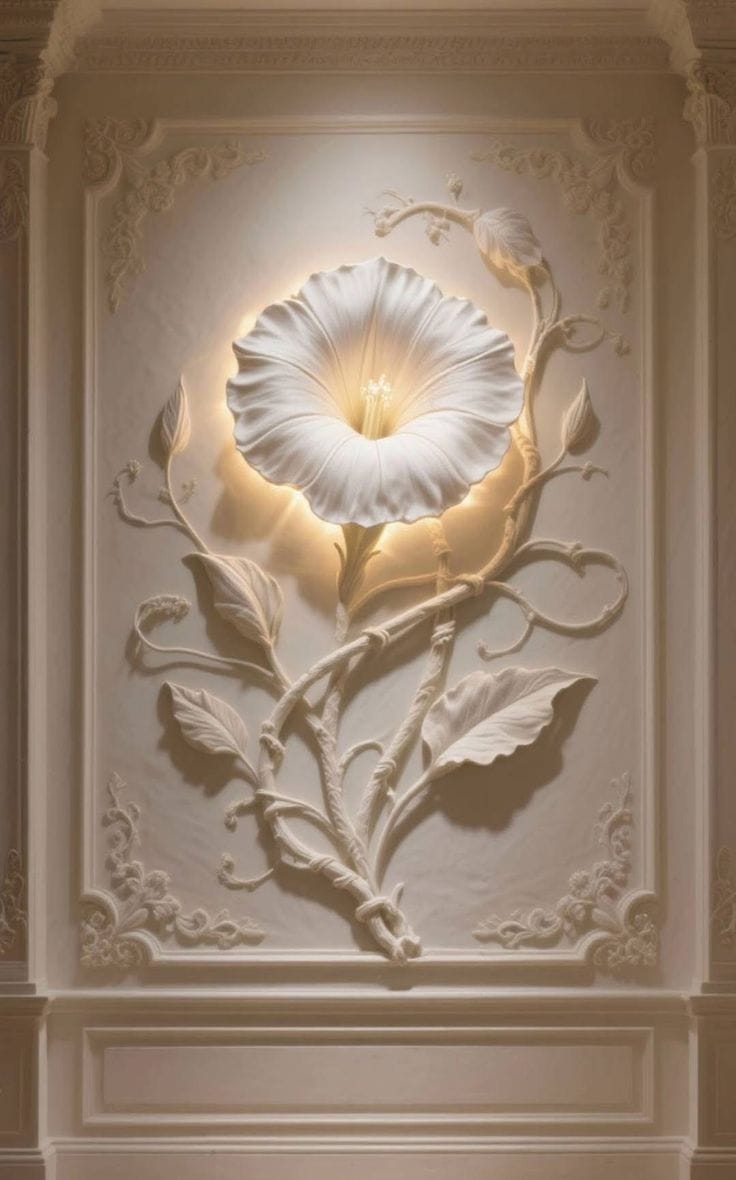
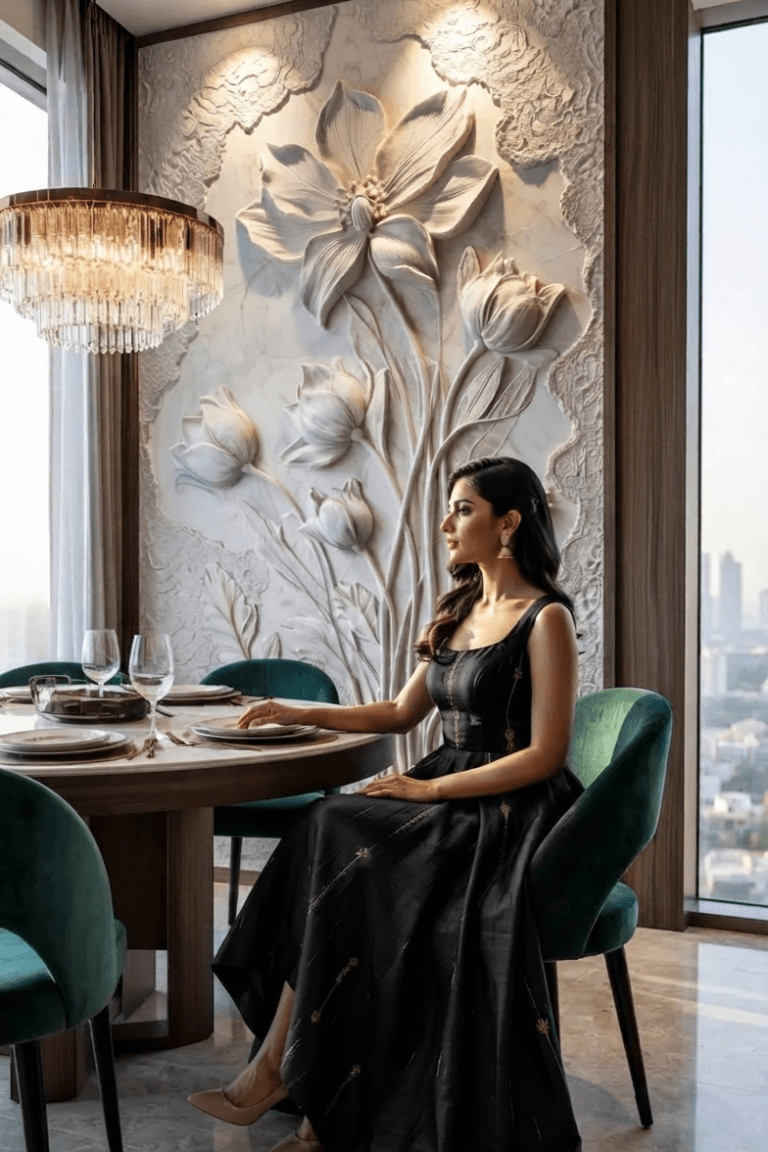
One of the most powerful aspects of modern wall designs is their ability to evoke emotion. A textured relief mural, a hand-painted feature wall, or a sculptural installation communicates mood in a way that flat paint or generic wallpaper never could. Warm earthy textures can make a living room feel grounded and calming, while bold graphic murals can energize a workspace or retail environment. As people increasingly seek homes and businesses that feel like something rather than simply look like something, walls have become an emotional anchor for the entire room.
2. They Offer True Personalization
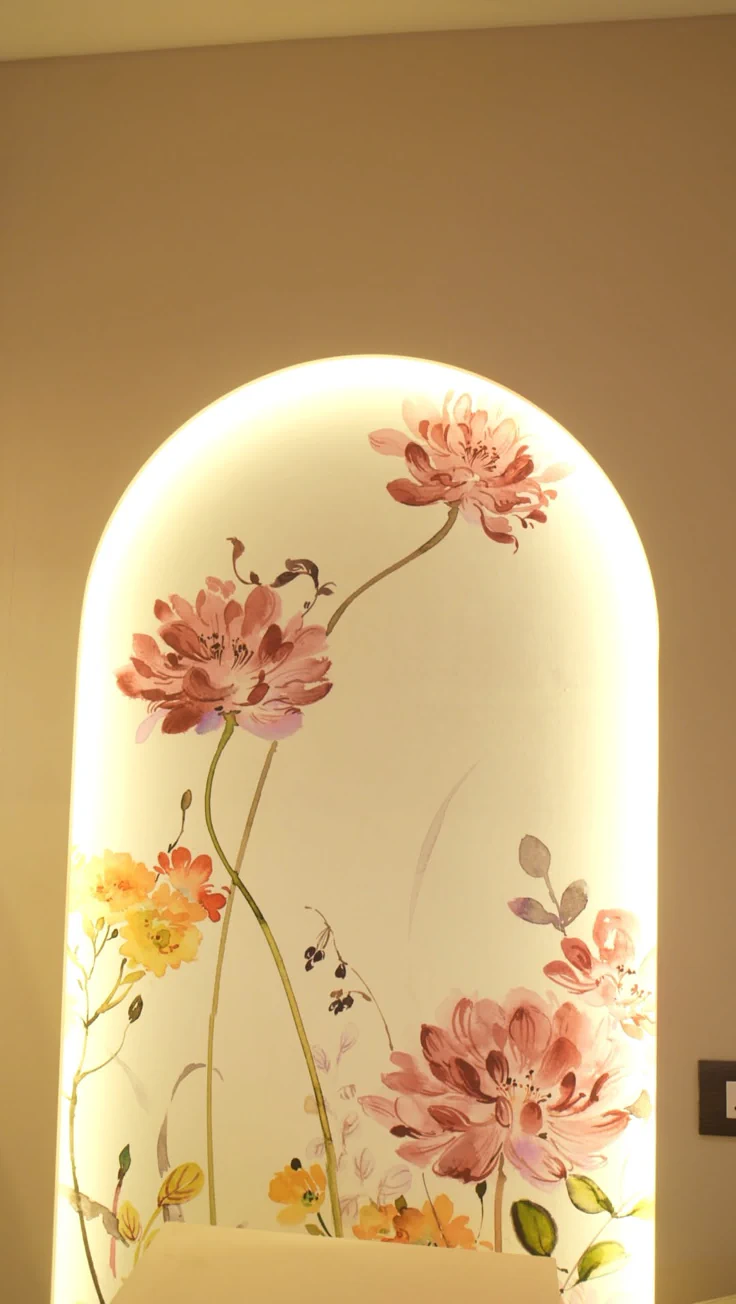
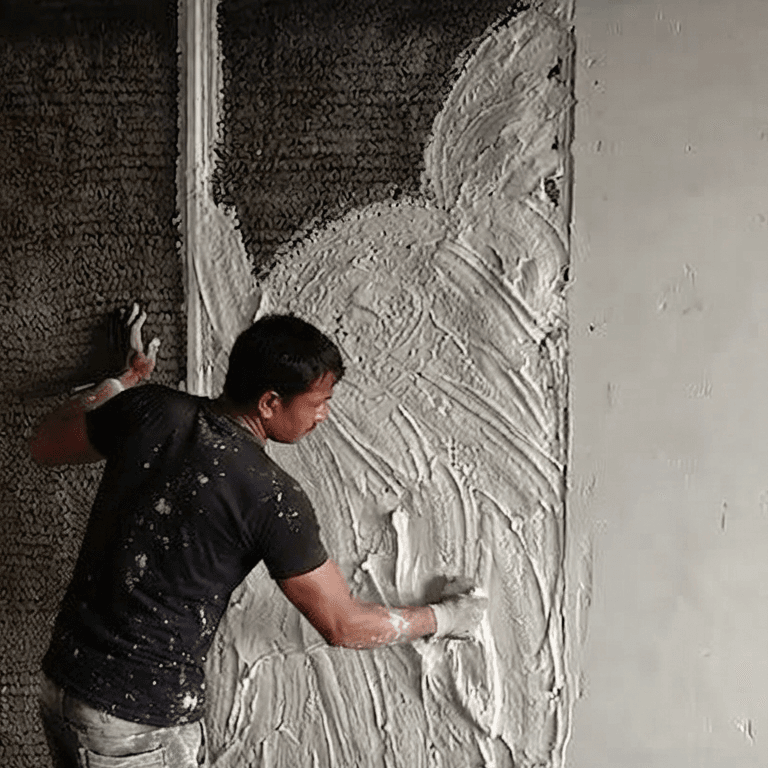
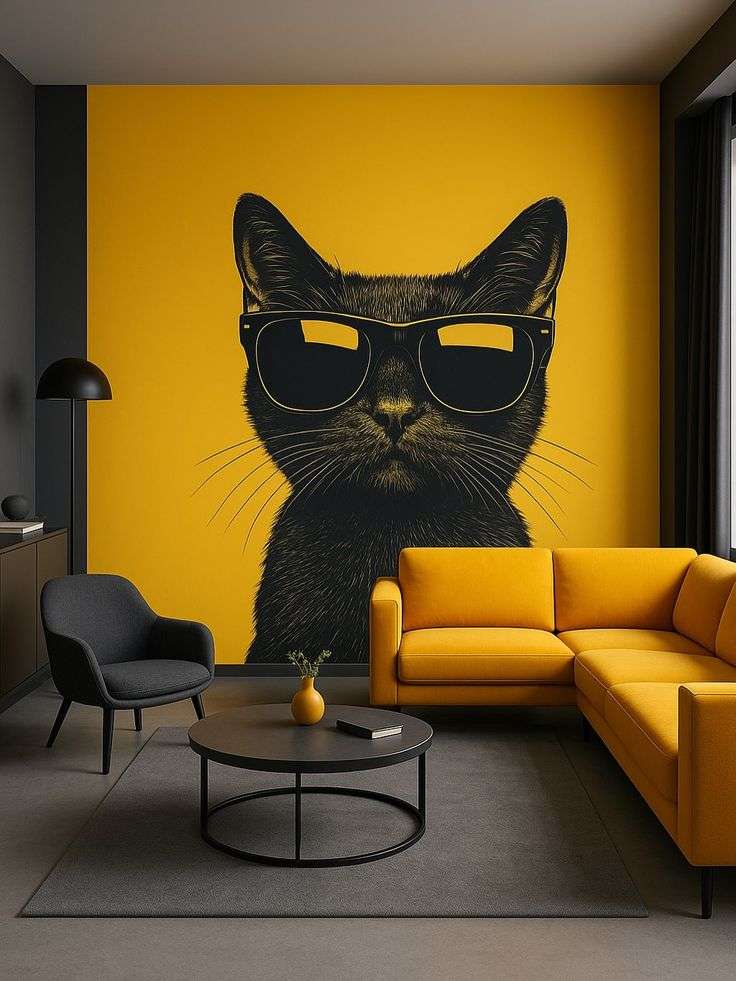
Mass-produced décor once dominated the market, but consumers today want spaces that reflect their individuality. Modern wall designs — whether custom murals, handcrafted textures, or artist-collaborated installations — allow homeowners and businesses to tell a personal or cultural story directly on their walls. This level of personalization was once reserved for high-end interior projects, but it’s now becoming an expected standard across residential and commercial spaces alike.
3. They Blend Art With Function
Modern wall design is no longer purely decorative. Many contemporary techniques integrate practical benefits alongside aesthetics — acoustic-friendly textured panels that reduce noise, durable finishes that resist wear in high-traffic commercial spaces, and moisture-resistant materials suited for humid climates. This fusion of art and function means walls are doing more work than ever before, contributing to comfort and usability rather than existing purely for visual appeal.
4. They Elevate Commercial and Retail Spaces
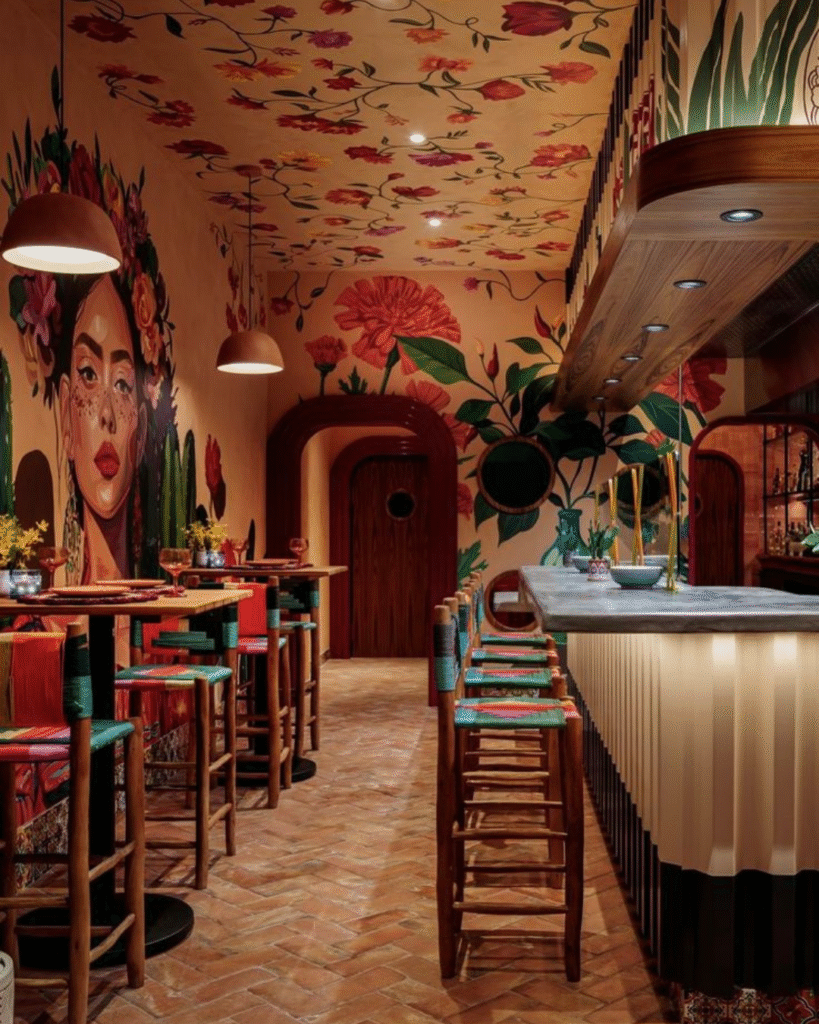
In the age of social media, physical spaces are marketing tools. Cafés, salons, fashion boutiques, and restaurants increasingly invest in modern wall designs to create memorable, photograph-worthy environments. A striking mural or textured feature wall encourages visitors to linger longer, take photos, and share their experience online — effectively turning interior design into an organic marketing channel. Businesses have recognized that a well-designed wall isn’t just decoration; it’s a brand experience.
5. They Support Sustainable and Eco-Conscious Design
Sustainability has become a defining priority in modern architecture and interior design, and wall design is no exception. Natural materials like lime plaster, clay-based finishes, and eco-composite textures are gaining popularity because they combine artistic value with environmental responsibility. As more consumers prioritize sustainable living, modern wall designs made from low-impact, breathable, and often locally sourced materials are positioned to lead the next wave of eco-conscious interiors.
6. They Add Long-Term Value
Trends in furniture and decor often shift quickly, but well-executed modern wall designs — particularly handcrafted murals, relief art, and sculptural textures — tend to age gracefully. Unlike a piece of furniture that may feel outdated within a few years, a thoughtfully designed wall often becomes a timeless architectural feature. This longevity adds both aesthetic and potentially financial value to a property, making wall design an investment rather than a passing decorative choice.
7. They Push Creative and Technical Boundaries
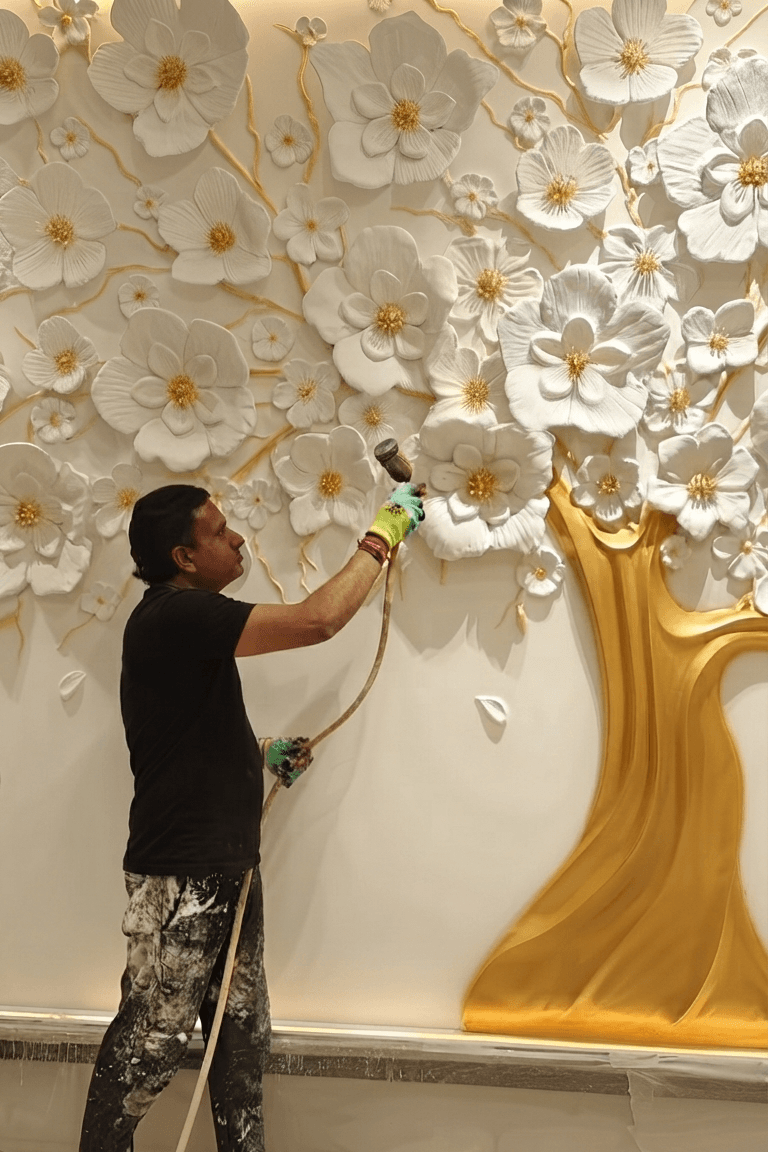
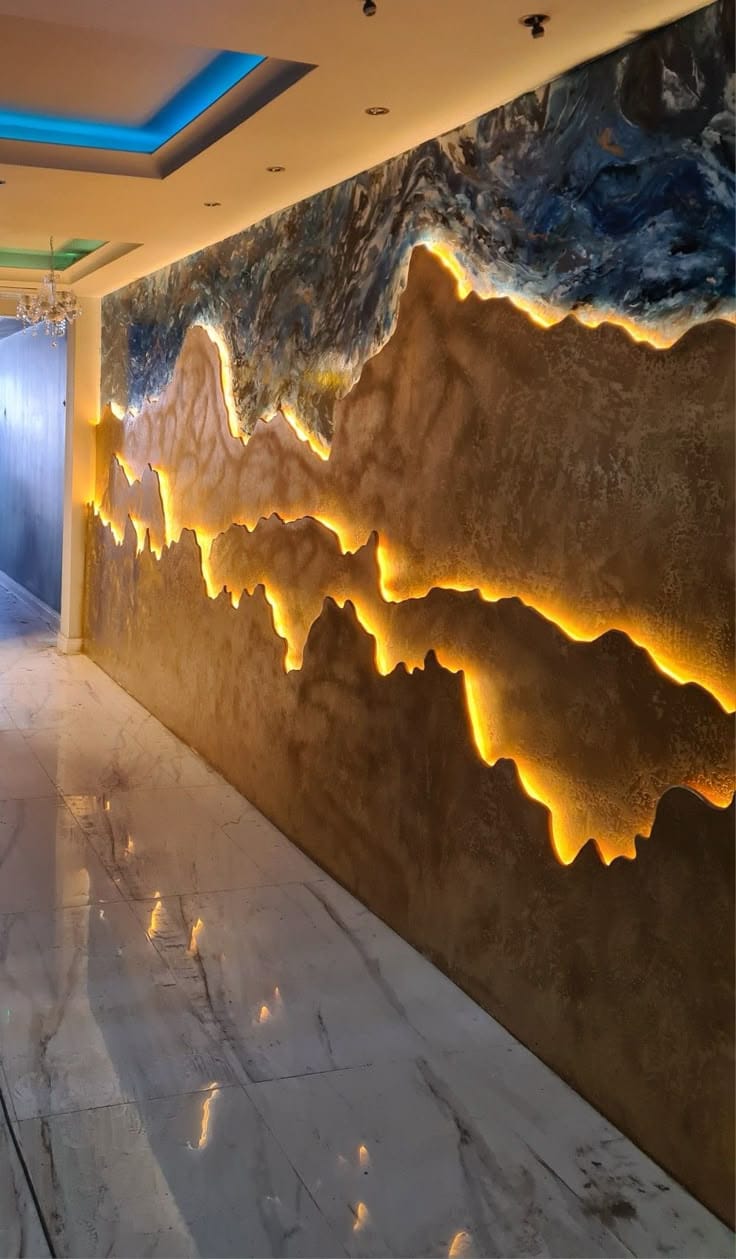
Perhaps most exciting is how modern wall designs continue to evolve technically and artistically. Designers are experimenting with 3D textured murals, mixed-media compositions, and even interactive or light-responsive wall installations. This constant innovation blurs the line between fine art and architecture, positioning wall design as one of the most dynamic and creative frontiers in the interior design industry today.
The Bottom Line
As interiors continue shifting toward personalization, sustainability, and artistic expression, modern wall designs are no longer a passing trend — they represent the next major evolution in how spaces are designed and experienced. Walls are no longer an afterthought; they’re becoming the emotional and visual foundation of a room.
Whether it’s a cozy residential living room, a trendy café aiming for social media appeal, or a corporate office looking to inspire creativity, modern wall designs offer a powerful way to transform ordinary spaces into meaningful, memorable environments. As more designers, architects, and homeowners recognize this shift, walls will only continue to grow in importance within the broader interior design conversation.
If you’re planning a renovation or new interior project, now is the ideal time to explore how modern wall designs — from textured murals to sculptural relief art — can redefine your space and set it apart from the ordinary. The future of interior design isn’t just about what fills a room anymore; it’s about what covers its walls.
Latest Post
8 Tips for Outdoor Mural Relief Walls That Last (2026)
An outdoor mural relief turns a plain exterior wall into a striking, three-dimensional feature — but only when it’s planned […]
What Materials Are Used for Mural Relief?
Mural relief materials play an important role in determining the depth, strength, texture, and finish of three-dimensional wall art. Mural […]
How Much Do Wall Murals Cost? A Complete Guide for Every Space
Wondering about the wall mural cost before starting your project? A mural is a custom artwork painted directly onto a […]
What Wall Preparations Should Be Made Before You Come to Paint the Mural?
A beautiful mural begins long before the first brushstroke. In fact, wall preparation before mural painting plays a major role […]
Where to Buy Residential Wall Murals: A Practical Guide for Homeowners
Choosing residential wall murals is no longer limited to visiting a local décor shop. Today, homeowners can explore painted murals, […]
How Do Lighting Effects Impact Relief Murals?
Relief mural lighting plays an important role in showing the depth, texture, and details of three-dimensional wall art. However, their […]