Wall art has moved far beyond framed paintings and printed décor. Today, relief wall art has become a popular choice because it introduces texture, depth, and artistic detail into interiors. Among the most admired styles are bas-relief and high-relief wall art. Although both techniques create sculptural surfaces, they differ in appearance, depth, craftsmanship, and ideal applications. Therefore, understanding these differences helps homeowners, architects, and interior designers choose the right style for their projects.
Whether you are designing a luxury residence, a commercial space, or a boutique café, selecting the correct relief style can significantly influence the visual character of the wall.
Understanding Relief Wall Art
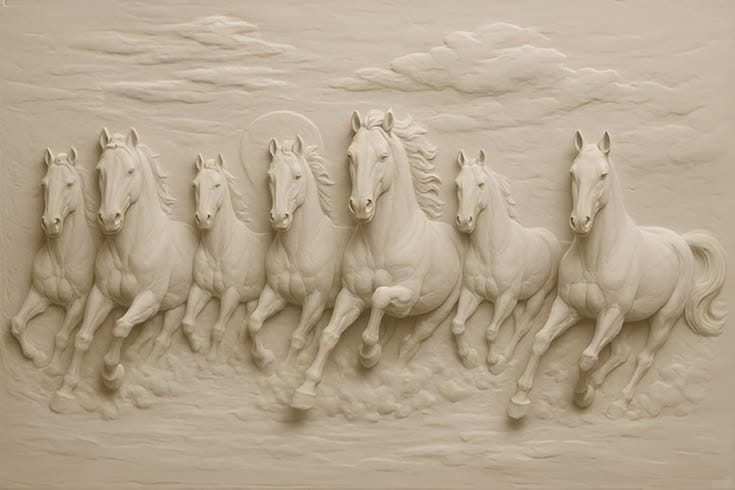
Relief wall art is a sculptural technique where designs project outward from a flat surface. Instead of creating a fully detached sculpture, the artwork remains connected to the background. Consequently, it offers dimension without occupying excessive floor space.
Historically, relief art appeared in ancient temples, monuments, and architectural structures. Today, however, modern artisans use materials such as plaster, cement, gypsum, lime, resin, and fiber-reinforced composites to create decorative interior wall panels.
For historical references, the Metropolitan Museum of Art – Relief Sculpture Collection and the Victoria and Albert Museum – Sculpture Collection provide excellent examples of traditional relief techniques.
Bas-Relief Wall Art Explained
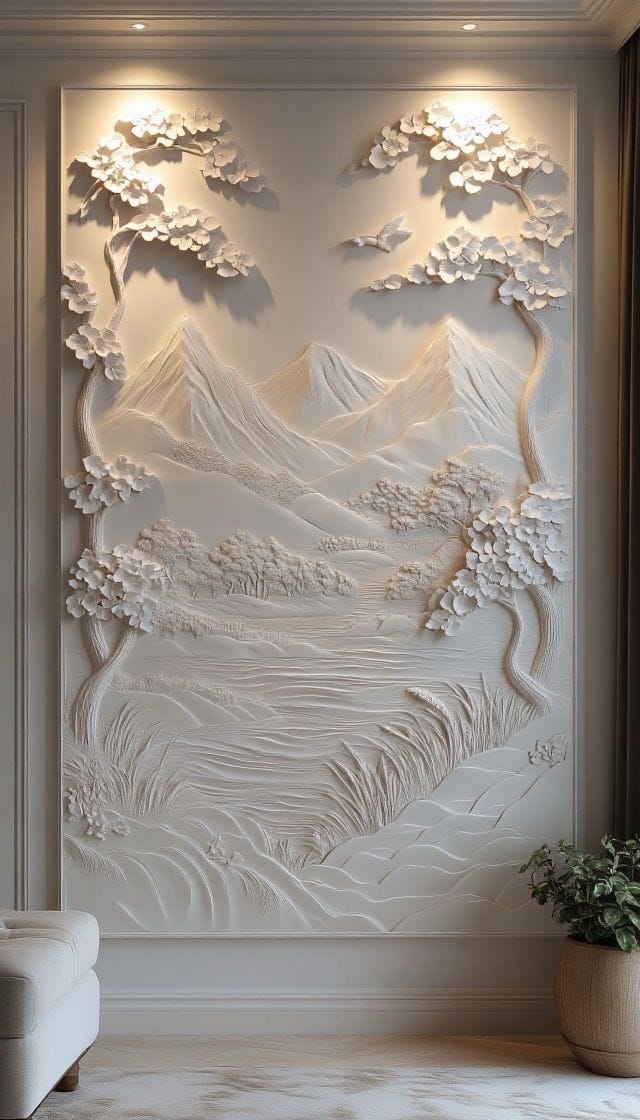
Bas-relief, also known as low relief, features artwork that projects only slightly from the wall surface. As a result, the carving remains subtle while maintaining fine details.
The depth is generally shallow, allowing the artwork to blend naturally with surrounding interiors. Because of its understated appearance, bas-relief complements minimalist, Scandinavian, contemporary, and modern luxury interiors.
Common applications include:
- Bedroom feature walls
- Hotel reception areas
- Luxury apartments
- Dining room accent walls
- Office interiors
Moreover, bas-relief creates elegant shadows without overwhelming the space.
High-Relief Wall Art Explained
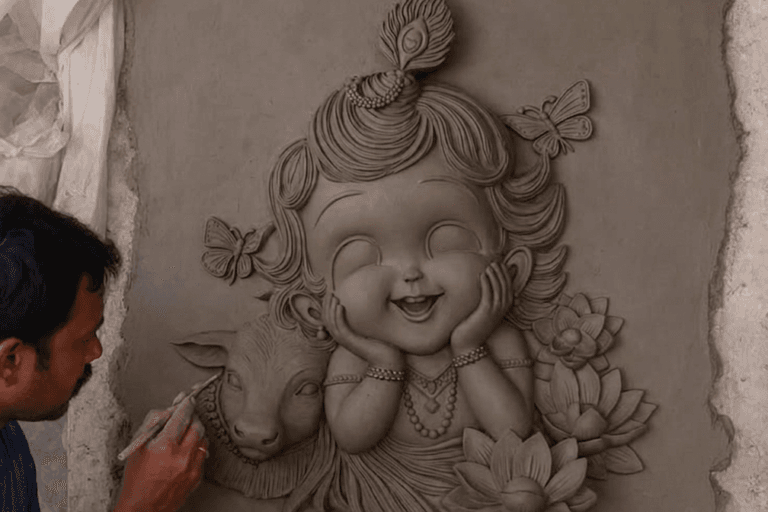
Unlike bas-relief, high-relief wall art extends much farther from the wall. In many cases, parts of the artwork appear almost fully sculpted. Therefore, the design becomes far more dramatic and visually striking.
Deep carving creates stronger shadows and adds remarkable dimensional effects. Consequently, high-relief artwork often becomes the primary focal point of a room.
Popular applications include:
- Luxury villa entrances
- Double-height living rooms
- Premium restaurants
- Hotel lobbies
- Art galleries
- Commercial reception areas
Because of its bold appearance, high-relief wall art works particularly well in spacious interiors.
Comparing Both Relief Styles
Choosing between these two styles depends on your design goals.
| Feature | Bas-Relief | High-Relief |
|---|---|---|
| Projection | Shallow | Deep |
| Visual Effect | Soft and elegant | Bold and dramatic |
| Shadow Formation | Light shadows | Strong shadows |
| Best for Small Rooms | Yes | Sometimes |
| Best for Large Walls | Good | Excellent |
| Craftsmanship | Detailed carving | Complex sculptural work |
| Installation Weight | Usually lighter | Usually heavier |
Furthermore, lighting plays an important role in highlighting both techniques. Proper wall lighting enhances texture and reveals artistic details. Also our services can guide you according to that.
Materials Used in Relief Wall Art
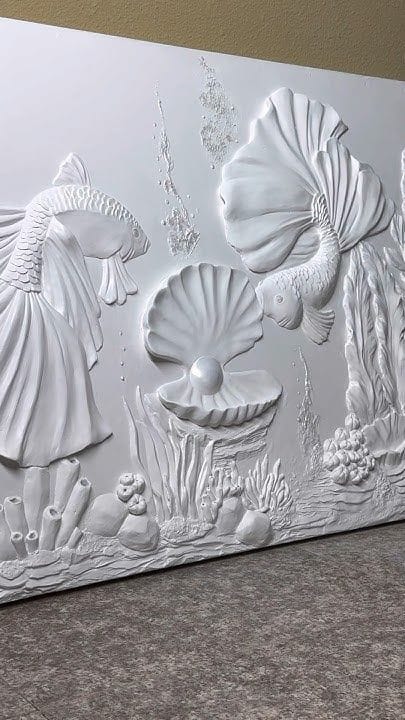
Several materials can be selected depending on durability, design complexity, and budget.
Common materials include:
- POP (Plaster of Paris)
- Cement mortar
- Gypsum
- Lime plaster
- Resin
- FRP (Fiber Reinforced Plastic)
- Concrete composites
Additionally, protective coatings are often applied to improve longevity and simplify maintenance.
Choosing the Right Style for Your Interior
Before selecting a relief style, several practical factors should be considered.
First, evaluate the available wall size. Large feature walls can comfortably accommodate deeper sculptural elements, whereas smaller rooms usually benefit from subtle detailing.
Next, consider the interior style. Modern spaces often pair beautifully with low-relief artwork, while classical and luxury interiors frequently feature high-relief sculptures.
Lighting should also influence your decision. Directional lighting enhances shadows, making relief artwork more visually engaging.
Finally, think about maintenance requirements. Although both styles are durable, deeper carvings may require slightly more careful dusting over time.
Why Relief Wall Art Continues to Grow in Popularity
Interior design trends increasingly emphasize handcrafted finishes and artistic textures. Consequently, relief wall art has become a preferred choice for architects and designers seeking distinctive feature walls.
Unlike flat painted surfaces, relief artwork creates visual movement throughout the day as natural and artificial lighting changes. Moreover, every handcrafted piece carries unique artistic character, making each installation different from the next.
As luxury interior design continues to focus on custom craftsmanship, relief wall art remains a timeless decorative solution.
Conclusion
Understanding the difference between bas-relief and high-relief wall art makes choosing the right artistic finish much easier. Bas-relief offers subtle elegance with shallow projections, whereas high-relief creates dramatic visual depth through bold sculptural forms. Ultimately, the ideal choice depends on room size, lighting, architectural style, and personal design preferences. Both techniques continue to bring artistic craftsmanship into modern interiors while offering long-lasting visual appeal.
Frequently Asked Questions
What is the main difference between bas-relief and high-relief wall art?
Bas-relief projects only slightly from the wall, while high-relief extends much farther, creating stronger depth and shadows.
Which relief style is better for small rooms?
Bas-relief is generally better because its subtle projection keeps smaller spaces visually balanced.
Is high-relief wall art more expensive?
Yes. High-relief often requires additional materials, deeper sculpting, and more labor-intensive craftsmanship.
Which materials are commonly used for relief wall art?
POP, gypsum, cement, lime plaster, resin, FRP, and concrete composites are widely used.
Does relief wall art require special maintenance?
Regular dusting is usually sufficient. Protective coatings may also improve durability and simplify cleaning.
External Reference Websites
- Metropolitan Museum of Art – Relief Sculpture Collection: https://www.metmuseum.org/
- Victoria and Albert Museum – Sculpture Collection: https://www.vam.ac.uk/
- Smithsonian American Art Museum – Sculpture Resources: https://americanart.si.edu/
- Britannica – Relief Sculpture: https://www.britannica.com/art/relief-sculpture
Latest Posts
How Do You Seal and Protect Delicate Relief Artwork on Walls
Relief artwork adds texture, depth, and character to interior walls. However, unlike flat painted surfaces, raised artwork requires careful protection […]
Best Wall Art Designs for Small Rooms vs Large Spaces
Choosing the best wall art designs for small rooms versus large spaces can completely change how a room feels. However, […]
Best Materials for a DIY 3D Relief Mural: A Practical Guide for Stunning Wall Art
Creating a three-dimensional wall artwork is becoming increasingly popular among homeowners, artists, and interior enthusiasts. If you are planning your […]
Best Wall Mural Company in Kolkata
A beautifully painted wall tells a story that ordinary paint cannot express. Therefore, many homeowners, architects, cafés, offices, and commercial […]
Who Paints Murals Professionally?
If you have ever admired a stunning wall mural, you may have wondered who paints murals professionally. Unlike standard painters, […]
Showroom Wall Painting: A Smart Way to Create a Lasting First Impression
The appearance of a showroom influences how customers feel about a brand. While products remain the main attraction, the surrounding […]