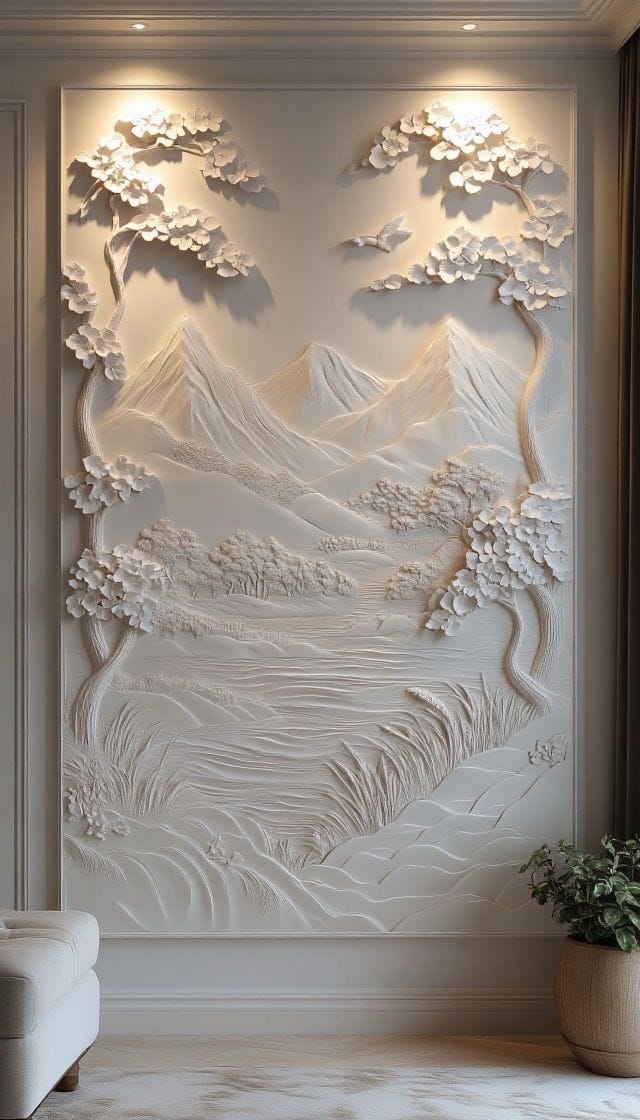
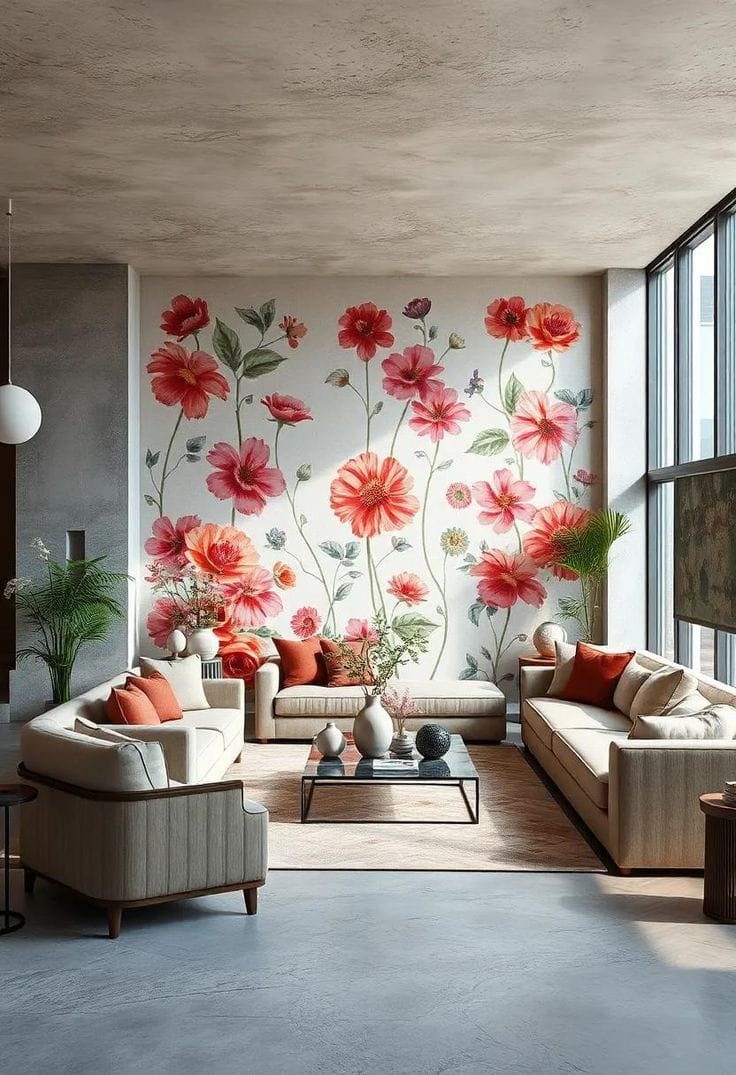
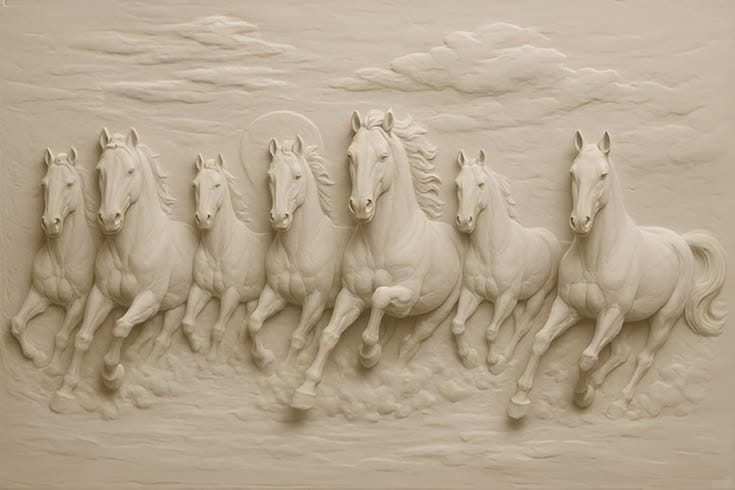
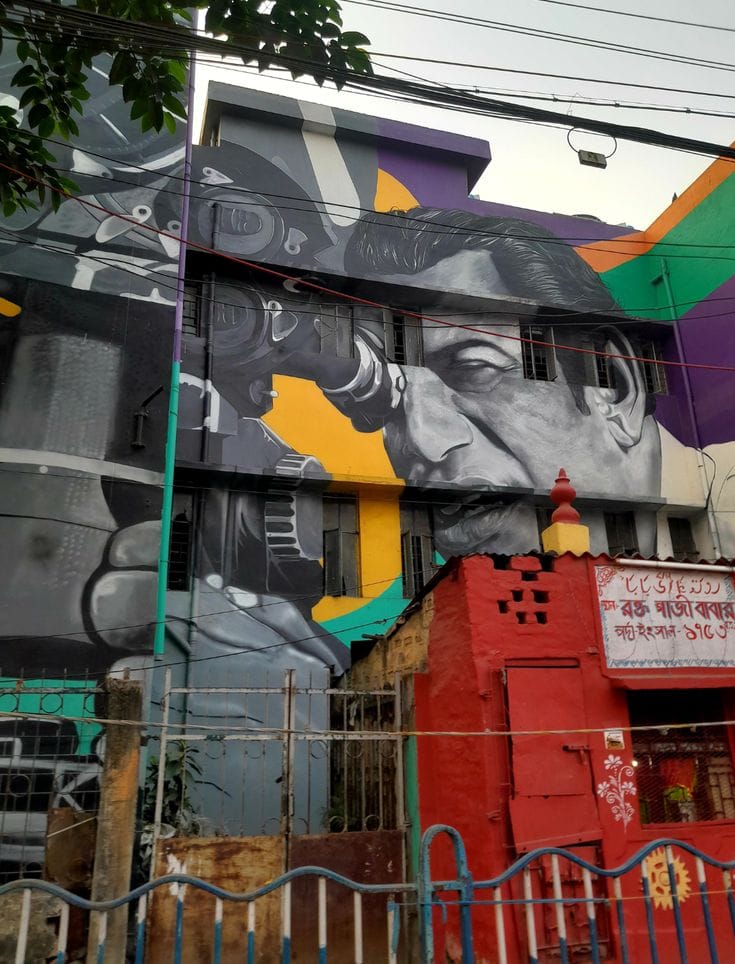
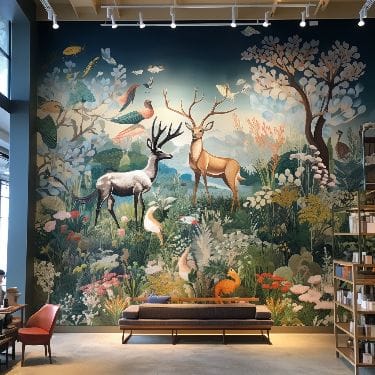
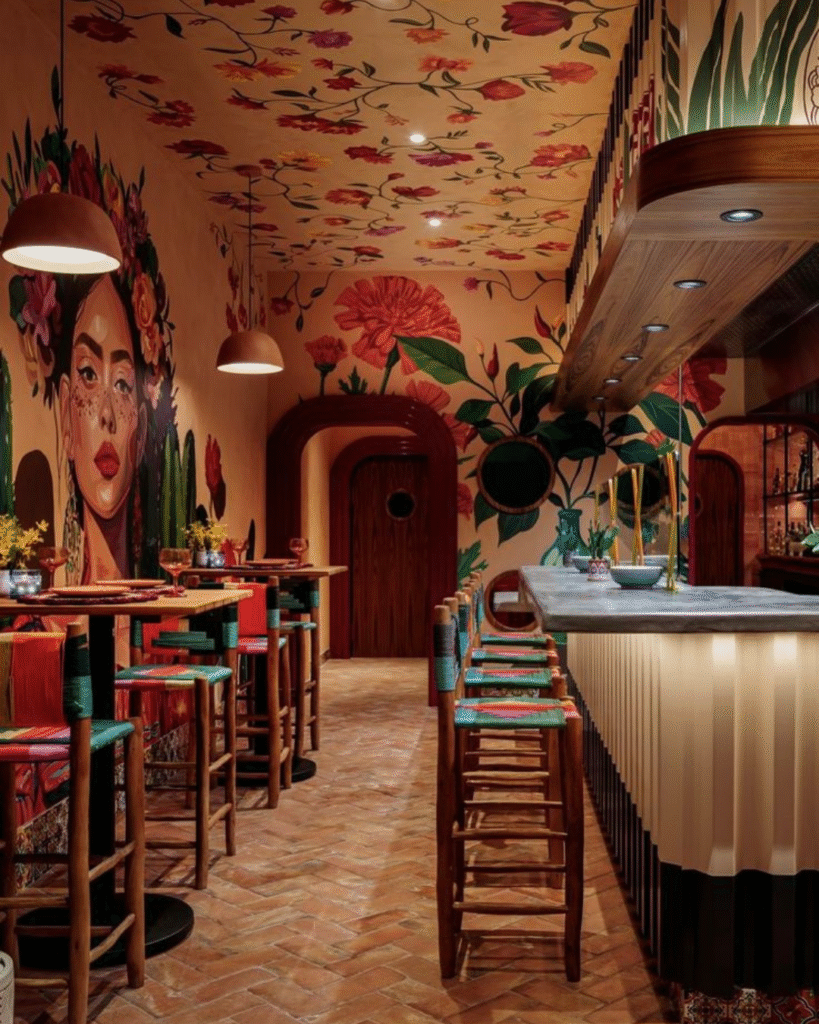
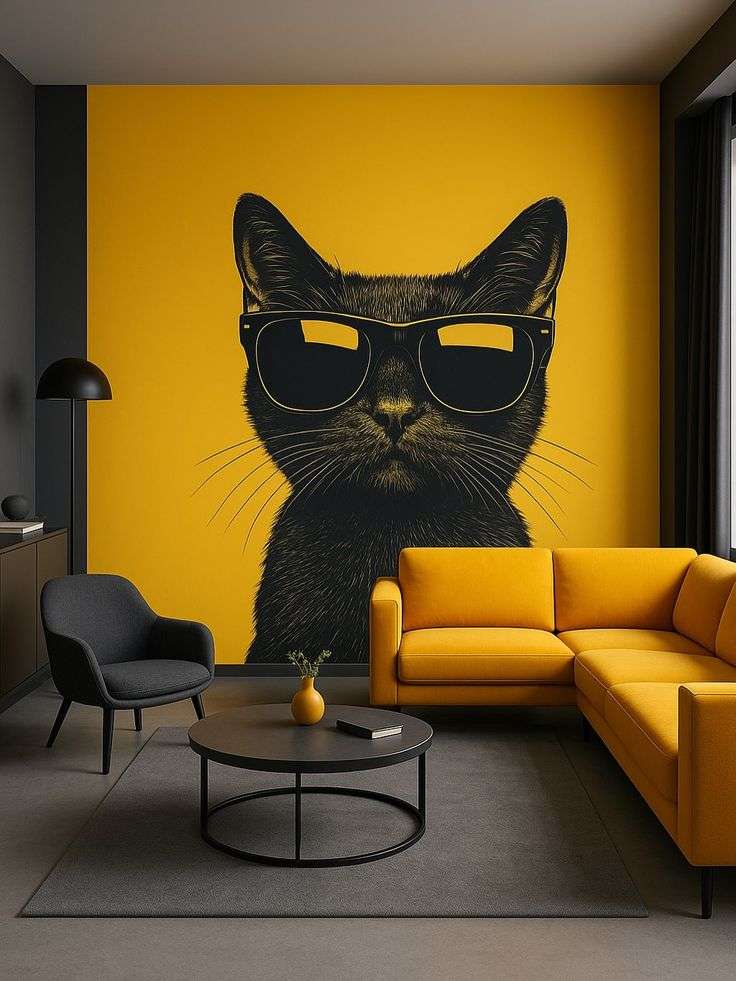
Creating a three-dimensional wall artwork is becoming increasingly popular among homeowners, artists, and interior enthusiasts. If you are planning your first project, knowing the best materials for a DIY 3D relief mural can make the entire process easier and more enjoyable. Moreover, selecting quality materials helps achieve cleaner textures, stronger adhesion, and longer-lasting results. Before beginning your design, it is worth understanding which products work well together and why they matter.
Why Material Selection Matters Before You Start
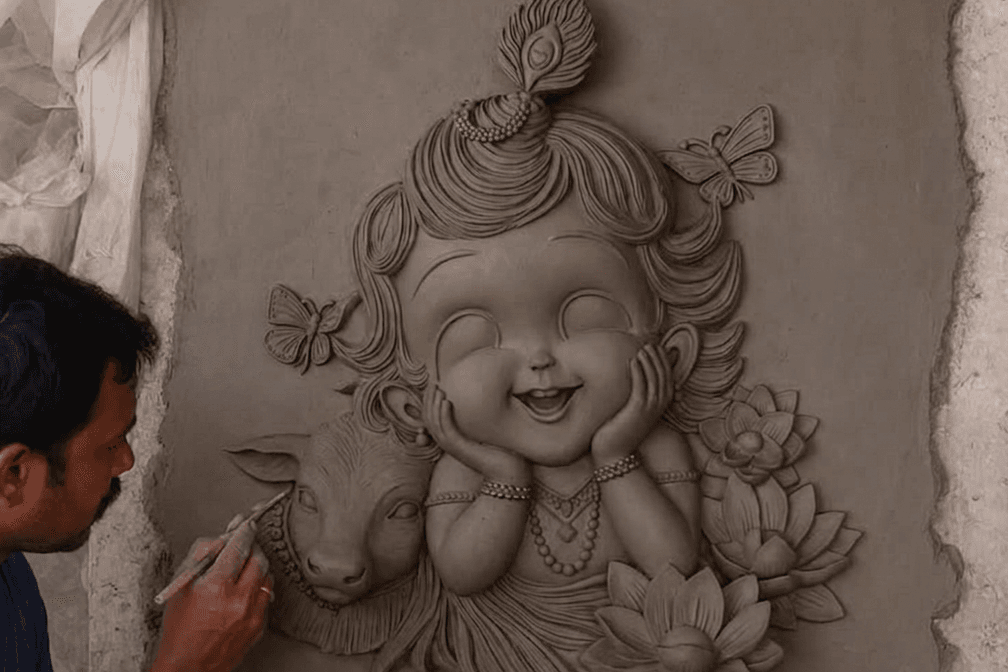
Every successful relief mural begins with a solid foundation. Although creative ideas are important, the materials used determine how durable and detailed the artwork becomes. Furthermore, surfaces that receive the correct preparation are less likely to develop cracks over time.
A clean, dry wall should always be prepared first. Afterward, a suitable primer improves bonding between the wall and the sculpting material. As a result, the finished artwork remains stable for years with minimal maintenance.
Essential Supplies Every DIY Artist Should Have
Instead of purchasing random products, focus on materials that are widely recommended for relief wall art.
The following items are commonly used:
- Wall primer
- Ready-mix joint compound
- POP (Plaster of Paris)
- Lightweight sculpting paste
- Cement-based decorative plaster
- Acrylic binder
- Fine sandpaper
- Putty knives and palette knives
- Sculpting tools
- Acrylic paints
- Protective clear sealer
Each material serves a different purpose. Therefore, combining them correctly creates smoother textures and sharper details.
Choosing the Best Materials for a DIY 3D Relief Mural
Not every mural requires the same products. Instead, the right choice depends on the desired finish, wall condition, and design complexity.
POP (Plaster of Paris) is suitable for floral patterns and decorative shapes because it dries quickly and is easy to carve.
Joint compound works well for beginners since it spreads smoothly and allows additional working time.
Decorative cement plaster is preferred for larger murals where strength and durability are important.
Meanwhile, acrylic sculpting paste is excellent for fine detailing because shrinkage is reduced after drying.
Finally, an acrylic sealer should be applied once the mural has completely cured. Consequently, moisture resistance and surface durability are improved. Through our gallery you can also get more information regarding this topic.
Surface Preparation Makes a Big Difference
Even premium materials cannot compensate for poor wall preparation. First, remove dust, grease, and loose paint. Next, repair visible cracks before applying primer. After the primer dries completely, the sculpting work can begin.
This preparation stage is often overlooked. However, it significantly improves adhesion and reduces the possibility of future damage.
Common Mistakes That Can Be Avoided
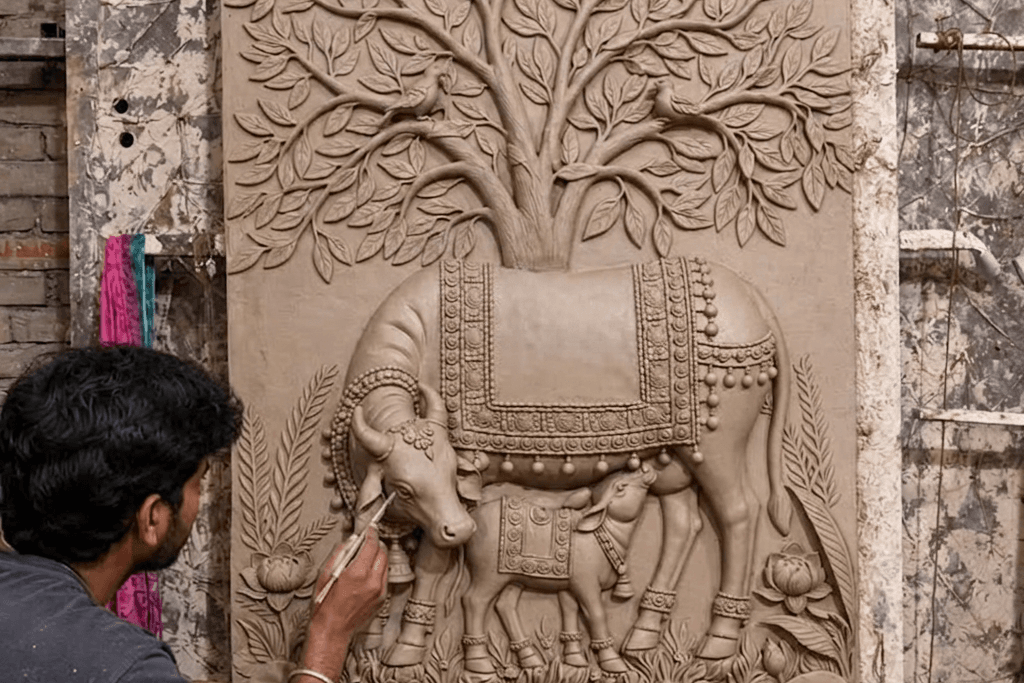
Many beginners purchase expensive materials without understanding their purpose. Instead, start with a simple design and practice on a small board.
Avoid these common mistakes:
- Mixing too much plaster at one time
- Applying overly thick layers
- Skipping wall primer
- Using poor-quality tools
- Painting before complete drying
Additionally, patience is essential because rushed projects usually produce uneven finishes.
Helpful Learning Resources
If you want to improve your relief mural skills, these trusted resources offer valuable information:
- The Spruce – DIY Wall Art Ideas
- This Old House – Wall Repair and Preparation Guides
- Fine Homebuilding – Decorative Wall Finishes
- Artists Network – Sculpture and Texture Tutorials
- Blick Art Materials – Relief Sculpture Materials Guide
You may also enjoy reading related topics such as:
- Beginner’s Guide to Wall Texture Finishes
- How to Prepare Interior Walls Before Decorative Painting
- Types of Decorative Plaster for Interior Walls
- Acrylic Paint vs Mineral Paint for Wall Art
- Indoor Wall Art Maintenance Tips
Final Thoughts
Learning about the best materials for a DIY 3D relief mural gives every artist a stronger starting point. Although artistic skills improve with practice, quality materials provide better consistency throughout the project. Furthermore, proper preparation, careful layering, and suitable finishing products contribute to a professional-looking result. Whether you are creating botanical designs, abstract textures, or modern wall features, choosing reliable materials is one of the smartest decisions you can make.
Frequently Asked Questions
What is the easiest material for beginners to use materials for a DIY 3D Relief Mural?
Joint compound is considered one of the easiest materials because it spreads smoothly and allows enough working time.
Can POP be used for large relief murals?
Yes. However, larger projects often benefit from cement-based decorative plaster because additional durability is provided.
Should a wall be primed before making a materials for a DIY 3D Relief Mural?
Yes. A primer improves adhesion and creates a stronger bond between the wall and the sculpting material.
Which paint works best on materials for a DIY 3D Relief Mural?
High-quality acrylic paint is commonly recommended because it adheres well and offers excellent color durability.
How long should a materials for a DIY 3D Relief Mural dry before painting?
Most relief murals should dry completely for 24 to 72 hours, depending on the material thickness and room conditions.
Suggested external links (official websites):
- The Spruce – https://www.thespruce.com
- This Old House – https://www.thisoldhouse.com
- Artists Network – https://www.artistsnetwork.com
- Blick Art Materials – https://www.dickblick.com
- Fine Homebuilding – https://www.finehomebuilding.com
Latest Posts
How Do You Seal and Protect Delicate Relief Artwork on Walls
Relief artwork adds texture, depth, and character to interior walls. However, unlike flat painted surfaces, raised artwork requires careful protection […]
Best Wall Art Designs for Small Rooms vs Large Spaces
Choosing the best wall art designs for small rooms versus large spaces can completely change how a room feels. However, […]
What Is the Difference Between Bas-Relief and High-Relief Wall Art?
Wall art has moved far beyond framed paintings and printed décor. Today, relief wall art has become a popular choice […]
Best Wall Mural Company in Kolkata
A beautifully painted wall tells a story that ordinary paint cannot express. Therefore, many homeowners, architects, cafés, offices, and commercial […]
Who Paints Murals Professionally?
If you have ever admired a stunning wall mural, you may have wondered who paints murals professionally. Unlike standard painters, […]
Showroom Wall Painting: A Smart Way to Create a Lasting First Impression
The appearance of a showroom influences how customers feel about a brand. While products remain the main attraction, the surrounding […]