Modern homes are becoming more personal, expressive, and art-focused. Therefore, blank walls are no longer viewed simply as empty surfaces. Instead, they can become part of the visual identity of a room. Custom murals offer a creative way to bring artwork, colour, texture, and storytelling directly into everyday interiors.
Unlike mass-produced wall décor, a custom mural is planned around a specific space. Consequently, its scale, colours, composition, and artistic direction can work with the furniture and architecture already present. Current interior design coverage also highlights murals as an effective way to make walls active parts of a home’s design language.
Why Personalized Wall Art Feels Different
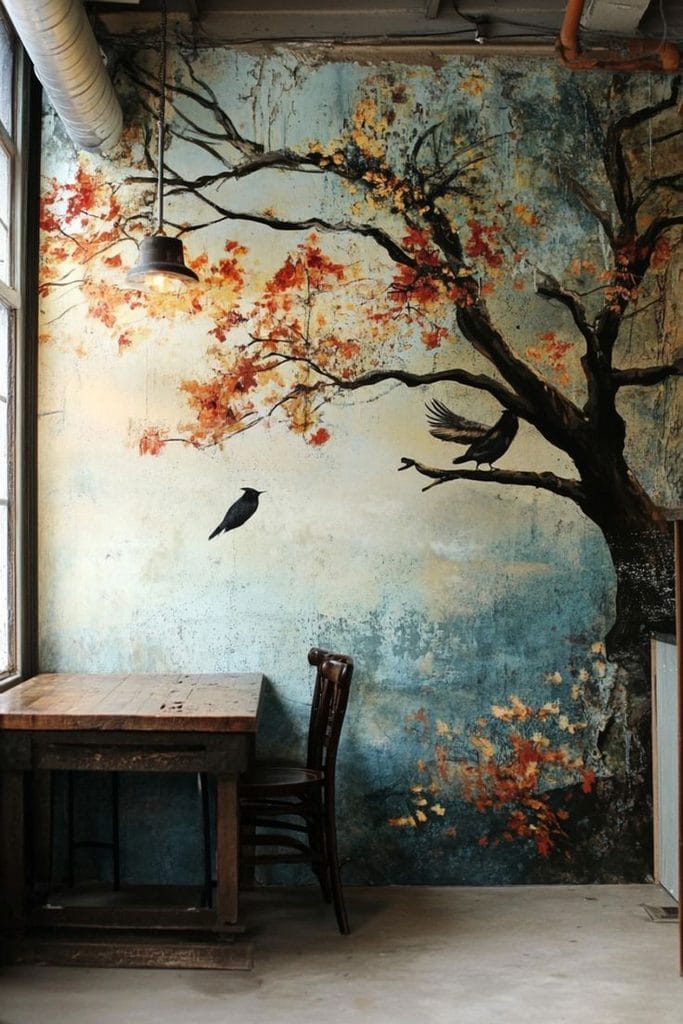
A thoughtfully designed mural can give a room a distinct visual character. Moreover, it can reflect personal interests, cultural influences, nature, travel, or an abstract artistic style.
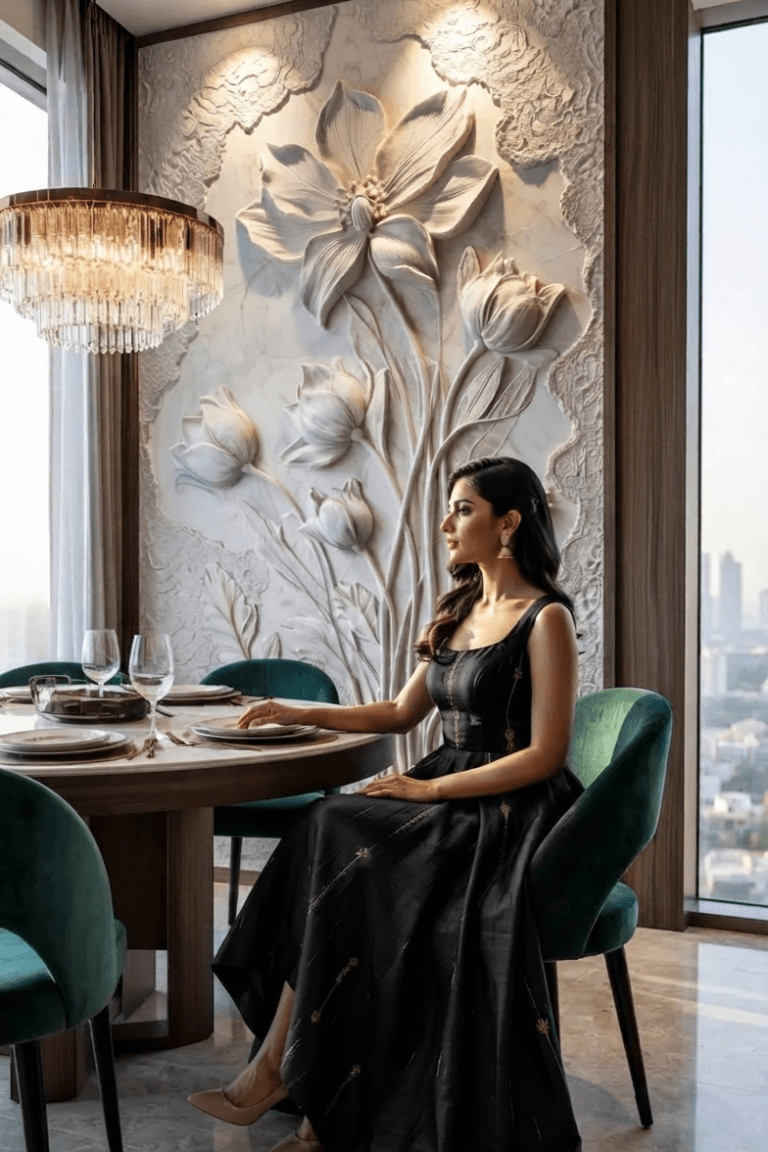
For example, a living room might feature a botanical composition, while a bedroom could use soft abstract forms. Similarly, a dining area may benefit from a dramatic landscape or geometric artwork. Because the artwork is designed for the particular wall, the final composition can feel more connected to the room.
In addition, custom artwork avoids the repetitive appearance often associated with ready-made décor. As a result, homeowners can create spaces that feel individual rather than copied from standard interiors.
Designing Around the Room
The strongest mural concepts begin with the room itself. First, the wall dimensions should be considered carefully. Next, furniture placement, natural light, flooring, ceiling height, and existing colours should influence the artwork.
For instance, a large open wall may support a detailed composition. However, a smaller room may benefit from softer forms, controlled patterns, or a restrained colour palette. Likewise, natural daylight can affect how colours and textures appear throughout the day.
Therefore, mural planning should involve more than selecting an attractive picture. The artwork needs to communicate with the surrounding interior.
Artistic Styles for Contemporary Homes
There are many directions available when planning wall artwork. Botanical murals can introduce natural elements, while abstract compositions can create a sophisticated contemporary mood. Furthermore, geometric artwork can suit modern apartments, studios, and workspaces.
Other popular directions include:
- Nature-inspired landscapes
- Minimal abstract compositions
- Traditional Indian motifs
- Contemporary geometric patterns
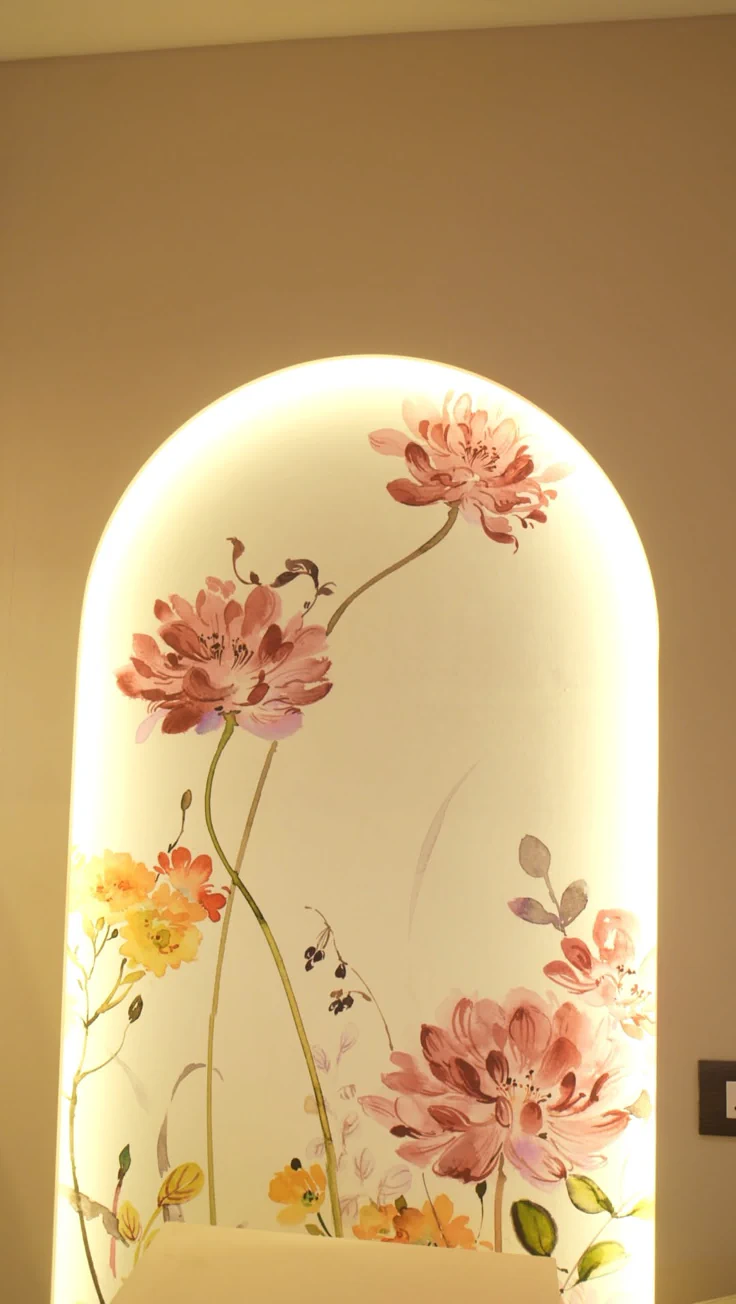
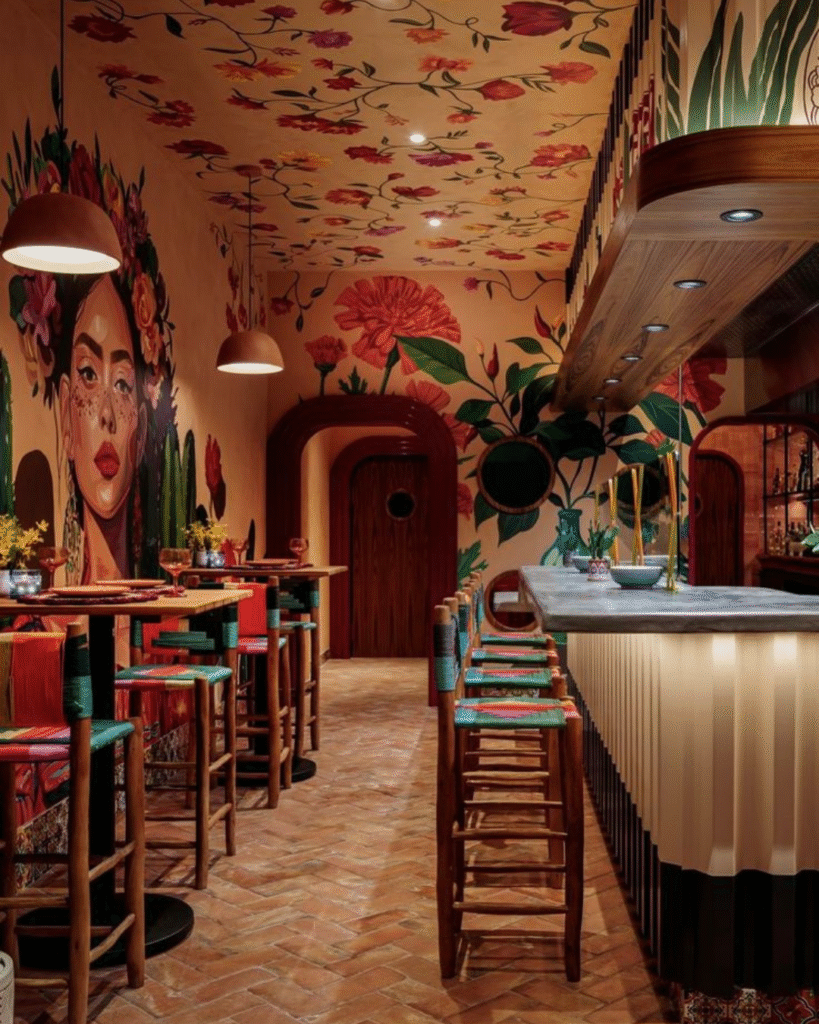
- Hand-painted botanical artwork
- Cultural and heritage-inspired scenes
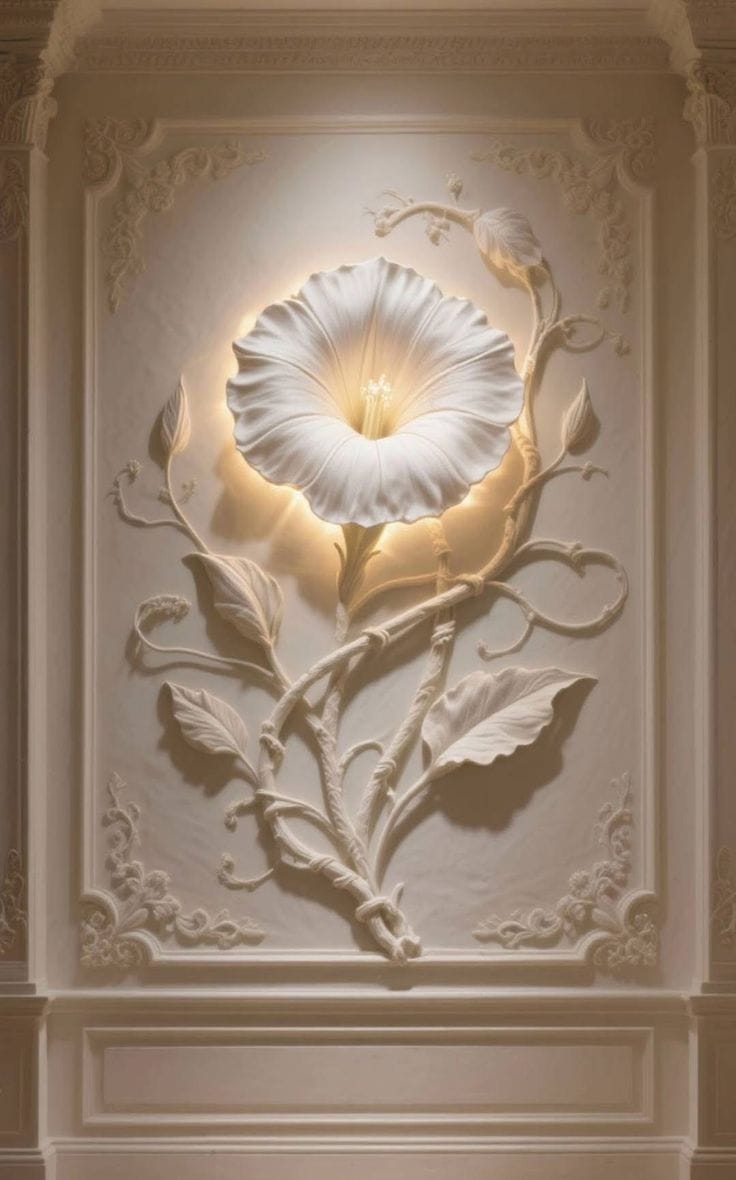
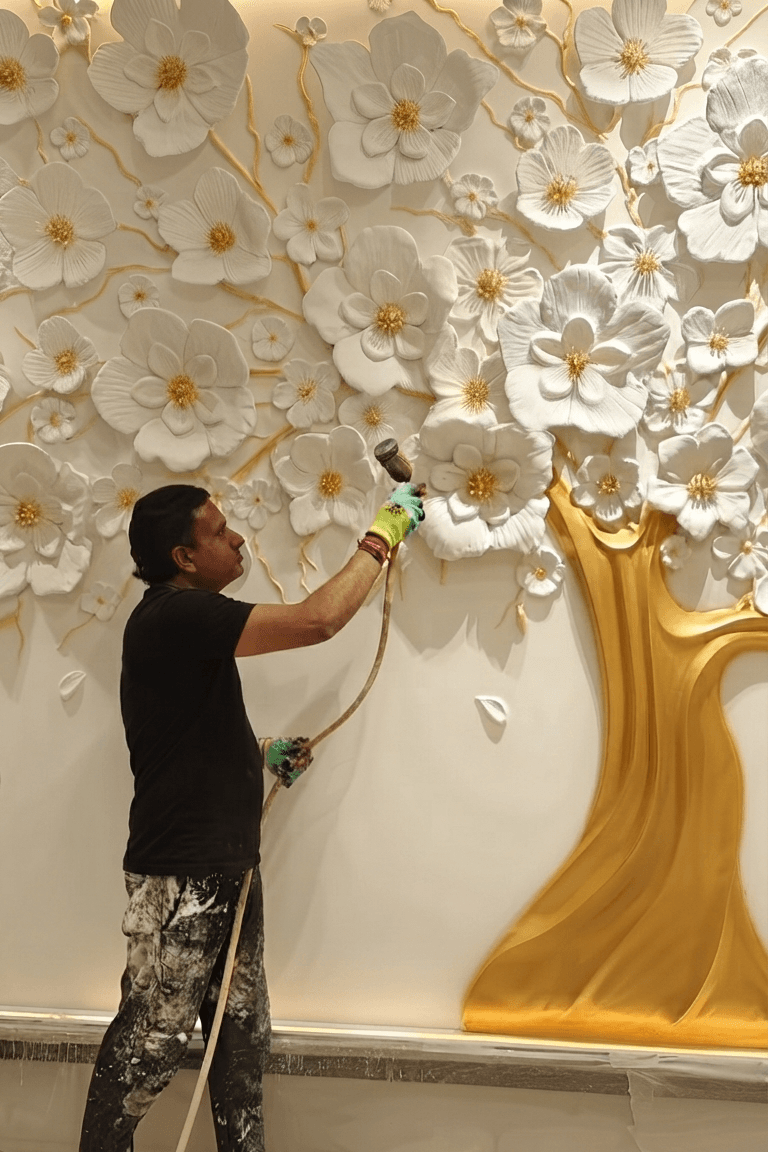
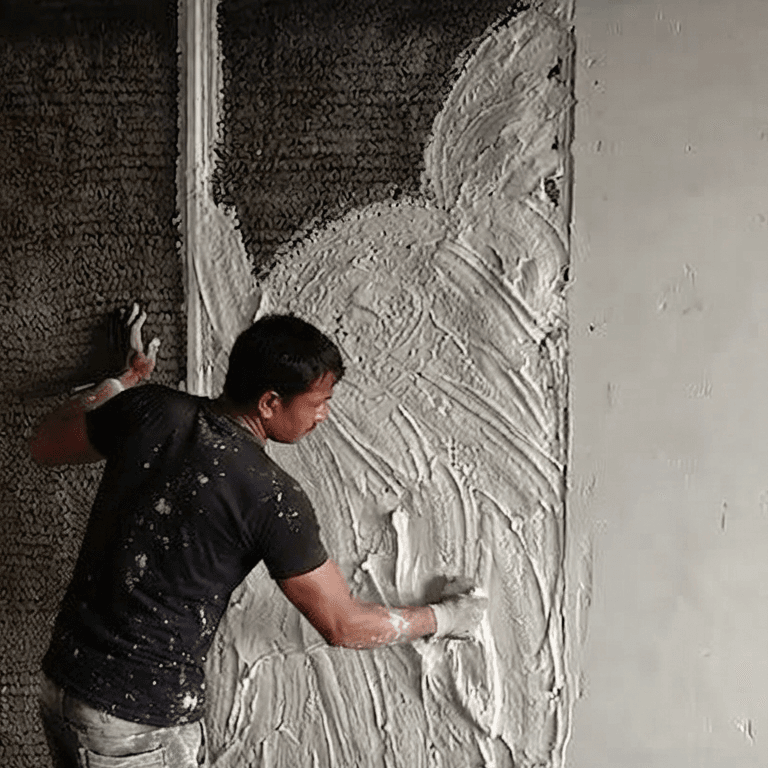
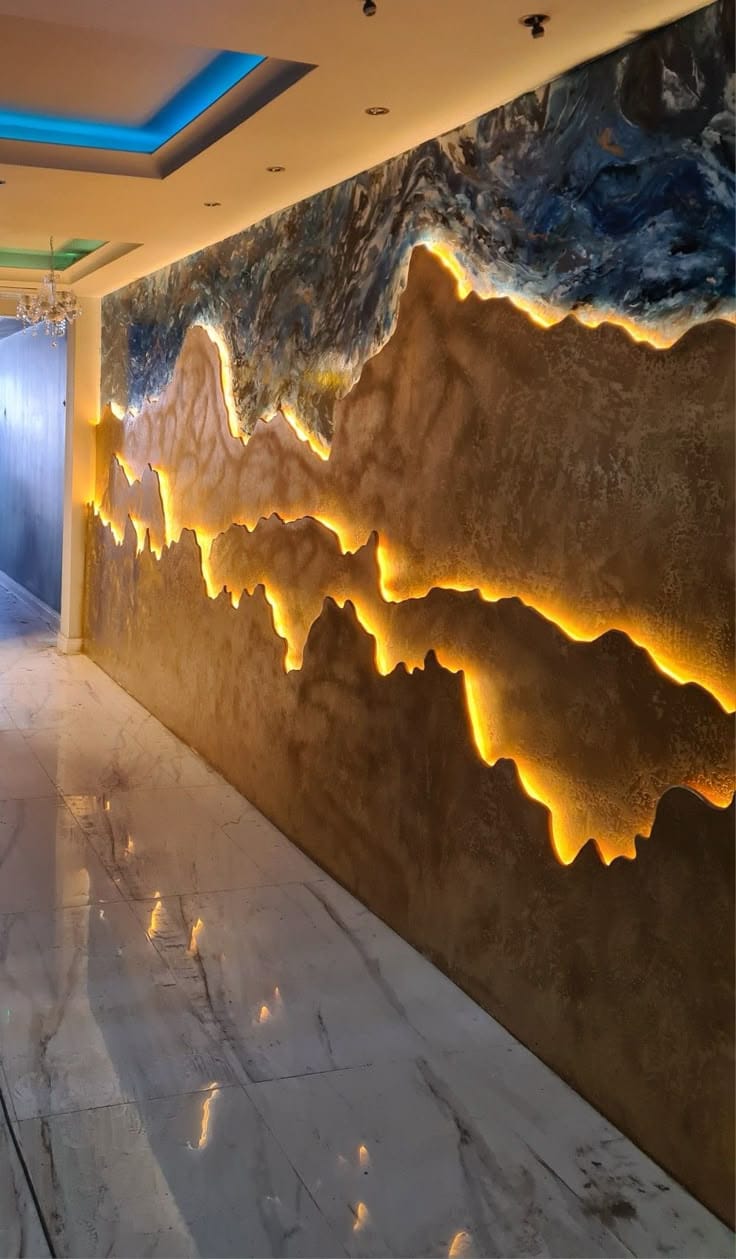
- Textured and relief-based wall art
Additionally, 2026 design discussions show stronger interest in personalized interiors, expressive surfaces, and tactile wall treatments.
More Than a Feature Wall
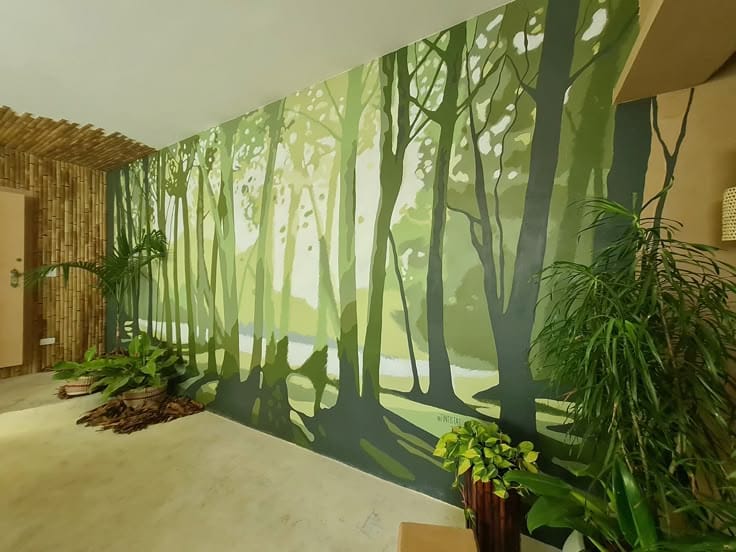
A mural does not always need to cover an entire wall. Instead, it can be designed around architectural details, furniture, niches, doorways, or specific sections of a room.
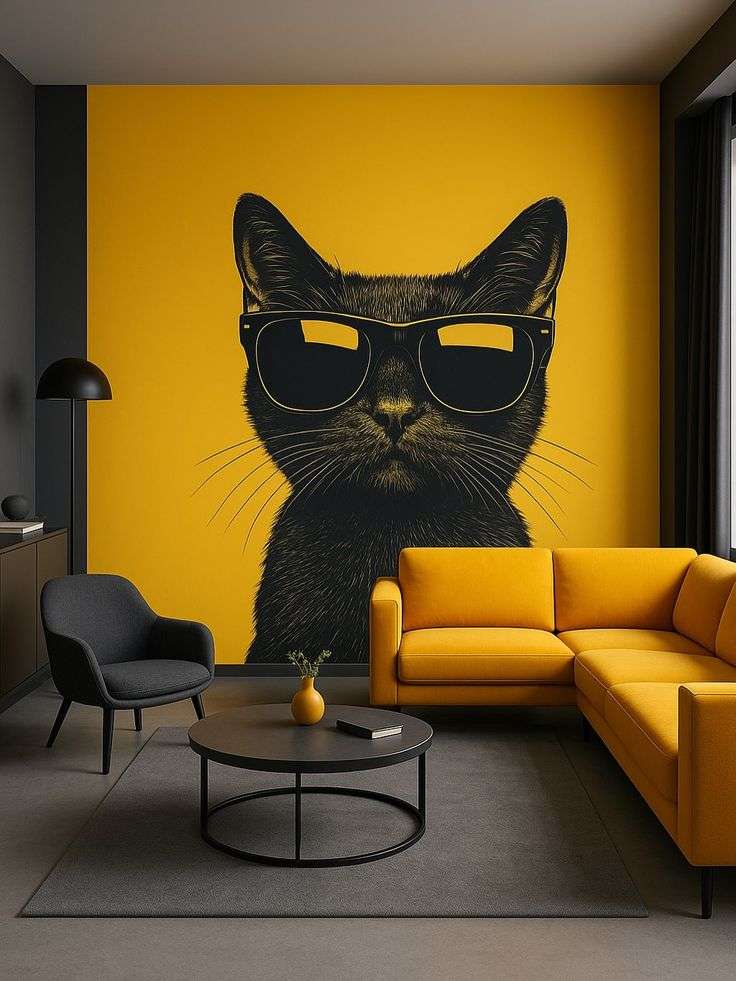
For example, artwork behind a sofa can create a visual anchor. Similarly, a mural behind a bed can establish a calm focal point without requiring additional wall decoration. In hallways, smaller compositions can create visual continuity between rooms.
Moreover, murals can work beyond residential interiors. Restaurants, cafés, boutiques, offices, studios, hotels, and hospitality spaces can use original wall artwork to communicate atmosphere and identity for Custom murals.
Choosing the Right Concept
Before starting a mural project, consider the room’s purpose, existing materials, lighting, preferred colours, and desired artistic mood. Also, think about longevity. A design that looks impressive today should still feel appropriate as furniture and accessories change.
For inspiration, explore Architectural Digest’s “Residential Wall Murals” collection, Architectural Digest India’s “Wall Painting Ideas for Living Rooms”, and AD PRO’s “2026 Interior Design Forecast.” These resources show how artwork, colour, texture, and architecture can work together in contemporary interiors. For more information visit to our page.
Ultimately, the best custom murals are created with the space in mind. They combine artistic expression with practical interior planning. Therefore, instead of treating a wall as an afterthought, homeowners can make it an intentional part of the room’s personality.
FAQs
Are custom murals suitable for small rooms?
Yes. Smaller spaces can use controlled patterns, lighter colours, or partial-wall compositions to maintain visual balance.
Can a mural match existing furniture?
Absolutely. Colours, shapes, and artistic elements can be planned around existing furniture, flooring, lighting, and materials.
Which rooms work well with wall murals?
Living rooms, bedrooms, dining areas, hallways, offices, cafés, restaurants, boutiques, and hospitality spaces can all feature mural artwork.
Are hand-painted murals different from wallpaper?
Yes. A hand-painted mural is created directly on the wall, allowing the artwork to be adapted to the specific space and artistic requirements.
How should I choose a mural design?
Consider the room’s size, lighting, furniture, colour palette, architectural style, and the mood you want the artwork to create.
Latest Posts
8 Tips for Outdoor Mural Relief Walls That Last (2026)
An outdoor mural relief turns a plain exterior wall into a striking, three-dimensional feature — but only when it’s planned […]
What Materials Are Used for Mural Relief?
Mural relief materials play an important role in determining the depth, strength, texture, and finish of three-dimensional wall art. Mural […]
How Much Do Wall Murals Cost? A Complete Guide for Every Space
Wondering about the wall mural cost before starting your project? A mural is a custom artwork painted directly onto a […]
What Wall Preparations Should Be Made Before You Come to Paint the Mural?
A beautiful mural begins long before the first brushstroke. In fact, wall preparation before mural painting plays a major role […]
Where to Buy Residential Wall Murals: A Practical Guide for Homeowners
Choosing residential wall murals is no longer limited to visiting a local décor shop. Today, homeowners can explore painted murals, […]
How Do Lighting Effects Impact Relief Murals?
Relief mural lighting plays an important role in showing the depth, texture, and details of three-dimensional wall art. However, their […]