
A 3D relief mural is a handcrafted three-dimensional wall artwork that combines sculpting, texture, colour, and decorative finishes. A relief mural uses raised elements built onto a wall to create physical depth, natural shadows, and a distinctive artistic appearance. Moreover, a 3D relief can be customised for luxury homes, offices, hotels, restaurants, cafés, villas, and commercial spaces. Therefore, understanding the materials, design process, installation options, and maintenance requirements can help you plan the right relief artwork for your space.
Because each design can be customised, a relief mural can be adapted to the dimensions, architecture, lighting, and style of a particular space. Furthermore, different materials, textures, colours, and finishes can be selected according to the project’s requirements. This guide explains the materials, design styles, installation process, applications, and maintenance of 3D relief murals.
What Makes a 3D Relief Mural Unique?
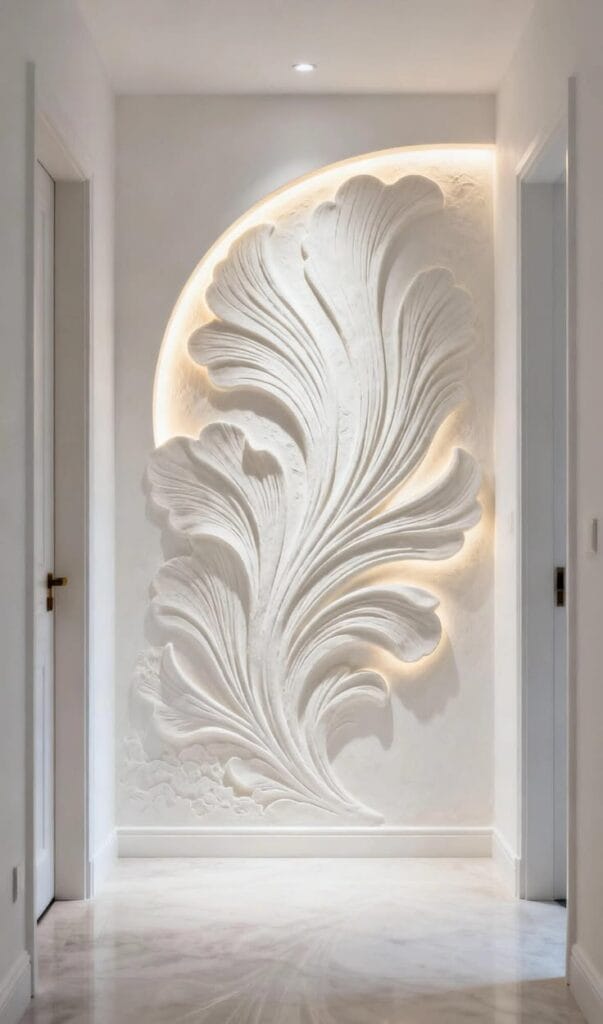
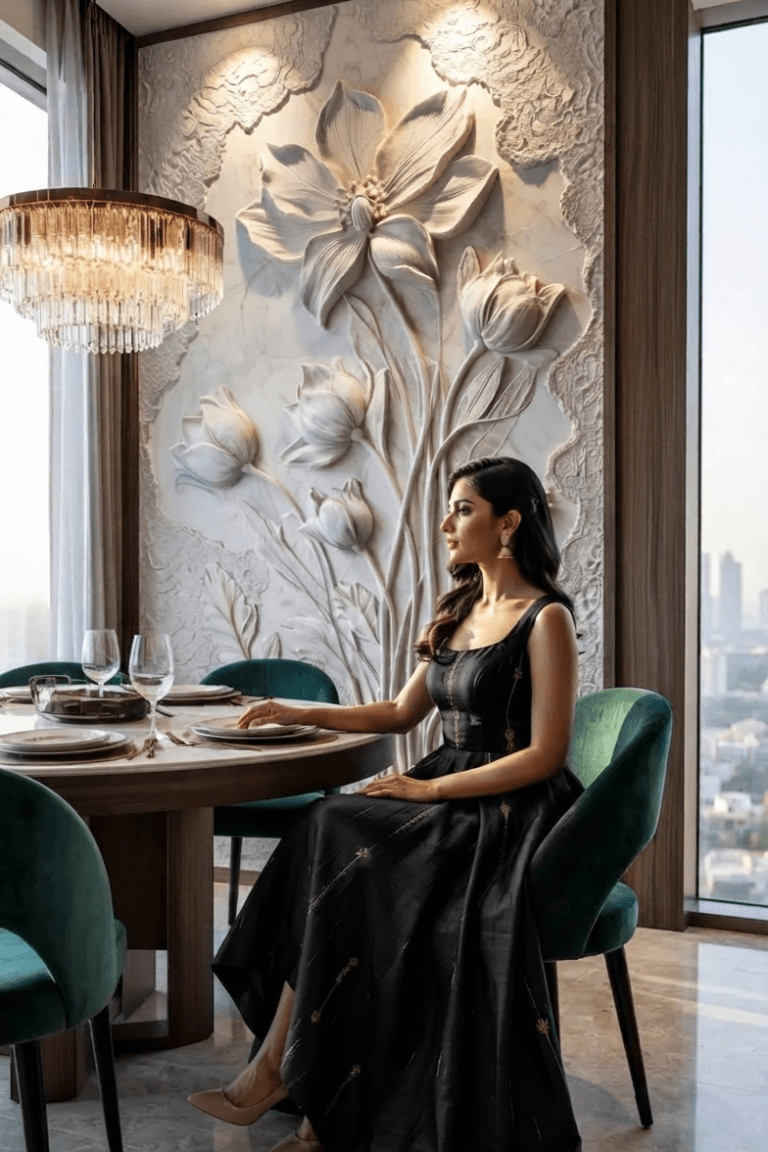
A 3D relief uses raised sculptural elements to create physical depth on a wall. Therefore, the finished surface can appear different as lighting conditions change. For example, soft evening lighting can highlight textures that look subtler during daylight.
Furthermore, artists can create realistic figures, landscapes, geometric patterns, botanical forms, and abstract compositions.
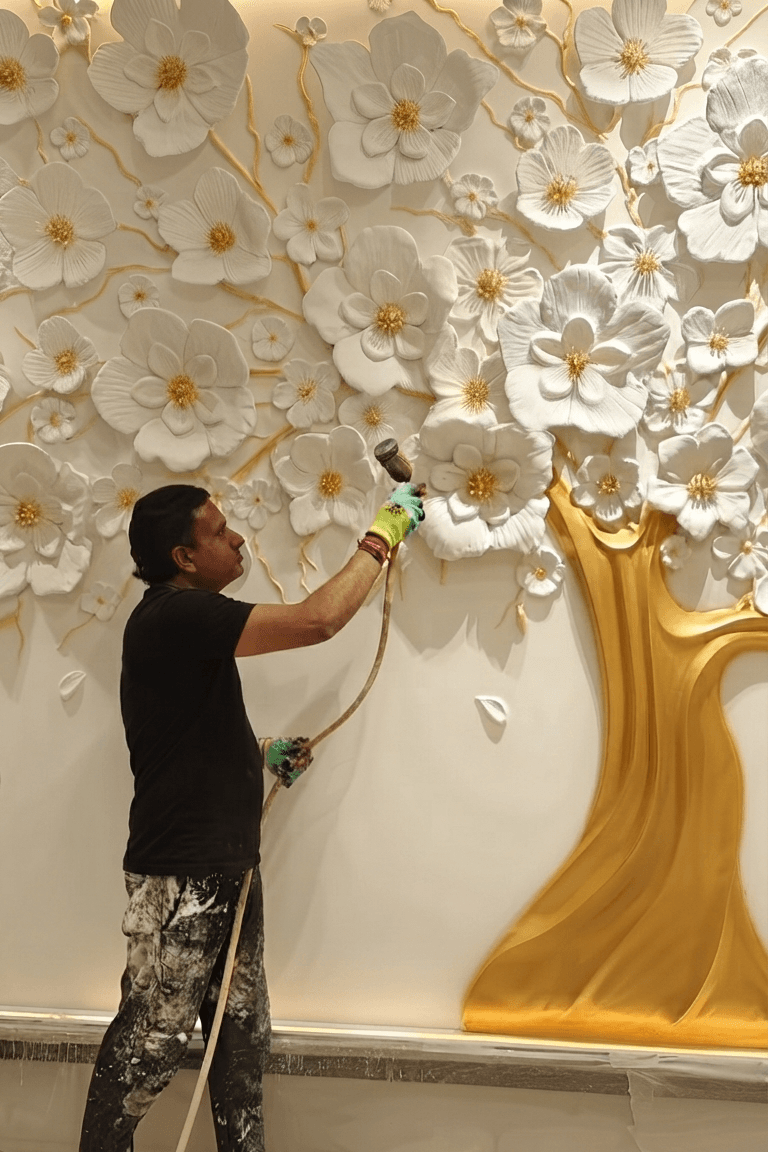
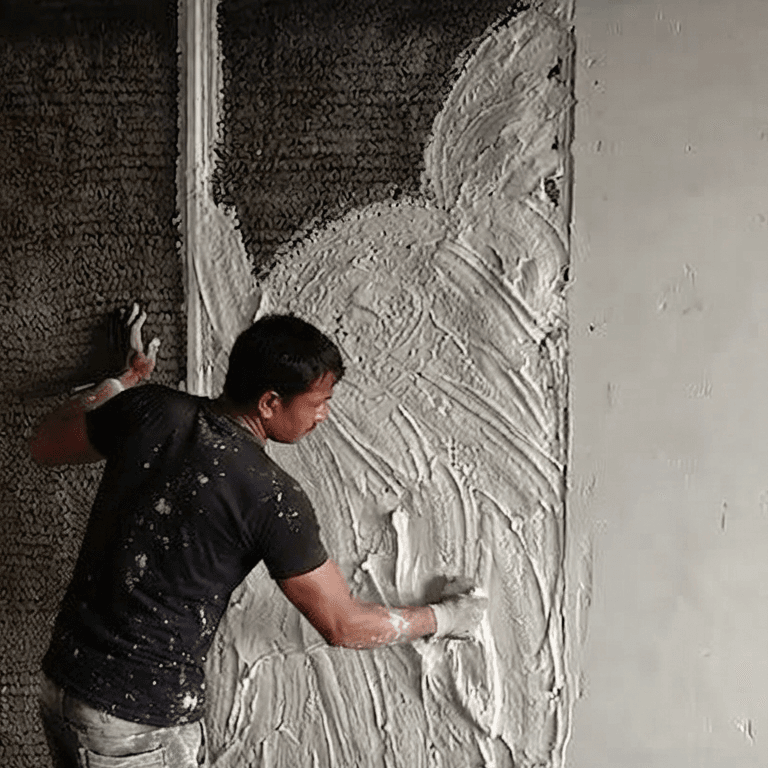
Creating a relief mural involves several carefully planned stages. You can visit to our page.
Afterwards, the artist develops a design according to the wall dimensions and the client’s requirements.
Materials Used for 3D Relief Murals
Common options include:
- Plaster of Paris (POP)
- Cement-based compounds
- Lime-based materials
- Lightweight sculpting compounds
- Fibre Reinforced Plastic (FRP)
- Acrylic materials
- Mineral-based textures
- Metallic finishes
- Protective sealers
For example, lightweight materials may be suitable for intricate interior designs.
Therefore, material selection should always consider the wall condition, environment, design complexity, and expected lifespan.
Popular 3D Relief Mural Design Styles
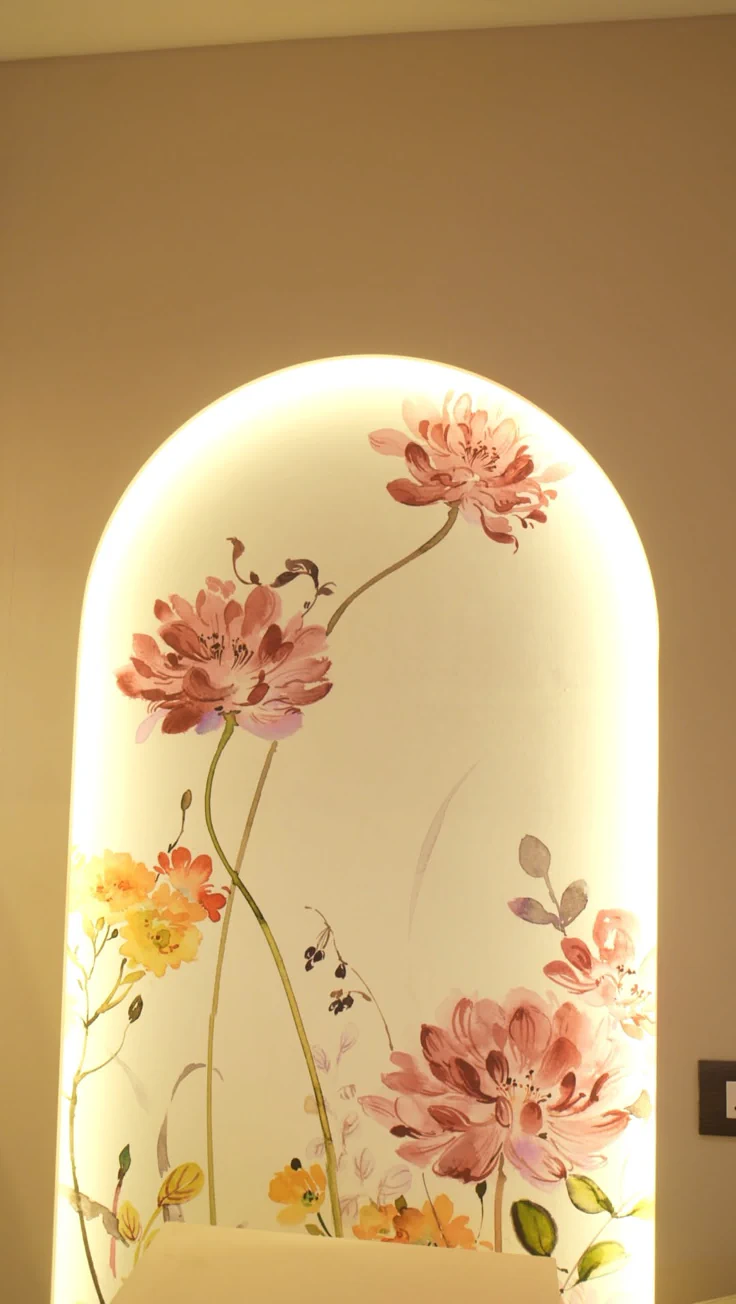
Today, designers and homeowners have numerous creative options. Nature-inspired artwork remains popular because it brings organic forms into interior spaces. Similarly, floral compositions can create an elegant decorative feature.
Additionally, popular concepts include:
- Tree of Life designs
- Buddha relief artwork
- Mountain landscapes
- Ocean-inspired scenes
- Geometric patterns
- Abstract sculptures
- Botanical compositions
- Architectural motifs
- Contemporary minimal designs
- Marble-inspired textures
Moreover, metallic and stone-like finishes can give selected designs a sophisticated appearance.
Where Can a 3D Relief Be Installed?
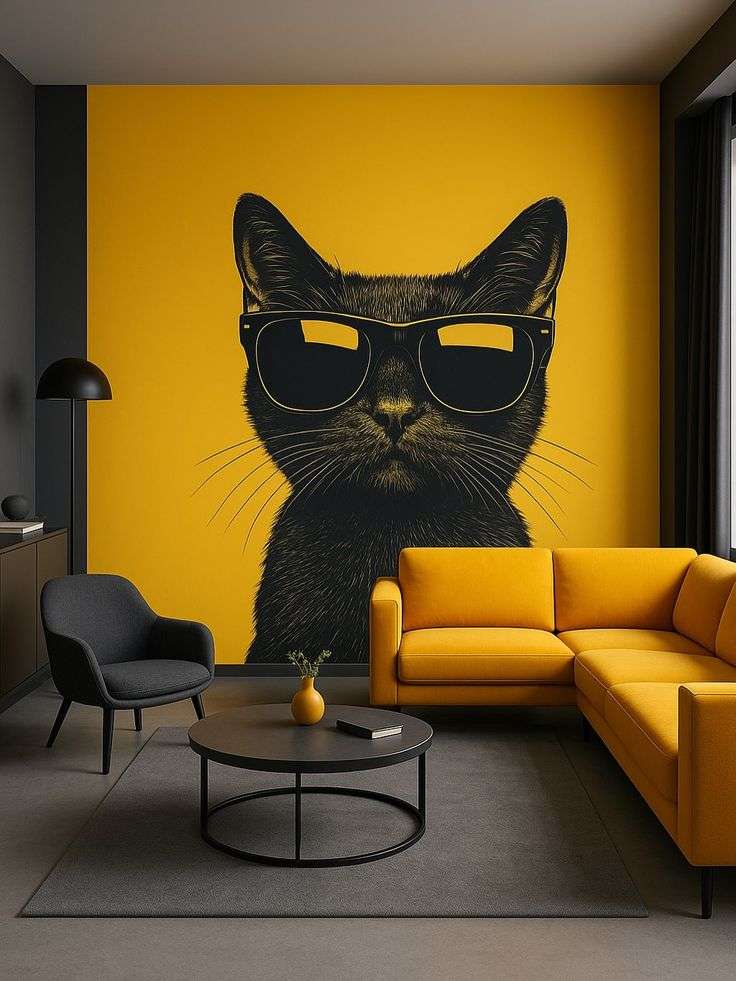
A 3D relief mural can suit a wide range of residential and commercial environments. For instance, living rooms can use relief artwork as a central feature wall. Similarly, hotel reception areas can use sculptural artwork to create a memorable first impression.
Other suitable locations include:
- Luxury villas
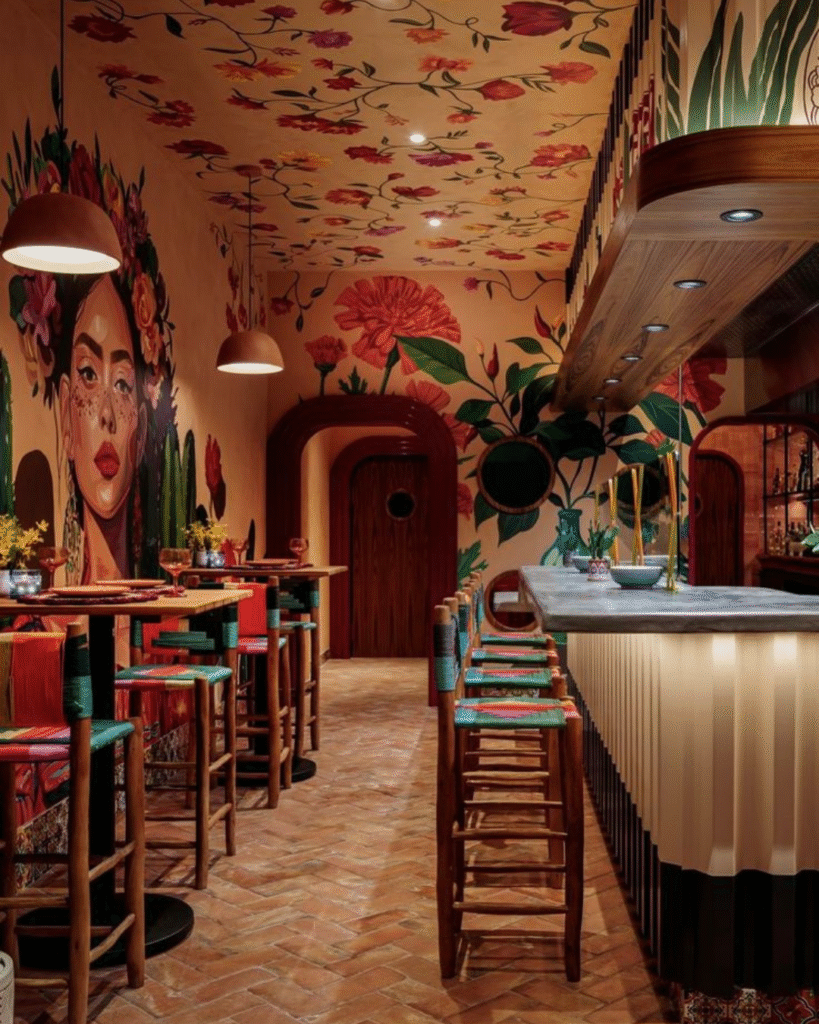
- Restaurant interiors
- Café walls
- Office reception areas
- Hotel corridors
- Resort entrances
- Staircase walls
- Boutique stores
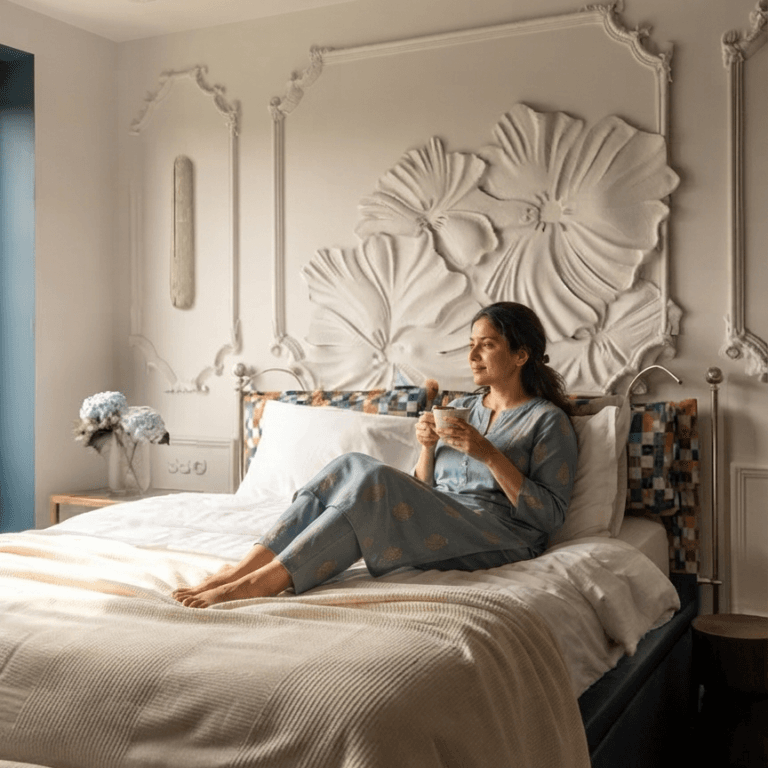
- Bedroom feature walls
- Garden walls
As a result, directional lighting can emphasise raised forms and create dramatic shadows.
Key Advantages of a 3D Relief Mural
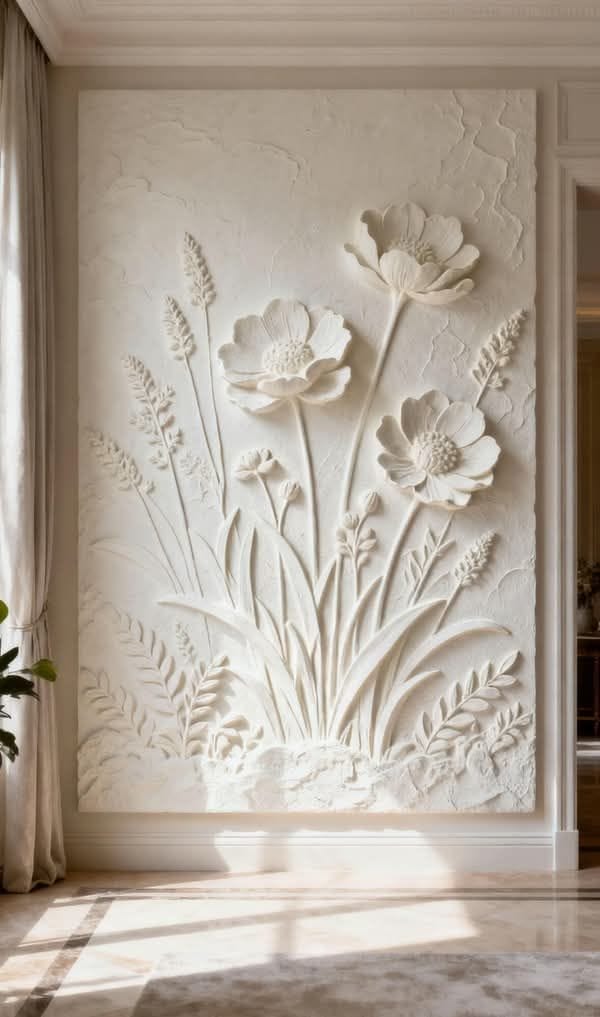
A 3D relief offers several practical and artistic advantages. First, it creates physical depth that ordinary decorative finishes cannot provide. Consequently, the wall can become a major visual feature within the room.
Therefore, it can be particularly suitable for homeowners, architects, designers, hotels, restaurants, and businesses seeking original wall features.
Can 3D Relief Murals Be Installed Outdoors?
However, exterior installations require greater attention to moisture, sunlight, temperature changes, and rainfall.
How to Maintain a 3D Relief Mural
Fortunately, maintaining a 3D relief mural is relatively simple when the correct finishes have been applied.
For exterior installations, periodic inspections are particularly useful.
As a result, regular care can help preserve the artwork’s texture, colour, and overall appearance for many years.
Is a 3D Relief Mural Suitable for Your Space?
Choosing a relief mural depends on the size, purpose, and design character of the space. For example, large walls can accommodate detailed landscapes or sculptural compositions. Meanwhile, smaller walls may benefit from simpler geometric or botanical designs.
A well-positioned light source can emphasise the raised surface and create attractive shadows.
Final Thoughts
A 3D relief mural combines sculpture, texture, colour, and craftsmanship into a distinctive wall feature. Moreover, its raised surface creates visual depth that changes with natural and artificial lighting.
Whether used in a luxury residence, hotel, restaurant, office, or retail environment, this artistic technique can provide a memorable architectural feature. Ultimately, careful material selection, professional installation, and regular maintenance help ensure that the finished artwork remains attractive for years. For more information you can visit to our page.
Frequently Asked Questions
What is a 3D relief ?
A 3D relief mural is a handcrafted wall artwork featuring raised sculptural elements that create physical depth, texture, and shadow.
How is a this mural made?
First, the wall is prepared. Next, sculptural materials are applied and shaped.
Can a this mural customised?
Yes. Designs can be customised according to the wall dimensions, architectural style, colour scheme, lighting, and personal preferences.
Which materials are used for this mural murals?
Common materials include POP, cement compounds, FRP, acrylic materials, mineral textures, and protective coatings. However, the ideal material depends on the project requirements.
Can a 3D relief mural be used outdoors?
Yes. However, outdoor installations require weather-resistant materials and suitable protective coatings to withstand environmental exposure.
How should a relief mural be maintained?
Regular dusting with a soft cloth is recommended.
Latest Posts
8 Tips for Outdoor Mural Relief Walls That Last (2026)
An outdoor mural relief turns a plain exterior wall into a striking, three-dimensional feature — but only when it’s planned […]
What Materials Are Used for Mural Relief?
What materials are used for mural relief is a common question among homeowners, architects, interior designers, and business owners planning […]
How Much Do Wall Murals Cost? A Complete Guide for Every Space
Wall murals have become one of the most popular ways to personalise residential and commercial interiors. Whether you want artistic […]
What Wall Preparations Should Be Made Before You Come to Paint the Mural?
A beautiful mural starts long before the first brush touches the wall. Wall preparation before mural painting plays a vital […]
How Much Do Wall Murals Cost? A Complete Pricing Guide
Wall murals have become one of the most popular ways to personalize interiors in homes, cafés, offices, hotels, and retail […]
Where to Buy Residential Wall Murals: A Practical Guide for Homeowners
A residential wall mural is more than a decorative feature. It reflects your personality, complements your interior style, and creates […]
Finally found a site that actually delivers on its promises. The user interface is clean and the experience is just top notch. Love using brtitiwin