
Wall murals have become an important part of modern interior design. Therefore, understanding wall mural painting materials is essential for achieving durability, depth, and visual harmony. While many people focus on design alone, materials play a decisive role in how a mural performs over time. Hence, choosing the right combination of surfaces, paints, and protective layers ensures long-term value.
Surface Preparation Materials for Wall Murals
Before painting, professionals prepare the surface carefully. They always assess the wall condition first. Cracks, dampness, and uneven textures can reduce adhesion. Therefore, they commonly use wall putty, crack fillers, and cement primers.
Moreover, artists prefer emulsion wall primers because these primers improve paint bonding and reduce absorption. As a result, the mural looks consistent and refined. Although many people often overlook preparation, it directly affects the mural’s lifespan.
Paint Types Used in Wall Mural Painting
Selecting the correct paint is a critical step. Hence, most artists rely on acrylic paints for wall murals. Acrylics dry quickly, but peel of after few days which is hard to resist , and allow layering techniques. Additionally, they work but emulsion is the best option on both interior and exterior walls.
In contrast, artists often use emulsion paints for large background areas because they cover space efficiently. However, artists usually apply artist-grade pigments for detailing. Consequently, professionals maintain mural clarity even after many years.
Artists also choose mineral-based paints for specific mural projects. These paints bond chemically with walls, especially lime or cement surfaces. As a result, they offer excellent breathability and weather resistance.
Brushes, Tools, and Application Materials
While paints receive most attention, tools are equally important. Therefore, mural artists use a combination of flat brushes, round brushes, and texture rollers. Each tool creates a specific visual effect.
Moreover, palette knives help achieve relief textures and layered finishes. Artists sometimes use spray tools for gradients; however, hand application offers greater control. Because of this, manual techniques remain dominant in premium mural projects.
Protective Coatings and Sealants
Once the artwork is completed, artists focus on protecting the mural. Hence, they apply varnishes and sealants to safeguard the surface.
Additionally, they choose matte or satin finishes based on the lighting conditions of the space. Although they apply sealants as the final step, these coatings significantly extend the mural’s durability.. Therefore, professional studios never skip this stage.
Eco-Friendly Wall Mural Painting Materials
Sustainability now plays an important role in material selection. As a result, many studios use low-VOC paints and water-based primers. These materials reduce odor and indoor air pollution.
Furthermore, natural lime paints are gaining popularity. They support wall breathability and suit heritage or luxury spaces. Consequently, eco-conscious mural materials benefit both occupants and the environment.
Why Material Quality Matters in Wall Murals
High-quality wall mural painting materials ensure consistency and longevity. Therefore, professional studios invest in tested products rather than generic options. Poor materials may cause peeling, discoloration, or uneven textures.
Because murals are long-term visual assets, material choice directly affects maintenance costs. Hence, expert material selection adds long-term value to residential and commercial spaces.
Oikar Studio Painting and Mural Relief Materials
At Oikar Studio, we carefully select every material to ensure our murals achieve both aesthetic beauty and long-lasting durability. For wall mural painting, we primarily use artist-grade acrylic paints that provide vibrant colors, smooth application, and excellent adhesion. These paints allow us to layer shades seamlessly, capturing depth and subtle gradients that bring each mural to life. In addition, we pair them with high-quality primers that prepare the surface, prevent absorption, and ensure even coverage.
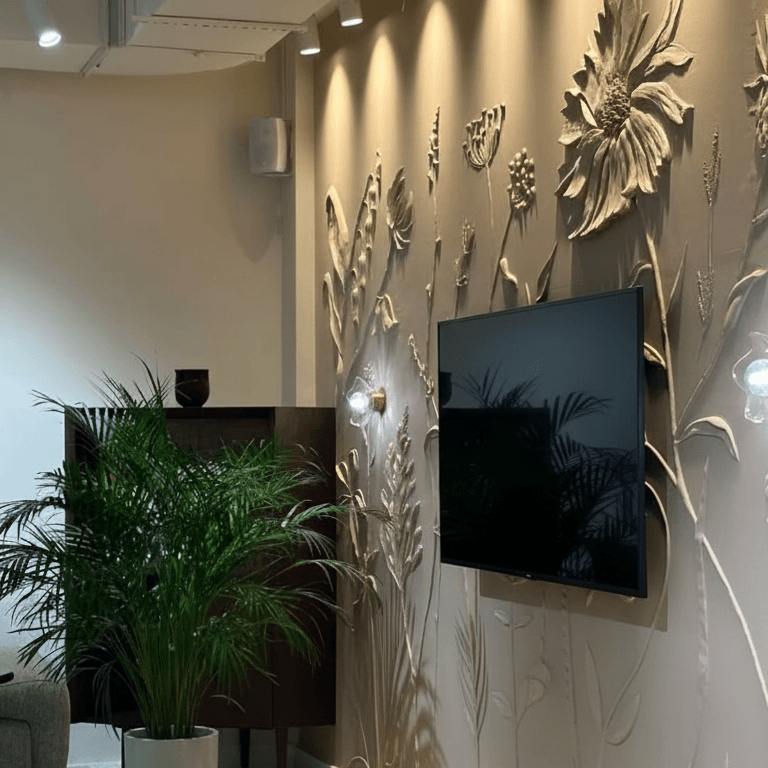
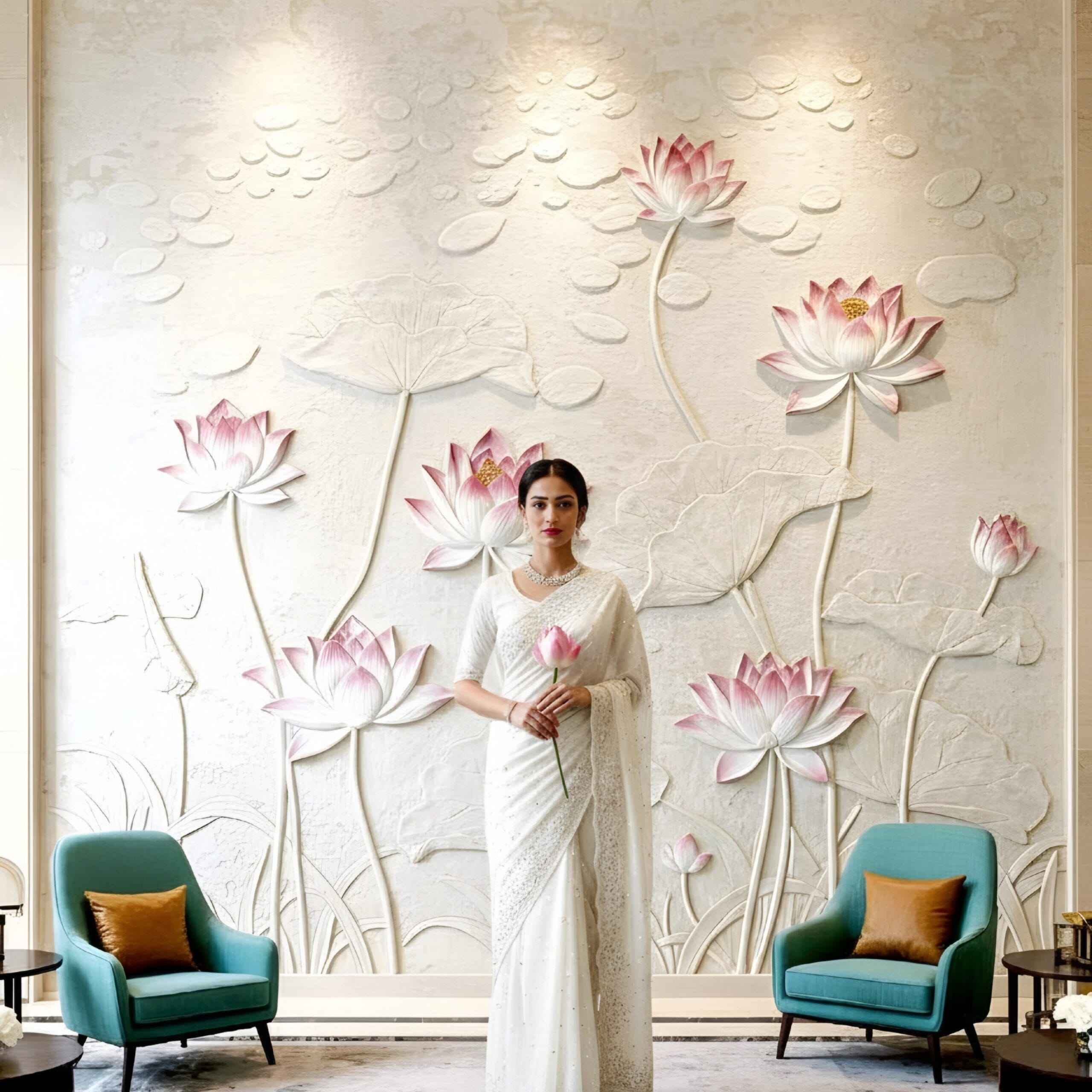
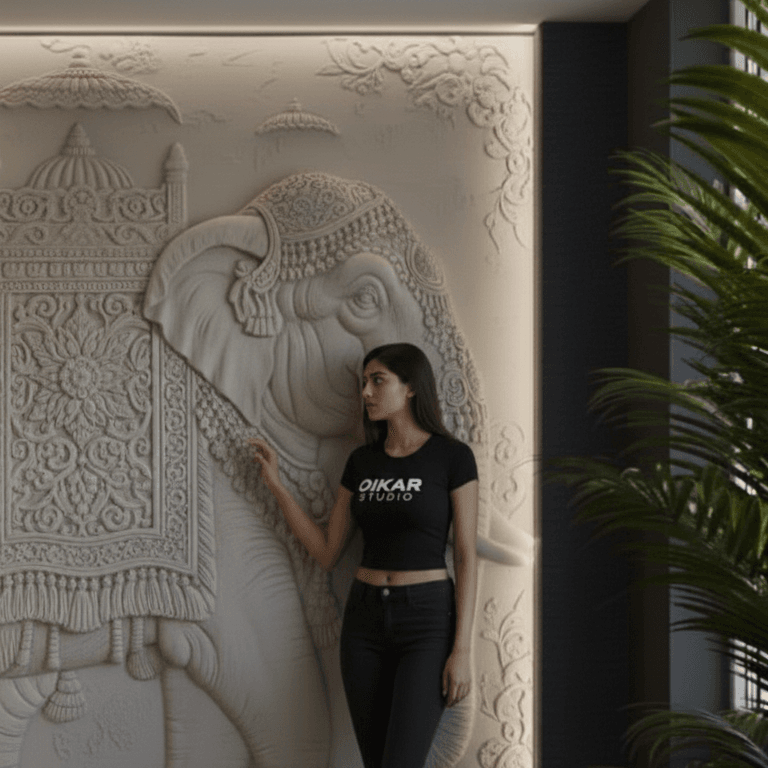
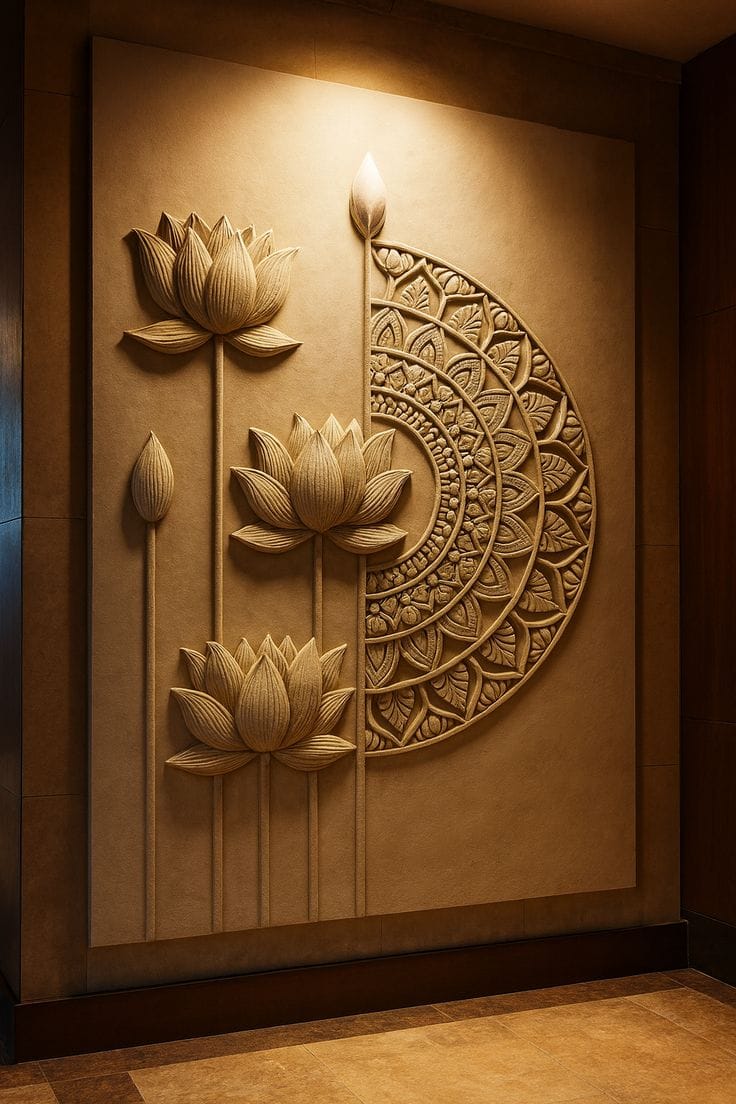
When it comes to mural reliefs, our approach combines traditional craftsmanship with modern materials. We use a blend of lime plaster, polymer-based modeling compounds, and natural stone powders to create textured designs that remain strong over time. These materials allow us to sculpt intricate patterns, fine lines, and three-dimensional elements directly onto walls, giving each space a distinctive, tactile quality. To maintain durability, we seal these surfaces with specialized acrylic sealants, protecting them from dust, moisture, and environmental wear.
Moreover, Oikar Studio emphasizes eco-friendly materials wherever possible. Our low-VOC paints, natural plasters, and water-based primers reduce environmental impact and improve indoor air quality without compromising quality or visual appeal. Because of this careful selection, our murals and reliefs maintain their color, detail, and texture for years, requiring minimal maintenance.
By combining premium paints, expert surface preparation, and carefully formulated relief materials, Oikar Studio ensures that every mural project meets high standards of design, craftsmanship, and longevity. This commitment to quality sets us apart as a leading choice for both residential and commercial mural installations in Kolkata and beyond.
FAQs: Wall Mural Painting Materials
Q1. Do wall murals need protective coating?
Yes, sealants protect murals from moisture, dust, and fading.
Q2. Can murals be painted on textured walls?
Yes, but proper primers and surface leveling materials are required.
Q3. Are eco-friendly mural materials durable?
Yes, many low-VOC and mineral paints offer excellent longevity.
Q4. How long do wall mural materials last?
With quality materials and sealing, murals can last over 10 years.
Latest Post
Eco-Conscious Luxury Sustainable Artisanal Decor: A New Standard in Premium Interiors
Eco-conscious luxury sustainable artisanal decor defines a new direction in high-end interior design. Homeowners now prefer decor that reflects responsibility […]
Japandi Mural Styles: Minimal Warmth Meets Handcrafted Art
Japandi mural styles in Kolkata are becoming a defining choice for homeowners who prefer minimal yet warm interiors. This design […]
Office Branding Artists in Sector 5 Salt Lake: Building Strong Visual Workspaces
Businesses investing in Office Branding Sector V understand that interior visuals directly influence brand perception. In today’s competitive corporate environment, […]
Modern Wall Texture for New Town Penthouse: Luxury Finishes That Define Space
Modern wall texture for New Town penthouse interiors is becoming one of the most requested design trends in premium apartments. […]
Luxury Mural Artists in Alipore: Bespoke Wall Art for Refined Homes
Alipore features heritage bungalows, luxury apartments, and architect-designed homes. Therefore, design expectations in this neighborhood remain exceptionally high. Homeowners prefer […]
3D Relief Murals for Modern Living Room
A modern living room deserves more than flat paint and framed prints. Today, 3D relief murals for modern living room […]
Ready for some gaming excitement? r777game might be a good place to start. Try your luck, who knows?! Take look here: r777game
Jogosbetano? Yeah, gave it a go. Selection of games is solid, and the payouts seem legit. Worth a punt if you’re looking for something new. Have a look jogosbetano!
Just tried ff88game, not bad, not bad at all. Interface is clean, and I had a bit of luck. Don’t go betting the house, but it’s a fun way to pass the time. Try it out ff88game!