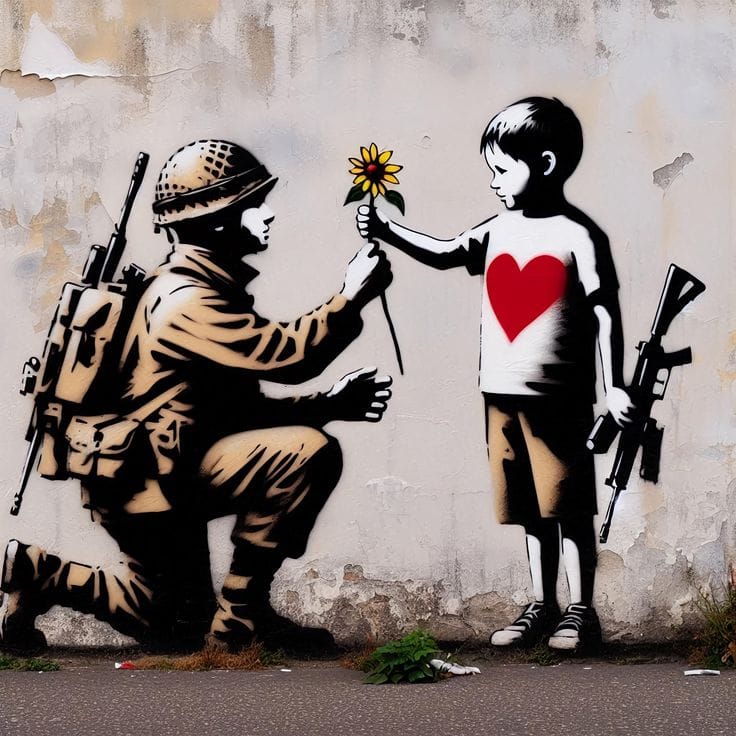
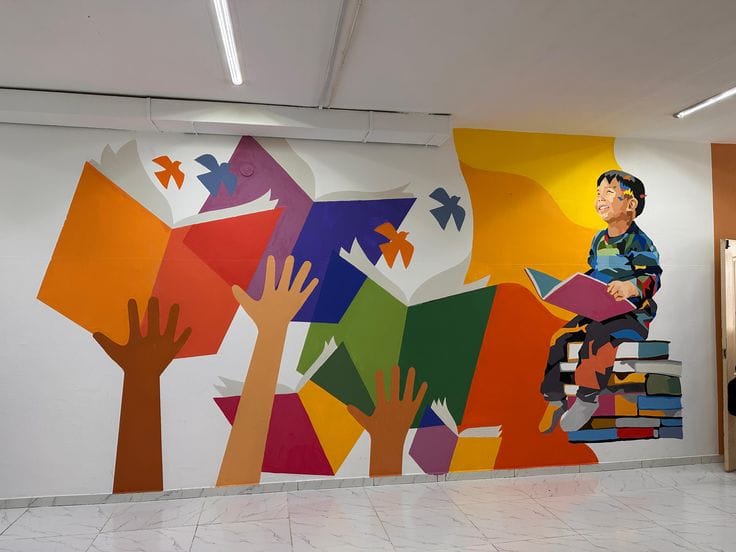
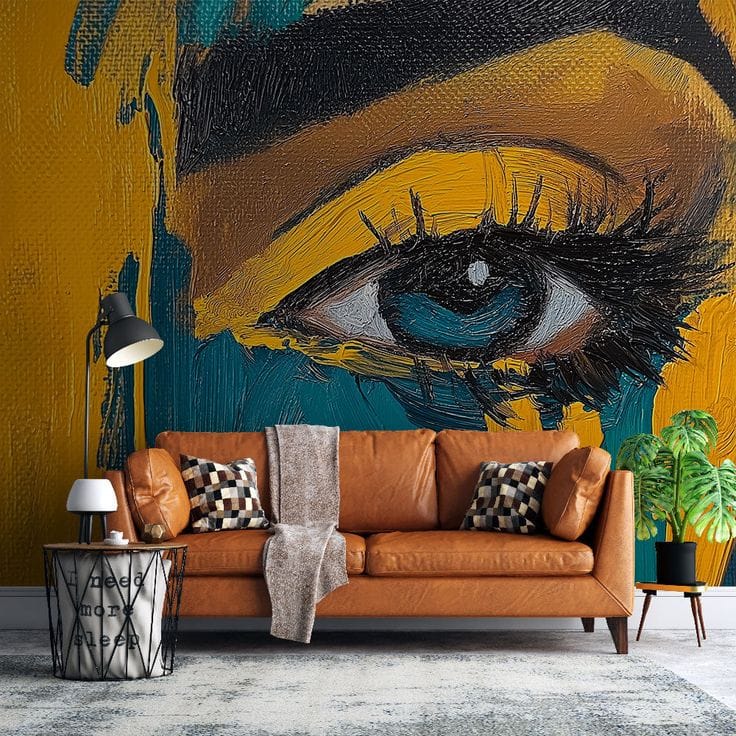
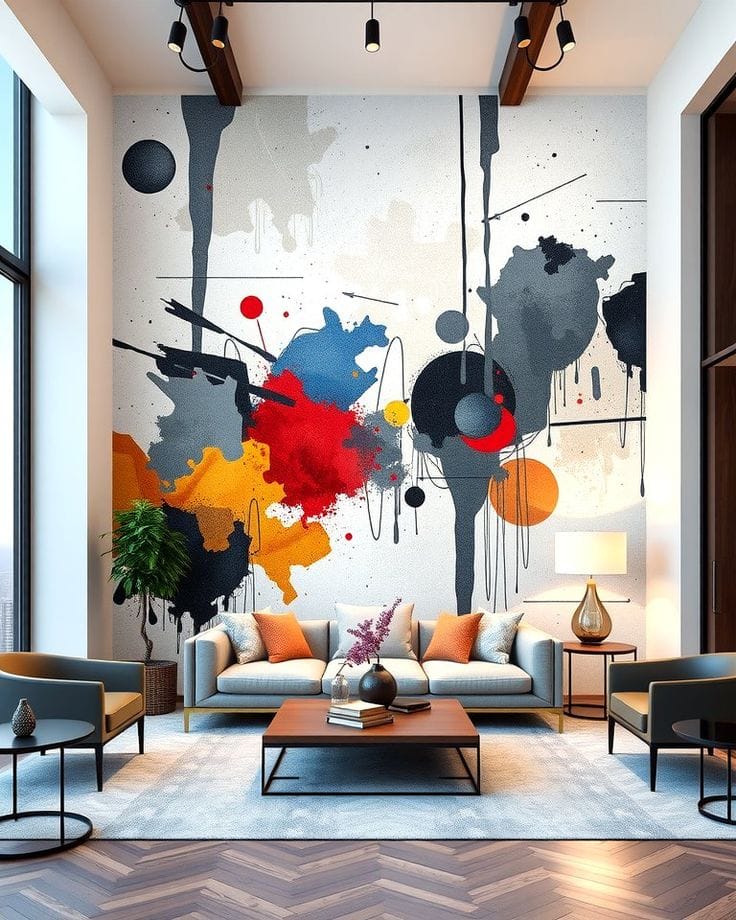
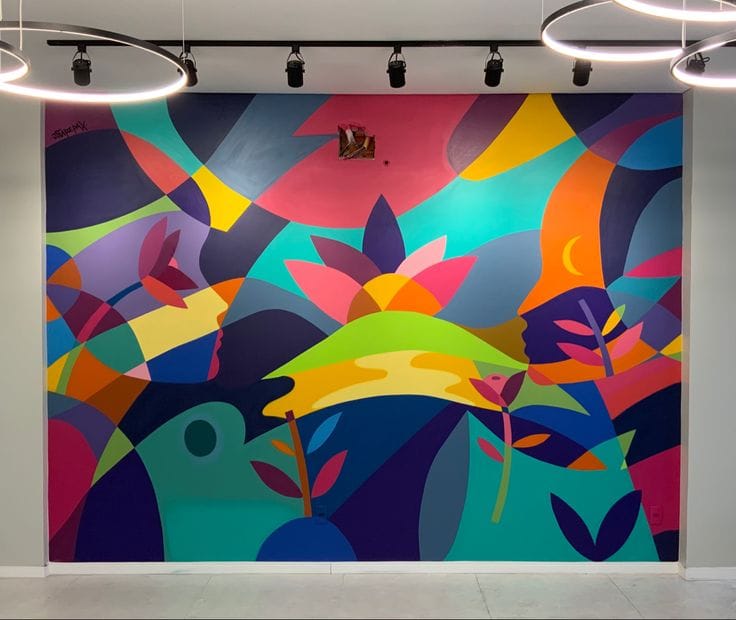
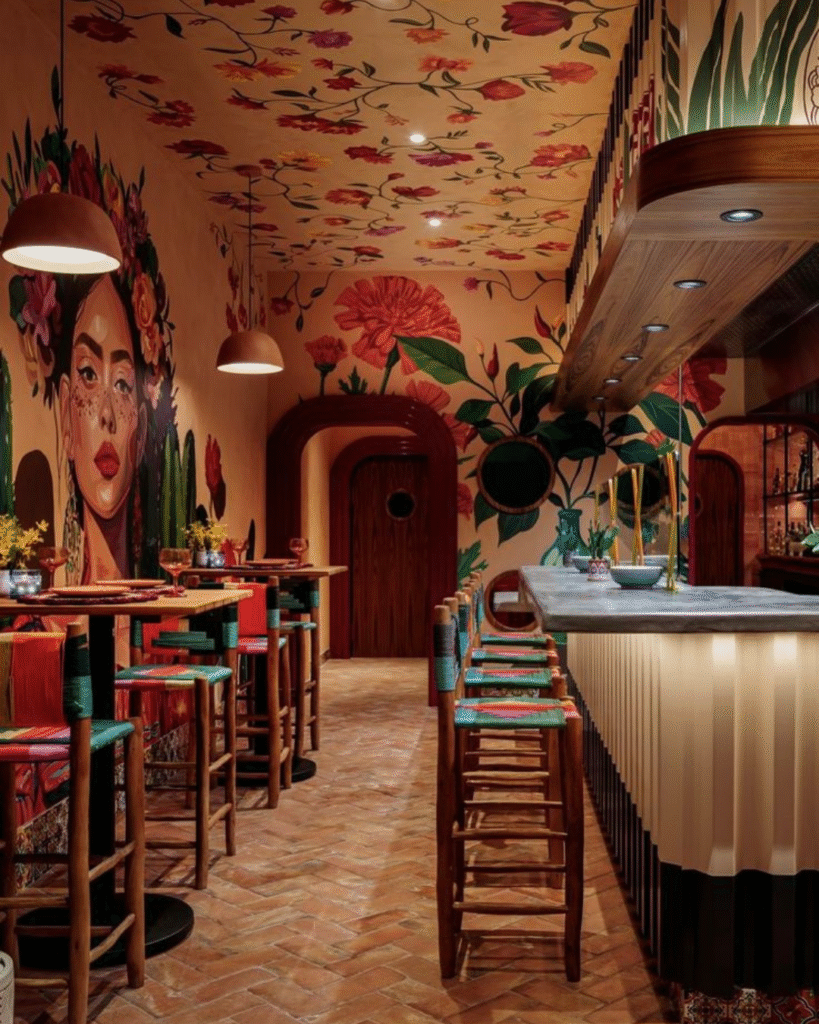
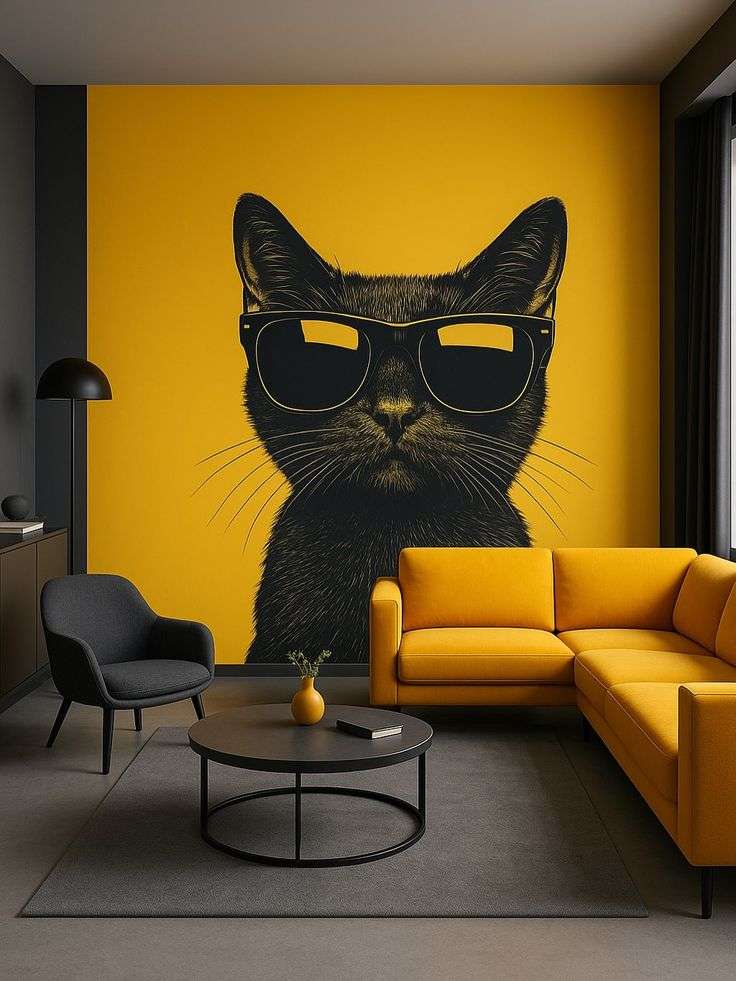
Site specific art installations for architects are no longer optional design features. Instead, they now shape spatial storytelling in meaningful ways. At Oikar Studio, we collaborate with architects who believe art must respond to structure, light, movement, and material. As a result, we design each installation as an integral part of the architecture rather than as an afterthought.
Today, clients expect more than decorative surfaces. They seek meaningful environments that reflect identity, culture, and purpose. Therefore, architects must integrate site specific art installations from the early design stages. When architects and artists develop concepts together, the outcome feels intentional and lasting.
Why Architects Choose Site Specific Art Installations
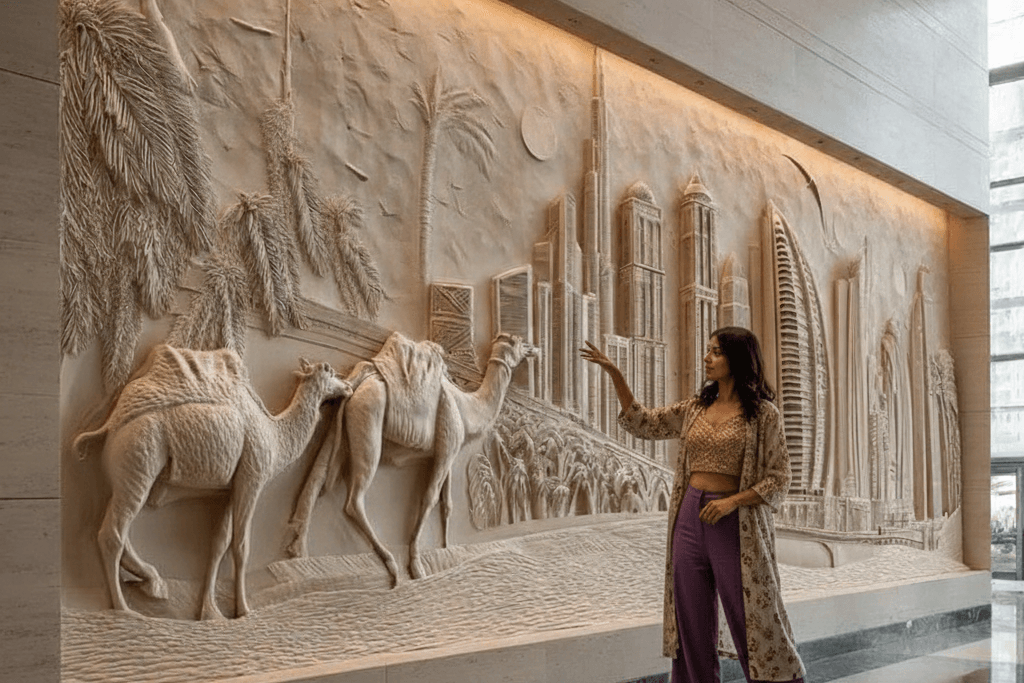
Architects choose site specific art installations because they strengthen spatial character. In addition, these installations create visual anchors within residential, hospitality, and commercial projects. Rather than adding framed artwork later, architects commission custom mural walls, relief surfaces, or sculpted installations that connect directly to the structure.
For example, a double-height staircase wall offers vertical drama. However, without artistic intervention, the wall may feel empty. When designers create a site specific mural according to viewing angles and lighting conditions, the space feels complete. Consequently, architecture and art begin to speak the same language.
Moreover, materials play a critical role. Designers often select lime plaster, textured concrete, and hand-carved relief surfaces to complement architectural finishes. Because of this careful selection, the artwork supports the overall design concept instead of competing with it.
The Process Behind Site Specific Art Installations for Architects
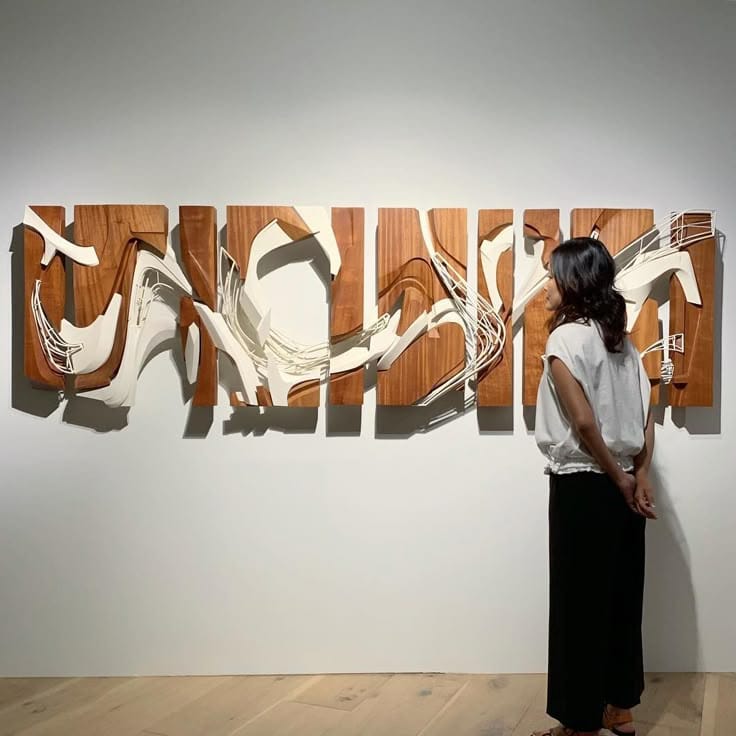
The process begins with dialogue. First, the team studies architectural drawings and 3D visualizations in detail. Then, they examine wall dimensions, natural light direction, and circulation paths. Based on these insights, artists develop concept sketches that respond directly to the site.
After clients approve the concept, the team prepares material samples. At this stage, artists test texture depth and surface finishes to ensure compatibility. As a result, the final execution aligns with both design intent and durability requirements.
During installation, the project team coordinates closely with site engineers and interior designers. Although timelines can feel demanding, structured planning keeps the execution smooth. Skilled artisans handcraft every installation, and they maintain precision at each stage of the process.
In many projects, artists integrate the artwork directly into the wall surface. This approach makes the installation part of the architecture instead of a removable addition. Because of this integration, the visual impact feels authentic and permanent.
Collaboration Between Architects and Artists in Site Specific Art Installations
Successful site specific art installations for architects depend on strong collaboration. Architects define spatial flow and structure, while artists interpret emotional and cultural narratives. When both disciplines collaborate from the conceptual phase, they create cohesive outcomes.
Furthermore, architects value installations that respect proportion and scale. A mural that ignores ceiling height or sightlines can disrupt balance. Therefore, the team creates precise measurements and mockups before final execution. At Oikar Studio, artists conduct scale studies to ensure harmony between built form and artistic detail.
Importantly, this collaborative approach also strengthens brand storytelling in hospitality and commercial spaces. For instance, boutique hotels use custom relief murals to reflect regional heritage. Similarly, luxury residences feature handcrafted walls that align with personal aesthetics.
Integrating Art into Contemporary Architecture
Contemporary architecture often features minimal lines and neutral palettes. In such settings, site specific art installations add depth and texture without overwhelming the environment. Designers maintain subtlety so the artwork complements the architectural language.
Additionally, architects increasingly request sustainable materials. Artists choose lime-based plasters and mineral pigments for their longevity and natural finish. Consequently, the installation aligns with environmentally conscious design practices. Ultimately, site specific art installations for architects create spaces where structure and creativity interact naturally. Instead of functioning as separate elements, art and architecture operate as interconnected expressions of vision and craftsmanship.ions.
Latest Posts
Waterproof Outdoor Murals: A Smart Investment for Lasting Visual Impact
Outdoor walls face harsh weather conditions all year. Therefore, waterproof outdoor murals provide a reliable and long-lasting solution. At Oikar […]
Top 5 Famous Wall Murals That Redefined Urban Art Worldwide
Wall murals have become a powerful expression of creativity, culture, and storytelling. Over time, they have gained global recognition, and […]
Mural Painting Ideas for School Walls That Inspire Creativity
Mural painting ideas for school spaces are becoming increasingly popular, as institutions aim to create engaging and inspiring environments. Not […]
Next Trend in Interior Design: What’s Shaping Modern Spaces Today
Interior design is constantly evolving, and today, homeowners want more than just beautiful furniture. Instead, they seek immersive spaces that […]
Mural vs Wall Art: What Sets Them Apart?
When designing a space, choosing between mural and wall art can feel confusing. Although both enhance interiors, they differ significantly […]
What Are the Benefits of Wall Murals?
Benefits of wall murals are becoming a major reason why modern interiors are shifting toward creative wall designs. Homeowners and […]