
A showroom is more than a place where products are displayed. Instead, it is often the first physical experience customers have with a brand. Therefore, every wall, colour, texture, and visual detail can influence how the space feels. In particular, showroom wall painting offers a practical way to create a distinctive atmosphere while supporting the brand identity.
Today, customers notice visual details quickly. Consequently, plain or poorly maintained walls can make an otherwise premium showroom feel unfinished. On the other hand, carefully planned colours and artistic finishes can create a stronger sense of quality, personality, and consistency.
Why the Walls Matter in a Showroom
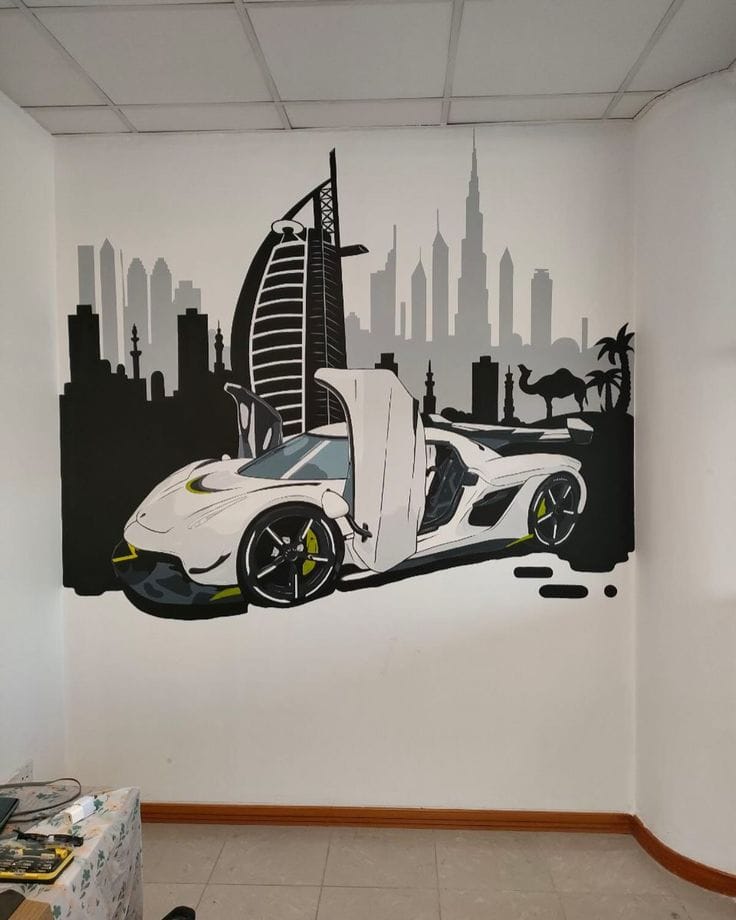
Walls occupy a significant visual area. Therefore, they naturally influence the overall appearance of a retail environment. A suitable colour palette can help products stand out, while an unsuitable combination may compete with displays.
For example, soft neutrals can provide a clean background for furniture or fashion products. Meanwhile, deeper shades can create a sophisticated setting for jewellery, automobiles, luxury products, or designer collections. Additionally, accent walls can guide attention towards important displays, reception counters, or brand messages.
Colour selection should also consider lighting. As a result, a shade that looks perfect during the day may appear different under artificial showroom lighting. Asian Paints provides a useful Colour Catalogue where businesses can explore different colour families and finishes. For more details visit our pages.
Choosing a Style That Fits the Brand
Every showroom has its own personality. Therefore, the wall design should support the products instead of simply following a popular trend.
A fashion showroom might benefit from elegant textures and bold accent colours. Similarly, a furniture showroom could use earthy tones, concrete effects, or subtle decorative finishes. Meanwhile, an automobile showroom may require clean, contemporary walls that keep attention on the vehicles.
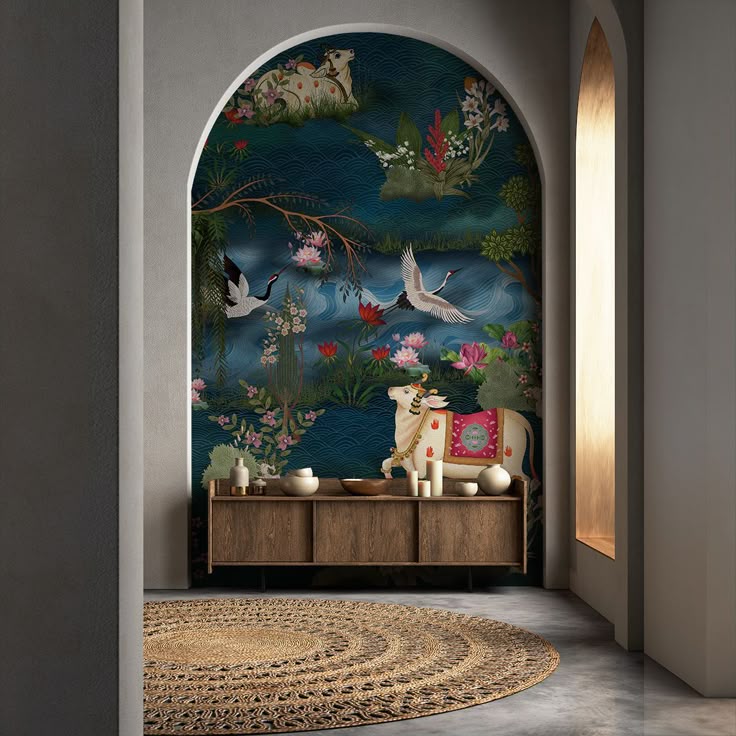
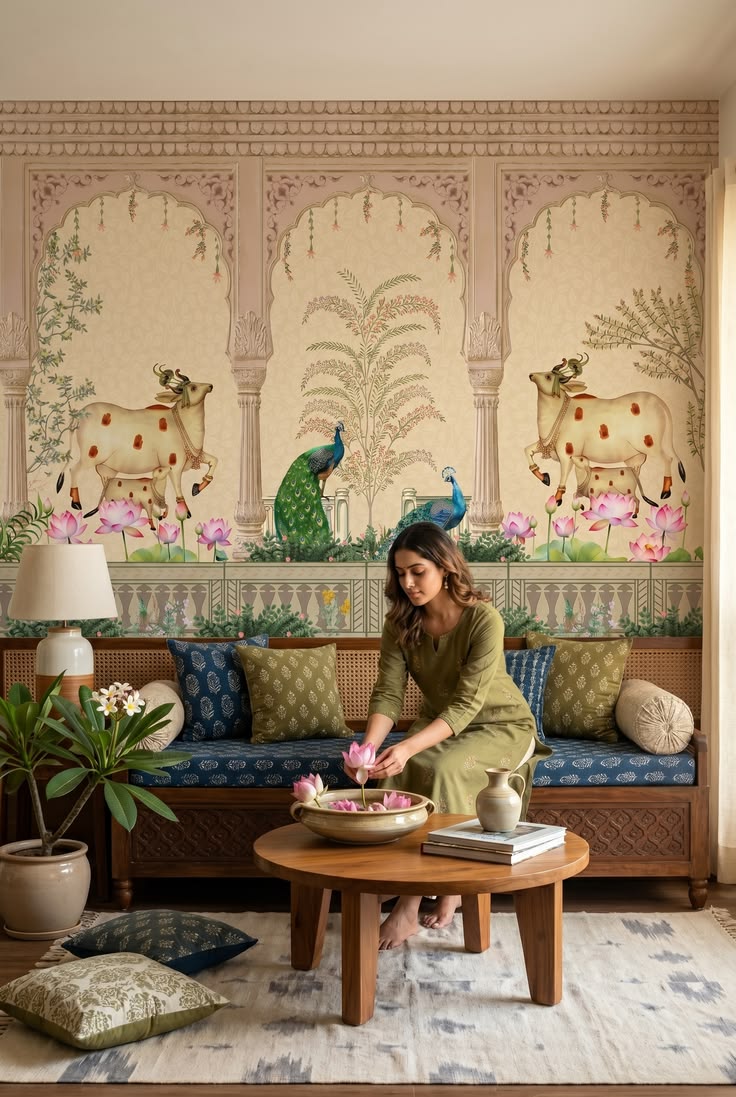
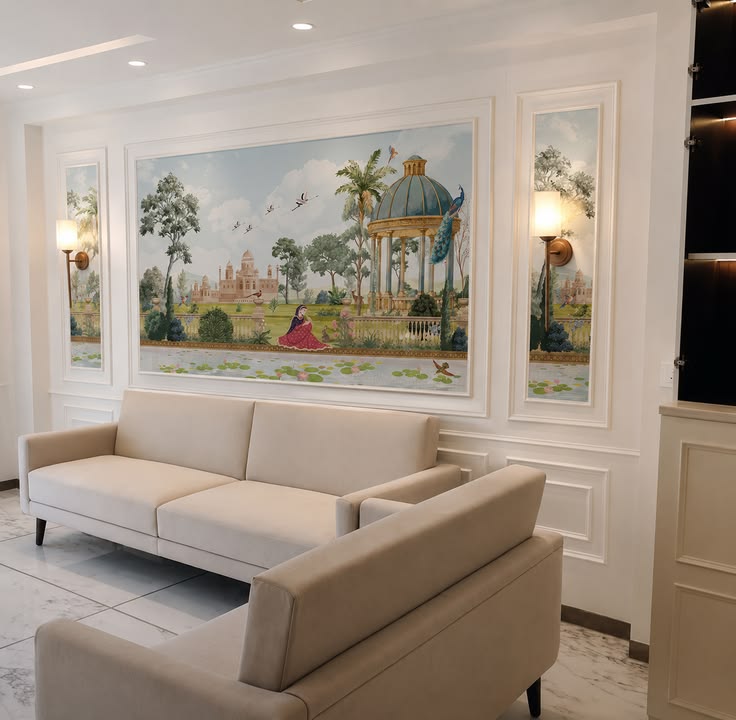
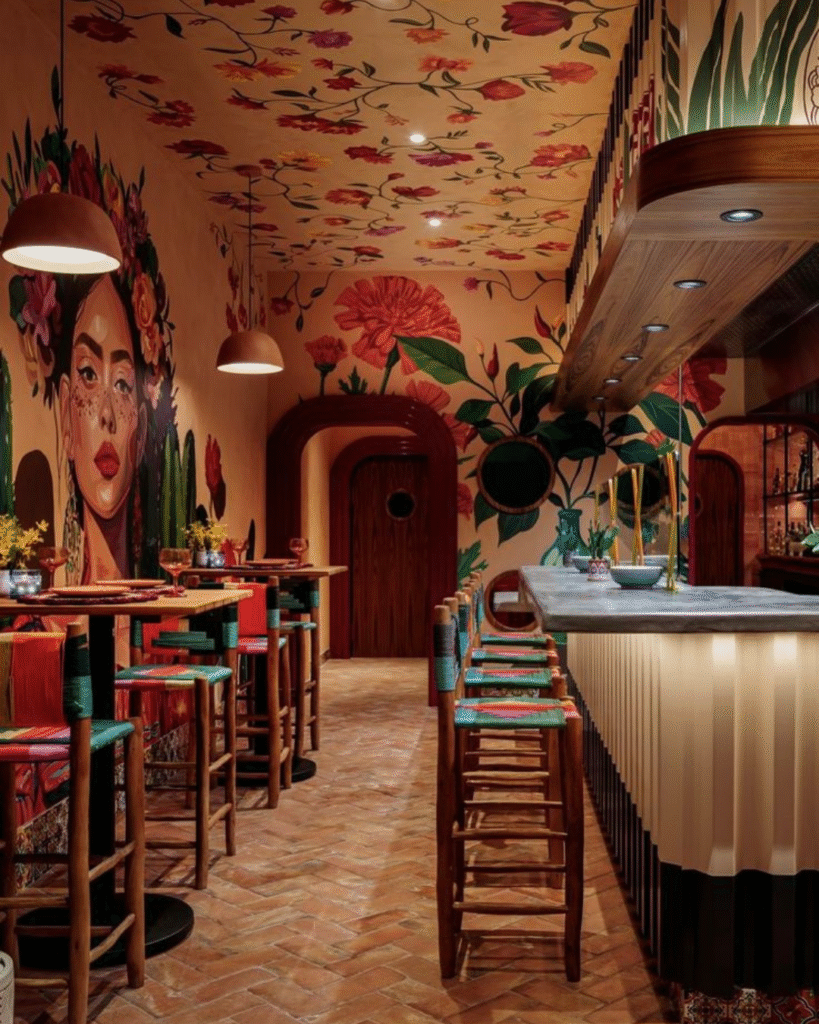
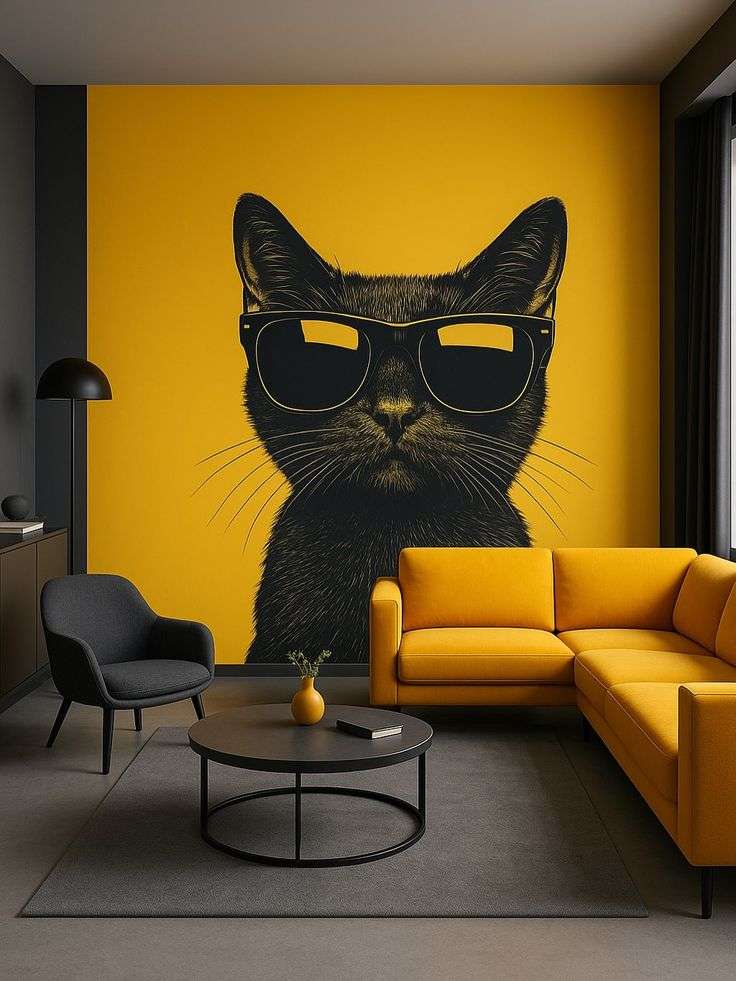
Moreover, hand-painted graphics, murals, geometric patterns, and textured surfaces can introduce a more memorable visual element. Retail design examples from Dulux also show how carefully selected colour palettes can support a distinct identity in commercial and retail environments.
Practical Finishes for Commercial Spaces
Durability matters just as much as appearance. Showrooms experience regular customer movement, cleaning, lighting changes, and frequent product rearrangement. Therefore, the chosen finish should suit the amount of use the wall receives.
Depending on the concept, businesses can consider:
- Premium matte or satin wall finishes
- Concrete-effect textures
- Metallic finishes
- Stucco or marble-effect surfaces
- Hand-painted murals
- Geometric feature walls
- Brand-inspired artwork
- Minimal two-tone colour schemes
Furthermore, sample testing is useful before the final application. For instance, Asian Paints recommends viewing actual colour samples because lighting can affect how a shade appears on a wall.
Planning the Painting Before Installation
Good showroom wall painting begins before the first coat is applied. First, identify the brand personality and customer profile. Next, review the showroom layout, lighting, product colours, signage, and existing materials.
Then, decide which walls should remain subtle and which areas deserve stronger visual attention. After that, test selected colours and finishes under the actual lighting conditions.
Finally, coordinate the painting schedule with other interior work. This approach helps reduce interruptions and keeps the showroom preparation organised.
For further inspiration, the Commercial Interior – Workplace and Retail section of Dulux’s Colour Awards provides examples of how colour and materials can work together in retail environments.
A Stronger First Impression Starts With the Walls
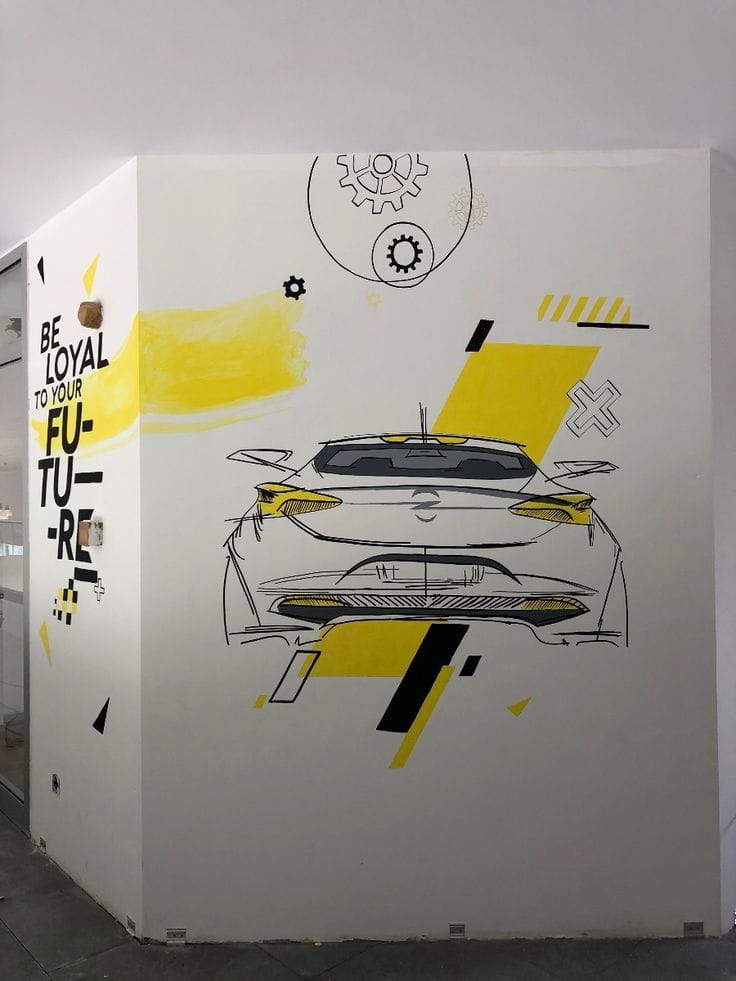
Ultimately, showroom walls should do more than fill empty surfaces. They should support the products, communicate the brand personality, and create a comfortable customer experience.
Therefore, thoughtful showroom wall painting can become an important part of commercial interior planning. With the right colours, textures, artwork, and preparation, a wall can become a memorable part of the customer journey rather than simply a background.
Related Topics to Explore
- Commercial Wall Painting: Colour and finish ideas for business interiors
- Luxury Wall Textures: Premium finishes for high-end spaces
- Hand-Painted Wall Murals: Artistic concepts for commercial interiors
- Wall Painting for Retail Spaces: Practical ideas for customer-facing environments
- Textured Wall Finishes: Comparing decorative finishes for commercial walls
Frequently Asked Questions
1. What is showroom wall painting?
Showroom wall painting involves selecting and applying colours, textures, patterns, or artwork specifically for a retail display environment.
2. Which colours work well for showrooms?
Neutral, earthy, sophisticated, and brand-related colours can work well. However, the best choice depends on the products, lighting, and overall interior design.
3. Can wall textures be used in a showroom?
Yes. Concrete, stucco, marble-effect, metallic, and other decorative finishes can add depth while creating an attractive backdrop.
4. Should showroom walls match the brand colours?
They can, although using the exact brand colour everywhere may feel excessive. Instead, selected brand shades can be used strategically as accents.
5. Why is lighting important for showroom painting?
Lighting changes how colours and textures appear. Therefore, paint samples should ideally be reviewed under the showroom’s actual lighting conditions.
External references used:
- Asian Paints – Colour Catalogue
- Dulux – Commercial Interior & Retail Colour Awards
- Dulux Professional India – Commercial Colour Inspiration
Latest Posts
High-End Wall Decor: Artistic Ideas for Refined Modern Interiors
High-end wall decor is becoming an essential part of premium interior design. Today, walls are no longer treated as simple […]
Expensive Wall Art: What Makes Luxury Wall Décor Worth the Price
Luxury interiors are no longer defined by furniture alone. Today, expensive wall art plays an important role in creating distinctive […]
Luxury Wall Decor: Artistic Wall Designs for Refined Interiors
Luxury wall decor is no longer limited to expensive paintings or designer wallpapers. Instead, homeowners are choosing artistic surfaces that […]
Luxurious Wall Art: Sophisticated Ideas for Modern Interiors
Luxurious wall art is becoming an essential part of thoughtfully designed interiors. Today, homeowners want more than beautiful furniture and […]
Luxury Wall Murals: Bespoke Art for Sophisticated Interiors
Luxury wall murals are becoming a preferred choice for homeowners who want interiors with individuality, artistic depth, and lasting visual […]
Luxury Wall Design: Refined Textures, Artistic Murals and Modern Elegance
Luxury wall design is becoming an essential part of contemporary interiors. Rather than relying only on expensive furniture, homeowners are […]

Solid platform with a lot of great promotions for new players. Everything runs perfectly on my mobile phone via vnvwin88