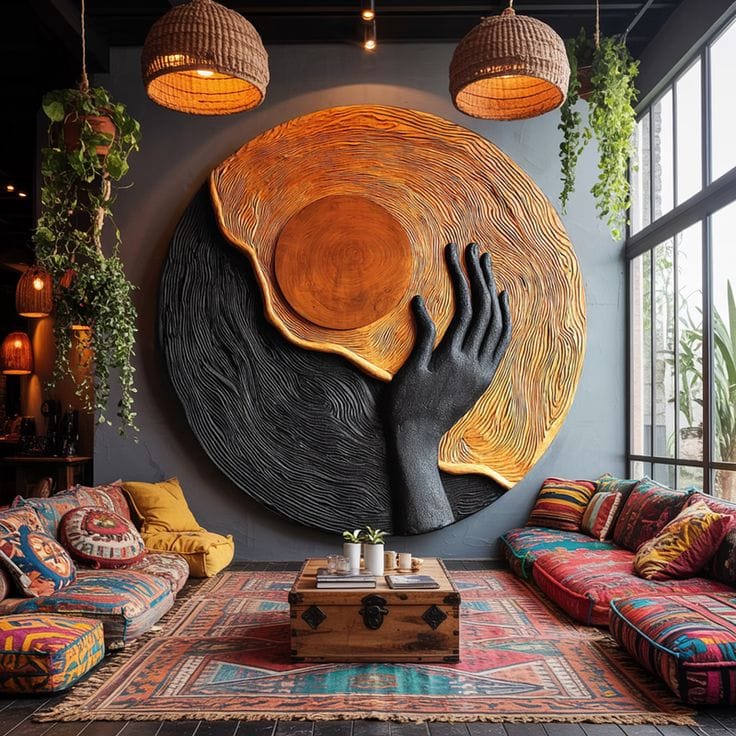
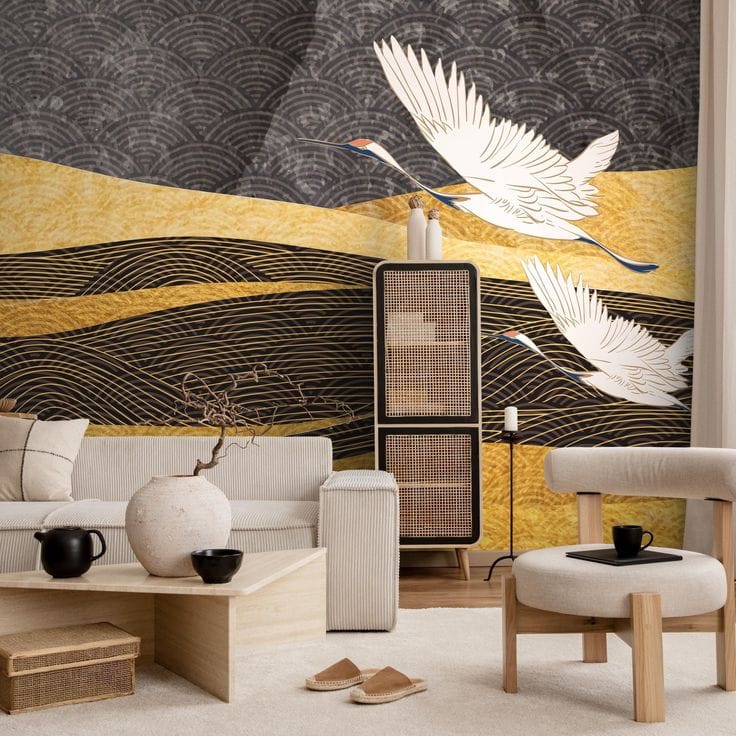
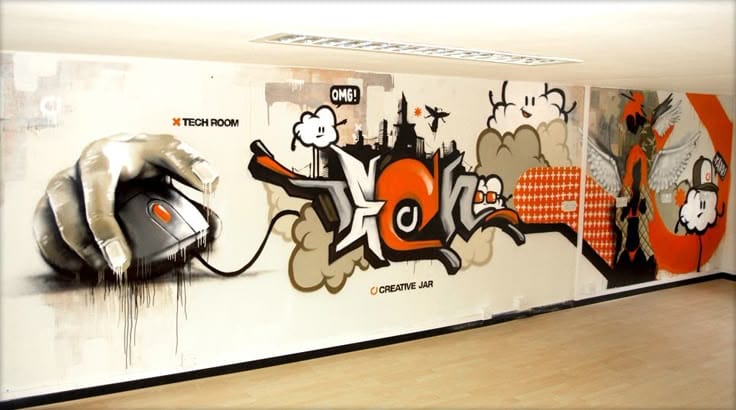
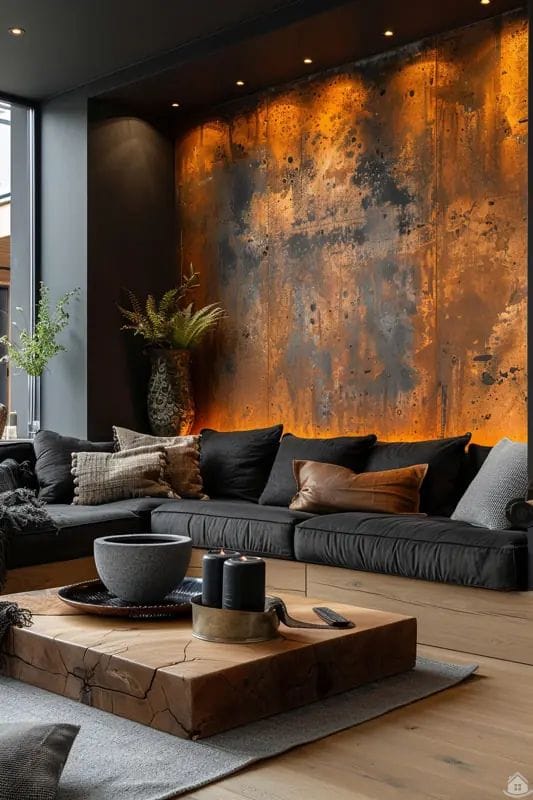
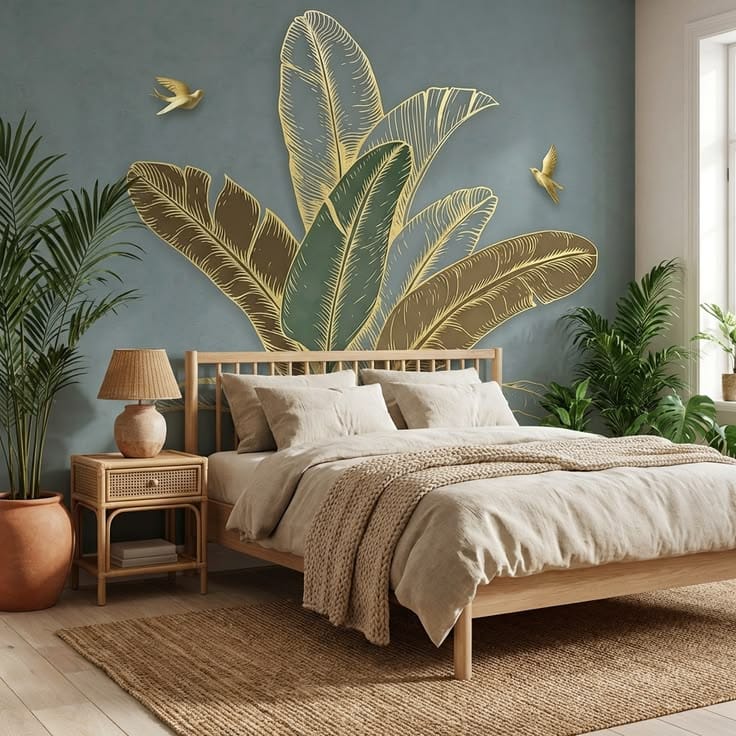
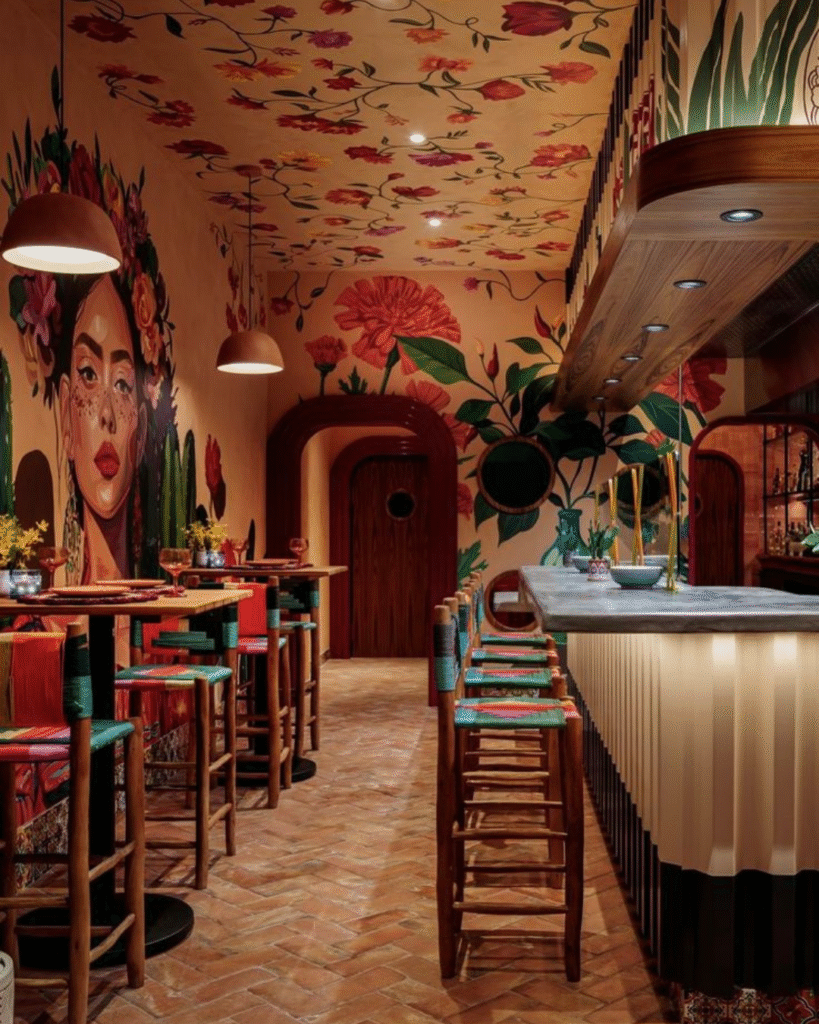
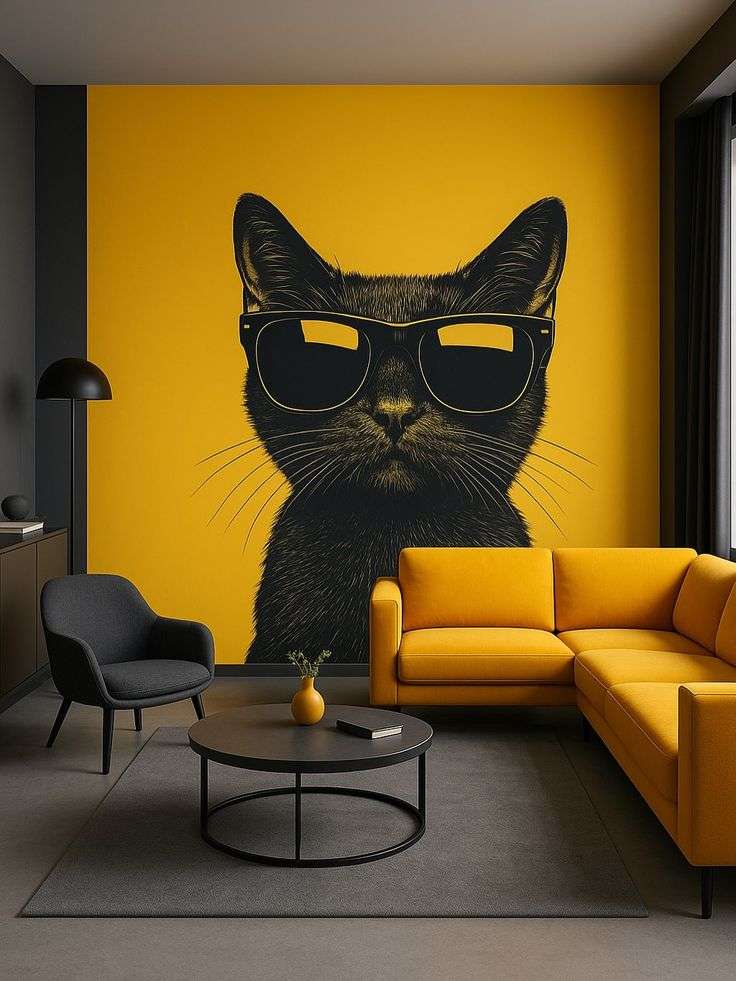
How Lighting changes everything. A wall that looks soft by day can appear bold by night. Shadows stretch, colors shift, and textures breathe differently under each glow. At Oikar Studio, we see light as the silent artist — shaping how every wall feels, not just how it looks.
Why Light Matters in Wall Design
Without light, no wall can speak. Every wall texture design, every stroke of paint, and every mural depends on how light meets the surface. Too little light, and details fade. Too much, and balance breaks. The right lighting reveals the story hidden within the texture.
When designing interiors, we think of light as part of the material. Because lighting doesn’t just illuminate — it transforms.
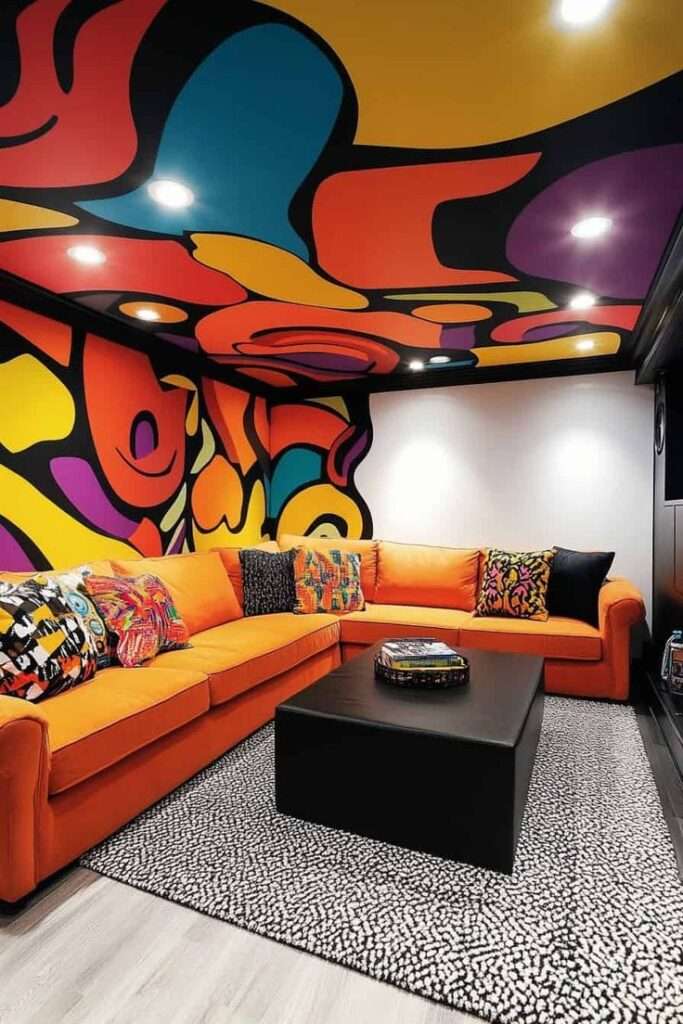
How Lighting Changes Color Perception
Colors aren’t constant. They shift with temperature, direction, and intensity of light. Warm lights make beige look golden. Cool lights make it grey. A single shade can feel soft at sunrise but sharp under artificial light.
That’s why professional wall art design always tests colors under multiple lighting conditions. Natural daylight, LED, and ambient light each tell a different visual story.
In homes, sunlight may fill a room by day, while soft lamps take over at night. The same mural, seen at two different hours, carries two different emotions.
Lighting and Wall Texture: The Perfect Duo
Light and texture live in harmony. Smooth walls reflect light evenly, creating calm and clarity. Textured walls break it apart, forming patterns of shadow and depth. Even a slight ripple in the surface can change how a room feels.
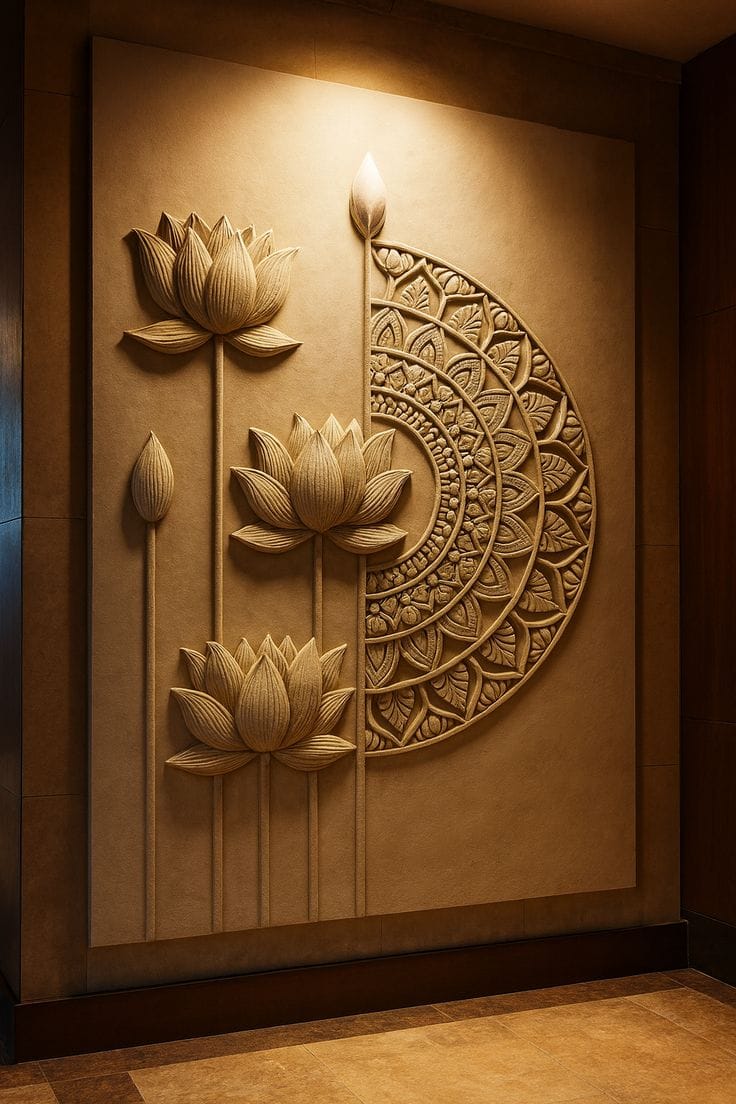
For example, a rough plaster finish glows gently under side lighting. It feels warm, alive, and tactile. Meanwhile, a satin wall under direct light shines clean and contemporary. Through lighting and wall texture, designers sculpt mood as much as form.
At Oikar Studio, we often adjust our finishes based on how the light falls in each room. Because no wall should fight the light — it should flow with it.
Types of Lighting and Their Impact
1. Natural Light
Sunlight is honest. It reveals the truest form of every color and every curve. Soft morning light flatters pastels, while golden evening light deepens warm tones. Large windows or skylights work beautifully with custom wall art, especially murals inspired by nature.
Yet, natural light also changes constantly. Designers balance it with texture, so the room feels stable even as the light shifts.
2. Ambient Lighting
General room lighting sets the base tone. Ceiling lights or recessed fixtures create uniform brightness. Matte finishes and subtle wall texture design absorb ambient light gracefully, preventing glare.
3. Task Lighting
Focused lighting — like reading lamps or spotlights — highlights specific areas. When pointed at wall mural painting, task lights bring artwork forward, enhancing its presence.
4. Accent Lighting
Accent lights tell stories. They highlight texture, shape, and detail. When used correctly, they turn a plain wall into a living sculpture. A beam of light grazing a rough wall reveals every grain. On smooth walls, it creates gentle gradients of shade.
By layering these light types, designers build depth. And through that layering, walls gain life.
The Science of Shadow and Highlight
Light creates shadow, and shadow creates dimension. A flat surface feels deep when light hits it at an angle. Even the tiniest bump becomes visible. In wall art design, this is essential.
Murals with raised paint strokes or textured finishes react beautifully under angled light. The art changes subtly as the viewer moves. It’s alive, not static. The contrast of light and shadow keeps the eye engaged.
Choosing the Right Finish for Your Lighting
Lighting should guide your finish selection, not follow it.
- Bright Spaces: Use matte or soft plaster textures to reduce glare.
- Dim Rooms: Choose satin or light-reflective finishes to amplify brightness.
- Accent Walls: Experiment with gloss, metallics, or layered textures for drama.
- Art-Focused Rooms: Go for neutral bases that let murals and lighting take center stage.
In every case, light tests are vital. At Oikar Studio, before applying any finish, we observe how the room behaves through the day. The light decides the rhythm, and we compose accordingly.
How Lighting Enhances Wall Murals
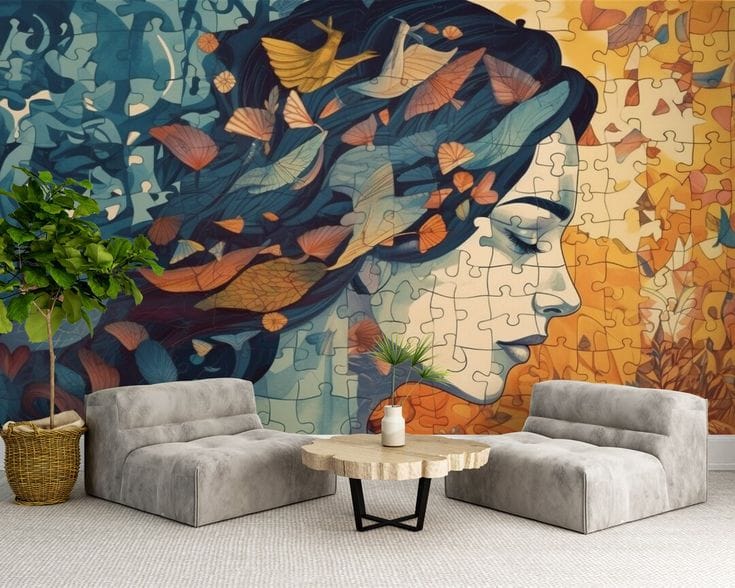
When light hits a mural, it changes its emotion. A floral mural might look delicate in soft daylight but vivid under a spotlight. Shadows emphasize strokes, while highlights reveal details.
Wall mural painting and lighting share a dance — one leads, and the other follows. A bright mural needs balanced light to avoid harshness. A dark mural thrives under directional glow.
Interior designers often place spotlights above custom wall art to draw attention without overpowering the rest of the space. The right lighting angle can make a painted petal shimmer or a wave seem to move.
Creating Harmony Between Color Temperature and Texture
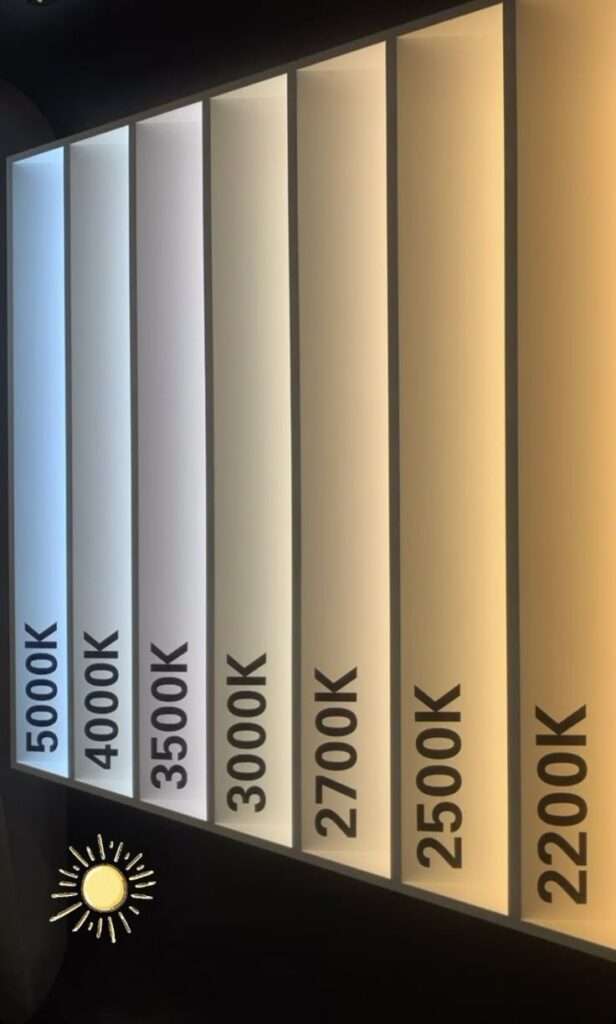
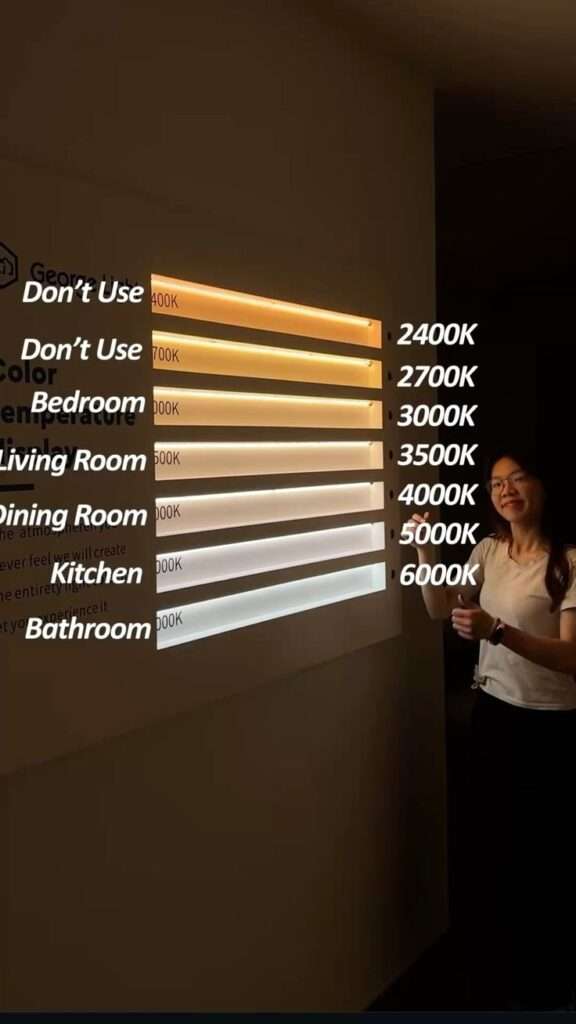
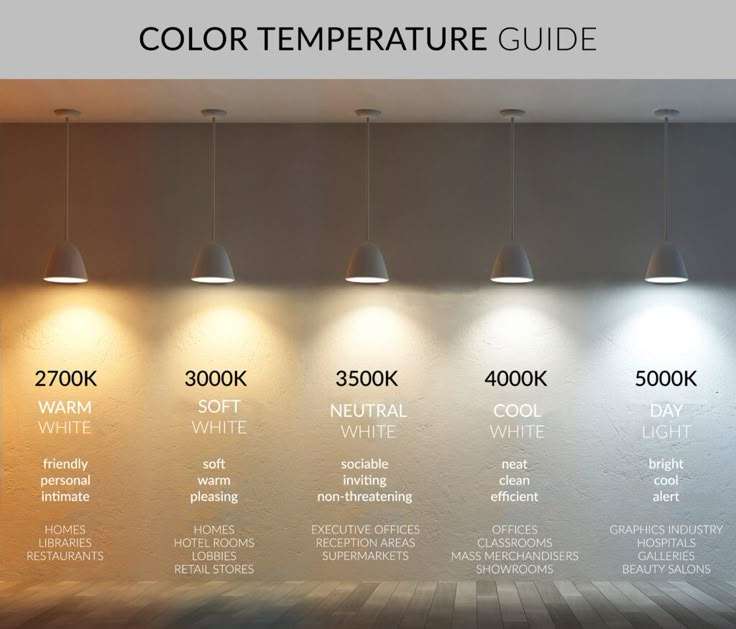
Light has temperature — warm, cool, or neutral. Warm light flatters earthy tones and enhances coziness. Cool light amplifies blues, greys, and modern textures. Neutral light balances both.
For example, interior color lighting in cafés often leans warm, creating comfort. Offices prefer cool tones for clarity. Homes, depending on style, may combine both — warm for living spaces, cool for kitchens or work zones.
Balancing texture with temperature ensures unity. A warm light over rough plaster feels rustic; cool light over smooth gloss feels modern.
Sustainability and Smart Lighting in Wall Design
Modern lighting isn’t just beautiful — it’s smart. Energy-efficient LEDs, dimmers, and motion sensors let homeowners control mood and energy use simultaneously.
In sustainable design, light placement reduces the need for excessive paint or artificial brightness. At Oikar Studio, we often integrate lighting plans with wall texture design, so the finish complements the eco-conscious layout.
Because light, when thoughtfully used, saves more than electricity — it preserves atmosphere.
Final Thoughts
Walls speak through light. Every beam, every reflection, every soft shadow adds meaning. Lighting and wall texture together define emotion, while color completes the conversation.
When light touches art, space transforms. At Oikar Studio, we see this transformation daily — when dull corners glow, when murals breathe, when textures whisper softly beneath shifting tones.
Design begins with color and ends with light. And between them lies the magic that turns ordinary walls into living art.
Latest Post
Eco-Conscious Luxury Sustainable Artisanal Decor: A New Standard in Premium Interiors
Eco-conscious luxury sustainable artisanal decor defines a new direction in high-end interior design. Homeowners now prefer decor that reflects responsibility along with refined taste. Therefore, sustainable […]
Japandi Mural Styles: Minimal Warmth Meets Handcrafted Art
Japandi mural styles in Kolkata are becoming a defining choice for homeowners who prefer minimal yet warm interiors. This design approach combines Japanese simplicity with Scandinavian […]
Office Branding Artists in Sector 5 Salt Lake: Building Strong Visual Workspaces
Businesses investing in Office Branding Sector V understand that interior visuals directly influence brand perception. In today’s competitive corporate environment, branding inside workspaces plays a strategic […]
Modern Wall Texture for New Town Penthouse: Luxury Finishes That Define Space
Modern wall texture for New Town penthouse interiors is becoming one of the most requested design trends in premium apartments. In areas like New Town, penthouse […]
Luxury Mural Artists in Alipore: Bespoke Wall Art for Refined Homes
Alipore features heritage bungalows, luxury apartments, and architect-designed homes. Therefore, design expectations in this neighborhood remain exceptionally high. Homeowners prefer curated interiors that reflect personality and […]
3D Relief Murals for Modern Living Room
A modern living room deserves more than flat paint and framed prints. Today, 3D relief murals for modern living room spaces define contemporary design statements. These […]
Sustainable and Eco Friendly Wall Paint Art: The Future of Conscious Interiors
Sustainable and eco friendly wall paint art is no longer a niche idea. Instead, it has become a design priority for homeowners, architects, and brands who […]
Dopamine Decor Wall Artists Kolkata: The Rise of Joy-Driven Wall Art
Dopamine decor wall artists are redefining how homes and commercial spaces feel. Instead of muted palettes and minimal walls, bold colors, playful forms, and expressive murals […]
Nature Inspired Texture Walls for Bedrooms: A Calm Design Statement
Bedrooms are personal spaces where comfort and visual balance matter most. Therefore, choosing the right wall finish matters more than ever. Nature inspired texture walls for […]