
How to choose mural paint for different wall surfaces is one of the most important decisions before starting any mural project. The right paint depends on the wall material, whether the mural is indoors or outdoors, and the expected durability. Therefore, understanding how to choose mural paint for different wall surfaces helps homeowners, designers, and artists achieve a longer-lasting and more attractive finish. Professional artists evaluate the surface first and then recommend paints that provide good adhesion, colour consistency, and durability. You can also explore our Custom Mural Painting Services for projects designed specifically for different wall surfaces. For more information you can visit to our website page.
Professional mural artists evaluate the surface first and then recommend paints that provide good adhesion, colour consistency, and durability.
Why the Wall Surface Should Be Your First Consideration
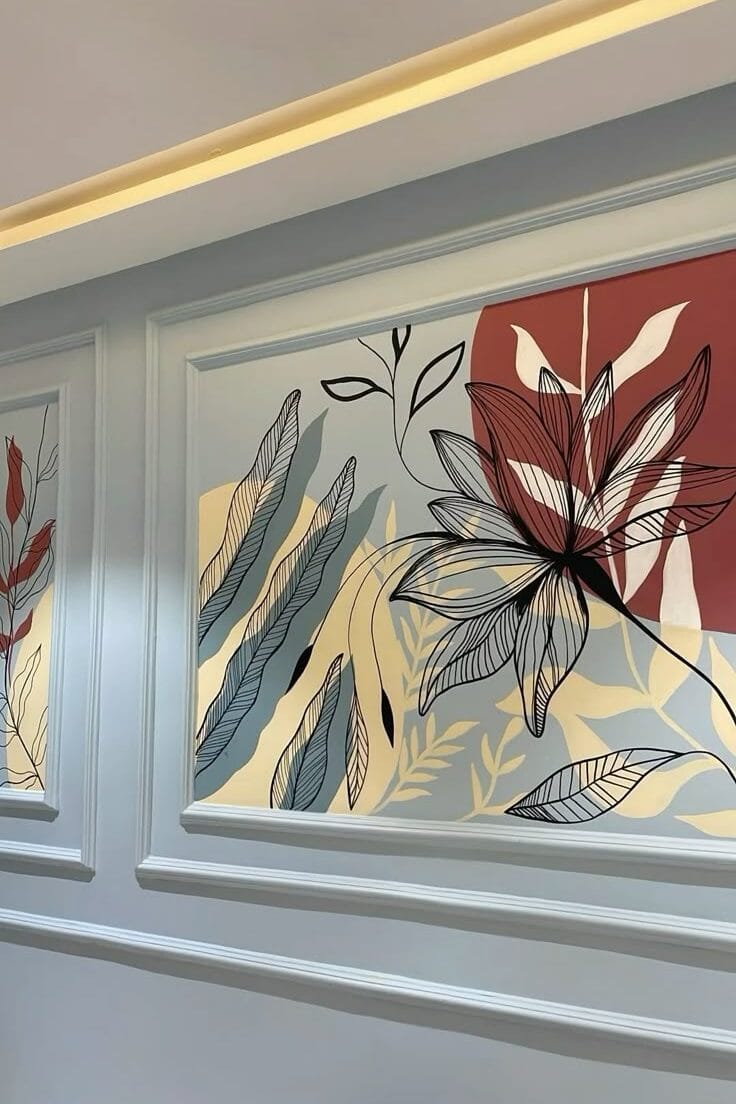
Smooth Interior Walls
Acrylic mural paints are widely chosen because they provide strong colour and smooth application. If you’re planning a home feature wall, our Residential Wall Murals showcase different finishes suitable for interior spaces for choose mural paint.
Exterior Masonry Walls
Exterior walls require weather-resistant materials. Before starting an exterior project, you may also like our guide on Outdoor Mural Painting techniques.
Surface Preparation
Proper preparation creates a stronger foundation for the artwork. You can also read our Mural Maintenance Guide to learn how preparation affects long-term durability.
Every wall absorbs paint differently. Fresh plaster offers a smooth finish, whereas exposed brick creates a textured appearance. Similarly, cement walls require products that bond well with porous surfaces for choose mural paint.
Because each material reacts differently, selecting paint based on the wall is more effective than choosing paint based on colour alone.
Paint Options for Smooth Interior Walls
Knowing how to choose mural paint for smooth plastered walls makes a significant difference in the final result, since these surfaces usually allow fine detailing and clean brushwork. Acrylic mural paints are widely chosen because they provide strong colour, dry relatively quickly, and support multiple layers without affecting the artwork.
Premium interior emulsions are another suitable option when figuring out how to choose mural paint for decorative murals. They provide an even finish and are easy to maintain in residential and commercial spaces.
Choosing Paint for Exterior Masonry Walls
Learning how to choose mural paint becomes even more important for exterior walls, since they experience constant exposure to sunlight, rain, dust, and seasonal temperature changes. As a result, weather-resistant masonry paints are generally preferred for outdoor surfaces.
Many artists also apply a UV-resistant clear protective coat after the mural has fully cured. This additional layer helps preserve colour while reducing moisture penetration — an essential step once you’ve mastered how to choose mural paint suited to the wall’s environment.
Ultimately, how to choose mural paint correctly depends on the surface type, exposure level, and desired finish — a decision that directly impacts how long the mural stays vibrant and intact.
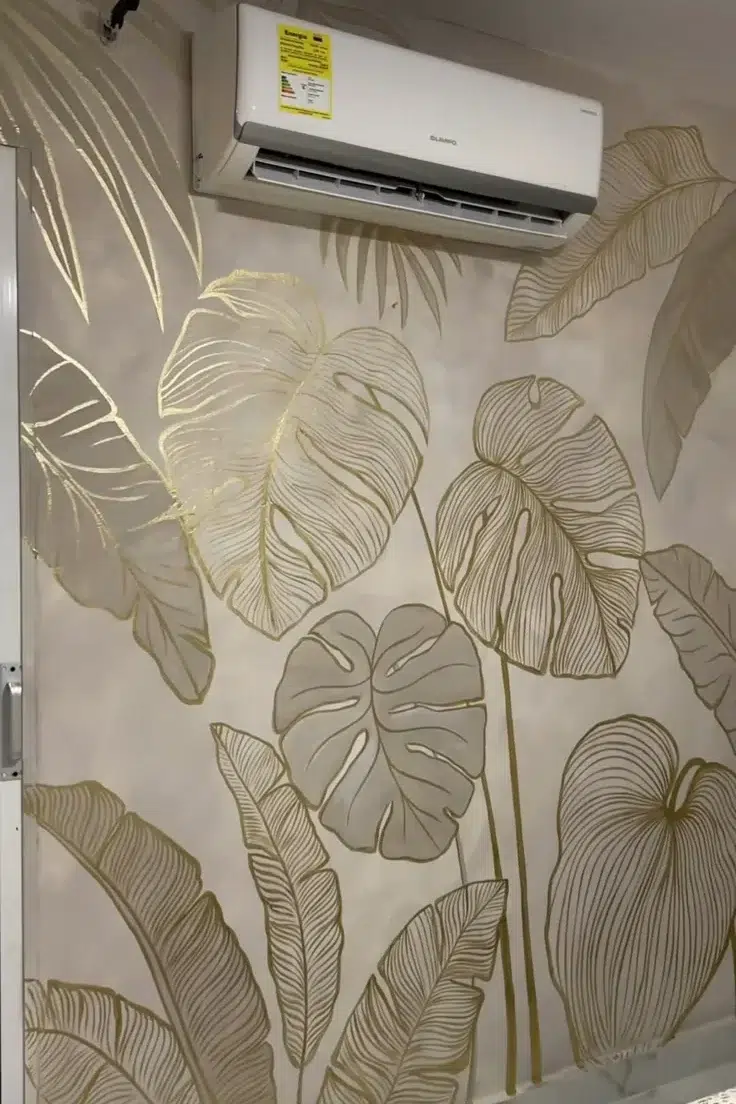
Surface Preparation Matters More Than Paint
Even premium paints cannot perform well on an unprepared wall. Dust, loose plaster, dampness, or grease reduce paint adhesion and may shorten the mural’s lifespan.
For better results, the surface should be cleaned thoroughly, repaired where necessary, and primed before painting begins. Proper preparation creates a stronger foundation for the artwork.
Environmental Conditions Affect Mural Paint Performance
The surrounding environment should also influence paint selection. Indoor spaces require paints with low odour and smooth finishes, while outdoor projects benefit from coatings designed for UV resistance and water repellency.
Humidity, direct sunlight, and rainfall can all affect drying time and long-term durability. Therefore, matching the paint to the local climate improves overall performance.
Simple Tips Before Selecting Mural Paint
Before purchasing paint, consider these practical points:
- Identify the wall material.
- Decide whether the mural is indoors or outdoors.
- Check if the surface receives direct sunlight.
- Use products compatible with primers and protective coatings.
- Test colours on a small area before full application.
Following these steps helps reduce maintenance while improving the finished appearance.
Conclusion
Choosing mural paint involves much more than selecting a favourite colour. Wall material, environmental conditions, surface preparation, and protective finishes all contribute to the mural’s longevity. When paint is matched to the surface instead of relying only on product popularity, the artwork remains attractive for a much longer period.
FAQ
What paint works best on brick walls?
Weather-resistant masonry or exterior acrylic paints generally provide the best adhesion and durability on brick surfaces.
Is primer necessary before painting a mural paint?
Yes. Primer improves paint adhesion, creates a more even surface, and increases the lifespan of the mural.
Can acrylic paint be used on concrete walls for mural paint?
Yes. High-quality exterior acrylic paint performs well on properly prepared concrete surfaces.
Should outdoor mural paint be sealed?
Applying a UV-resistant protective coating helps protect outdoor murals from sunlight, moisture, and dirt.
Does wall texture affect mural paint selection?
Yes. Smooth walls support finer details, while textured walls often require paints with stronger coverage and adhesion.
External Links
| Topic | URL |
|---|---|
| Golden Artist Colors – Acrylic Paint Information | https://goldenartistcolors.com |
| Liquitex Professional Acrylics | https://www.liquitex.com |
| Winsor & Newton Acrylic Paint Guide | https://www.winsornewton.com |
| Portland Cement Association | https://www.cement.org |
| Sherwin-Williams Surface Preparation Guide | https://www.sherwin-williams.com |
| National Park Service – Preservation Briefs | https://www.nps.gov/subjects/historicpreservation/preservation-briefs.htm |
Latest Posts
High-End Wall Decor: Artistic Ideas for Refined Modern Interiors
High-end wall decor is becoming an essential part of premium interior design. Today, walls are no longer treated as simple […]
Expensive Wall Art: What Makes Luxury Wall Décor Worth the Price
Luxury interiors are no longer defined by furniture alone. Today, expensive wall art plays an important role in creating distinctive […]
Luxury Wall Decor: Artistic Wall Designs for Refined Interiors
Luxury wall decor is no longer limited to expensive paintings or designer wallpapers. Instead, homeowners are choosing artistic surfaces that […]
Luxurious Wall Art: Sophisticated Ideas for Modern Interiors
Luxurious wall art is becoming an essential part of thoughtfully designed interiors. Today, homeowners want more than beautiful furniture and […]
Luxury Wall Murals: Bespoke Art for Sophisticated Interiors
Luxury wall murals are becoming a preferred choice for homeowners who want interiors with individuality, artistic depth, and lasting visual […]
Luxury Wall Design: Refined Textures, Artistic Murals and Modern Elegance
Luxury wall design is becoming an essential part of contemporary interiors. Rather than relying only on expensive furniture, homeowners are […]

Honestly, I was skeptical at first, but the games are fair and the bonuses are actually usable. It has become my go-to place for a quick game during my break. Check out bdd444 if you want a bit of excitement.