
A memorable interior is rarely remembered because of its furniture alone. Instead, people often remember how a space made them feel. That is where experiential wall design becomes important. Rather than treating walls as empty backgrounds, designers can use art, texture, colour, depth and storytelling to create an atmosphere that stays with visitors.
Today, interior design is moving toward more personal and immersive spaces. In fact, current design discussions show growing interest in tactile surfaces, sculptural details, custom artwork and expressive wall treatments. Therefore, a thoughtfully designed wall can become an important part of the overall experience.
Why Walls Matter More Than Ever
Traditionally, walls provided a simple backdrop for furniture and decoration. However, modern interiors increasingly give them a stronger visual role. A well-planned wall can guide attention, establish mood and even communicate a brand’s personality.
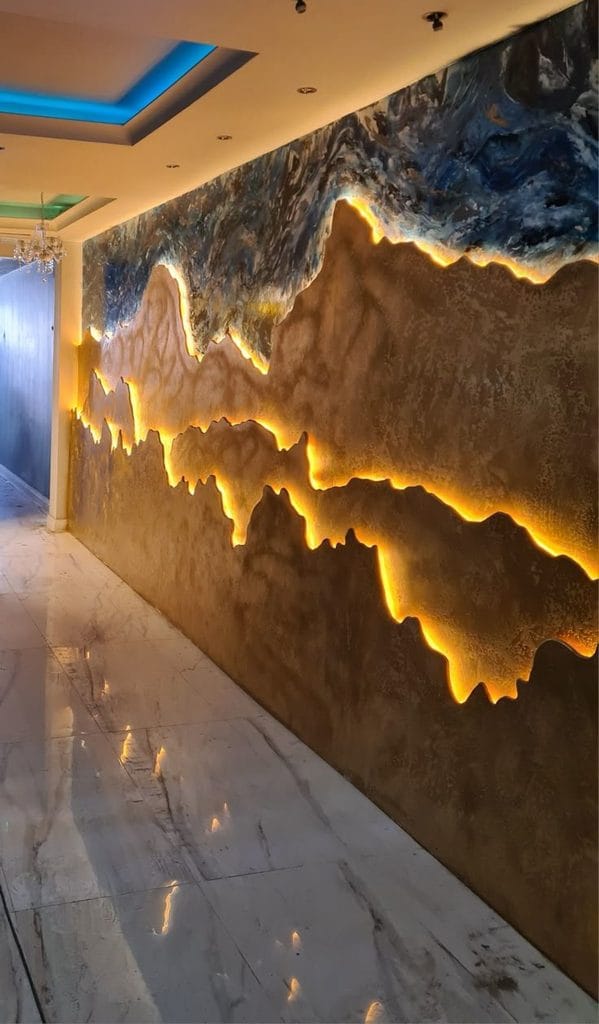
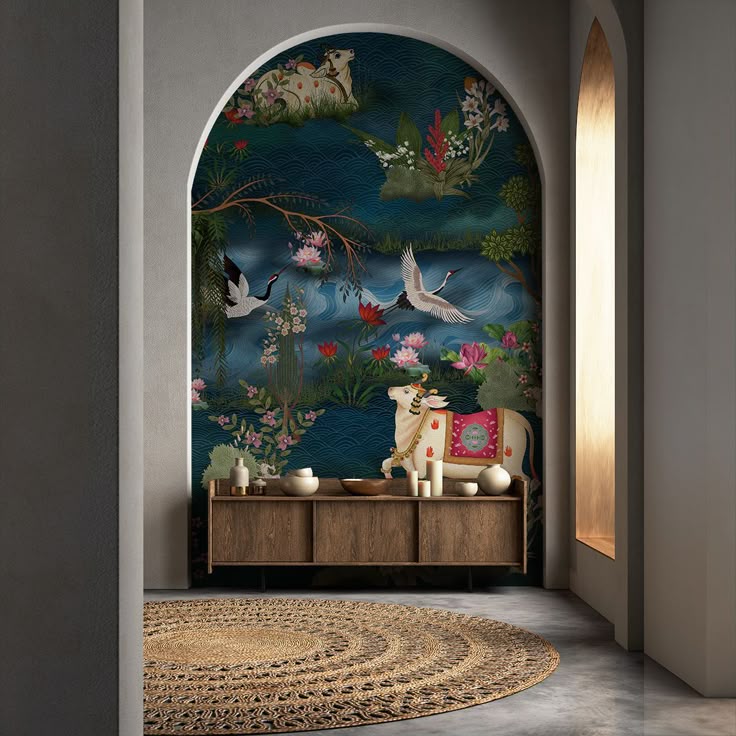
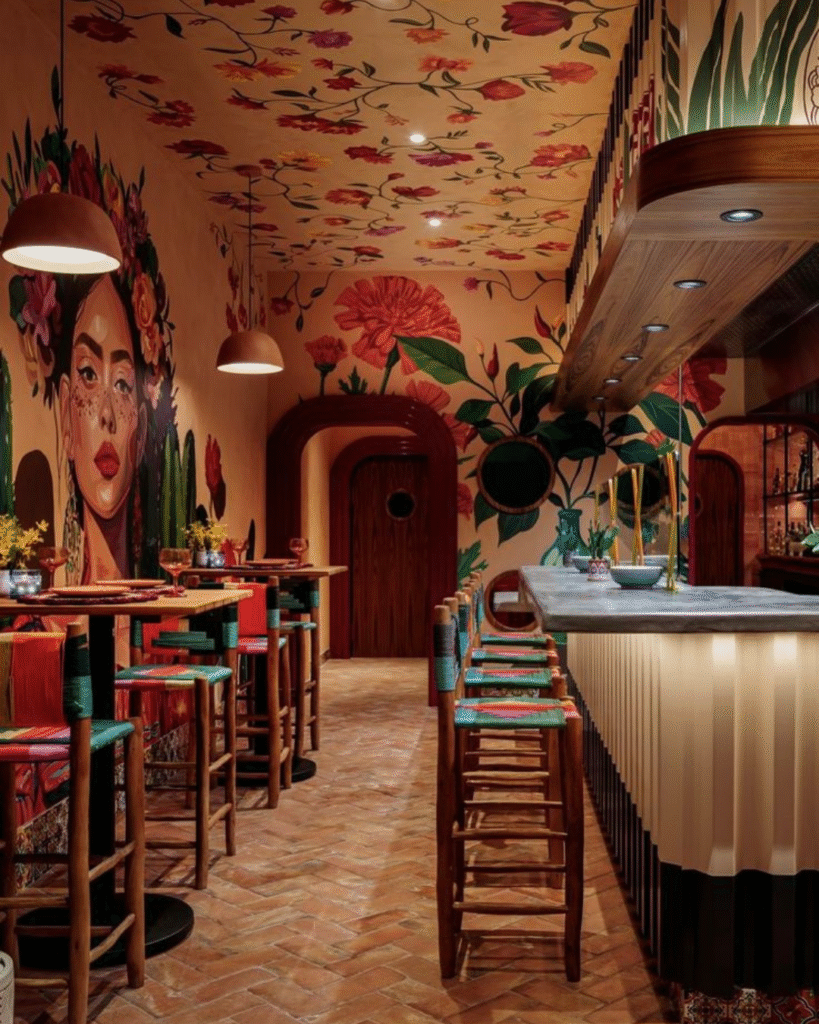
For example, a restaurant may use a hand-painted mural to create a distinctive dining atmosphere. Similarly, a boutique hotel can use sculptural textures to make its corridors feel more artistic. Meanwhile, a residential interior can use a personalised mural to connect the room with the homeowner’s interests.
As a result, the wall becomes more than a surface. It becomes part of the story.
Designing Through Texture and Depth
Texture is one of the most effective ways to make a wall feel engaging. Flat colour provides visual character; however, dimensional surfaces can introduce shadow, touch and movement.
For instance, relief murals, lime-based finishes, stucco, sculptural plaster and layered textures can create different visual effects throughout the day. Natural or artificial lighting then interacts with these surfaces, producing changing shadows and highlights.
Moreover, current interior trends show strong interest in tactile and layered wall treatments rather than completely flat finishes. Therefore, material selection should be considered alongside lighting, furniture and room proportions.
Storytelling Gives a Space Identity
A memorable wall does not always need to be dramatic. Instead, it should have a reason to exist.
A mural can represent a city’s heritage, a brand’s philosophy, a family’s story or an abstract idea. Likewise, patterns can reference local culture, nature or architecture. Because of this, personalised artwork often feels more meaningful than generic decoration.
For commercial interiors, storytelling can also support brand recognition. A carefully planned visual language can appear across reception areas, lounges, cafés, retail spaces and hospitality environments. Consequently, visitors may associate specific colours, motifs or artistic details with the place itself.
Where Experiential Walls Work Best
Experiential wall design can work across both residential and commercial environments. However, the treatment should match the purpose of each space.
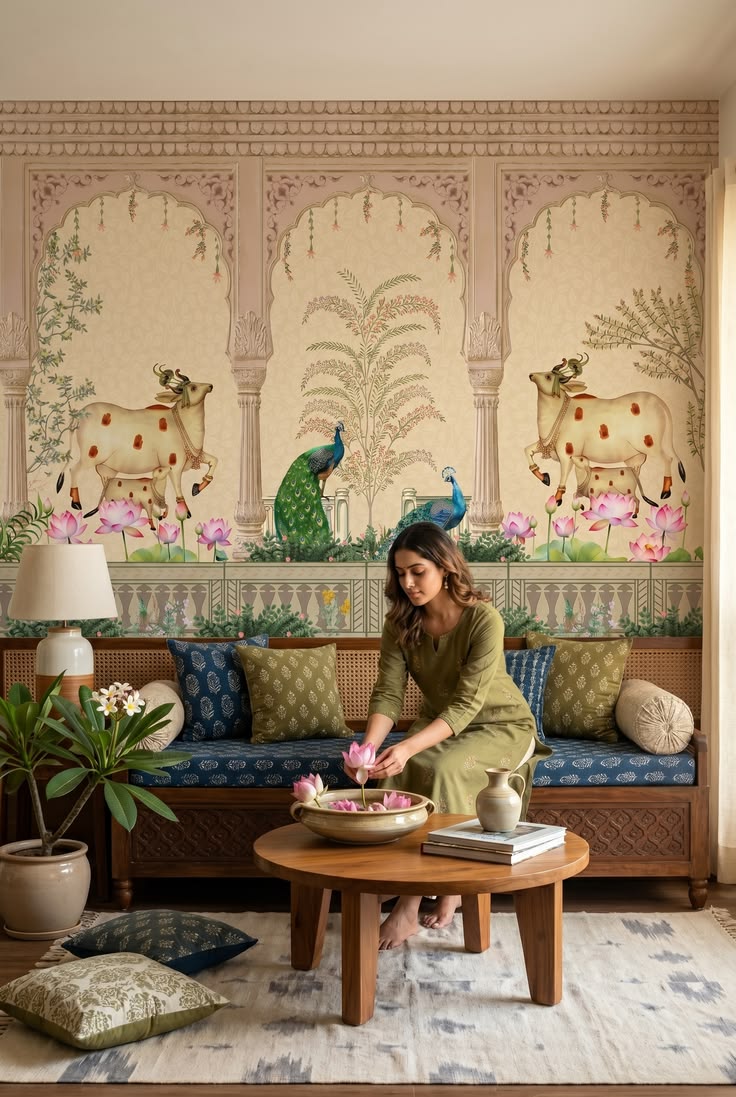
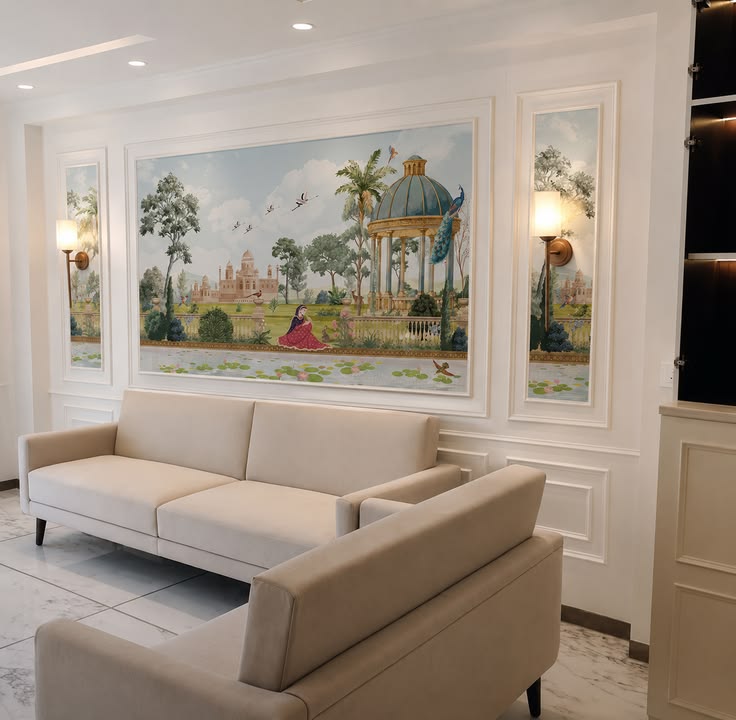
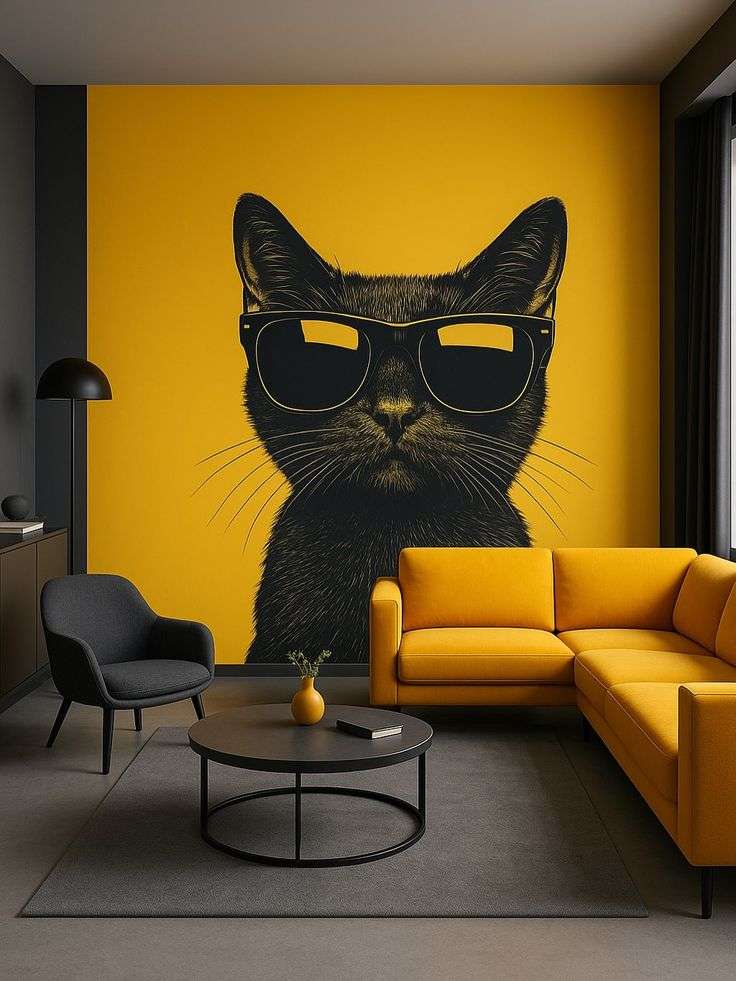
Living rooms: Large murals or textured feature walls can become visual focal points.
Restaurants and cafés: Artistic walls can create atmosphere and provide memorable backgrounds for guests.
Hotels: Corridors, reception areas and lounges can benefit from layered artwork and distinctive textures.
Offices: Branded murals can communicate creativity while adding personality to otherwise functional spaces.
Retail stores: Sculptural surfaces and custom graphics can strengthen the customer journey.
Furthermore, curved forms, rich textures and custom architectural details are increasingly being explored in spaces designed to feel warmer and more memorable.
Planning a Memorable Wall
Good experiential design starts before the first brushstroke or texture layer. First, consider the purpose of the space. Next, study the available wall area, lighting and viewing distance. Then, select materials and artwork that support the desired atmosphere.
It is also important to maintain balance. A highly detailed wall may need simpler furniture around it. Similarly, a subtle textured surface may benefit from focused lighting.
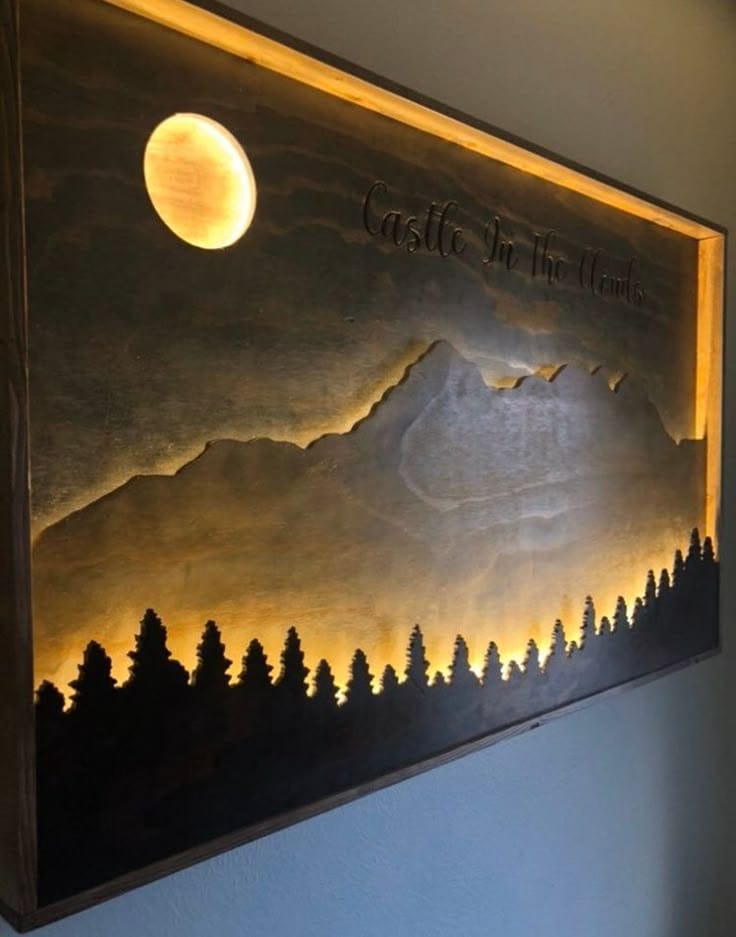
Above all, the strongest designs feel connected to their surroundings. They do not simply compete for attention; instead, they help the entire interior tell one coherent story.
The Future of Immersive Wall Art
Interior spaces are becoming increasingly personal, tactile and experience-focused. Therefore, walls have an opportunity to play a much larger role in how people perceive a room.
From handcrafted murals to sculptural relief and layered finishes, experiential wall design offers many ways to create character without relying on ordinary decoration. More importantly, it encourages designers to think about what people will remember after they leave.
A beautiful wall may attract attention for a moment. However, a wall with meaning, texture and personality can become part of the memory of the place. For more details visit to our page.
Frequently Asked Questions
What is experiential wall design?
Experiential wall design uses art, colour, texture, materials, lighting and storytelling to create a stronger emotional and visual experience within a space.
Is experiential wall design suitable for homes?
Yes. It can be used in living rooms, bedrooms, dining areas, entrances and other spaces where homeowners want a distinctive visual identity.
Can it be used in commercial interiors?
Absolutely. Restaurants, hotels, offices, cafés and retail spaces can use custom wall treatments to create recognisable and memorable environments.
Which materials can be used?
Depending on the concept, designers can use painted murals, plaster, stucco, lime finishes, relief work, sculptural surfaces, textured coatings and mixed materials.
Does an experiential wall need to be colourful?
No. A memorable wall can use neutral colours, subtle textures, shadows, sculptural depth or monochromatic artwork. The concept matters more than colour intensity.
Useful external resources
For readers who want to explore the subject further, these are highly relevant references:
- Commercial Interior Design: Wallcoverings and Immersive Spaces — useful for commercial applications of art and wallcoverings.
- Residential Interiors: Art and Wallcoverings Creating Immersive Homes — useful for residential applications.
- Curves, Texture & Customization in Interior Design — relevant to sculptural and tactile wall concepts.
- The Rise of Experiential Design — useful for understanding experiential design in hospitality and retail.
Latest Posts
High-End Wall Decor: Artistic Ideas for Refined Modern Interiors
High-end wall decor is becoming an essential part of premium interior design. Today, walls are no longer treated as simple […]
Expensive Wall Art: What Makes Luxury Wall Décor Worth the Price
Luxury interiors are no longer defined by furniture alone. Today, expensive wall art plays an important role in creating distinctive […]
Luxury Wall Decor: Artistic Wall Designs for Refined Interiors
Luxury wall decor is no longer limited to expensive paintings or designer wallpapers. Instead, homeowners are choosing artistic surfaces that […]
Luxurious Wall Art: Sophisticated Ideas for Modern Interiors
Luxurious wall art is becoming an essential part of thoughtfully designed interiors. Today, homeowners want more than beautiful furniture and […]
Luxury Wall Murals: Bespoke Art for Sophisticated Interiors
Luxury wall murals are becoming a preferred choice for homeowners who want interiors with individuality, artistic depth, and lasting visual […]
Luxury Wall Design: Refined Textures, Artistic Murals and Modern Elegance
Luxury wall design is becoming an essential part of contemporary interiors. Rather than relying only on expensive furniture, homeowners are […]

I’ve tried a few platforms lately but this one really stands out. The interface is smooth and the payouts are surprisingly fast. Definitely worth checking out phjljl789
I love the VIP treatment and the exclusive rewards for loyal players. It really makes me feel valued as a user. Join rpvip5y for the best perks.
Solid platform with a lot of excitement. I appreciate the frequent updates and new game additions. Check vnnohu777