
A wall artist does more than apply paint to a large surface. Instead, the artist studies the space, understands its character, and develops artwork that works naturally with the surrounding architecture. Today, wall art is becoming increasingly popular in homes, cafés, offices, restaurants, studios, and commercial spaces.
Moreover, custom wall painting allows people to introduce an artistic direction that ordinary décor often cannot provide. A carefully planned mural can communicate a story, highlight a cultural reference, or simply create a strong visual experience. For more details visit to our page.
What Does a Wall Artist Actually Do?
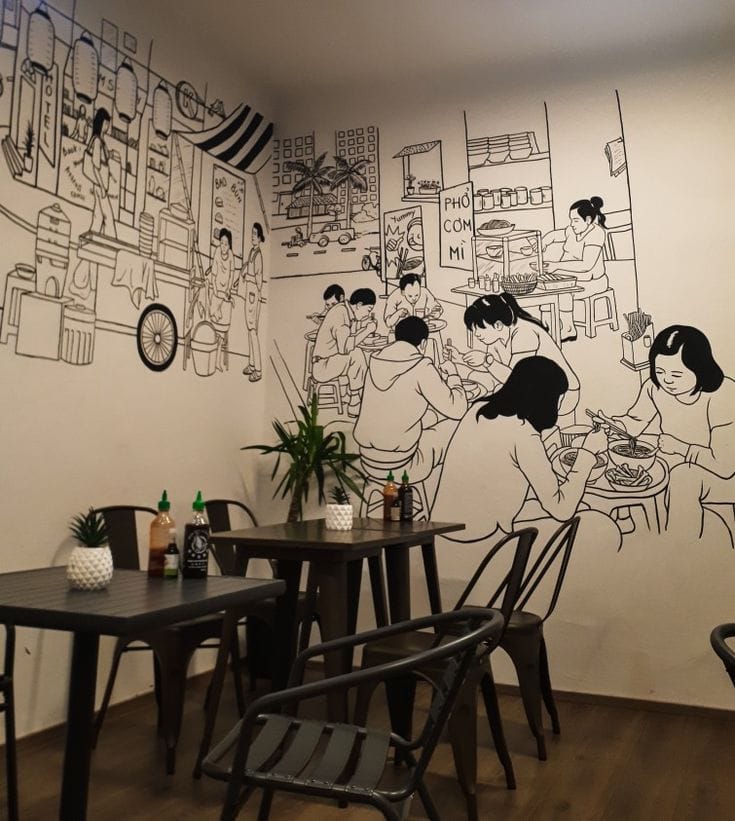
A professional wall artist combines drawing, painting, composition, colour knowledge, and spatial understanding. Therefore, the process usually begins with an idea, reference, sketch, or discussion about the location.
Next, the artist considers the wall size, lighting, furniture, viewing distance, surface condition, and overall interior style. As a result, the artwork can be designed specifically for its surroundings instead of looking like a picture simply enlarged onto a wall.
Historically, mural painting has also played an important role in public art. The Smithsonian Institution documents how muralists have used walls to communicate community stories, cultural identity, and social ideas. For more details visit to our page.
Why Custom Wall Art Is Becoming Popular
People increasingly want spaces that feel personal rather than repetitive. Consequently, custom wall painting has become an interesting option for homeowners, designers, architects, cafés, and businesses.
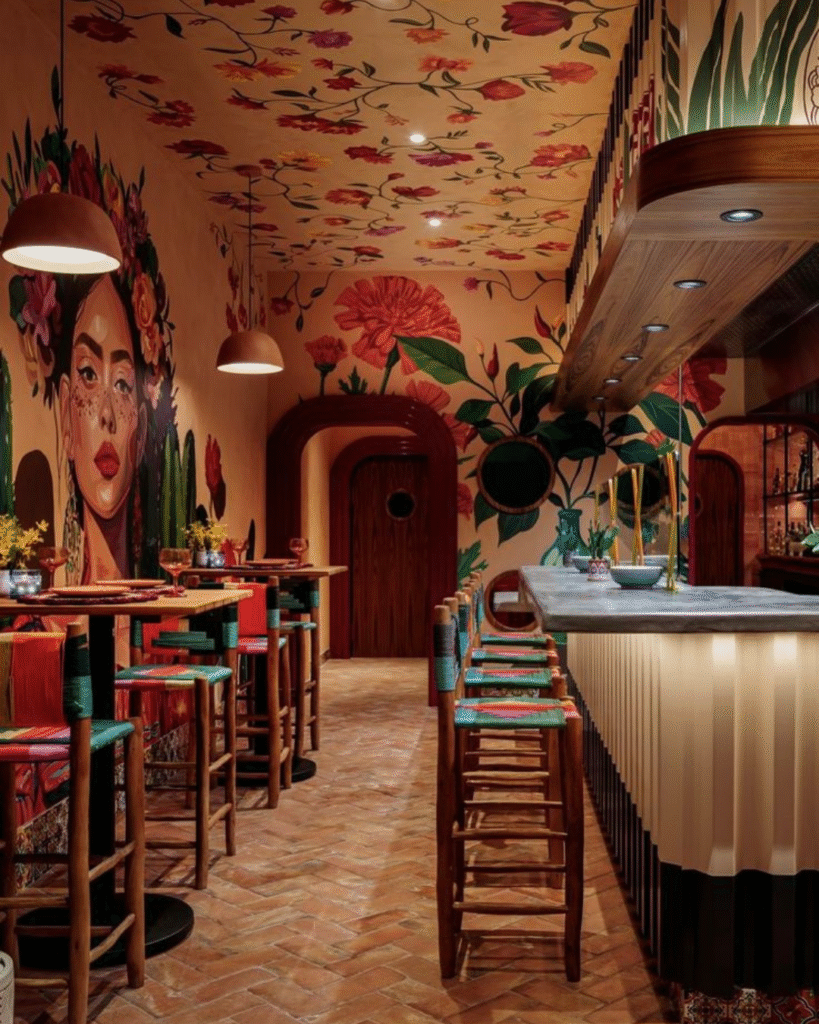
For example, a bedroom may feature a calm botanical composition, while a restaurant could use a hand-painted cultural scene. Similarly, an office may use abstract geometry, typography, or brand-inspired artwork.
Furthermore, murals can work across different visual styles, including:
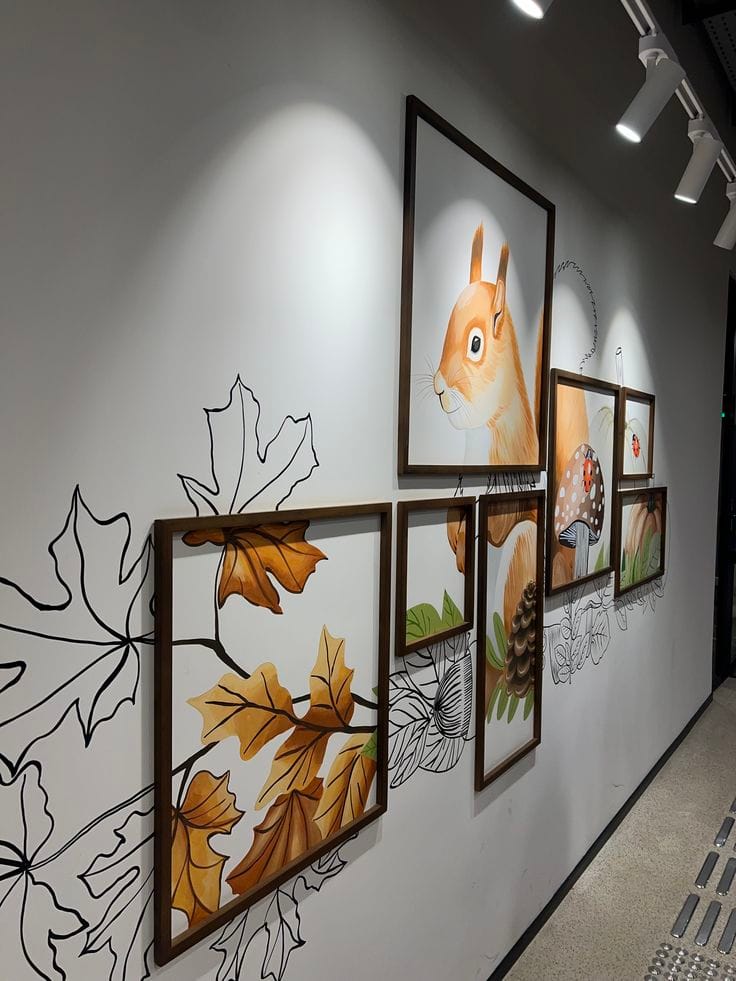
- Hand-painted botanical and nature murals
- Abstract wall compositions
- Architectural wall art
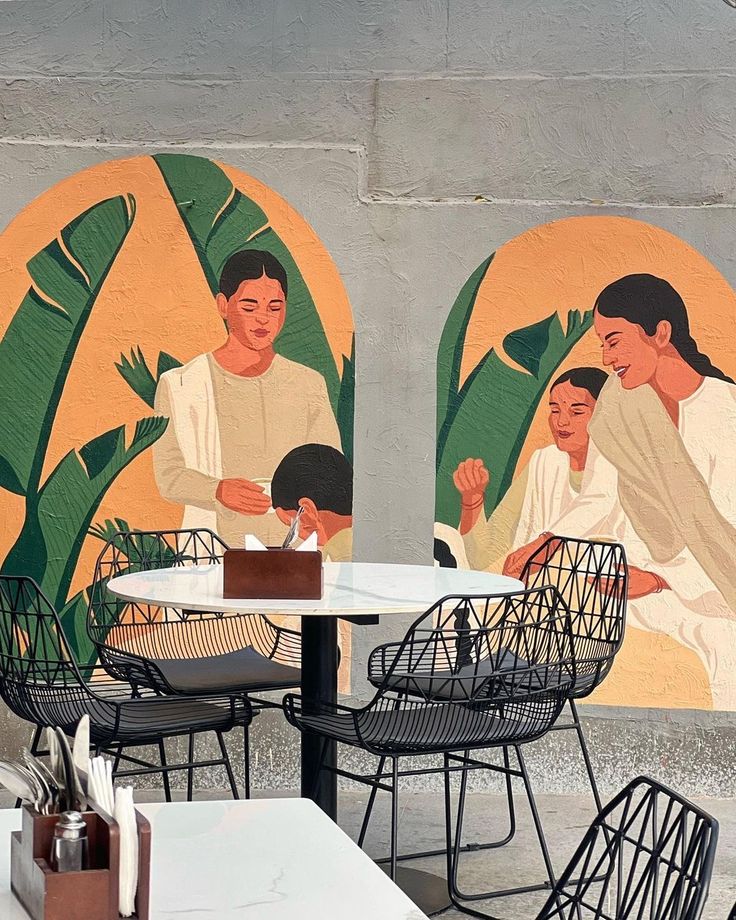
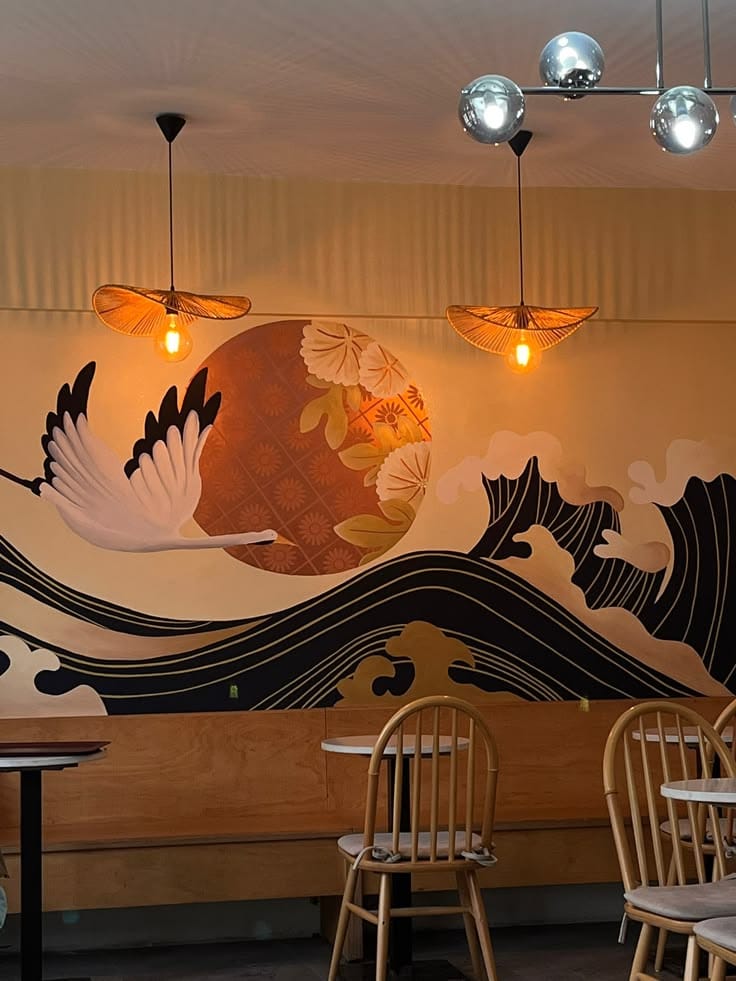
- Cultural and traditional artwork
- Children’s room murals
- Café and restaurant murals
- Office and workspace artwork
- Graffiti-inspired wall painting
- Relief and textured wall artwork
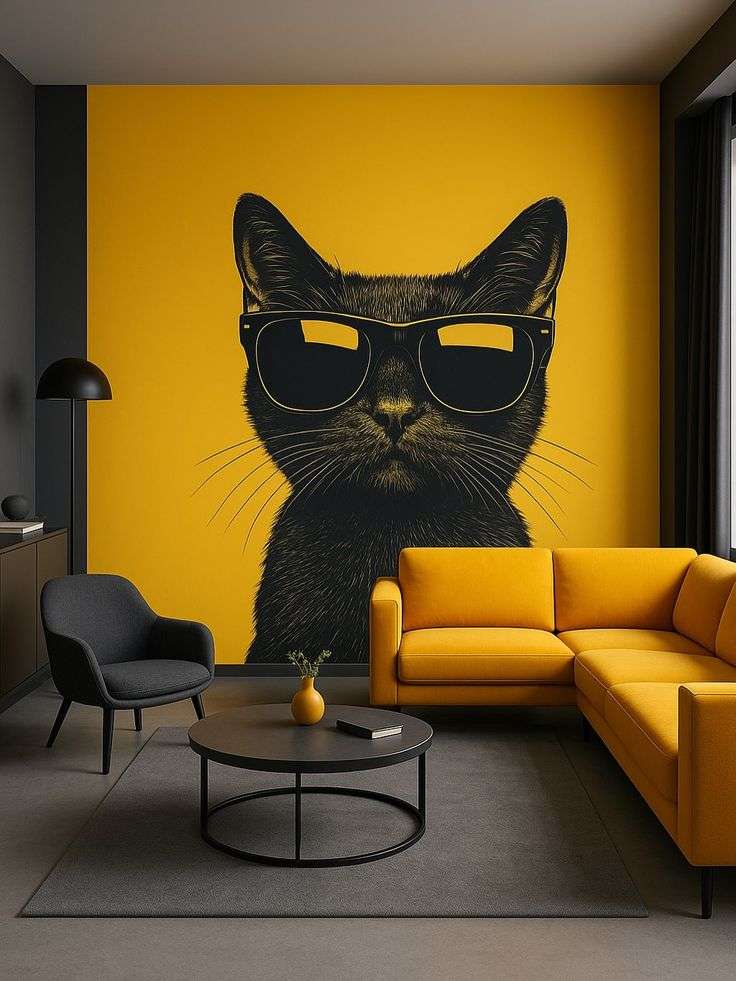
- Decorative feature-wall paintings
Because every project has different requirements, the artwork should be developed according to the space rather than following one fixed template.
From Sketch to Finished Artwork
Creating large-scale wall art requires planning. First, the concept is discussed and suitable references are collected. Then, the composition and colour direction are developed before the final painting begins.
Afterward, the wall surface is checked and prepared where necessary. Depending on the project, the artwork may involve multiple layers, fine detailing, shading, texture, or specialised painting techniques.
Most importantly, scale must be considered carefully. A design that looks excellent on paper may require changes when it covers several feet of wall. Historical accounts from the Smithsonian’s Archives of American Art also highlight that mural painting requires different thinking from ordinary easel painting.
Where Can You Use Large-Scale Art?
Wall artwork is suitable for both residential and commercial environments. For instance, homeowners may commission artwork for living rooms, bedrooms, staircases, balconies, or private studios.
Meanwhile, businesses can use murals in reception areas, cafés, restaurants, coworking spaces, boutiques, hotels, and retail environments. In addition, architects and interior designers can commission site-specific artwork when a project needs a distinctive artistic element.
Public murals can also carry cultural and community meaning. The Smithsonian notes that murals can help communicate traditions, legends, identity, and local history because they remain accessible within shared spaces.
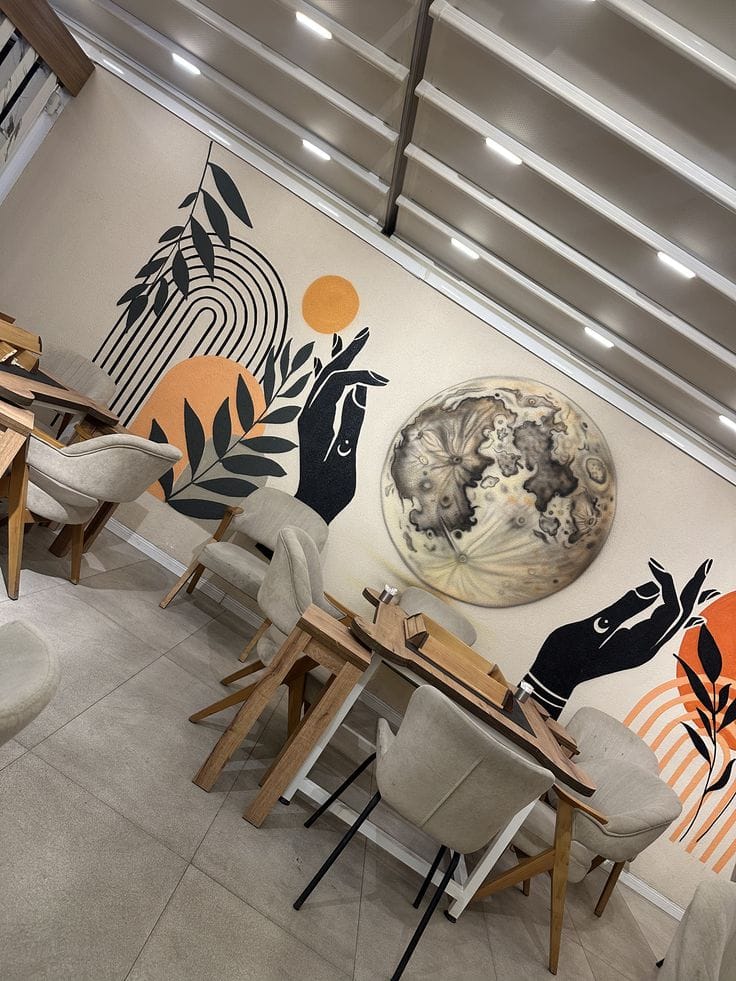
What Makes Good Wall Art Stand Out?
Good wall art is not simply about adding more colour. Instead, proportion, composition, technique, surface preparation, and visual balance all matter.
Therefore, a strong artist should understand how artwork interacts with architecture. The viewing angle, natural light, furniture placement, wall dimensions, and surrounding colours can all influence the final result.
Most importantly, the artwork should have a clear visual purpose. Whether it is subtle, dramatic, traditional, contemporary, or highly detailed, the design should belong naturally to its location.
FAQ About Wall Artists
What is a wall artist?
A wall artist specialises in creating artwork directly on architectural surfaces. Their work may include murals, decorative paintings, abstract compositions, cultural scenes, and other customised designs.
How much does a wall painting cost?
The cost depends on wall size, artwork complexity, surface condition, materials, detailing, and the technique required. A simple design generally requires less work than a highly detailed custom mural.
Can wall art be created for businesses?
Yes. Custom artwork can be created for cafés, restaurants, offices, hotels, boutiques, studios, and other commercial spaces.
How long does a mural take?
The timeline depends on the size and complexity of the artwork. Surface preparation, multiple paint layers, fine detailing, and drying time can also affect the schedule.
Can I provide my own design idea?
Yes. Clients can provide references, sketches, photographs, themes, colours, or concepts. An artist can then develop the idea according to the available wall and project requirements.
Is mural painting the same as ordinary wall painting?
No. Ordinary wall painting mainly focuses on coating a surface, whereas mural painting combines artistic composition with the dimensions and architectural characteristics of the wall.
Explore More About Mural Art
For readers interested in the history and development of mural painting, these related resources are worth exploring:
- Smithsonian Institution — “Writing on the Wall”: explores the role of contemporary muralists and public art.
- Smithsonian American Art Museum — “Judith F. Baca”: an artist profile exploring community-based mural practice.
- Smithsonian Archives of American Art — “National Society of Mural Painters Records”: useful historical material about mural art and its relationship with architecture.
- Smithsonian — “Modernism for the Masses”: explores public murals, modernism, and American art history.
Final Thought
A wall can be more than a background. With thoughtful planning and skilled craftsmanship, it can become an important part of the visual identity of a space. Therefore, choosing the right wall artist means looking beyond painting ability and considering creativity, scale, technique, surface knowledge, and attention to detail.
As custom interiors continue to gain interest, site-specific wall art offers a practical way to bring original artwork into everyday environments.
Latest Posts
Luxury Wall Murals: Bespoke Art for Sophisticated Interiors
Luxury wall murals are becoming a preferred choice for homeowners who want interiors with individuality, artistic depth, and lasting visual […]
Luxury Wall Design: Refined Textures, Artistic Murals and Modern Elegance
Luxury wall design is becoming an essential part of contemporary interiors. Rather than relying only on expensive furniture, homeowners are […]
The Modern Artist: Where Creativity Meets Contemporary Interior Design
An artist sees possibilities where others see an empty canvas. Today, creativity extends beyond traditional paintings and galleries into homes, […]
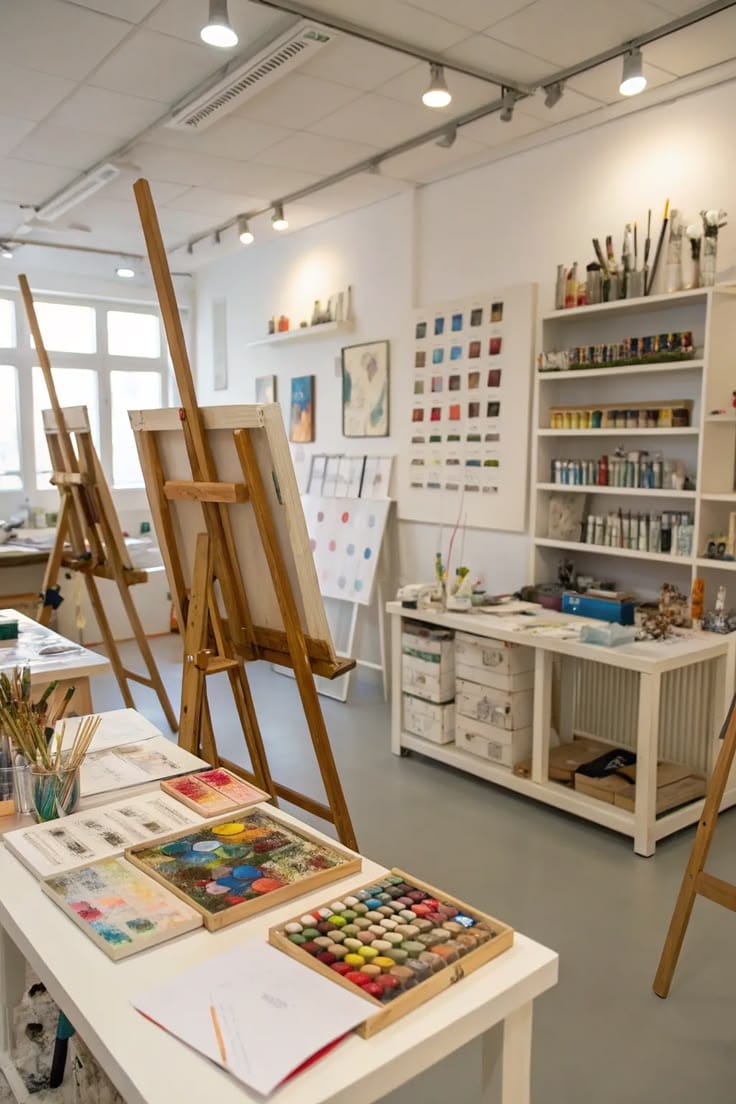
Art Studio: Where Creative Ideas Become Original Works of Art
An art studio is more than a room filled with brushes, colors, and canvases. It is a creative workspace where […]
Painting Studio in Kolkata: Where Art Meets Interior Spaces
A painting studio is no longer limited to canvases, easels, and framed artwork. Today, creative studios are increasingly connected with […]
Mural Designers Near Me: How to Choose the Right Wall Artist
Finding mural designers near me has become easier with online search, social media portfolios, and local business listings. However, choosing […]
The vibe here is amazing and the game selection is top notch. I love how easy it is to navigate the site. 777nycasino really knows how to treat their players.
The bonuses here are actually decent compared to other sites. I had a great run last night and the withdrawal was surprisingly fast. bongeslotlogin is the way to go.