
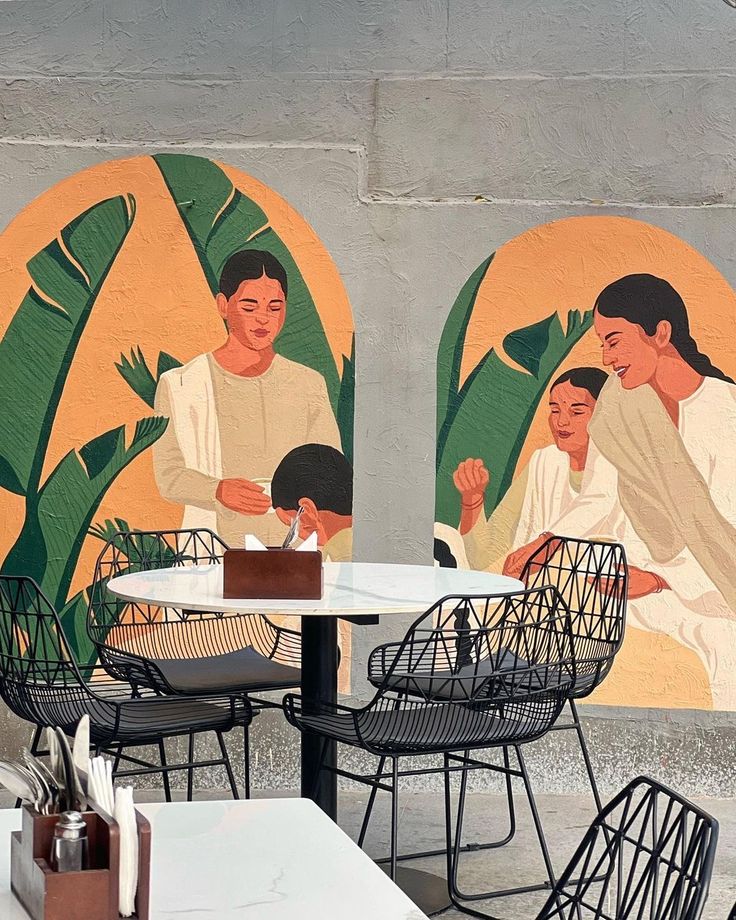
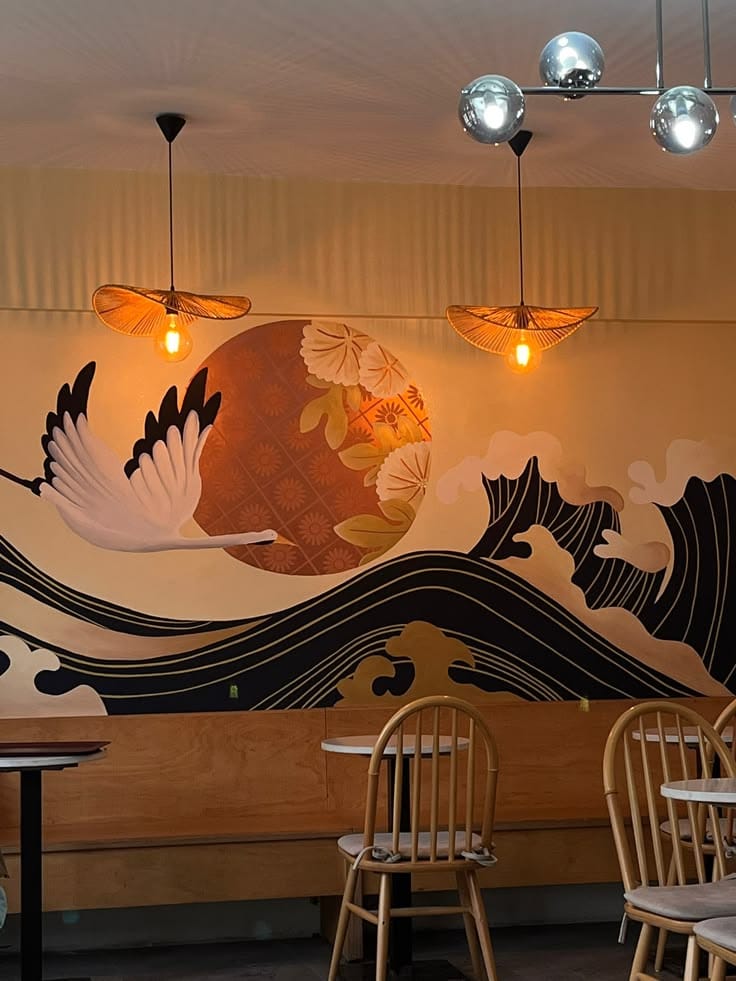
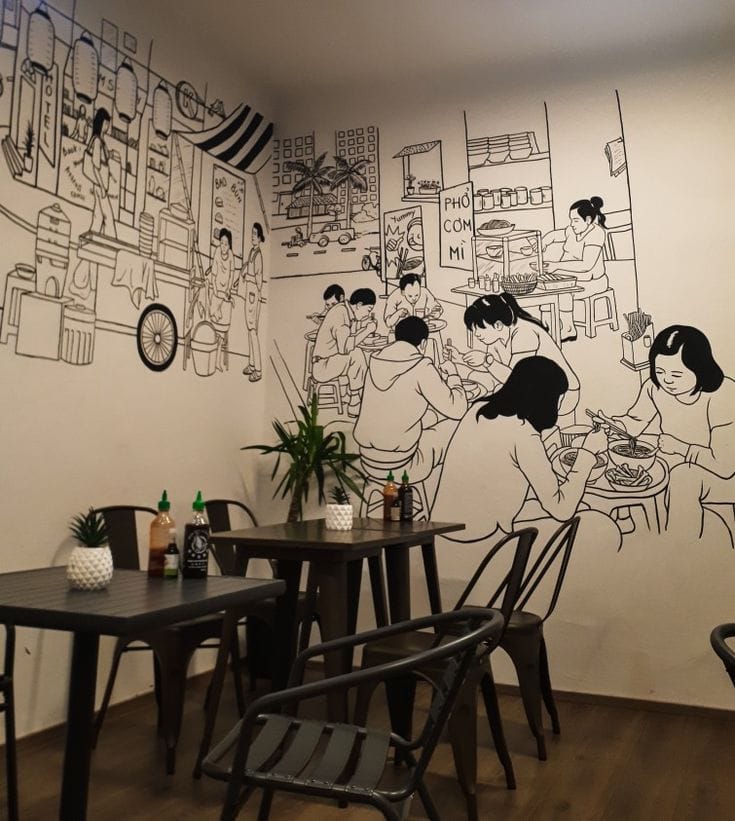
Mural painting on wall is becoming an increasingly popular way to add original artwork to homes, cafés, offices, restaurants, and commercial interiors. Unlike removable décor, a mural is painted directly onto the architectural surface. Therefore, the artwork can be planned around the room, furniture, lighting, doors, windows, and overall interior style.
Moreover, modern wall murals can range from botanical compositions and landscapes to abstract art, traditional Indian themes, geometric forms, and detailed hand-painted scenes. As a result, every project can have a different visual character for mural painting on wall.
What Makes Wall Murals Different?
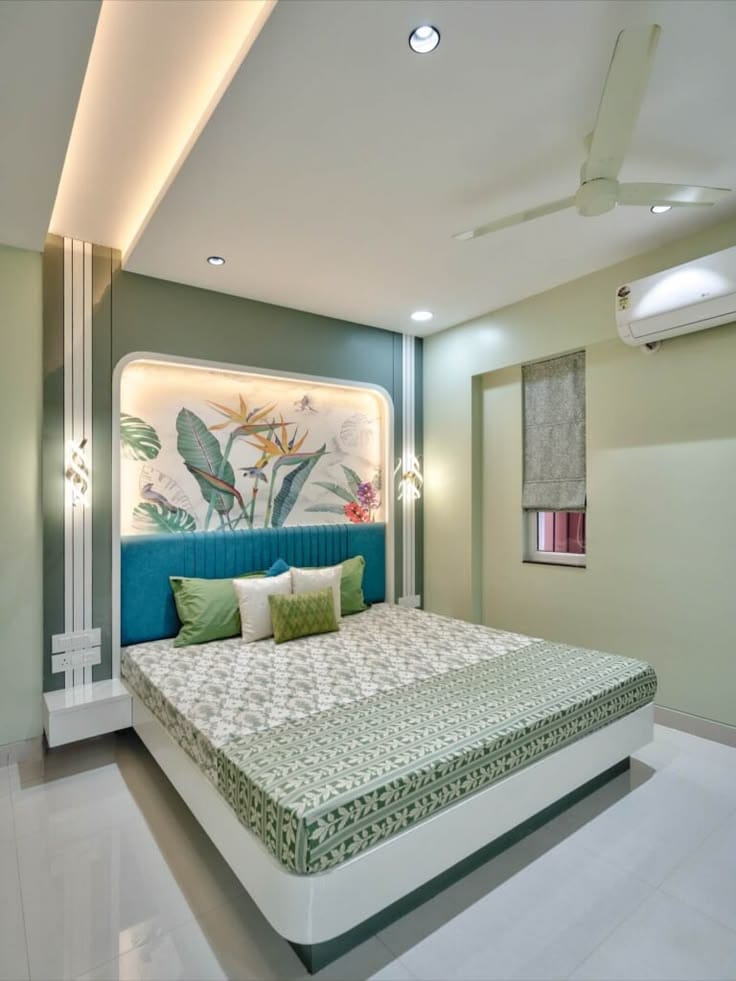
A wall mural combines painting with the architecture of a space. Instead of working on a separate canvas, the artist considers the actual dimensions and condition of the wall before developing the artwork.
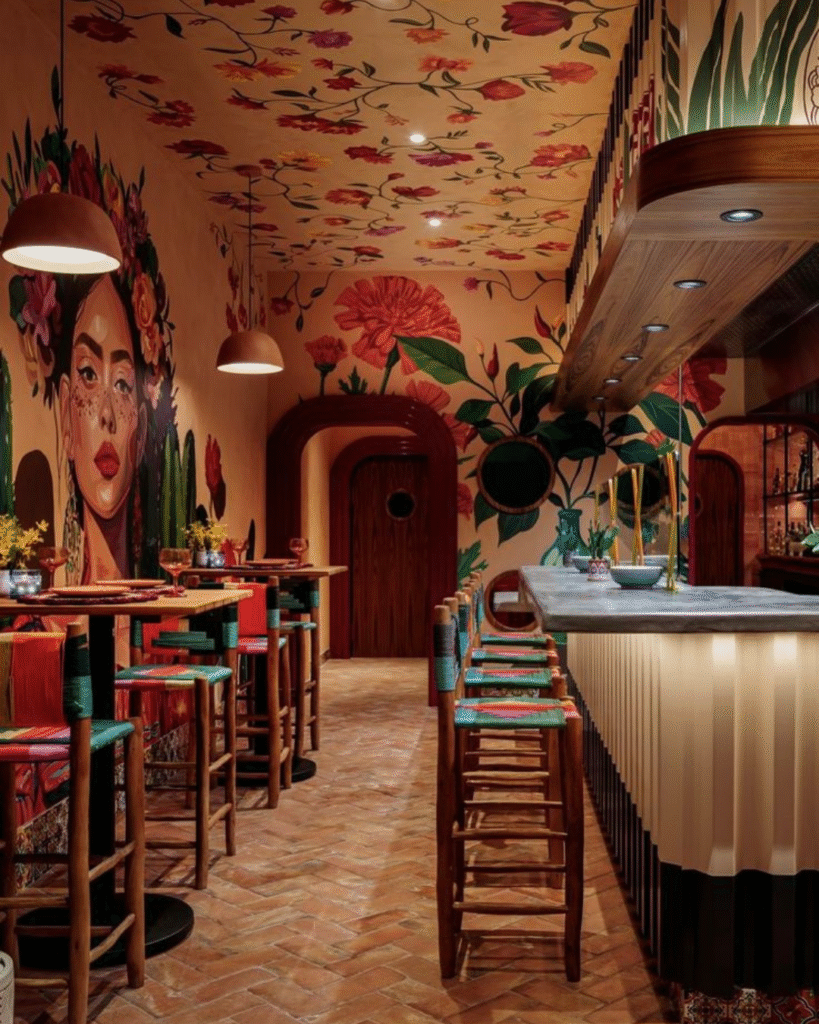
For example, a living room may suit a large botanical composition, while a restaurant could use illustrated storytelling, cultural motifs, or an artistic brand concept. Similarly, bedrooms can benefit from softer landscapes, celestial themes, or minimal artwork.
According to Berger Paints’ “Wall Mural Painting Technique & Ideas”, murals can be planned according to room function, colour palette, lighting, and existing interiors.
Planning the Artwork Before Painting
Before painting begins, the wall should be examined carefully. Cracks, moisture, loose paint, dust, and uneven surfaces can affect the final result. Therefore, surface preparation should be treated as an important part of the mural process.
Next, the design can be developed according to the wall’s dimensions. A sketch, reference image, grid, or measured layout can help maintain proportion. For complex compositions, projection or other scaling methods may also be used.
Furthermore, colour selection should consider natural and artificial lighting. A colour that looks balanced during daylight may appear different under warm evening lights.
Choosing Paint and Materials
The choice of materials depends on the wall, location, design complexity, and expected durability. Acrylic-based paints are commonly used for murals because they offer versatility across many interior and exterior applications. Liquitex notes that acrylic paints can be used on surfaces including plaster, masonry, brick, concrete, wood, and metal.
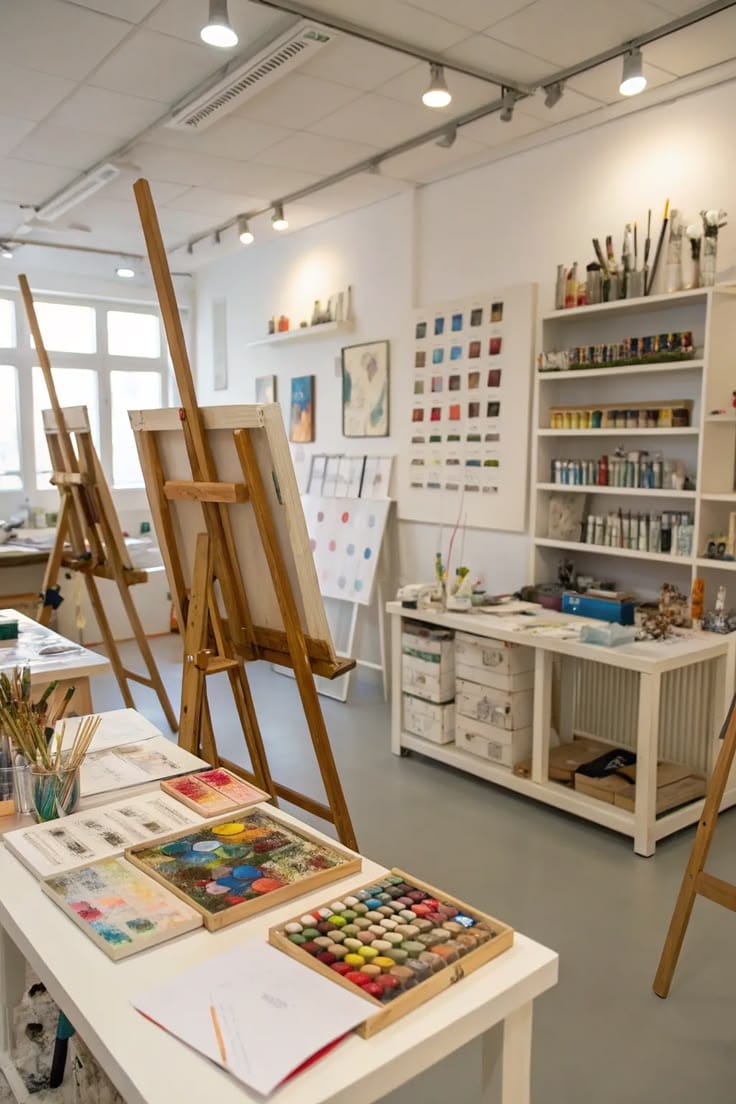
Essential materials may include:
- Interior or exterior mural paint
- Primer and surface-preparation materials
- Brushes of different sizes
- Rollers for larger areas
- Pencil, chalk, or drawing tools
- Measuring equipment
- Protective coatings where required
However, material selection should always match the specific surface and environmental conditions.
Popular Ideas for Painted Walls
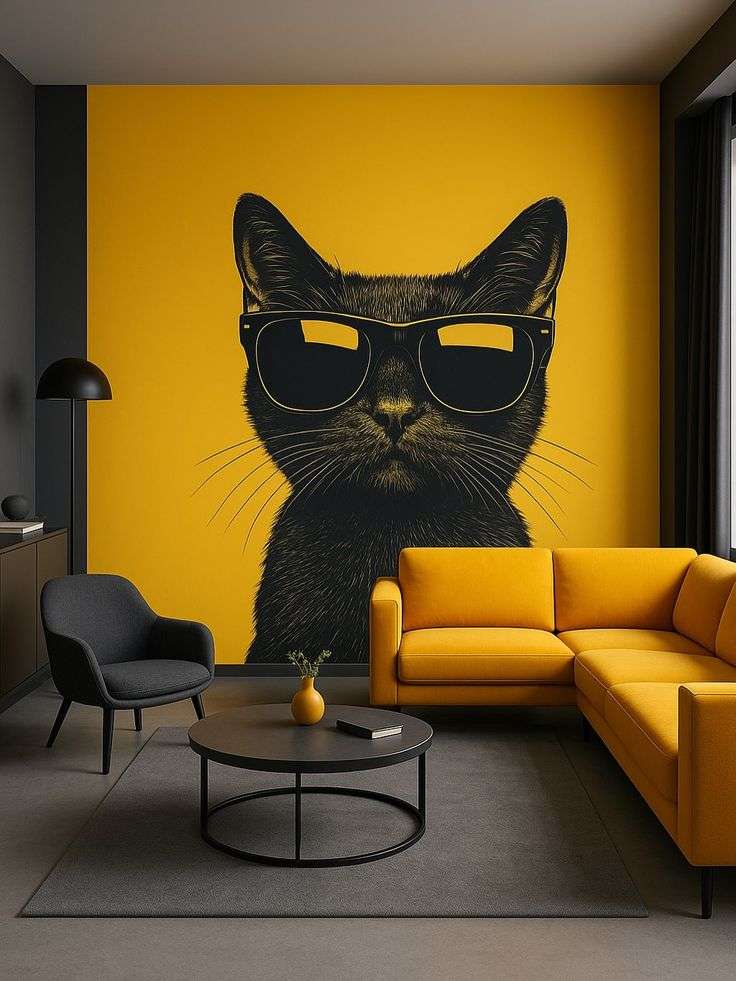
There are several creative directions to consider when planning a mural. Nature-inspired designs remain suitable for bedrooms, lounges, cafés, and hospitality spaces. Meanwhile, geometric artwork can work well in contemporary interiors.
Traditional Indian themes can also create a strong visual connection with regional culture. In fact, India’s mural heritage includes historic traditions associated with sites such as Ajanta, Bagh, and Ellora, along with Kerala’s distinctive mural tradition.
Other possibilities include:
- Abstract wall compositions
- Floral and botanical murals
- Landscape artwork
- Mythological themes
- Architectural illustrations
- Children’s room murals
- Café and restaurant wall art
- Corporate and office murals
A Practical Painting Process
Once the design and wall are ready, the artist can begin with the base composition. Large background areas are generally established first. Then, major forms and colours are added before smaller details. For more details visit to our page.
Afterward, shading, highlights, textures, and fine elements can be developed gradually. Finally, the artwork should be reviewed under the room’s actual lighting before any suitable protective finish is applied.
For additional guidance, the Architectural Digest “How to Paint a DIY Wall Mural at Home” page discusses planning, priming, tools, colour preparation, and protecting finished artwork.
Where Can Wall Murals Be Used?
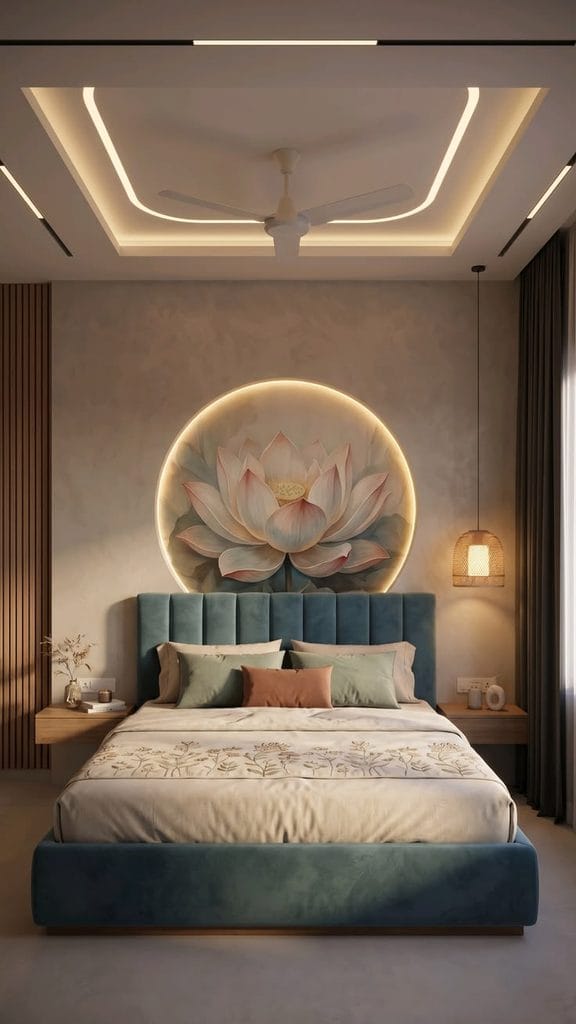
A painted mural can work across many types of spaces. Homes may use murals in living rooms, bedrooms, dining areas, staircases, or balconies. Similarly, businesses can use them in cafés, restaurants, offices, boutiques, salons, hotels, and reception areas.
Therefore, the most effective design is not necessarily the most complicated one. Instead, the artwork should suit the wall, viewing distance, lighting, furniture, and purpose of the space.
Related Resources and Page Topics
For further reading, explore:
- Wall Mural Painting Technique & Ideas – Berger Paints
- How to Paint a DIY Wall Mural at Home – Architectural Digest
- Tips for Mural Painting – Liquitex
- Mural Painting – Handicrafts of India
- How to Paint a Wall Mural – Lowe’s
These pages cover mural techniques, materials, preparation, design planning, and practical painting methods.
FAQs About Mural Painting on Wall
What is mural painting on wall?
It is artwork painted directly onto an architectural wall or other permanent surface. The design is planned according to the dimensions and characteristics of the space.
Which paint is suitable for wall murals?
Acrylic and suitable interior or exterior mural paints are commonly used. The correct option depends on the surface, location, lighting, and exposure conditions.
Can murals be painted on textured walls?
Yes, although the texture can affect detail, brush movement, and paint coverage. Proper surface assessment helps determine the appropriate approach for mural painting on wall. For more details visit to our page.
How long does a wall mural take?
The timeline depends on wall size, design complexity, surface preparation, number of colours, and level of detailing.
Can a mural be created for a commercial space?
Yes. Murals can be designed for cafés, restaurants, offices, retail spaces, hotels, studios, and other commercial environments.
Is surface preparation important before mural painting?
Yes. Cleaning, repairing, and priming the surface can help improve paint adhesion and create a more consistent finish.
Latest Posts
Luxury Wall Murals: Bespoke Art for Sophisticated Interiors
Luxury wall murals are becoming a preferred choice for homeowners who want interiors with individuality, artistic depth, and lasting visual […]
Luxury Wall Design: Refined Textures, Artistic Murals and Modern Elegance
Luxury wall design is becoming an essential part of contemporary interiors. Rather than relying only on expensive furniture, homeowners are […]
The Modern Artist: Where Creativity Meets Contemporary Interior Design
An artist sees possibilities where others see an empty canvas. Today, creativity extends beyond traditional paintings and galleries into homes, […]
Art Studio: Where Creative Ideas Become Original Works of Art
An art studio is more than a room filled with brushes, colors, and canvases. It is a creative workspace where […]
Painting Studio in Kolkata: Where Art Meets Interior Spaces
A painting studio is no longer limited to canvases, easels, and framed artwork. Today, creative studios are increasingly connected with […]
Wall Artist: The Craft Behind Meaningful Wall Art
A wall artist does more than apply paint to a large surface. Instead, the artist studies the space, understands its […]
Finally found a reliable place to get the apk. The loading speed is impressive and everything works perfectly. Highly recommend vnx888apk.
Everything from the registration to the actual play was spot on. Very professional setup and fair play. Love using jljl1login.