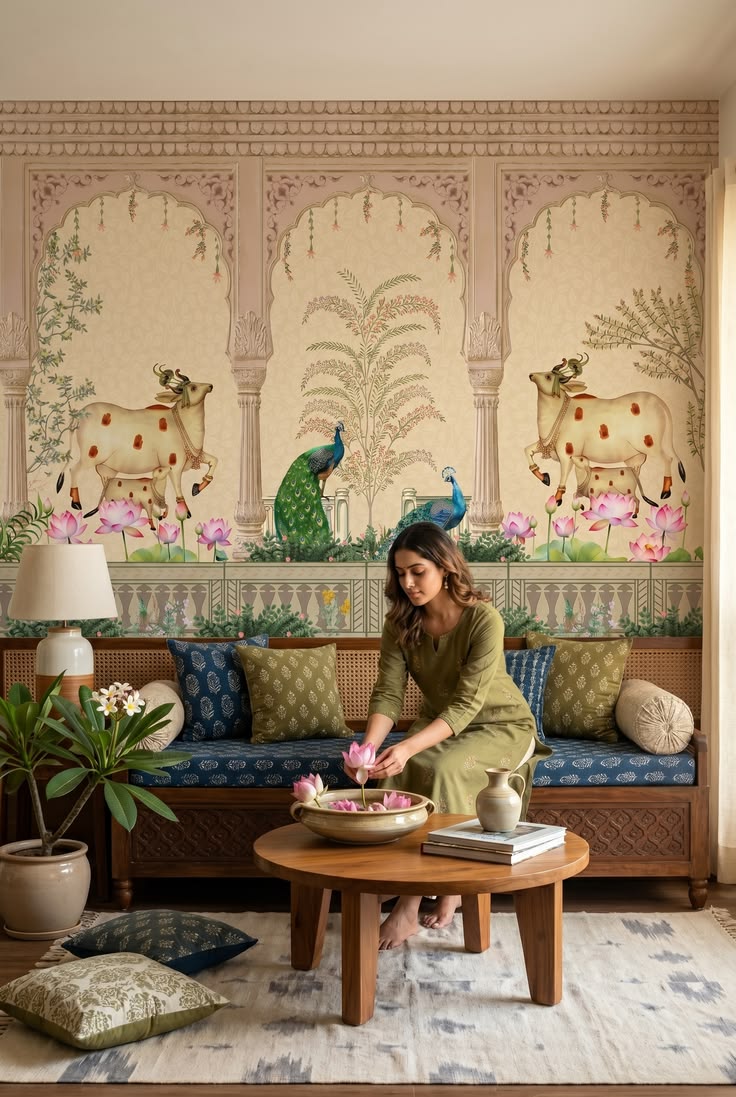
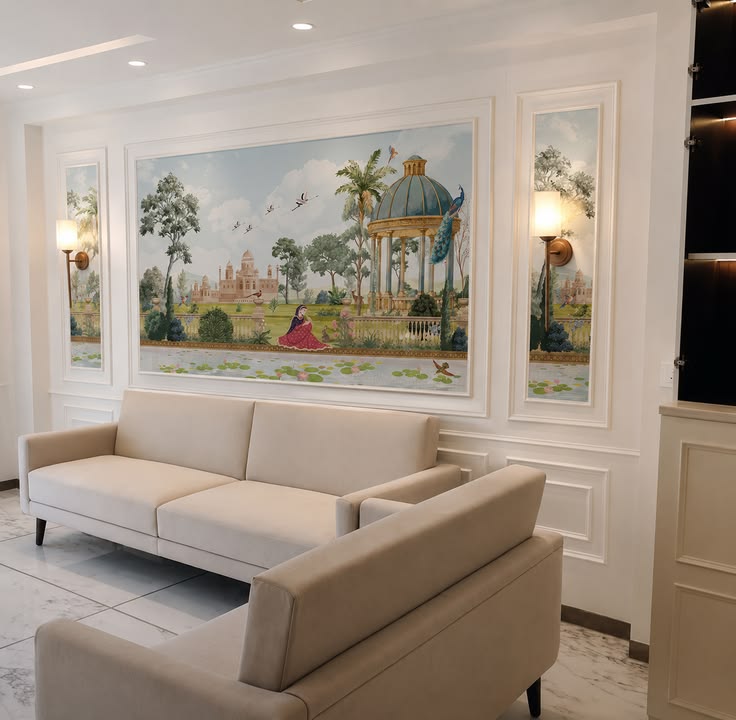
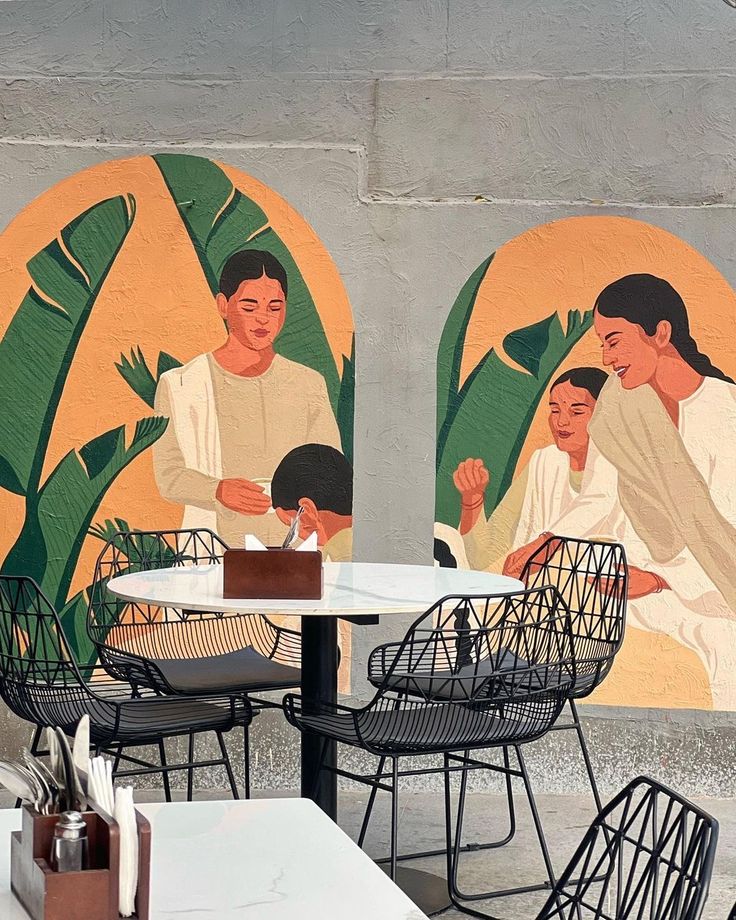
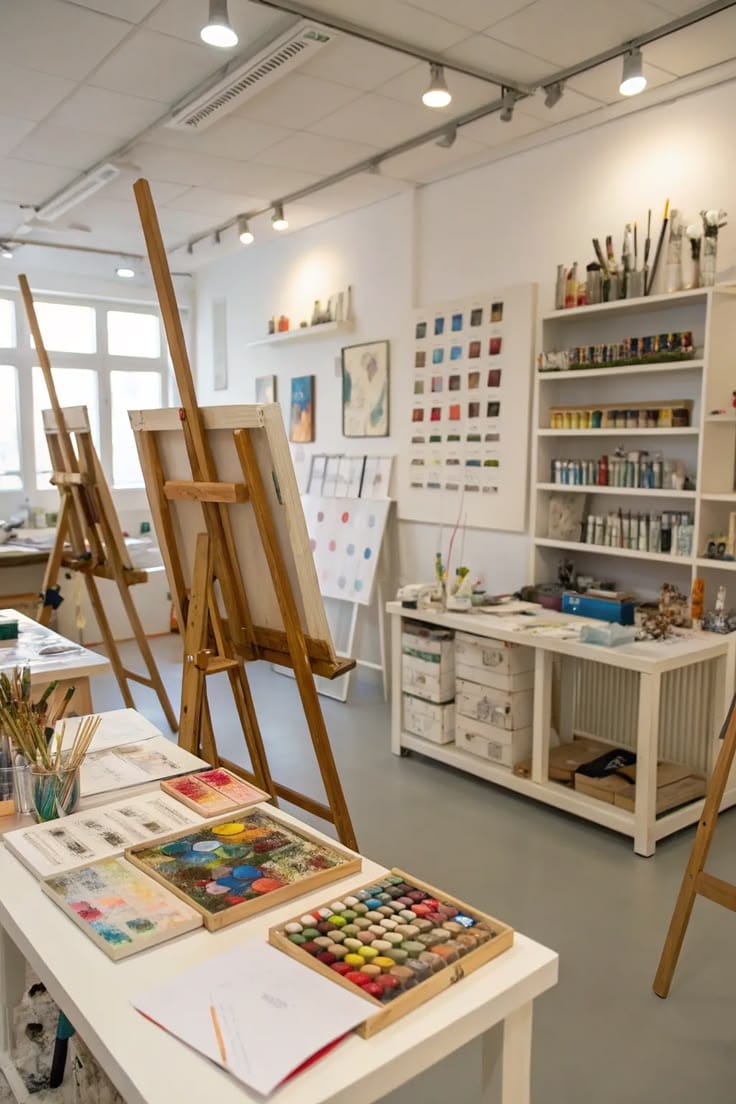
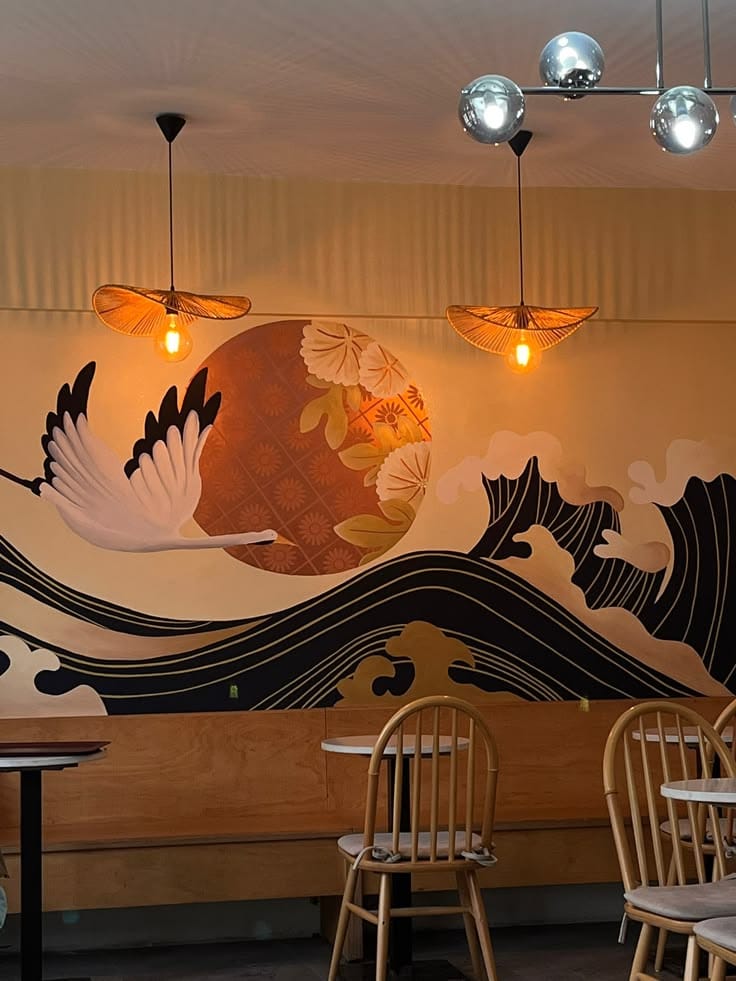
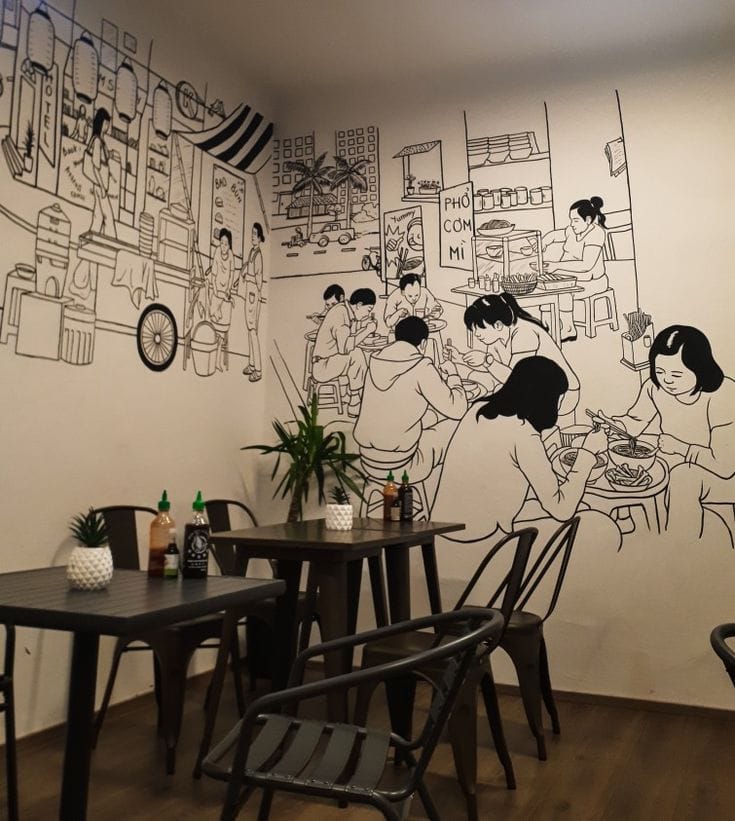
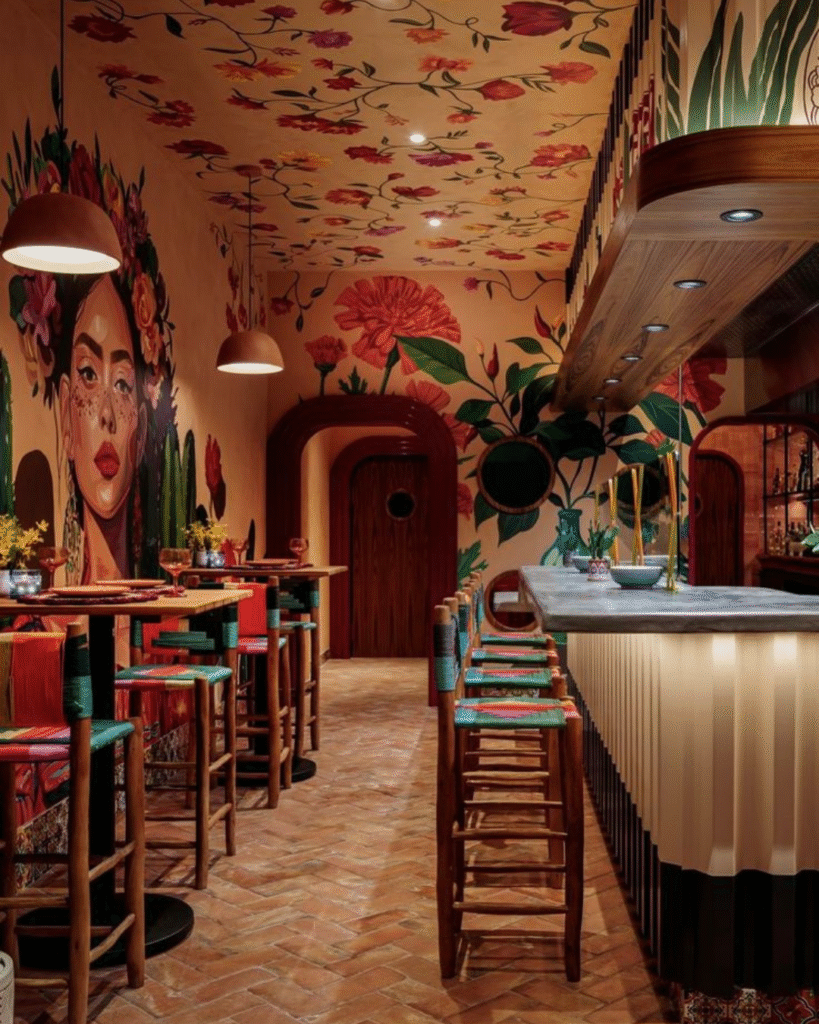
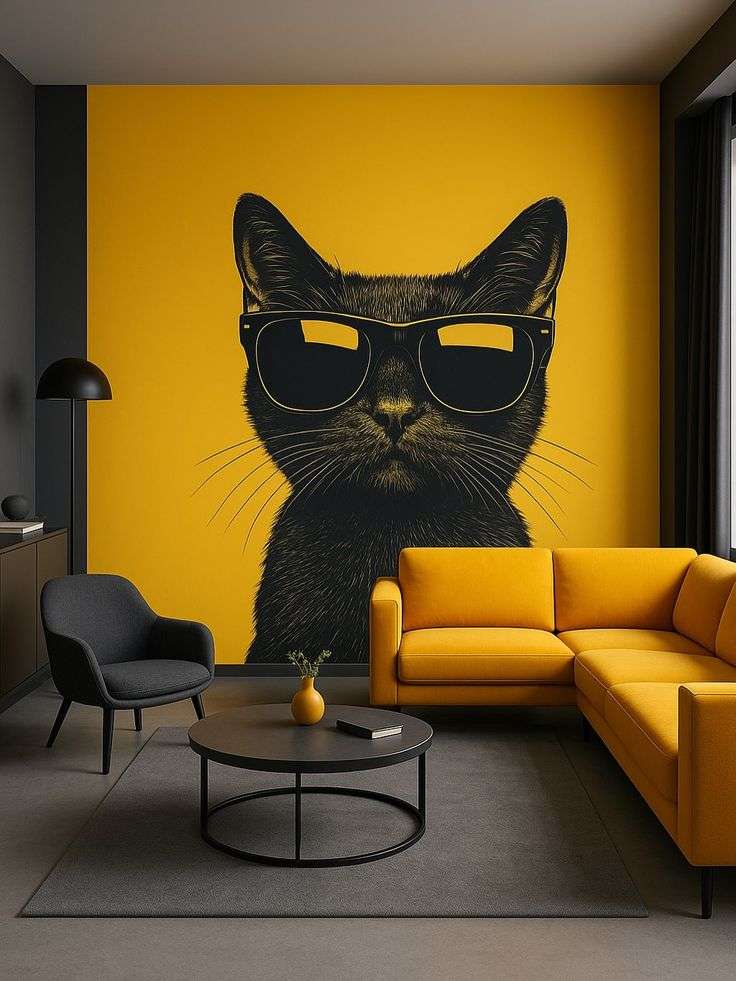
Feature wall artists for co-working spaces are becoming increasingly relevant as shared offices move beyond plain corporate interiors. Today, a co-working space needs to feel creative, welcoming, flexible, and memorable. Therefore, a thoughtfully painted wall can contribute to the overall identity of a workspace while giving members an environment that feels less generic feature wall artists for co-working spaces.
Moreover, workplace research increasingly highlights the importance of creative, natural, and human-centred environments. Gensler’s 2025 workplace research found that employees expressed interest in experiences that feel more creative, natural, and residential rather than purely corporate.
Why Creative Walls Matter in Shared Workspaces
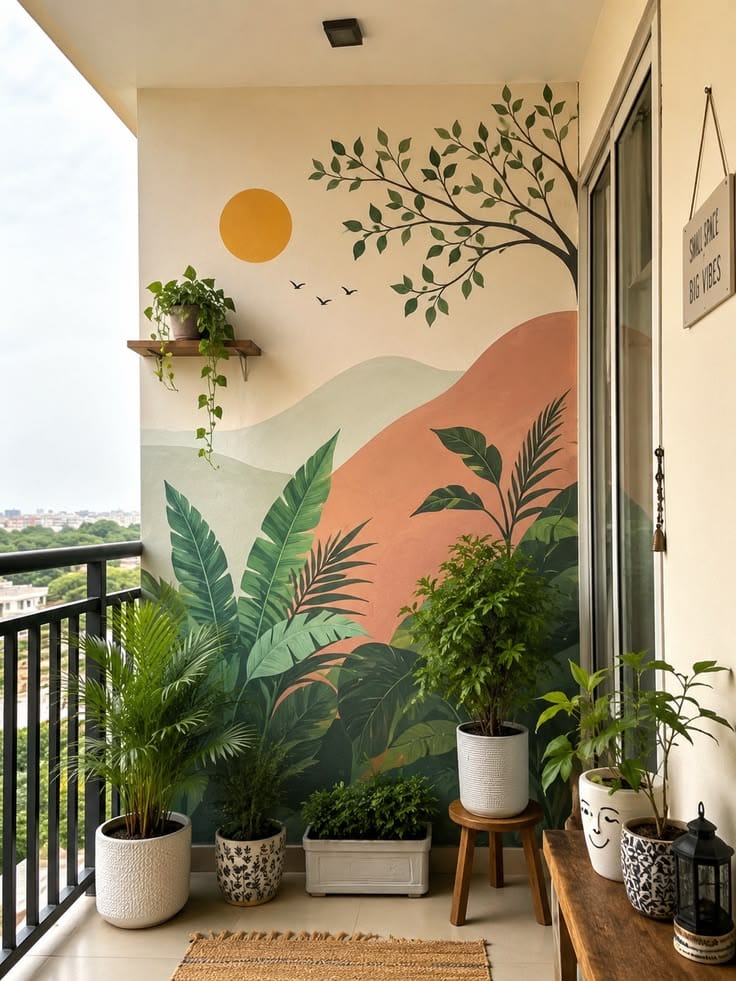
A blank wall is simply part of the architecture. However, an artistic wall can become part of the workspace experience. For example, a hand-painted mural can introduce colour, local culture, abstract forms, botanical elements, typography, or a company’s visual language.
Furthermore, creative walls can help different areas of a co-working facility feel distinct. A reception wall can communicate the personality of the brand, while a meeting-room mural can encourage an energetic atmosphere. Similarly, a lounge or café wall can use softer patterns and nature-inspired artwork.
Research from Steelcase also highlights the role of natural materials, greenery, colour, texture, and lighting in workplace design.
From Reception Walls to Collaboration Zones
The placement of artwork matters just as much as the artwork itself. Consequently, feature walls should be planned according to how people use each area.
For instance, reception areas can accommodate bold artistic compositions because they create an immediate visual introduction. Meeting rooms, on the other hand, may benefit from structured graphics, subtle textures, or locally inspired artwork.
Meanwhile, breakout areas can use expressive murals that encourage conversation and visual interest. Writable surfaces, flexible furniture, and creative spaces are also being incorporated into contemporary workplaces to support different working activities.
Art, Identity and Local Character
A co-working space should not necessarily look like every other shared office. Instead, artwork can communicate a sense of place.
For a Kolkata workspace, artists can draw inspiration from Bengali architecture, streetscapes, typography, folk influences, nature, or contemporary urban culture. As a result, the interior can feel connected to its location rather than looking like a standard commercial office.
Steelcase’s Bengaluru WorkLife Center provides another useful example of incorporating local culture, arts, crafts, natural materials, and biophilic ideas into workplace design feature wall artists for co-working spaces. For more details visit to our page.
Materials and Styles Worth Considering
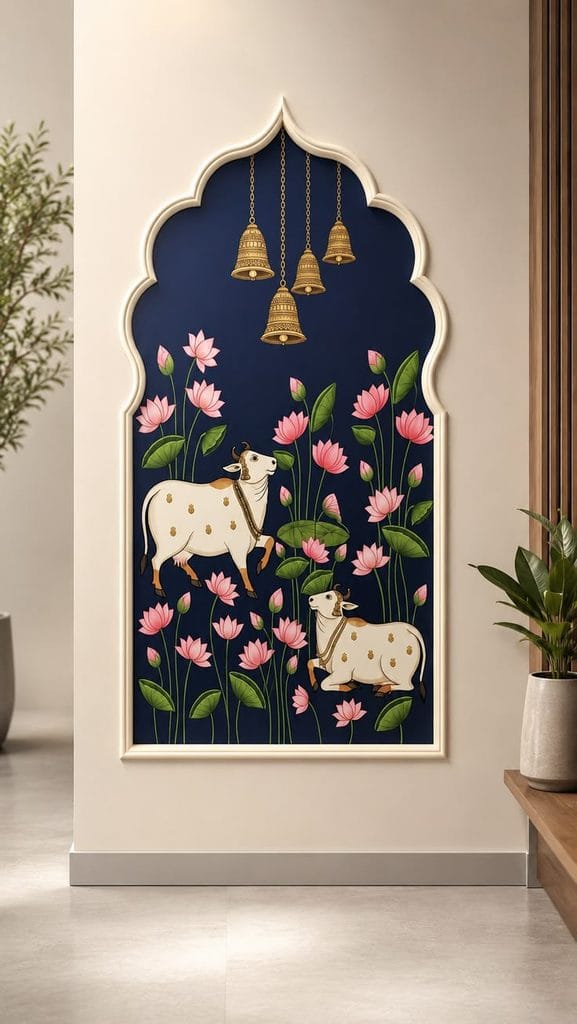
Depending on the interior concept, several approaches can work well:
- Hand-painted contemporary murals
- Abstract geometric wall compositions
- Botanical and biophilic artwork
- Architectural wall art
- Metallic or marble-effect finishes
- Textured feature walls
- Typography and brand-inspired graphics feature wall artists for co-working spaces
- Relief and dimensional wall artwork
- Local cultural and artistic references
Additionally, texture can introduce depth without relying entirely on strong colours. Natural-looking finishes, stone-inspired surfaces, wood references, and greenery can also complement workplace interiors.
Gensler’s research on biophilic design discusses visual connections with nature, natural materials, textures, and sensory experiences as elements of workplace design.
Useful Workplace Design Resources
For architects, interior designers, and co-working operators researching ideas, these resources are worth exploring:
- Gensler – The New Workplace Experiences That People Crave
- Gensler – Why Biophilic Design Is Crucial in the Workplace
- Steelcase – Four Ways to Weave Nature Into the Workplace
- Steelcase – Coworking Redefined
These pages cover related subjects such as workplace design, biophilic interiors, coworking environments, employee wellbeing, creative workspaces, and flexible office planning.
FAQ
Are murals suitable for co-working spaces?
Yes. Murals can work across reception areas, lounges, corridors, meeting rooms, cafés, and collaboration zones when the artwork suits the purpose of each area.
What type of wall art works well in a modern office?
Abstract murals, botanical designs, geometric artwork, typography, architectural illustrations, textured finishes, and locally inspired compositions are common choices.
Can a mural represent a co-working brand?
Yes. Colours, symbols, patterns, typography, and visual references can be incorporated into a custom wall design to reflect a brand’s identity.
Should every wall have artwork?
Not necessarily. A combination of artwork, open surfaces, greenery, texture, and functional walls can create better visual balance than covering every surface.
Can feature walls work in small co-working offices?
Yes. A carefully selected wall can create visual interest even in a compact workspace. However, scale, colour, lighting, and furniture placement should be considered before execution.
Final Thought: Creative wall art is not simply about filling an empty surface. Instead, it can contribute to identity, atmosphere, local character, and visual storytelling. With the right concept and placement, a feature wall can become an important part of a well-planned co-working environment.
Latest Posts
Luxury Wall Murals: Bespoke Art for Sophisticated Interiors
Luxury wall murals are becoming a preferred choice for homeowners who want interiors with individuality, artistic depth, and lasting visual […]
Luxury Wall Design: Refined Textures, Artistic Murals and Modern Elegance
Luxury wall design is becoming an essential part of contemporary interiors. Rather than relying only on expensive furniture, homeowners are […]
The Modern Artist: Where Creativity Meets Contemporary Interior Design
An artist sees possibilities where others see an empty canvas. Today, creativity extends beyond traditional paintings and galleries into homes, […]
Art Studio: Where Creative Ideas Become Original Works of Art
An art studio is more than a room filled with brushes, colors, and canvases. It is a creative workspace where […]
Painting Studio in Kolkata: Where Art Meets Interior Spaces
A painting studio is no longer limited to canvases, easels, and framed artwork. Today, creative studios are increasingly connected with […]
Wall Artist: The Craft Behind Meaningful Wall Art
A wall artist does more than apply paint to a large surface. Instead, the artist studies the space, understands its […]